
 Save 15% on your 1st Autoship learn more

 Email us
 Live Chat
 FAQs
FAQs





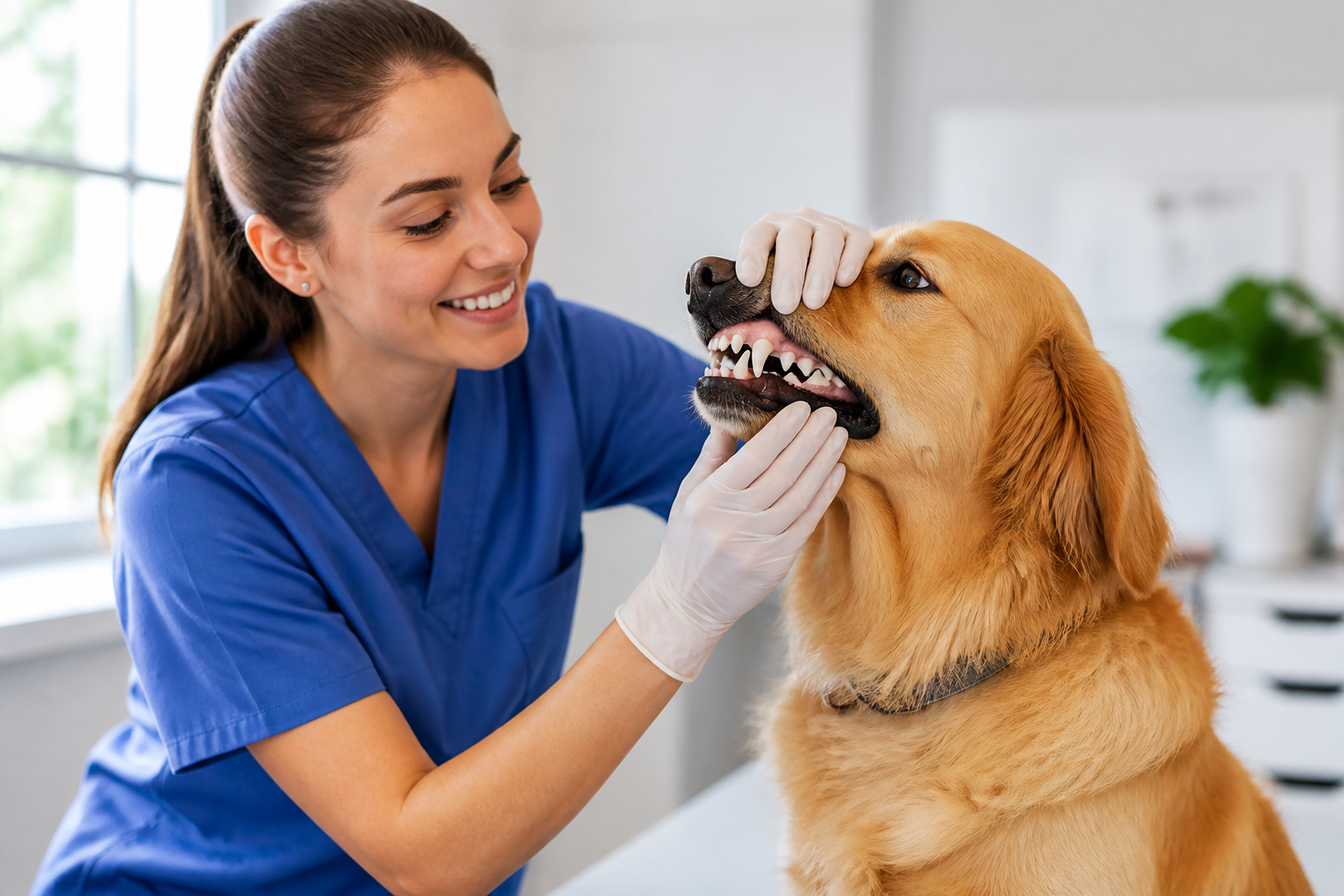
Introduction
You are sitting on the sofa after a long day and your dog hops up to give you a lick. Suddenly, you notice a smell that is much stronger than typical dog breath. You look at their teeth and see a thick layer of brown buildup near the gums. This is the moment most pet owners realize it is time to call the veterinarian. At BaxterBoo, we talk to pet parents every day who are balancing the need for expert care with a realistic household budget. Understanding the professional cost to clean my dogs teeth is about more than just a single number on an invoice. This article covers the average price ranges for dental procedures, the factors that drive those costs up, and how you can save money through preventive care. Maintaining your dog’s oral health is a vital part of helping them live a long and comfortable life.
Quick Answer: A professional dog dental cleaning typically costs between $300 and $700 for a routine procedure. If your dog requires dental X-rays, bloodwork, or tooth extractions, the total can quickly climb to $1,000 or more depending on your location.
Why Dog Dental Cleaning Prices Vary
When you start calling local clinics for quotes, you will likely hear a wide range of prices. This happens because a dental cleaning is not a one size fits all service. It is a medical procedure that requires a team of professionals. Several specific factors will influence the final number you see on your bill.
Geographic Location and Clinic Type
Where you live plays a massive role in veterinary pricing. Clinics in major metropolitan areas like New York City or Los Angeles have higher overhead costs for rent and staff. You might pay double what a pet owner in a rural community pays for the exact same cleaning. Additionally, specialized veterinary dental hospitals will charge more than a general practice. These specialists have advanced training and high end equipment for complex cases.
The Size and Weight of Your Dog
Your dog’s weight directly impacts the cost of anesthesia. Larger dogs require higher doses of sedative medications and more fluids during the procedure. They also require more staff members to assist with positioning and monitoring. Because of this, many clinics have a tiered pricing structure based on weight classes.
The Current State of Dental Health
The amount of tartar and plaque on the teeth determines how much time the technician spends scaling. A dog with mild gingivitis is much easier to treat than a senior dog with advanced periodontal disease. If the veterinarian finds loose or rotting teeth, the procedure moves from a routine cleaning to oral surgery. This change increases the time your dog spends under anesthesia and the complexity of the work.
Key Takeaway: The base price of a dental cleaning is just the starting point. Size, location, and the severity of dental disease are the primary drivers of the final cost.
What a Routine Quote Usually Includes
It is important to ask your veterinarian for an itemized estimate. This helps you compare "apples to apples" when looking at different clinics. A standard professional cleaning, often called a prophylaxis, should include several core components.
General Anesthesia
Dogs will not sit still and open wide like humans do. To clean safely below the gumline, your dog must be under general anesthesia. This includes the cost of the induction drugs and the gas used to keep them asleep. It also covers the intubation tube that protects their airway from water and debris during the cleaning.
Vital Sign Monitoring
A dedicated technician should monitor your dog’s heart rate, oxygen levels, and blood pressure throughout the procedure. This is one of the most critical parts of the service. Some lower cost clinics may cut corners here, so always ask who is watching your dog while the vet is working.
Scaling and Polishing
The technician uses ultrasonic and hand tools to remove tartar from the surface of the teeth. They must also scale the space between the tooth and the gum, which is where bacteria hide. Once the teeth are clean, they are polished to smooth out any tiny scratches. Smooth teeth make it harder for new plaque to stick.
A Comprehensive Oral Exam
While your dog is asleep, the vet can get a much better look at the mouth. They check for oral tumors, gum recession, and pockets around the roots. They will also look for cracked or broken teeth that might be causing your dog hidden pain.
Vet Tip: Never skip the pre-dental exam. Your vet needs to listen to your dog’s heart and check their general health before scheduling anesthesia. This is the best way to ensure the procedure is safe for your pet.
The Cost of Necessary Extras
Many pet owners are surprised when the final bill is higher than the initial quote. This is usually because of essential "extras" that are not always included in a base price. These steps are necessary for a high standard of care.
Pre-Anesthetic Bloodwork
Most veterinarians require blood tests before putting a dog under anesthesia. This is especially true for senior dogs. These tests check liver and kidney function to ensure your dog can process the anesthetic drugs safely. Skipping bloodwork is a major risk that most experts do not recommend.
Dental X-rays
You cannot see what is happening beneath the gums with the naked eye. Roughly 60 percent of a dog's tooth structure is hidden below the gumline. Dental X-rays can reveal abscesses, bone loss, and rotting roots that look fine from the outside. While X-rays add to the cost, they prevent your dog from suffering with "silent" pain.
Tooth Extractions
If a tooth is too diseased to save, it must come out. Extracting a dog’s tooth is a surgical procedure. Large teeth with multiple roots, like the carnassial teeth, are particularly difficult to remove. The cost for extractions varies based on the size of the tooth and the time required for surgery.
Post-Procedure Medications
If your dog has extractions or deep cleaning, they will need pain relief and possibly antibiotics. These medications are essential for a comfortable recovery. Our pharmacy at BaxterBoo carries a variety of health supports for recovery, and through our partnership with Pet's Choice, we can help fulfill specific prescription needs your vet might recommend.
- Average Add-on Costs:
- Bloodwork: $75 to $200
- Full-mouth X-rays: $150 to $300
- Simple extraction: $50 to $150 per tooth
- Surgical extraction: $200 to $600 per tooth
Why Anesthesia Free Cleaning is Not Enough
You may see advertisements for "anesthesia free" dental cleanings at groomers or boutiques. While these are much cheaper, they are not a substitute for a professional veterinary cleaning. These services only scrape the tartar that you can see. They cannot clean under the gums where periodontal disease actually starts.
Using sharp tools on a conscious dog is also risky. If the dog flinches, the tool can cause deep cuts to the gums or tongue. Furthermore, scraping the teeth without polishing them leaves the surface rough. This actually allows plaque to build up even faster than before. Most veterinarians consider anesthesia free cleaning to be a cosmetic procedure rather than a health one.
Bottom line: Anesthesia-free cleaning might make teeth look white, but it leaves the dangerous bacteria under the gumline untouched.
How to Prepare for the Appointment
When you finally schedule the cleaning, there are a few steps you should take to ensure everything goes smoothly. Proper preparation can also help avoid last minute cancellations that might result in fees.
Step 1: Follow fasting instructions. / Most vets require you to withhold food after midnight the night before the procedure. This prevents vomiting while under anesthesia.
Step 2: Discuss current medications. / Make sure your vet knows about any supplements or heart medications your dog takes daily. Some items may need to be paused.
Step 3: Arrange for a quiet recovery space. / Your dog will be groggy when they come home. Have a crate or a soft bed in a warm, quiet room ready for them.
Step 4: Confirm the communication plan. / Ask the vet to call you after the X-rays are done. This allows you to approve any extractions or additional costs before the vet proceeds.
Ways to Save on Professional Cleaning
While the upfront cost can be high, there are several ways to make dog dental care more affordable. Being proactive is the most effective strategy for your wallet.
National Pet Dental Health Month
February is National Pet Dental Health Month. Many veterinary clinics offer discounts ranging from 10 to 20 percent on dental cleanings during this time. Some clinics also extend these offers into March. It pays to call around and see if your local vet participates in these seasonal promotions.
Routine At-Home Care
The best way to save on cleanings is to make them less frequent. Daily brushing is the gold standard. Even brushing three times a week can significantly reduce the rate of tartar buildup. This keeps your dog in the "routine cleaning" price bracket and avoids the high cost of extractions. For additional guidance, read our top pet dental care tips.
Dental Treats and Diets
Using VOHC-approved dental treats like Greenies can help mechanically scrub the teeth. For dogs with chronic dental issues, your vet might recommend a prescription dental diet. These kibbles are designed to stay in contact with the tooth longer to act like a toothbrush. You can find many of these specialized options in our dog dental care collection.
MVP Rewards and Autoship
At BaxterBoo, we offer programs to help you save on the supplies that keep your dog’s mouth healthy. Our MVP Rewards program allows you to earn points on every purchase of toothbrushes, pastes, and treats. If you use dental chews regularly, signing up for our Autoship programme ensures you never run out while providing extra savings on every order.
Key Takeaway: Investing in a $15 toothbrush and regular dental treats can save you thousands of dollars in oral surgery costs over your dog’s lifetime.
Symptoms That Your Dog Needs a Cleaning
If you are unsure whether it is time to spend the money on a professional cleaning, look for these warning signs. Dental pain is often subtle in dogs because they have a natural instinct to hide discomfort. Our guide to recognizing signs of bad teeth in dogs covers additional symptoms to watch for.
- Bad Breath: This is often the first sign of bacterial overgrowth.
- Visible Tartar: Look for yellow or brown crust near the gumline.
- Red or Bleeding Gums: Healthy gums should be a pale pink.
- Difficulty Eating: If your dog drops food or avoids hard kibble, their mouth may be painful.
- Excessive Drooling: Sudden changes in saliva can indicate an oral infection.
- Pawing at the Face: This is a clear sign of irritation or toothache.
If your dog shows any of these signs, it is time for a veterinary consult. Ignoring these symptoms can lead to systemic issues. Bacteria from a mouth infection can enter the bloodstream and cause damage to the heart, kidneys, and liver.
Understanding Pet Insurance and Wellness Plans
Not all pet insurance policies are created equal when it comes to teeth. It is crucial to read your fine print before you assume the cost will be covered.
Accident and Illness Coverage
Most standard insurance plans cover dental work only if it is the result of an accident, such as a broken tooth from a fall. They may also cover the treatment of dental diseases like gingivitis, but only if you have a history of providing preventive care.
Wellness Add-ons
To get help with the cost of a routine cleaning, you usually need a "Wellness" or "Preventive Care" rider. These add-ons often provide a set amount of money per year toward cleanings and vaccines. If you know your dog’s breed is prone to dental issues, these plans can be a great value.
Pre-existing Conditions
If your vet noted "heavy tartar" or "dental disease" in your dog’s chart before you bought the insurance, the company will likely deny any dental claims. This is why it is so important to get insurance while your dog is still a puppy.
Vet Tip: If you are shopping for coverage, look at FIGO Pet Insurance through our partnership. They offer flexible plans that can help manage the long term costs of your dog’s health needs.
Post-Cleaning Aftercare
Once you bring your dog home from the clinic, the first 24 hours are the most important. They will likely be tired and perhaps a little confused.
Feeding Instructions
If your dog had extractions, they will need soft food for several days. You can soften their regular kibble with warm water or use a high quality canned food. Avoid hard treats or chew toys until the vet gives the green light. This protects the sutures in their gums.
Monitoring for Complications
Keep an eye on their gums for excessive bleeding. A tiny bit of pink tinged saliva is normal, but active bleeding is not. Also, watch for signs that your dog is not bouncing back from the anesthesia. If they are still extremely lethargic or cannot stand up after 24 hours, call your vet immediately.
Resuming Home Care
Wait about a week after a routine cleaning before you start brushing again. If they had surgery, you might need to wait two weeks. Once the mouth is healed, you have a fresh start. This is the perfect time to build a daily habit that keeps the teeth white and the breath fresh. You can also explore our dental treats and chews for ongoing at-home care.
Summary of Costs and Savings
Professional dental care is a major expense, but it is one that pays dividends in your dog’s quality of life. By understanding the components of the bill, you can make informed decisions about your dog's care.
- Routine Cleaning: $300 - $700
- Specialist/Advanced Care: $1,000 - $1,500+
- Home Care Savings: Potential to save $500+ per year by avoiding extractions.
- BaxterBoo Support: Use MVP Rewards and Autoship for dental treats and brushes.
We know that manageing pet health costs can be stressful. Our team at BaxterBoo is here to provide the tools you need for at-home maintenance between those professional visits. Whether you need a finger brush for a wiggly puppy or specialized dental treats for a senior dog, we have curated the best options to keep those tails wagging. Browse our selection of Greenies products when you are ready to build a consistent dental-care routine.
Bottom line: A professional dental cleaning is a medical necessity that protects your dog's heart and kidneys while ending hidden oral pain.
FAQ
Is it really worth it to pay for a dog dental cleaning?
Yes, a professional cleaning is one of the best investments you can make for your dog. It prevents periodontal disease, which can lead to tooth loss and severe pain. Furthermore, cleaning the mouth reduces the risk of bacteria spreading to vital organs like the heart and kidneys.
Can my vet clean my dog's teeth without anesthesia?
While some places offer anesthesia-free cleaning, it is not recommended by veterinarians. Without anesthesia, it is impossible to clean under the gumline where the most damage occurs. It also prevents the vet from taking X-rays or performing a full oral exam, making it a cosmetic fix rather than a health treatment.
Does pet insurance cover the cost of cleaning my dogs teeth?
Most basic pet insurance plans do not cover routine preventive cleanings. They typically only cover dental work related to injuries or illnesses. To get coverage for routine cleanings, you usually need to purchase an additional wellness or preventive care package from your provider.
How often should I get my dog's teeth professionally cleaned?
Most veterinarians recommend a professional cleaning once a year starting around age two or three. However, smaller breeds and flat faced dogs like Pugs or French Bulldogs may need cleanings every six months. Your vet will assess your dog's mouth during their annual checkup to determine the right schedule.






