Save 15% on your 1st Autoship learn more

 Email us
 Live Chat
 FAQs
FAQs





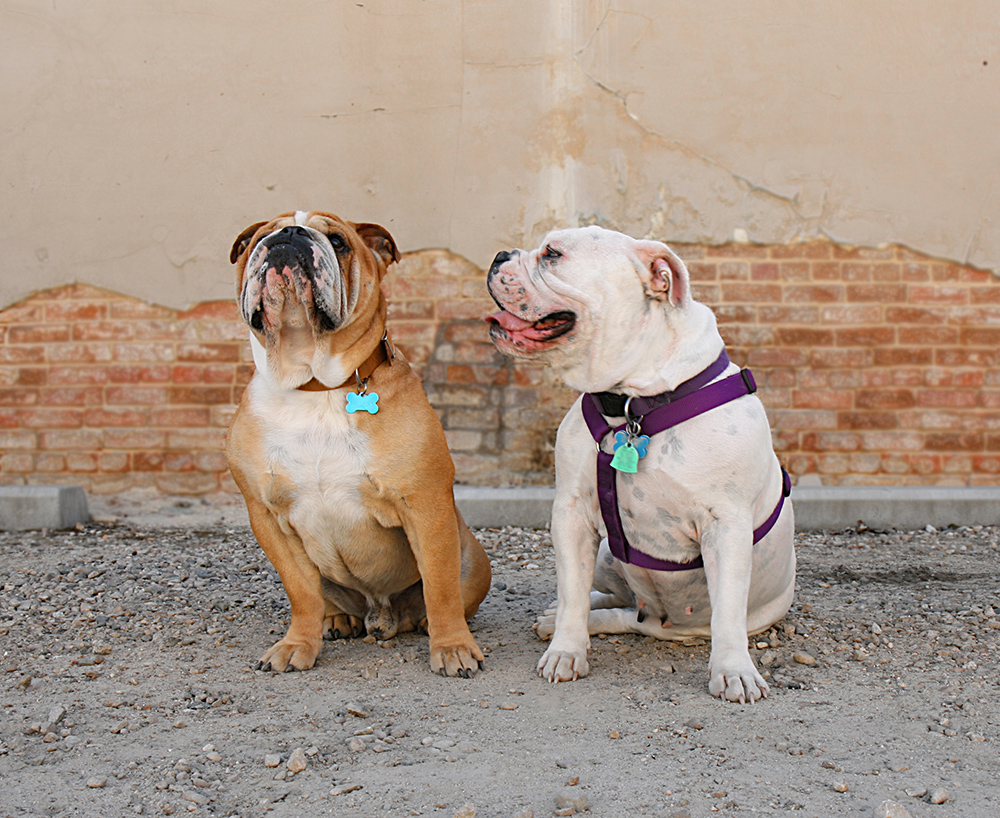
Should you buy a dog collar or harness for your new puppy? The answer depends on many factors, but mainly your dog's behavior. A harness might be best if you have a young puppy inexperienced on a leash. If you have an older pup used to walking, a collar might be more comfortable. Honestly, there are pros and cons to both items.
Pros of Using a Dog Collar
Dog collars are practical and common. The design is practical, allowing for the prominent placement of ID, license, and rabies tags.
Despite the commonality of dog collars, they do come in a variety of styles. Flat collars are the most basic and affordable collars for dogs and are best for dogs that behave on a leash. Limited slip collars, or martingale collars, are the best options for dogs with necks about the size of their heads, allowing them to easily slip out of flat collars. Finally, rolled collars are more comfortable for your dog and won't cause the fur underneath to matt or flatten.
Most dog training, especially for puppies, is done best with a flat collar and a four-foot leash. The shorter leash gives you more control and helps the pup understand where it is supposed to walk. With the right tools and positive reinforcement, a regular flat collar should be enough to develop positive walking habits.
Finally, collars are made for easy wear. An owner can remove a collar with one hand and put it on just as quickly. Also, collars can give an owner better control on a walk, depending on the size of the dog.
Cons of Using a Dog Collar
A collar is not the best option for all dogs; for instance, greyhounds and whippets usually have a head that is narrower than their necks, meaning they easily slip out of standard collars.
You need to measure correctly when fitting a dog collar because if it is too loose, it will slip off; if it is too tight, it can hurt the dog. Collars are commonly associated with throat damage, back pain, discomfort, and other injuries.
Types of Collars To Buy
If you choose to buy a collar for your dog, make sure you get the right size and fit it properly. Also, do not buy corrective collars like chokers or pronged collars. Experts suggest a basic flat collar for most dogs, such as:
1. Barking Basics Dog Collar: No one says a dog collar has to be expensive to be effective. The Barking Basics Dog Collar is a simple, solid color design with a quick-snap buckle.
2. Love Bug Nylon Dog Collar: If you want to add a bit of flair to your dog's style, choose the whimsical Love Bug Nylon Dog Collar. With colorful red and black lettering on a white background, the collar is sure to stand out.
3. Conversation Hearts Widget Collar: A durable and cute collar for the furry fashionista in your life, the Conversation Hearts Widget Collar is a real conversation starter. The collar has several metal widgets with cute sayings, such as "Love Ya."
Pros of Using a Dog Harness
A dog harness can be a more comfortable option for your dog and help prevent it from slipping out while on a walk. It can also help younger dogs learn to walk on a leash without fussing over the collar connection. If you choose a front-clip harness, it can help to prevent pulling.
A dog harness also helps to prevent common injuries that can occur when using a dog collar. Also, a harness prevents the leash from getting tangled up underneath the dog's legs.
Cons of Using a Dog Harness
The major drawback to a dog harness is it can be more challenging to put on and take off. Also, if you select a dog harness that connects to a leash on the back, it can train your dog to pull, which you don't want.
Sizing is also very important when considering a dog harness because if it is too large, a dog can wiggle free, but if it is too small, it can be painful. Also, harnesses can be uncomfortable in hotter weather. Finally, a harness may make walking more challenging because it may require more physical strength from you while walking, depending on the size of the dog.
Types of Harnesses To Buy
You can choose from many styles of dog harnesses, but you primarily have two options: front clip and back clip. A front clip harness may also be called a no-pull harness, and it is an excellent option for younger dogs that haven't learned to walk correctly. A back clip harness will give your dog more control and may train them to pull. Experts recommend trying various styles to see what works best for your dog. Some of the best options include:
1. Tempo No-Pull Dog Harness by RC Pets: This no-pull harness provides two connection points for ultimate control, and a back loop provides pressure to restrict pulling. The front loop redirects your dog's attention.
2. Front Range Dog Harness by RuffWear: The RuffWear dog harness includes four adjustment points to ensure your dog is comfortable and secure. It also has two connection points: an aluminum V-ring on the back and a reinforced webbing loop on the front.
3. Moto Control Dog Harness: The manufacturer says that the Moto Control Dog Harness is a chest protector, car restraint, and soft walking harness all in one. The harness includes a two-point connection and four adjustment points for control and comfort.
As a dog owner, you are the only one who can decide whether a collar or harness is right for your pet. The main things you need to consider are comfort and control.