Save 15% on your 1st Autoship learn more

 Email us
 Live Chat
 FAQs
FAQs





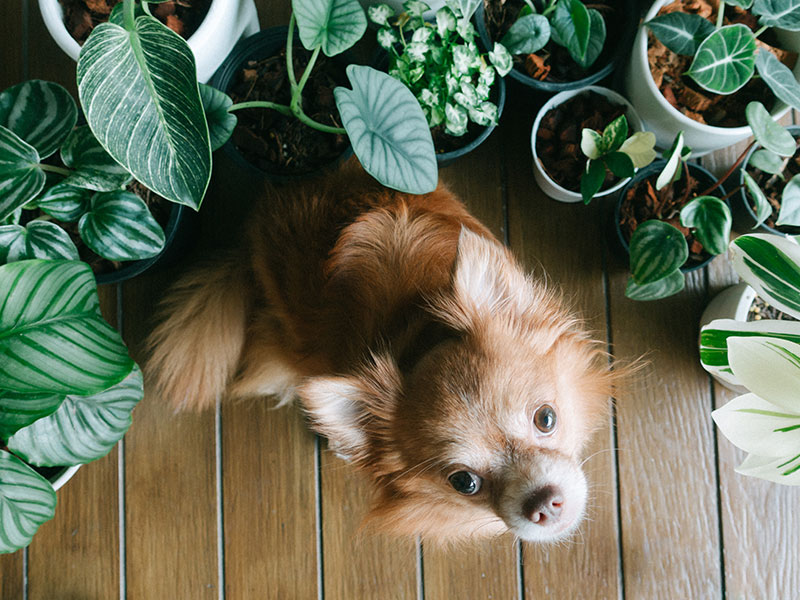
When the holiday season arrives, decorating your home in a festive manner is probably high on your list of seasonal tasks. Along with tinsel, garland and blinking lights, you might also use a variety of beautiful holiday plants. However, some of these beautiful plants can also pose a serious health hazard to dogs, cats and small mammals. Because these plants and curious animals do not mix, there are a few plants you may want to avoid having in your home this holiday season.
1. Poinsettias
These plants, with their beautiful red leaves, are a holiday tradition for many people and are often given as gifts. Despite their attractive appearance, the leaves of this plant can cause severe digestive upset for both dogs and cats when ingested. The sap from the leaves can also irritate the mouth and throat, causing a burning sensation to the gums and tongue.
You can replace authentic potted poinsettias with fabric selections, many of which look like the real thing. If you simply cannot resist the appeal of real plants, place them in rooms that are off-limits to your pets or place them on high shelves where you can admire them safely.
2. Mistletoe
Mistletoe is a festive holiday plant that is commonly hung over doorways or from the ceiling, where it incites couples to share a kiss. The presence of this plant is common at holiday gatherings, but if it happens to fall within reach of your pet, the results could be disastrous. If your dog or cat happens to eat mistletoe, it could cause hallucinations, breathing problems and low pressure that could lead to death.
To protect your pets, use imitation mistletoe for decorating or hang it in a room you can close off to your dog or cat. While hanging it out of reach can be helpful, accidents may happen, so it is a good idea to avoid having this plant in your home at all during the holidays.
3. Pine Needles
Few Christmas plants are as beautiful and awe-inspiring as a natural pine tree for your living room or den. Heading to the local tree lot to pick out that perfect pine might even be a holiday tradition for your family, but if you have pets, there are a few issues to watch for if you choose a real tree. Pine needles and tree sap can cause a variety of medical issues in your pet when ingested, including:
-
Heavy drooling
-
Gum irritation
-
Internal bleeding
If you still want to enjoy the beauty of a real tree, you can use a “keep away” spray that discourages pets from sampling the tree. Deterrent spray, along with a barrier that prevents your pets from getting too close to the Christmas tree, can help keep them safe.
A sturdy barrier around the base of the tree can also prevent your pets from drinking its water, which may contain bacteria that could cause vomiting and other stomach upset. You may want to place your tree in an area that your pets do not visit often to reduce this risk.
4. Lily Flowers
Much like poinsettias, lilies are a common holiday gift and used as decor. Despite their beauty, though, they can pose an especially serious danger to your cat. Lilium and Hemerocallis types are especially toxic and cause your pet to convulse or experience an uneven heart rhythm, even in small amounts.
If you happen to receive lilies as a gift, consider putting them on a high shelf at home or take them to your office so your cats do not eat them. While not all cats are attracted to live plants, kittens and young cats may become curious and chew on the leaves.
5. Christmas Cactus
The spiny needles of this plant and your pets do not mix. While the plant itself is not toxic, the spines could poke sensitive paw pads and noses. Larger dogs that can chew past the needles and ingest the inside of the cactus may experience stomach upset, loss of appetite and vomiting.
Imitation Christmas cactus can appear just as attractive as the real thing and prevent your pets from ingesting the needles. Remember, something as simple as leaving your pets unattended for a few minutes can end with an emergency vet visit, so keeping an especially watchful eye on them during the holidays can keep them safe.
6. Holly
Holly is another plant that goes hand in hand with Christmas, and it makes for a lovely decor item. Despite its beauty, though, it is toxic when swallowed. Both dogs and cats, as well as small mammals, can show signs of extreme lethargy, vomiting and diarrhea.
If you suspect that your dog or cat ingested holly, try to get them to your vet as soon as possible. The quicker you seek treatment, the better the chances your pet can make a full recovery.
7. Amaryllis
This beautiful flowering plant also goes by the names Belladonna and Saint Joseph, but despite its attractiveness, it is also quite toxic to all types of pets. It can cause severe drooling, abdominal pain and tremors. Because of the danger it can present, it is a good idea to choose a different flowering plant for your holiday decorating.
Christmas is a time for joy and for the family to spend time together, including your pets. Understanding which holiday plants might pose a threat to them can help you avoid an emergency vet visit and focus on all the fun the season has to offer.