
 Save 15% on your 1st Autoship learn more

 Email us
 Live Chat
 FAQs





Introduction
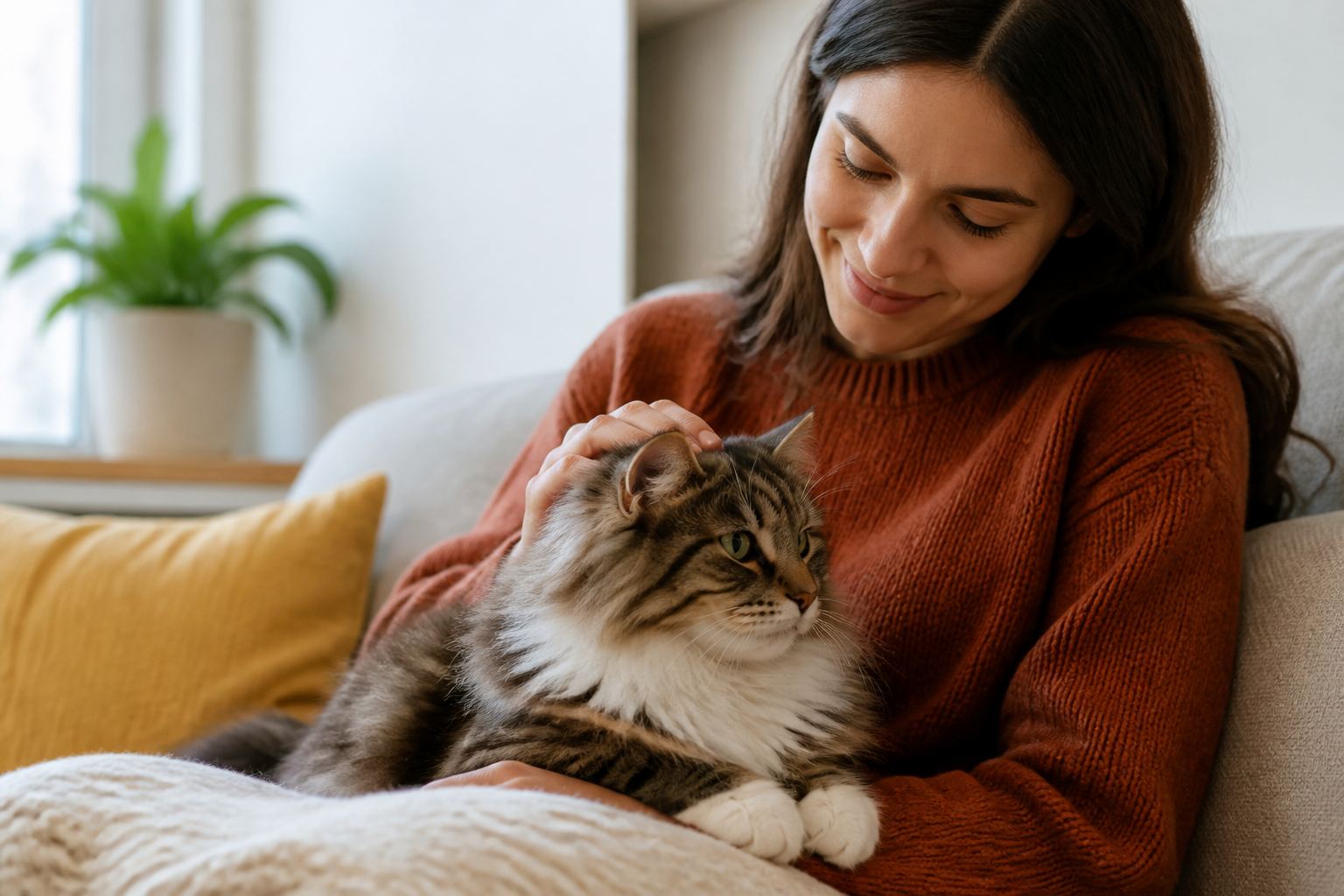
You are petting your cat on a sunny afternoon when you notice a dusting of white flakes along their lower back. It looks like a light sprinkle of salt against their dark fur. While a few flakes might seem like a minor cosmetic issue, persistent dandruff often signals that your cat's skin needs more support. At BaxterBoo, we know that a healthy coat starts from the inside out. This post covers how specific vitamins and oils can improve skin health and when those flakes might require a trip to the veterinarian. We will help you identify the best cat dandruff supplements and lifestyle changes to keep your feline friend comfortable and flake free. Understanding the connection between nutrition and skin integrity is the first step toward a sleek, shiny coat.
What Exactly Is Cat Dandruff?
Dandruff consists of dead skin cells that have clumped together and shed from the body. It is different from dander. Dander is made of microscopic skin cells that all cats shed naturally. You usually cannot see dander with the naked eye. Dandruff is visible and often feels slightly gritty or waxy to the touch.
When a cat's skin is healthy, the outer layer creates a waterproof barrier. This barrier keeps moisture in and irritants out. If the skin lacks certain nutrients or is exposed to dry air, this barrier weakens. The skin becomes dry, irritated, and prone to flaking. In some cases, the skin may overproduce oil to compensate for dryness, leading to a greasy type of dandruff.
Quick Answer: Cat dandruff is the visible shedding of dead skin cells caused by dry skin, poor grooming, or nutritional gaps. It is best managed with omega-3 fatty acids, regular brushing, and moisture-rich diets.
Cat Skin & Coat Care





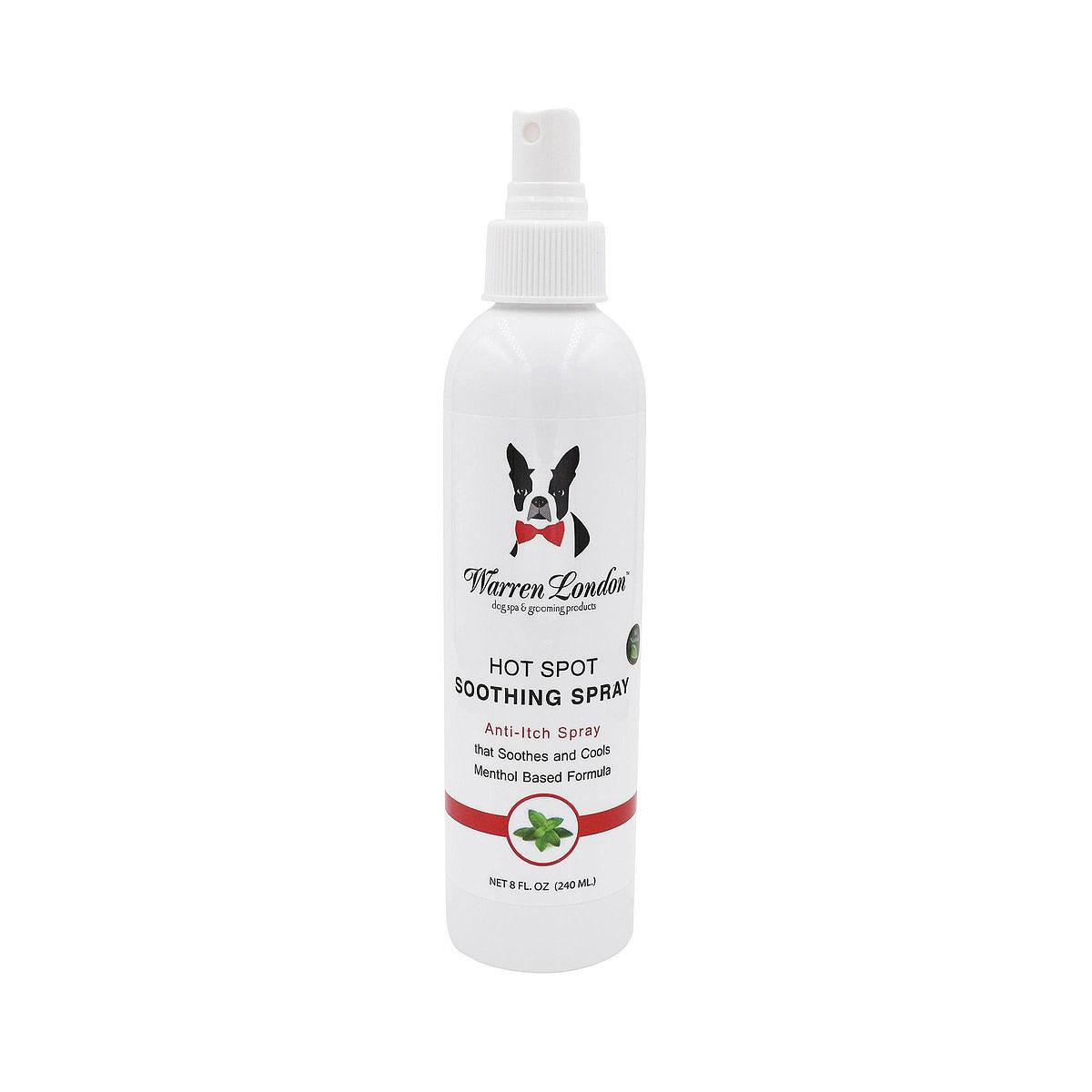

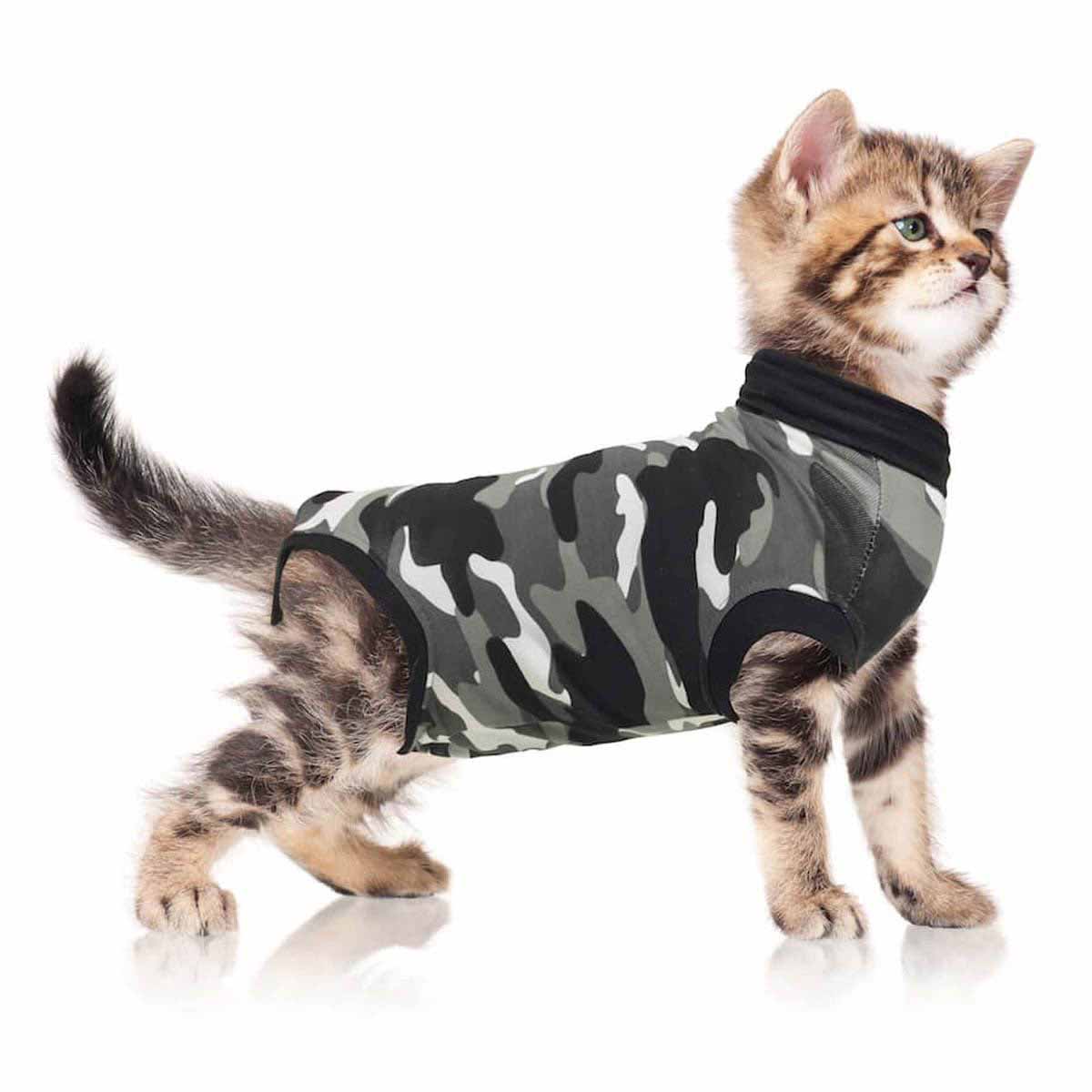


The Role of Cat Dandruff Supplements
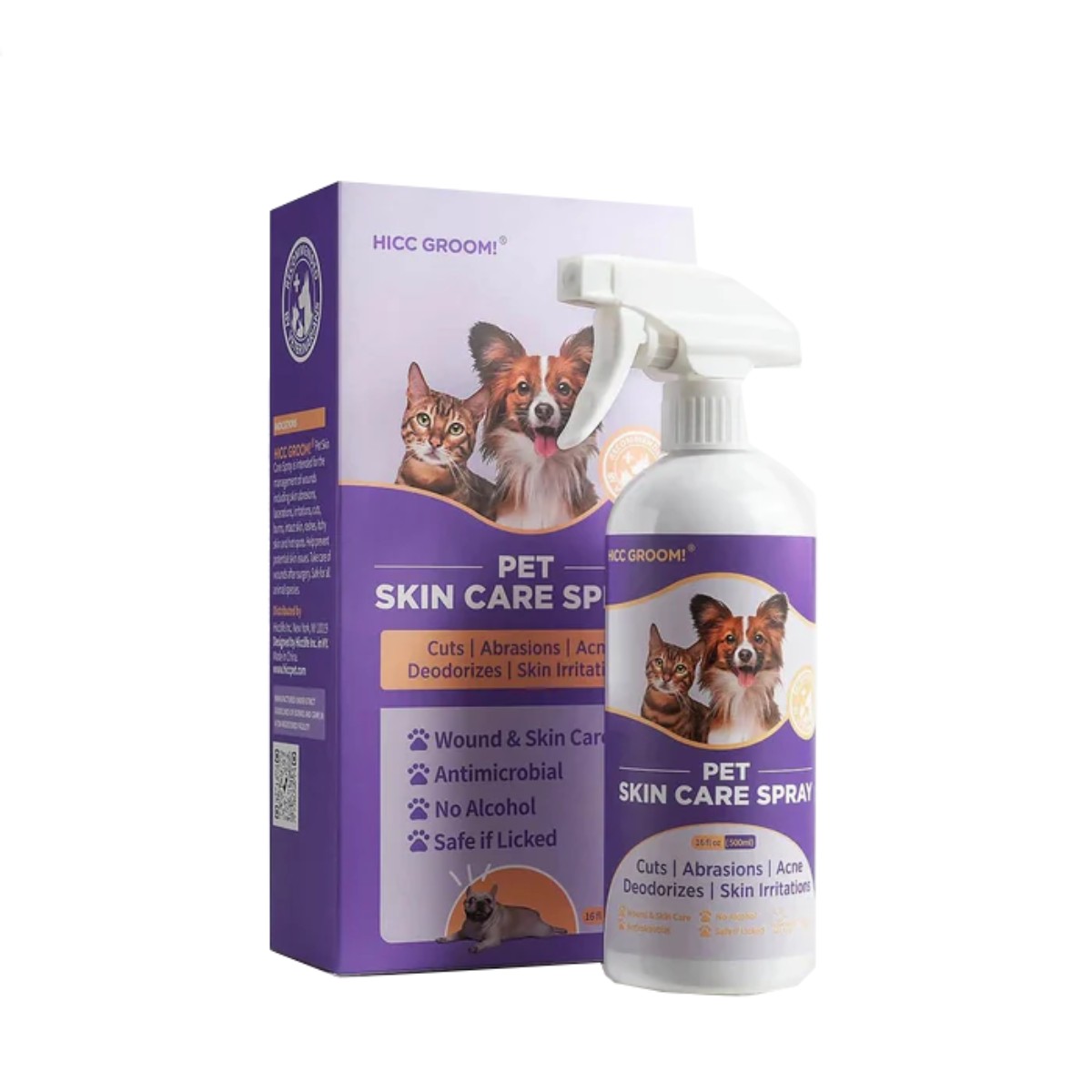
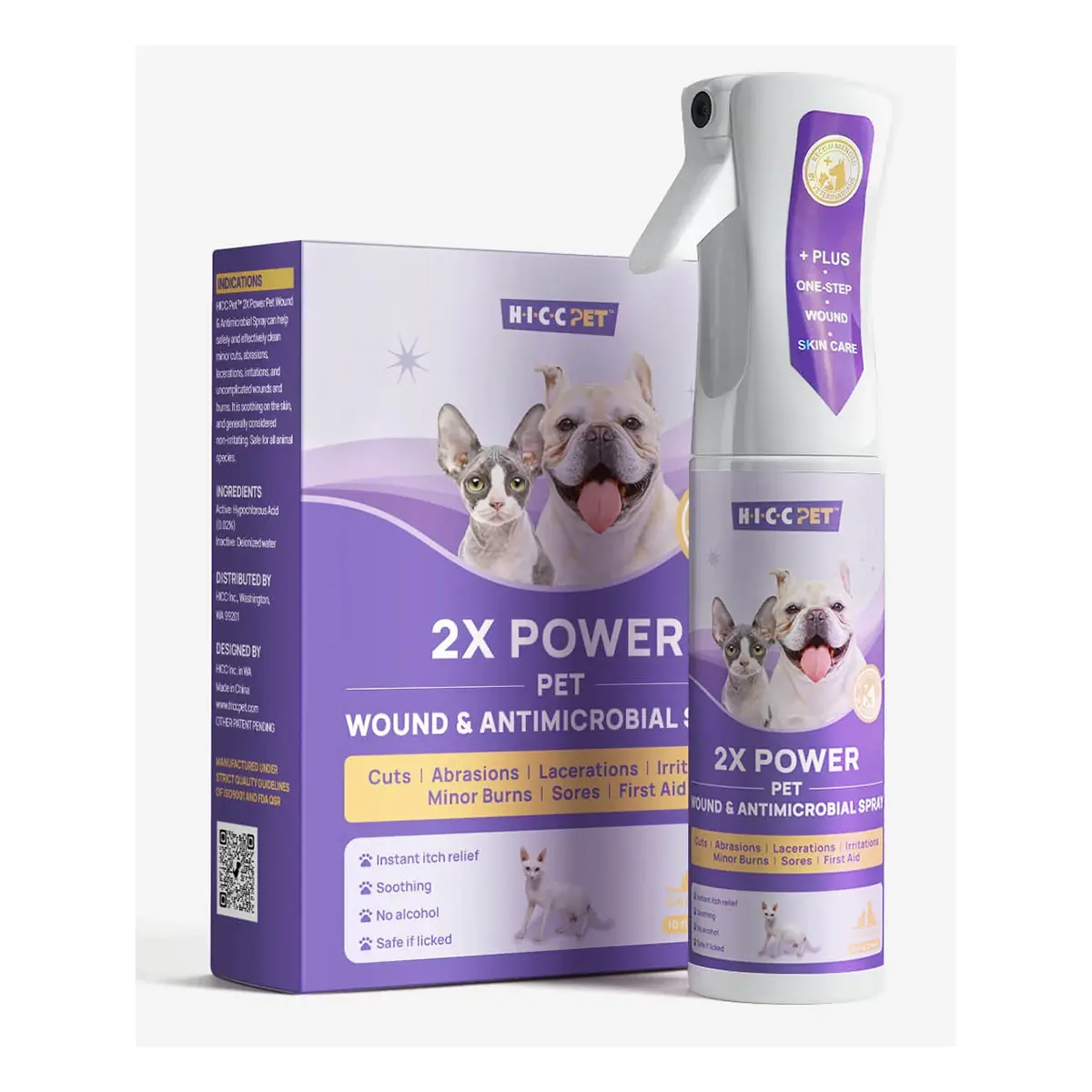
Supplements provide the building blocks the body needs to repair the skin barrier. While most commercial cat foods are balanced, some cats have higher requirements for certain nutrients. This is especially true for senior cats or those with naturally dry skin. Explore our cat skin and coat supplements for options designed around feline wellness needs.
Omega-3 Fatty Acids
Omega-3 fatty acids are the gold standard for skin health. These essential fats help reduce inflammation in the skin. They also help the skin cells retain moisture. Most fish oils, such as salmon oil or pollock oil, are rich in EPA and DHA. These specific fatty acids support the lipid layer of the skin.
We carry several high quality fish oil options from brands like Grizzly and Zesty Paws. Adding a pump of oil to your cat's wet food is an easy way to boost their intake. It often makes the food more palatable for picky eaters too. One option is Zesty Paws Wild Alaskan Salmon Oil Skin & Coat Supplement, available alongside other skin-support products.
Biotin and Zinc
Biotin is a B-vitamin that plays a role in the production of keratin. Keratin is the protein that makes up the hair and the outer layer of the skin. A deficiency in biotin can lead to brittle fur and scaly skin. Zinc is a mineral that helps with cell division and wound healing. Together, these nutrients ensure that the skin regenerates properly without excessive flaking.
Vitamin E
Vitamin E is a powerful antioxidant. It protects skin cells from oxidative stress and environmental damage. It is often included in skin and coat chews to help stabilize the other oils and provide a direct benefit to the skin's surface.
Key Takeaway: Supplements like fish oil and biotin work by strengthening the skin's natural moisture barrier from the inside. Consistent use over four to six weeks is usually necessary to see a visible change in the coat.
Choosing the Right Delivery Method
Not every cat will accept a pill or a tablet. Fortunately, supplements come in several forms to suit different personalities.
- Liquid Oils: These are usually sourced from fish. They can be mixed directly into wet food. They are excellent for cats who enjoy fishy flavors.
- Soft Chews: Brands like Zesty Paws and Stella & Chewy's offer treats that are infused with skin-supporting ingredients. These feel like a reward rather than a treatment.
- Powder Toppers: These can be sprinkled over food. They often contain a blend of vitamins, minerals, and probiotics.
- Freeze-Dried Raw Morsels: Some formulas, like Stella’s Solutions Skin & Coat Boost, use raw ingredients to provide concentrated nutrition in a form cats naturally crave.
When Dandruff Indicates a Health Issue
Sometimes, flakes are a symptom of an underlying medical condition rather than just dry skin. It is important to distinguish between simple dryness and systemic health problems.
Walking Dandruff
If the flakes on your cat's back appear to be moving, they might not be dandruff at all. Cheyletiella mites are small white parasites that live on the skin's surface. They are often called walking dandruff because of their appearance. This condition requires specific anti-parasitic treatment.
Mobility and Aging
Senior cats often develop dandruff because they can no longer reach certain parts of their body. Arthritis makes it difficult for them to twist and groom their lower back or base of the tail. When dead skin cells are not groomed away, they build up and become visible. In these cases, supplements that support both joints and skin can be very beneficial.
Metabolic Conditions
Diabetes, hyperthyroidism, and kidney disease can all affect the quality of a cat's coat. These illnesses change how the body processes nutrients and stays hydrated. If your cat has dandruff along with increased thirst, weight loss, or changes in appetite, a vet visit is essential.
Vet Tip: If your cat's dandruff is accompanied by redness, hair loss, or intense itching, consult your veterinarian. These signs may indicate an infection or parasites that require prescription medication rather than just supplements.
The BaxterBoo Pharmacy Connection
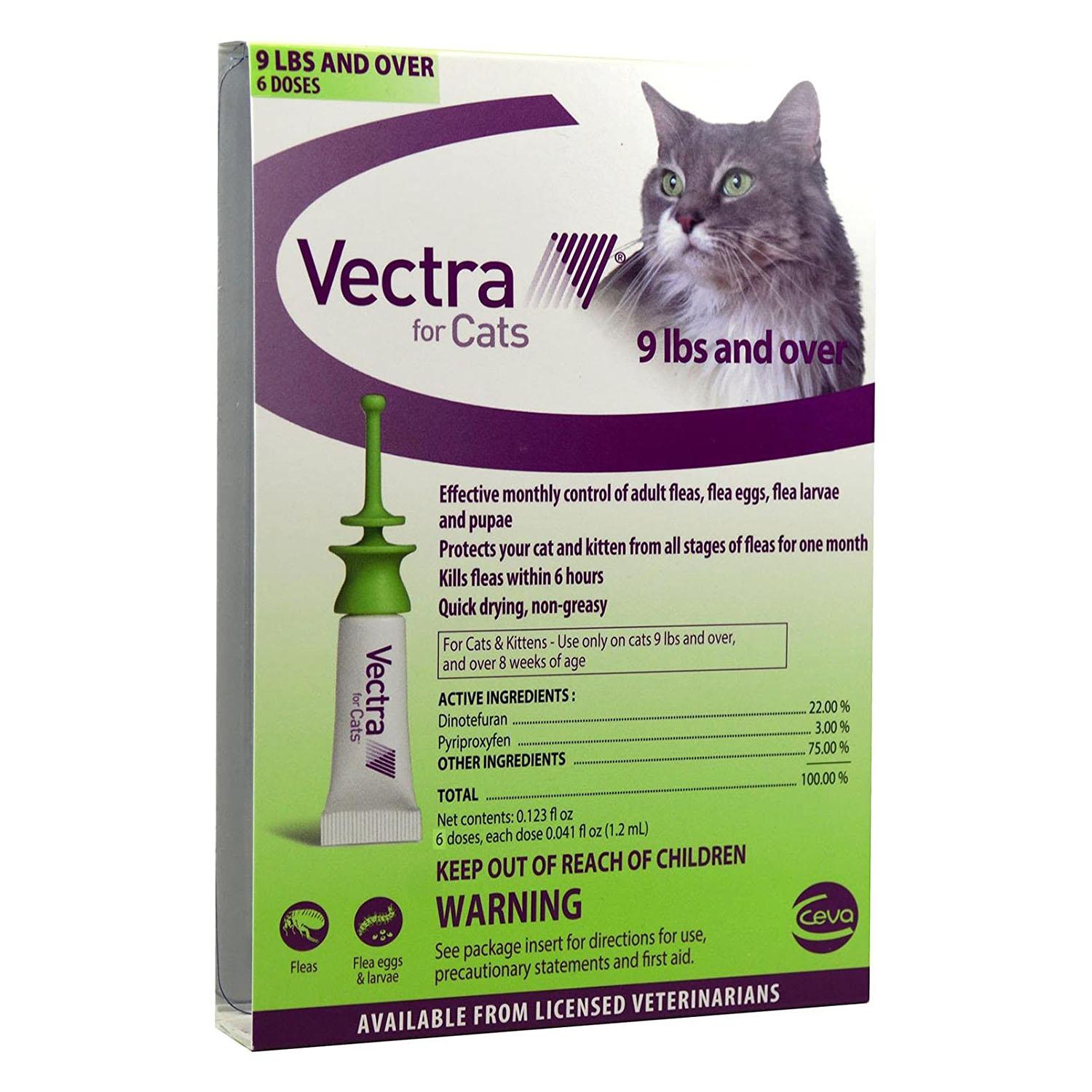
If your veterinarian determines that your cat's dandruff is caused by an allergy, infection, or parasites, you may need medical intervention. Our cat pharmacy offers FDA-approved medications and prescription pet foods through our partnership with Pet's Choice.
This includes flea and tick preventatives that protect against mites. It also includes prescription diets formulated for cats with severe skin sensitivities. Having access to a pharmacy alongside your favorite treats and supplements makes it easier to manage your cat's health in one place. We aim to be a total resource for your pet's wellness journey.
Supporting the Skin Through Diet and Hydration
Supplements work best when the foundation of the diet is solid. Cats are biologically designed to get most of their moisture from their food. If a cat eats only dry kibble, they may live in a state of mild, chronic dehydration. This can show up first in the skin. Browse our cat food selection when you are looking for more dietary options.
Incorporating Wet Food
Switching even one meal a day to wet food can significantly increase your cat's water intake. Brands like Tiki Cat, Fussie Cat, and Weruva offer high protein, high moisture options. The extra hydration helps keep the skin cells plump and less likely to flake off. For a specific high-moisture option, consider Petcurean Now Fresh Senior Grain-Free Wet Cat Food.
Clean Water Access
Encourage drinking by providing fresh water in multiple locations. Many cats prefer running water over standing water. Using a pet fountain can entice them to drink more throughout the day. Better hydration leads to better circulation and healthier skin.
Weight Management
Obese cats often have dandruff on their lower backs because they cannot reach that area to groom. If your cat is carrying extra weight, a weight management plan is a vital part of skin care. We carry weight-focused diets like Farmina Vet Life that can help your cat reach a healthy size.
Environmental Changes to Reduce Flakes
The air inside your home can also strip moisture from your cat's skin. This is a common problem during the winter months when heaters are running.
- Use a Humidifier: Adding moisture back into the air can prevent your cat's skin from drying out. This is helpful for your own skin and respiratory health too.
- Limit Baths: Most cats do not need regular baths. Frequent bathing with harsh soaps can strip away the natural oils that protect the skin. If you must bathe your cat, use a moisturizing shampoo specifically formulated for felines.
- Regular Brushing: Brushing is the most effective way to remove dandruff manually. It also stimulates the skin to produce natural oils. Use a soft bristle brush or a grooming glove for a gentle experience. Find brushes, combs, wipes, and shampoos in our cat grooming supplies.
Step-by-Step Plan for Managing Cat Dandruff
If you are ready to tackle those white flakes, follow this simple routine to restore your cat's coat.
Step 1: Consult your veterinarian. / Ensure there are no underlying infections or parasites like mites that require medical treatment.
Step 2: Introduce a high quality fish oil. / Start with a small dose of salmon or pollock oil mixed into their wet food to boost omega-3 intake.
Step 3: Increase hydration. / Add more wet food to their diet or set up a water fountain to encourage consistent drinking.
Step 4: Establish a brushing routine. / Brush your cat for five minutes every other day to distribute skin oils and remove dead cells.
Step 5: Monitor for changes. / Check the skin every week. It often takes a full month for new, healthier skin cells to reach the surface.
Essential Items for Your Cat's Skin Care Kit
Building a grooming and wellness kit can make it easier to stay consistent. Consistency is the secret to getting rid of dandruff for good.
- A Fine-Toothed Comb: Great for removing existing flakes and checking for fleas or mites.
- Salmon Oil or Omega Chews: These provide the internal support needed for a healthy skin barrier.
- A Humidifier: Essential for dry climates or cold winters.
- Moisturizing Cat Wipes: These can be used to gently clean the coat between thorough brushings.
Bottom line: Combining internal supplements with external grooming and proper hydration is the most effective way to eliminate cat dandruff.
Understanding the Timeline for Results
One common mistake pet owners make is giving up on supplements too soon. Skin cells take time to regenerate. When you start a fish oil or a vitamin supplement, you are supporting the cells that are currently being formed deep in the skin layers. These cells will not be visible on the surface for several weeks.
Most owners begin to see a shinier coat and fewer flakes after about 30 days of consistent supplementation. If you do not see an improvement after six weeks, it may be time to revisit the veterinarian. There might be a deeper nutritional deficiency or an environmental allergy that needs to be addressed. For broader guidance on selecting supplements, read our pet supplement guide.
Helping Senior Cats Stay Comfortable
Senior cats deserve special attention when it comes to skin health. As cats age, their skin becomes thinner and less elastic. Their grooming habits often decline due to stiffness.
For these cats, dandruff is often a sign of discomfort. Adding a joint supplement like Cosequin alongside a skin and coat oil can provide a double benefit. When a cat feels less stiff, they are more likely to groom themselves. Using a soft grooming glove can also mimic the sensation of grooming without putting pressure on sensitive joints.
Transitioning to New Supplements
When adding anything new to your cat's diet, go slowly. Cats have sensitive digestive systems. A sudden influx of oil can sometimes lead to soft stools.
Start with a quarter of the recommended dose of fish oil for the first few days. Gradually increase the amount over a week until you reach the full dose. This allows your cat's gallbladder and digestive enzymes to adjust to the increased fat content. Most cats enjoy the taste of fish oils, so the transition is usually quite smooth.
Conclusion
Cat dandruff is a common issue, but it does not have to be a permanent one. By focusing on high quality supplements, better hydration, and a gentle grooming routine, you can help your cat feel their best. We offer a wide range of products to support your cat's skin and coat health, from premium fish oils to specialized grooming tools.
- Start with an omega-3 supplement to support the skin barrier.
- Incorporate more wet food to improve overall hydration.
- Use regular brushing to stimulate oil production and remove flakes.
- Consult your vet if you notice redness, itching, or behavioral changes.
Key Takeaway: A multi-faceted approach involving nutrition, environment, and veterinary guidance is the best way to ensure your cat's skin stays healthy and flake free.
If your cat's skin issues persist or require a specific prescription diet, visit our cat pharmacy. We are here to provide the medications and expert-curated products your pet needs for a long, healthy life.
FAQ
Can I use human dandruff shampoo on my cat?
No, you should never use human dandruff shampoos on cats. These products often contain ingredients like zinc pyrithione or selenium sulfide which can be toxic if your cat licks their fur. Cats have a different skin pH than humans, and human products can cause severe irritation or chemical burns. Always use a shampoo specifically formulated for felines.
How long does it take for supplements to fix cat dandruff?
It typically takes four to six weeks to see a significant difference in your cat's skin and coat. This is because supplements work on the new skin cells being formed under the surface. You must wait for those healthy cells to grow and replace the old, dry ones. Consistency is key during this period to see the best results.
Is fish oil the only supplement that helps with dandruff?
While fish oil is the most popular choice, other nutrients like biotin, zinc, and vitamin E also play vital roles. Probiotics can even help by supporting the immune system and reducing skin inflammation from the inside out. Many skin and coat treats combine these ingredients into one formula for a more comprehensive approach to skin health.
Why does my cat only have dandruff on the base of their tail?
Dandruff concentrated at the base of the tail is often a sign of limited mobility. Cats who are overweight or have arthritis often struggle to reach this specific spot during grooming. Without the mechanical action of grooming, dead skin cells and natural oils build up and flake off. Helping your cat with regular brushing in this area can solve the problem.






- Site & Contents BaxterBoo.com. BaxterBoo is located in the United States.
- Privacy & Security
- Terms of Use
- Accessibility Statement
