
 Save 15% on your 1st Autoship learn more

 Email us
 Live Chat
 FAQs





Introduction
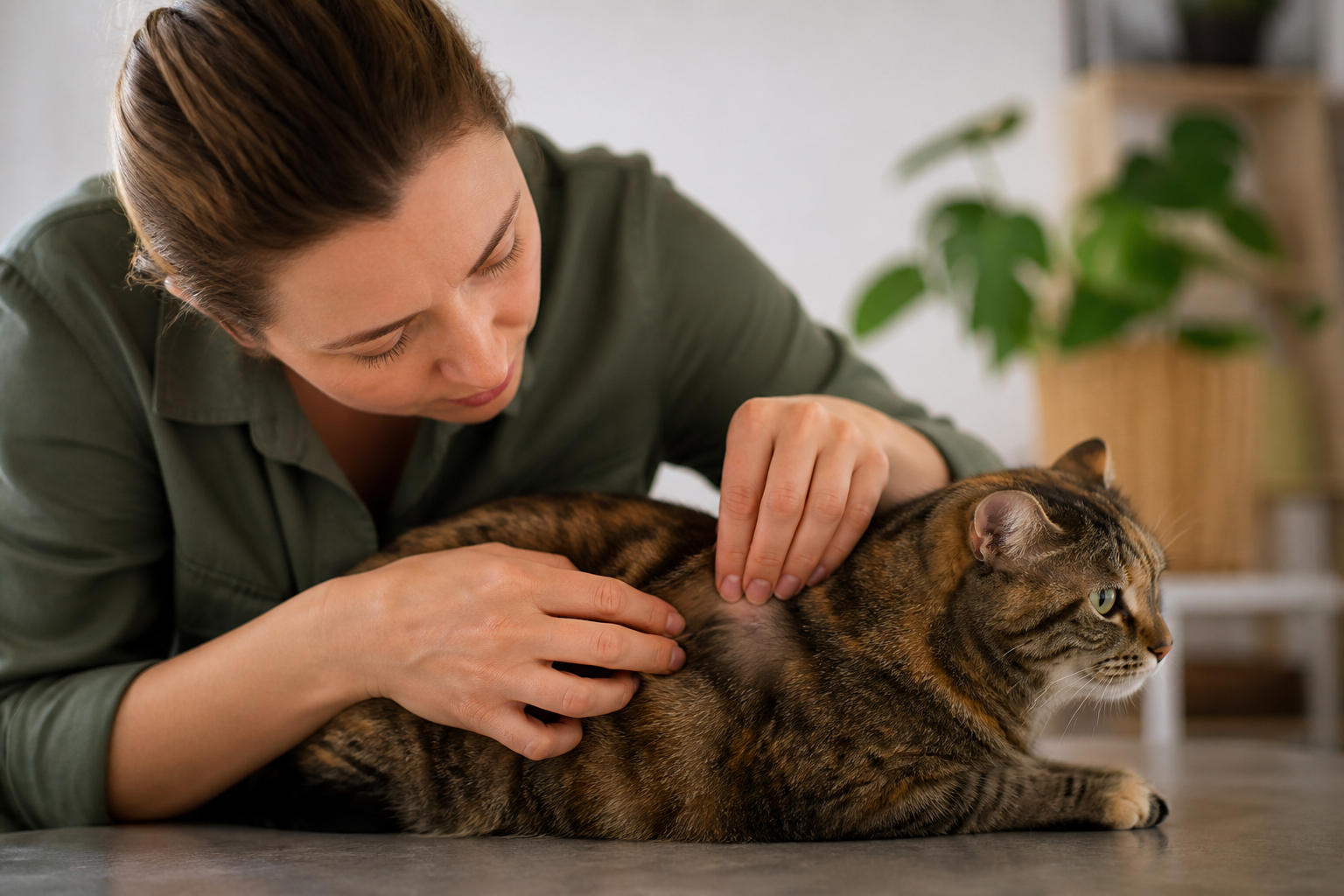
You might be brushing your cat when you notice small white flakes scattered across their dark fur. Your first thought might be that they simply have dry skin. However, flaky skin can also be a primary sign of a fungal infection. At BaxterBoo, we understand that changes in your cat’s coat can be worrying. This article explains the difference between common cat dandruff and ringworm. We will look at why these conditions happen, what symptoms to watch for, and how to manage your cat's skin health. Understanding whether those flakes are a minor grooming issue or a contagious fungus is the first step toward effective care.
Quick Answer: Cat dandruff is often caused by dry air or poor grooming, while ringworm is a fungal infection that creates scaly, flaky skin alongside circular bald patches. Because ringworm is contagious to humans and other pets, a veterinary diagnosis is essential to distinguish between the two.
Understanding Feline Dandruff
Dandruff occurs when the skin’s natural process of renewal goes into overdrive. The skin is the largest organ on a cat's body. It acts as a protective barrier against the outside world. To stay healthy, the skin constantly produces new cells and sheds old ones. This process is called keratinization. Under normal circumstances, you should not see these dead cells. They are microscopic and fall away during regular grooming.
When a cat has dandruff, this process is disrupted. The sebaceous glands in the skin produce oils to keep the coat moisturized. If these glands produce too much oil, it can cause skin cells to clump together and flake off. If they produce too little, the skin becomes dry and brittle. Both scenarios result in visible white specks in the fur.
Dandruff is rarely a primary disease. It is almost always a symptom of an underlying issue. This might be as simple as low humidity in your home or as complex as a systemic health condition. Before you can fix the flakes, you must identify what is triggering the abnormal cell turnover. Our cat healthcare products can support a broader wellness routine while you work with your veterinarian to identify the cause.
Key Takeaway: Dandruff is a sign of a disrupted skin renewal process. It typically indicates an underlying health or environmental issue rather than being a standalone condition.
Cat Skin & Coat Care













What is Ringworm?
Despite the name, ringworm has nothing to do with worms. It is a fungal infection known as dermatophytosis. The fungi responsible are called dermatophytes. These organisms thrive on keratin. Keratin is the protein found in the outer layer of the skin, the hair, and the nails. As the fungi consume this protein, they grow and reproduce.
The most common fungus involved in feline ringworm is Microsporum canis. This fungus is highly resilient. It produces tiny spores that can live in the environment for a year or more. These spores cling to furniture, bedding, and carpet. When a cat comes into contact with these spores, the fungus can take root in the hair follicles.
Ringworm is zoonotic. This means it can spread from cats to humans. It also spreads easily to dogs and other pets in the household. Because the symptoms of ringworm often include scaling and flakiness, it is very easy to mistake it for simple dandruff.
Vet Tip: If you notice circular hair loss or "cigarette ash" flakiness on your cat, isolate them from other pets and wash your hands thoroughly after handling them. Consult your veterinarian immediately for a fungal culture or PCR test to confirm if it is ringworm.
Comparing Ringworm and Cat Dandruff Symptoms
It can be difficult to tell the difference between these two conditions just by looking. However, there are specific patterns to watch for. Common dandruff usually appears as a fine dust throughout the coat. It is often most visible along the lower back and near the base of the tail.
Ringworm flakiness tends to be more localized. You might see a patch of skin that looks particularly crusty or scaly. These areas are often accompanied by other structural changes in the coat.
Signs of Common Dandruff
- Fine, white specks that move easily through the fur.
- Skin that feels generally dry or slightly oily.
- Flakes that appear mostly when the cat is brushed or moves.
- Minimal redness or inflammation.
Signs of Ringworm
- Circular patches of hair loss (alopecia).
- Broken, stubbly hairs that look like they were chewed off.
- Thick, crusty scales that look like grey ash.
- Inflamed red bumps or "rings" on the skin.
- Nails that are brittle, warped, or pitted.
While common dandruff might cause some light itching, ringworm can lead to intense scratching or overgrooming. If your cat is focusing their grooming on one specific scaly patch, it is more likely to be an infection or a parasite than general dry skin.
Why Cats Get Common Dandruff
If your veterinarian has ruled out a fungal infection, you can look into lifestyle and environmental factors. Several common issues lead to a flaky coat. Addressing these often resolves the dandruff without the need for intensive medication.
Environmental Factors
Dry air is a major culprit for feline skin issues. During the winter months, indoor heating systems strip moisture from the air. This dries out the cat's skin. You may notice more dandruff in December than you do in July. Using a humidifier in the rooms where your cat spends the most time can help.
Grooming Struggles
Cats are meticulous groomers. They use their rough tongues to remove dead skin and distribute natural oils. If a cat cannot groom themselves properly, skin cells build up. This leads to matting and dandruff. This is common in senior cats with arthritis or cats that are overweight. They simply cannot reach their middle or lower back. Gentle brushing tools and other supplies are available in our cat grooming collection.
Nutritional Deficiencies
The skin and coat require a lot of protein and specific fats to stay healthy. In fact, a cat uses up to thirty percent of its daily protein intake just to maintain its skin and hair. If their diet is low in high quality protein or essential fatty acids, the skin barrier weakens. This results in dryness and flaking.
The Role of External Parasites
Some parasites create a condition that looks exactly like dandruff. The most famous is Cheyletiella, also known as "walking dandruff." These are large, light colored mites that live on the skin's surface. When they move under the scales of the skin, it looks like the dandruff is moving on its own.
Fleas can also contribute to flakiness. Many cats have flea allergy dermatitis. When a flea bites them, their immune system overreacts. This causes intense inflammation, redness, and scaling. Even a single flea bite can trigger a massive skin reaction in sensitive cats.
Using a consistent flea and tick preventative is the best way to rule out parasites as a cause for flakes. We carry a variety of options in our cat flea and tick collection. Preventing these pests protects the skin barrier and reduces the risk of secondary infections.
How Ringworm is Diagnosed
You should never try to diagnose ringworm at home. It looks too much like other skin conditions, such as bacterial infections or even certain types of skin cancer. A veterinarian has several tools to confirm the presence of the fungus.
First, they may use a Wood’s lamp. This is a specialized ultraviolet light. In many cases of Microsporum canis, the fungus will glow a bright, apple green color under the light. However, not all ringworm glows. A negative result under the lamp does not mean the cat is clear.
The most reliable method is a fungal culture or a PCR test. The vet will take a small sample of hair and skin scales. The PCR test looks for fungal DNA and provides results quickly. A culture involves watching the sample for growth over one to two weeks. These tests are essential because they tell the vet exactly which fungus is present. This helps determine the best course of treatment.
Bottom line: Only a veterinarian can accurately distinguish ringworm from other skin conditions through professional diagnostic testing.
Treatment Options for Ringworm
If your cat is diagnosed with ringworm, treatment usually follows a two-pronged approach. You must treat the cat’s body and the environment. Because the spores are so hardy, stopping the infection on the cat is not enough if the spores are still in your carpet.
Topical Therapy
Veterinarians often prescribe medicated shampoos, creams, or dips. Lime sulfur dips are a traditional treatment. While they have a strong smell, they are very effective at killing spores on the hair shafts. Medicated shampoos containing miconazole and chlorhexidine are also common. These treatments help prevent the cat from shedding more infective spores into your home.
Oral Medications
For most cats, topical treatment is not enough. Systemic oral antifungal medications are usually necessary. These drugs stop the fungus from reproducing. This allows the cat’s immune system to gain the upper hand. Our cat pharmacy offers FDA-approved medications and prescription pet foods through our partnership with Pet's Choice. If your vet prescribes an oral antifungal like itraconazole, we can help you fulfill that prescription to ensure your cat gets the exact medicine they need.
Environmental Cleaning
This is often the hardest part of treating ringworm. You must remove the spores from your home to prevent reinfection.
- Vacuum daily and discard the bag or empty the canister outside.
- Wash all pet bedding and soft toys in hot water with bleach.
- Disinfect hard surfaces with a diluted bleach solution or a veterinary-grade cleaner.
- Steam clean carpets and upholstery.
Nutritional Support for Healthy Skin
Whether your cat is recovering from ringworm or dealing with seasonal dandruff, nutrition is vital. Providing the right building blocks allows the skin to repair itself faster.
Look for foods that list high quality animal proteins as the first ingredient. Brands like Stella and Chewy's, Open Farm, or Acana provide excellent nutrient profiles. Avoid foods with excessive fillers that do not contribute to skin health. Explore our cat food selection when reviewing your cat’s daily diet.
Supplements can also make a big difference. Omega-3 and Omega-6 fatty acids are essential for skin moisture. They act like a sealant for the skin cells. We carry supplements from brands like Zesty Paws and Honest Paws that are formulated specifically for skin and coat support. These can help reduce dryness and make the coat less hospitable to fungal infections.
Skin Support Checklist
- Check for high-quality protein in the primary diet.
- Add a fish oil or Omega-3 supplement if the coat is dull.
- Ensure the cat is at a healthy weight to allow for proper grooming.
- Monitor water intake to prevent systemic dehydration.
How to Manage Common Dandruff at Home
If the vet confirms it is just dandruff, you can take practical steps to clear up the flakes. Managing dandruff is usually about restoring moisture and helping the cat with their grooming routine.
Step 1: Increase Humidity / Use a humidifier in the house during dry seasons to keep the skin from cracking.
Step 2: Regular Brushing / Use a soft bristle brush or a grooming glove to remove dead cells and distribute oils.
Step 3: Evaluate the Diet / Ensure the food contains enough healthy fats to nourish the skin from the inside out.
Step 4: Use Cat-Safe Wipes / If your cat cannot groom their back, use moisturizing pet wipes to clean the area and reduce flake buildup.
Never use human dandruff shampoos on your cat. These products contain ingredients that can be toxic if the cat licks their fur. They are also formulated for human skin pH, which is much more acidic than a cat’s skin. Using human products can actually strip more oils and make the dandruff worse.
When to See the Vet
It is easy to ignore a few white flakes, but skin health is a window into your cat's overall well-being. You should schedule a visit if the dandruff is accompanied by any of the following:
- Redness, sores, or bleeding.
- Large patches of missing fur.
- A foul odor coming from the skin.
- The cat is lethargic or losing weight.
- The flakes appear to be moving (indicative of mites).
Early intervention for ringworm is especially important. The longer the fungus goes untreated, the more spores are released into your home. This increases the chance of you or your family members catching it.
The Role of the BaxterBoo Pharmacy
Managing chronic skin conditions or fungal infections often requires more than just a change in diet. Prescription medications are frequently the only way to fully eradicate ringworm or manage severe allergic reactions.
Through our partnership with Pet's Choice, we provide access to a full range of FDA-approved medications. This includes prescription antifungal tablets, medicated topical solutions, and specialized prescription diets designed for cats with extreme skin sensitivities. When your veterinarian provides a script, we can help you manage your cat’s long-term health needs with the same convenience as our standard pet supplies. For recurring prescriptions, our Autoship programme can help organize regular deliveries.
Key Takeaway: Combining veterinary-prescribed medication with high-quality grooming and nutrition offers the best chance for a full recovery from skin issues.
Conclusion
Ringworm and cat dandruff may look similar at first glance, but they require very different responses. While common dandruff can often be managed with better nutrition and grooming, ringworm is a serious fungal infection that requires medical treatment and environmental cleaning. Our team at BaxterBoo is here to help you navigate these challenges with the right products and expert advice. By staying observant and working closely with your veterinarian, you can keep your cat’s skin healthy and their coat flake-free.
- Dandruff is a symptom of dry skin, poor grooming, or underlying health issues.
- Ringworm is a contagious fungus that often presents with circular hair loss and crusty scales.
- A professional diagnosis is required to tell the difference and prevent the spread of infection.
- Environmental cleaning and nutritional support are key to long-term skin health.
Your next step should be a thorough coat check and a consultation with your veterinarian. For prescription needs, visit our pharmacy to fill your cat's medications through our Pet's Choice partnership.
FAQ
Can I catch dandruff from my cat?
You cannot catch common dandruff from your cat because it is usually caused by skin dryness or grooming issues. However, if your cat's "dandruff" is actually ringworm, you can definitely catch it. Ringworm is a zoonotic fungus that easily transfers to humans, appearing as itchy, red, circular rashes.
Why does my cat have dandruff only on their lower back?
Dandruff on the lower back is often a sign that a cat is struggling to groom themselves. This is common in overweight cats or those with arthritis who cannot reach that area. The dead skin cells build up because they aren't being brushed away by the cat's tongue during their daily cleaning routine.
Will ringworm go away on its own without treatment?
While some healthy cats might eventually clear a ringworm infection on their own, it can take nine months to a year. During that time, the cat will continue to lose hair and shed millions of infective spores into your home. This puts everyone in the household at risk, so veterinary treatment is always recommended.
How often should I brush a cat with dandruff?
If your cat has general dandruff, daily brushing is highly beneficial. It helps distribute the natural oils from the sebaceous glands across the hair shafts and removes the buildup of dead skin cells. Use a soft brush that won't irritate the skin further, and consider adding an Omega-3 supplement to their diet to help from the inside.






- Site & Contents BaxterBoo.com. BaxterBoo is located in the United States.
- Privacy & Security
- Terms of Use
- Accessibility Statement
