Save 15% on your 1st Autoship learn more

 Email us
 Live Chat
 FAQs
FAQs





Introduction
You are relaxing on the sofa when your cat jumps up for a pet. As you stroke their back, you notice a flurry of tiny white flakes against their fur. It looks like a light dusting of salt across their spine. This is a common sight for many pet owners, especially during the dry winter months. You want to soothe their skin and restore that glossy shine, but you might not know which products are safe. At BaxterBoo, we understand that your cat’s coat is a direct reflection of their internal health. This post explores how different oils can help manage feline dandruff, which types are safest, and when those flakes might signal a deeper medical issue. Understanding the right approach to skin hydration can make your cat much more comfortable.
Understanding Feline Dandruff
Feline dandruff is the visible shedding of dead skin cells. While all cats shed some skin cells as part of a natural cycle, excessive flaking is usually a sign of an imbalance. This is different from cat dander. Dander consists of microscopic skin cells that you cannot see without a microscope. Dandruff is much larger and tends to get trapped in the fur, particularly on the lower back and near the base of the tail.
Dry skin is the most frequent culprit behind these flakes. When the skin loses its natural moisture, the outer layer becomes brittle and breaks away. This often happens when the air in your home is too dry or when the cat’s diet lacks certain nutrients. However, dandruff can also occur in cats with oily skin. In those cases, the skin overproduces sebum, which causes the dead cells to clump together into yellowish flakes.
Quick Answer: Cat dandruff is often treated by adding Omega-3 fatty acids like fish oil to the diet or applying small amounts of coconut oil topically. These oils support the skin barrier and reduce inflammation that leads to flaking.
Why Use Oil for Cat Dandruff?
The skin is the largest organ in a cat's body. It acts as a protective barrier against bacteria, viruses, and environmental irritants. This barrier relies on a specific balance of lipids, or fats, to stay supple and strong. When a cat is deficient in these fats, the barrier weakens. This leads to moisture loss and increased sensitivity.
Using specific oils helps in two ways. Internal oils, like fish oil, provide the building blocks the body needs to create healthy skin cells from the inside out. Topical oils, like coconut oil, provide immediate relief by sealing moisture into the surface of the skin. Using both can create a comprehensive approach to coat health.
Best Internal Oils for Cat Skin Health
The most effective way to treat dandruff is through nutrition. What a cat eats directly impacts the quality of their skin and fur. At BaxterBoo, we recommend looking for supplements that contain high levels of essential fatty acids. Explore our cat skin and coat care collection for supplements and topical care options.
Fish Oil (Salmon, Sardine, and Anchovy)
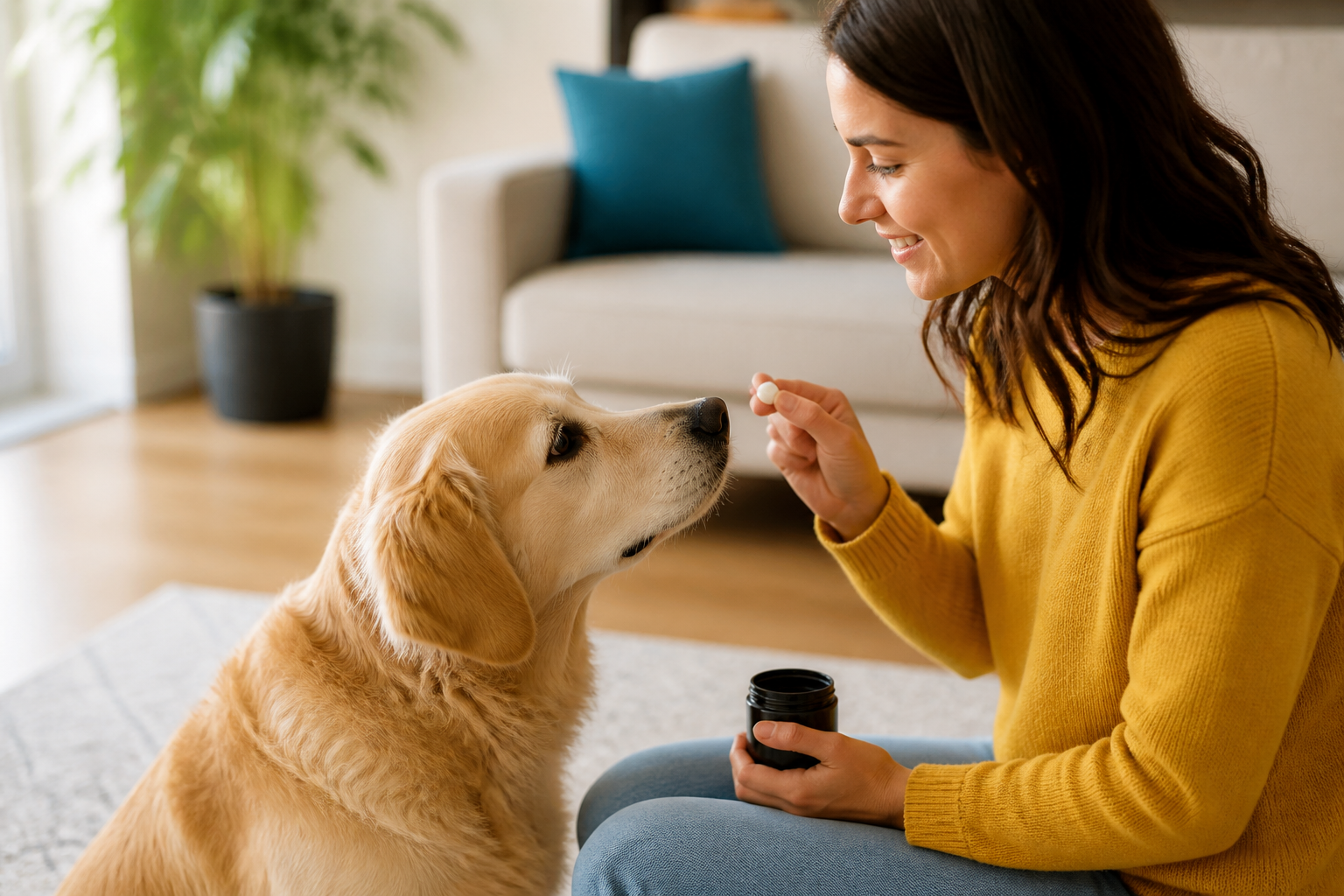
Fish oil is the most popular choice for a reason. It is packed with Omega-3 fatty acids, specifically EPA and DHA. These fats are highly anti-inflammatory. They help reduce the redness and itching that often accompany dry, flaky skin. Most cats find the taste of fish oil very appealing, which makes it easy to add to their daily meals. One option is Zesty Paws Wild Alaskan Salmon Oil Skin & Coat Supplement for Dogs & Cats.
Krill Oil
Krill oil is a concentrated alternative to traditional fish oil. It contains a powerful antioxidant called astaxanthin. This helps protect the skin cells from damage. Krill oil is often more easily absorbed by a cat's digestive system. This means you can often use a smaller dose to achieve the same results.
Flaxseed Oil
While fish-based oils are usually superior for cats, flaxseed oil is a plant-based source of Omega-3s. It contains Alpha-linolenic acid (ALA). Cats are not very efficient at converting ALA into the active forms of Omega-3 they need. If you choose a plant-based oil, it may take longer to see results compared to marine oils.
Key Takeaway: Marine-based oils like salmon or krill oil are more effective for cats than plant-based oils because cats can use the animal-sourced Omega-3s immediately without complex internal conversion.
Topical Oils for Immediate Relief
Sometimes your cat needs relief faster than a supplement can provide. Topical oils can help soften the skin and loosen existing flakes. You must be careful with topical applications because cats are fastidious groomers and will likely lick off whatever you apply.
Coconut Oil
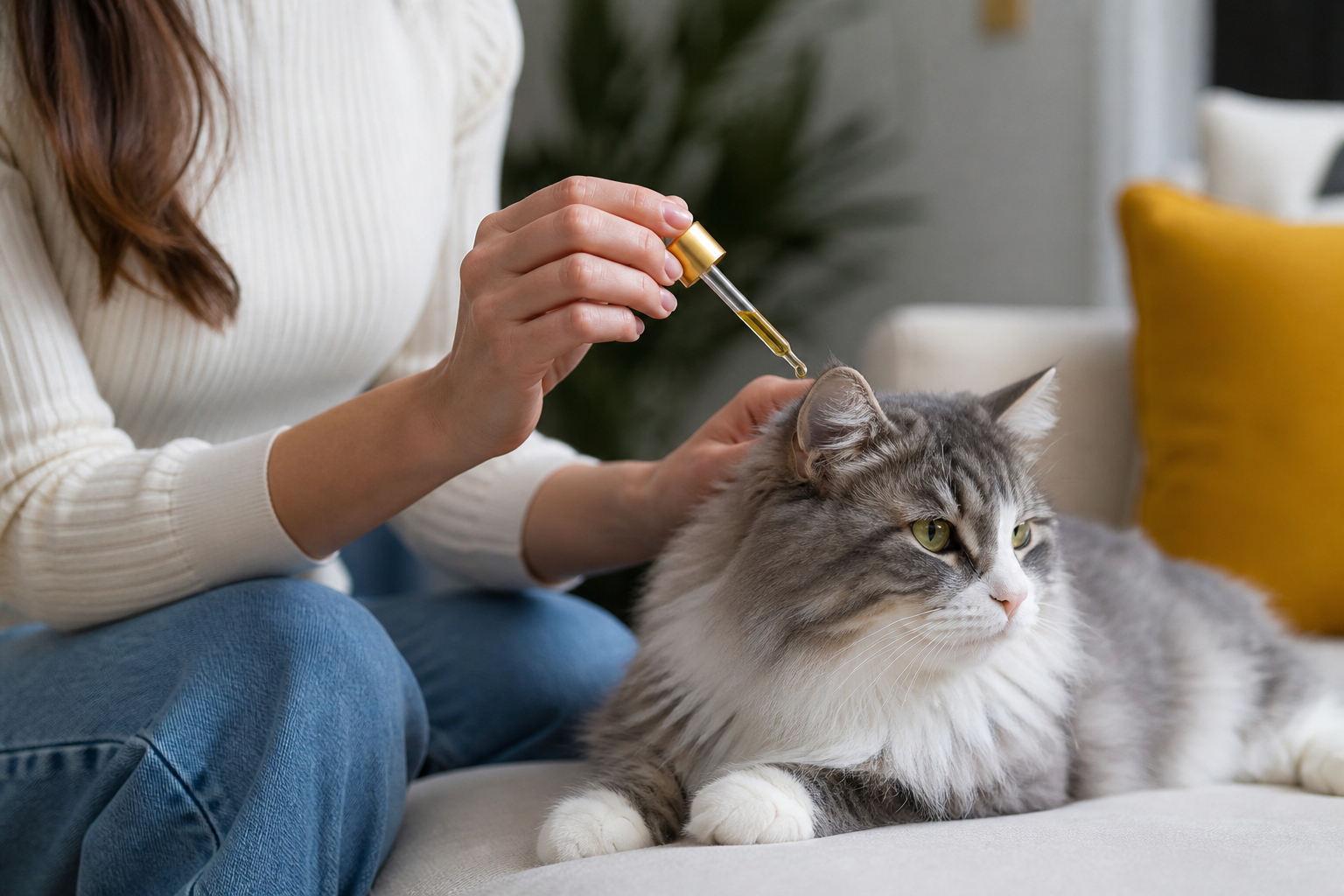
Coconut oil is a safe and effective topical treatment for most cats. it is rich in lauric acid, which has mild antimicrobial properties. You can rub a tiny amount between your palms until it melts, then massage it into the dry areas of your cat's skin. Since it is non-toxic, it is perfectly fine if they lick some of it off. In fact, a little bit of ingested coconut oil can also support their digestion.
Vitamin E Oil
Vitamin E is a potent antioxidant that supports skin repair. You can buy Vitamin E oil in small bottles or even break open a human-grade capsule. It is very thick and sticky, so it is best used as a spot treatment on small, particularly dry patches. It helps heal small cracks in the skin and provides a deep moisture boost.
Olive Oil
Olive oil is a kitchen staple that is safe for cats in very small quantities. It can be used topically to help loosen heavy dandruff or cradle cap-like crusts. It is also a mild laxative, so if your cat licks it, be prepared for potentially softer stools.
| Oil Type | Primary Use | Main Benefit |
|---|---|---|
| Salmon Oil | Dietary Supplement | Deep internal hydration and itch relief |
| Coconut Oil | Topical or Dietary | Antimicrobial and immediate skin softening |
| Vitamin E | Topical Spot Treatment | Targeted healing for cracked or irritated skin |
| Krill Oil | Dietary Supplement | High absorption and antioxidant protection |
How to Safely Apply Oil to Your Cat's Skin
When applying oil topically, less is always more. You do not want to leave your cat feeling greasy or weighed down. Over-application can lead to your cat over-grooming, which can cause further skin irritation.
Step 1: Start with a clean coat. / Gently brush your cat to remove loose fur and surface flakes before applying any oil.
Step 2: Warm the oil. / If using coconut oil, rub a pea-sized amount in your hands until it becomes a liquid.
Step 3: Massage into the skin. / Part the fur and apply the oil directly to the skin rather than just the top of the hair.
Step 4: Distribute with a brush. / Use a soft-bristled brush to help spread the oil evenly through the coat and down to the skin.
Step 5: Monitor for 24 hours. / Watch for any signs of redness or increased itching that might indicate a sensitivity to the oil.
Beyond Oils: Other Ways to Stop the Flakes
While oil is a fantastic tool, it is often part of a larger solution. Environment and lifestyle also play roles in skin health.
Use an Air Humidifier
Central heating in the winter pulls moisture out of the air. This dries out your cat's skin just as it dries out your own. Running a humidifier in the rooms where your cat spends the most time can significantly reduce seasonal dandruff.
Increase Water Intake
Dehydration makes skin less elastic and more prone to flaking. If your cat eats only dry kibble, they may be slightly dehydrated. Adding wet cat food to their diet or providing a pet water fountain can encourage them to drink more. This keeps the skin hydrated from the inside.
Regular Grooming
Brushing does more than just remove loose hair. It stimulates the skin's natural oil production and distributes those oils along the hair shaft. For senior cats or cats with mobility issues, daily brushing is essential. If they cannot reach their back or hindquarters, the skin in those areas will naturally become dry and flaky. A gentle brush can also support the general care practices discussed in our guide to cat whiskers and grooming.
Vet Tip: If your cat has dandruff along with hair loss, red bumps, or a foul odor, consult your veterinarian. These are often signs of a fungal infection like ringworm or a parasitic infestation like mites, which require medical treatment rather than just oil.
When Flaky Skin Means a Vet Visit
Not all dandruff is caused by simple dry skin. Several medical conditions can cause a cat to look flaky. It is important to know when to stop home treatments and seek professional help.
If your cat is constantly scratching, biting at their skin, or seems restless, the dandruff is likely a symptom of an allergy or parasite. Flea allergy dermatitis is a common cause of severe skin irritation. Even if you do not see fleas, a single bite can trigger a reaction in a sensitive cat.
Other conditions like hyperthyroidism, diabetes, or kidney disease can also affect skin quality. These systemic issues change the way the body processes nutrients, which often shows up first in the coat. If you notice changes in your cat's thirst, appetite, or energy levels along with dandruff, a vet visit is necessary.
Our pharmacy offers a wide range of FDA-approved medications and prescription diets through our partnership with Pet's Choice. If your vet determines that your cat's dandruff is caused by an underlying condition like an infection or chronic illness, we can help you get the exact medication you need. From prescription flea preventives to medicated shampoos, we have the resources to support your cat's recovery. Visit our cat pharmacy for prescription care options.
Bottom line: While oils provide excellent support for common dry skin, persistent dandruff often requires a veterinary diagnosis to rule out serious health conditions.
Managing the Grooming Process
Cats are naturally clean animals, but they can sometimes be overwhelmed by skin issues. If your cat has stopped grooming because of arthritis or obesity, they will develop a thick undercoat. This undercoat traps dead skin cells, which then look like heavy dandruff.
In these cases, the solution is a combination of weight management, joint support, and assisted grooming. We carry a variety of grooming tools that are designed to be gentle on sensitive skin. A rubber grooming mitt is often better for a cat with dandruff than a sharp metal comb. It massages the skin and helps move the natural oils around without causing scratches. Browse our cat grooming supplies for brushes, combs, and other grooming tools.
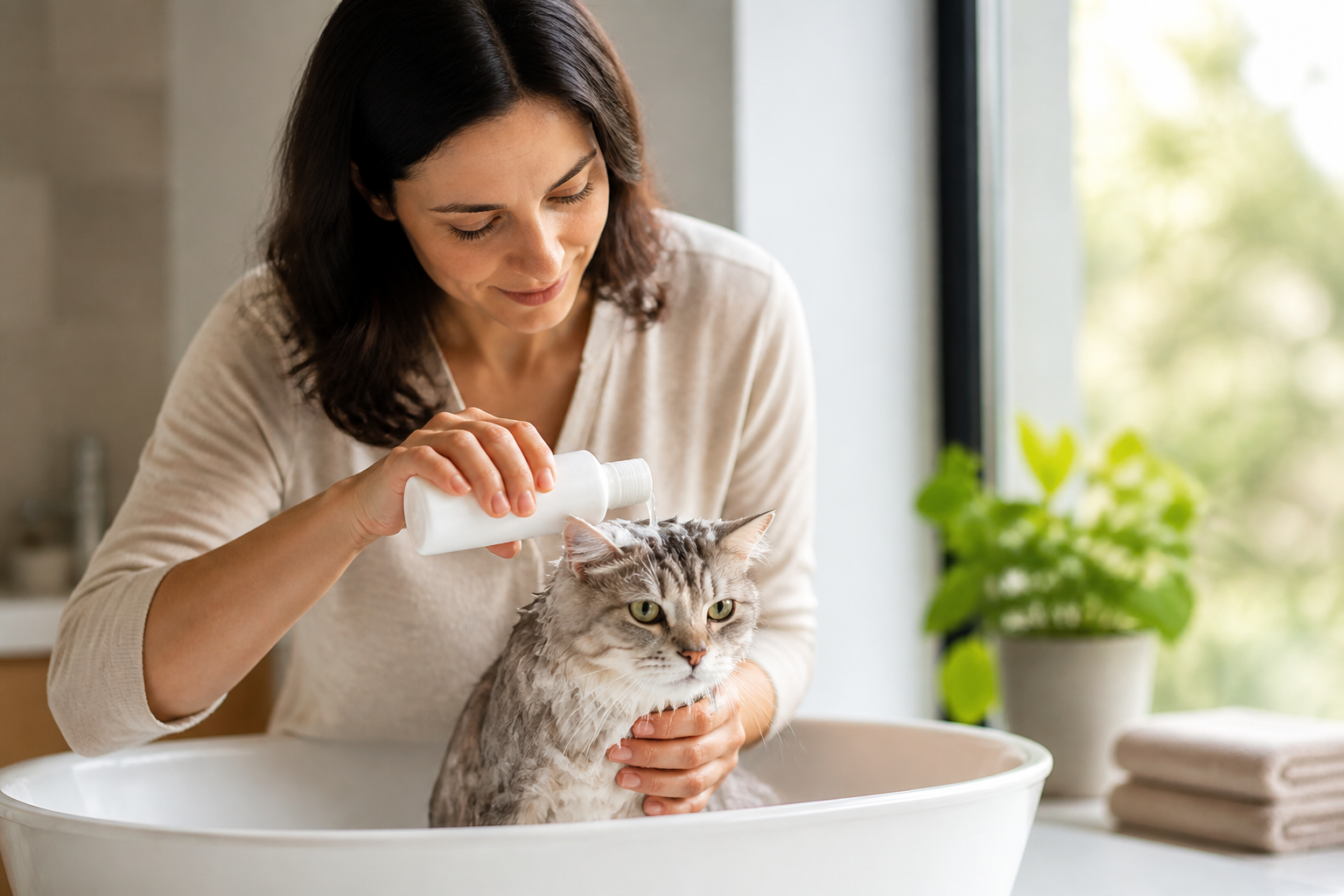
If you must bathe your cat to remove a heavy buildup of oil or flakes, use a very mild, soap-free cat shampoo. Human shampoos, even baby shampoos, have the wrong pH balance for a cat's skin. They can strip away the very oils you are trying to replace, making the dandruff even worse.
Dietary Support for Long-Term Health
The best way to prevent dandruff from returning is to maintain a high-quality diet. Look for foods that list a specific animal protein as the first ingredient. Avoid foods with excessive fillers, which can lead to nutritional gaps.
Some cats benefit from a specific skin and coat formula. These recipes are balanced with extra Omega fatty acids and vitamins like Biotin and Zinc. If your cat has a food sensitivity, they might need a limited ingredient diet or a prescription diet from our pharmacy. Managing the gut often leads to clearer skin.
We offer an Autoship programme that ensures you never run out of your cat's preferred skin-support food or supplements. This program also grants you a free MVP Gold membership, giving you additional savings on the products that keep your cat's coat shiny. Keeping a consistent diet is key to avoiding the flare-ups that lead to dry, flaky skin.
Conclusion
Oil for cat dandruff is a practical and effective way to help your feline friend feel their best. Whether you choose to add a pump of salmon oil to their breakfast or massage a little coconut oil into their dry patches, you are taking a proactive step in their care. Remember to start slowly and watch for how your cat's skin responds. Most mild cases of dandruff will clear up with better humidity, regular brushing, and the right fatty acid supplements. If the flakes persist or your cat seems uncomfortable, always reach out to your veterinarian for a checkup. You can find everything you need to support your cat's skin health, from premium supplements to prescription care at our cat pharmacy, by visiting the Medical & Mobility section of our website.
FAQ
Can I use olive oil from my kitchen for my cat's dandruff?
Yes, you can use a small amount of olive oil topically on dry patches or add a few drops to their food. It is safe for cats to ingest in small quantities, though too much can cause diarrhea. It is generally less effective for long-term skin health than fish oil, which contains higher levels of the specific Omega-3s cats need.
Why did my cat get dandruff so suddenly?
Sudden dandruff is often caused by environmental changes, such as the heater being turned on for the winter or a change in their diet. It can also be triggered by a stressful event or a sudden inability to groom themselves properly. If the dandruff appears alongside other symptoms like itching or lethargy, it may be time for a vet visit to rule out parasites or illness.
Is coconut oil or fish oil better for cat dandruff?
Fish oil is generally better for long-term, systemic skin health because it addresses the issue from the inside out with essential fatty acids. Coconut oil is an excellent choice for immediate, topical relief of dry spots and has mild antimicrobial benefits. Many owners find that using both provides the best results for their cats.
How long does it take for oil supplements to improve a cat's coat?
Skin cells take time to regenerate, so you should not expect an overnight miracle with internal supplements. It typically takes three to six weeks of consistent daily supplementation with fish oil to see a noticeable difference in coat shine and a reduction in flakes. Topical treatments like coconut oil can show results in skin softness within just a few days.