
 Save 15% on your 1st Autoship learn more

 Email us
 Live Chat
 FAQs





Introduction
You are relaxing on the sofa with your cat when you notice a dusting of white flakes along their lower back. It looks just like human dandruff, and your first instinct might be to reach for the shampoo and head for the bathtub. At BaxterBoo, we know that seeing these flakes can be concerning for any pet parent. You might wonder if your cat is dirty or if they have a skin condition that requires immediate treatment. This article covers the common causes of feline skin flakes and the best ways to manage them without causing unnecessary stress. While a bath seems like a quick fix, it is rarely the best solution for a cat with dry skin. We will help you understand when to grab a brush, when to change their diet, and when it is time to call the veterinarian.
Understanding Feline Dandruff
Cat dandruff is not just a cosmetic issue. It consists of dead skin cells that have clumped together and become visible in the fur. While every cat sheds microscopic skin cells, known as dander, dandruff is different because you can actually see it with the naked eye. It often appears as white specks that look like salt or tiny flakes of paper.
In a healthy cat, regular grooming usually removes these cells before they build up. If you start seeing a lot of flakes, it often means the skin is producing too many cells or the cat has stopped grooming effectively. This change can happen for many reasons, ranging from the humidity in your home to underlying health problems.
Quick Answer: In most cases, you should not bathe your cat to treat dandruff. Baths can strip natural oils from the skin and cause further dryness or stress. It is better to focus on regular brushing, improved nutrition, and identifying any underlying medical causes first.
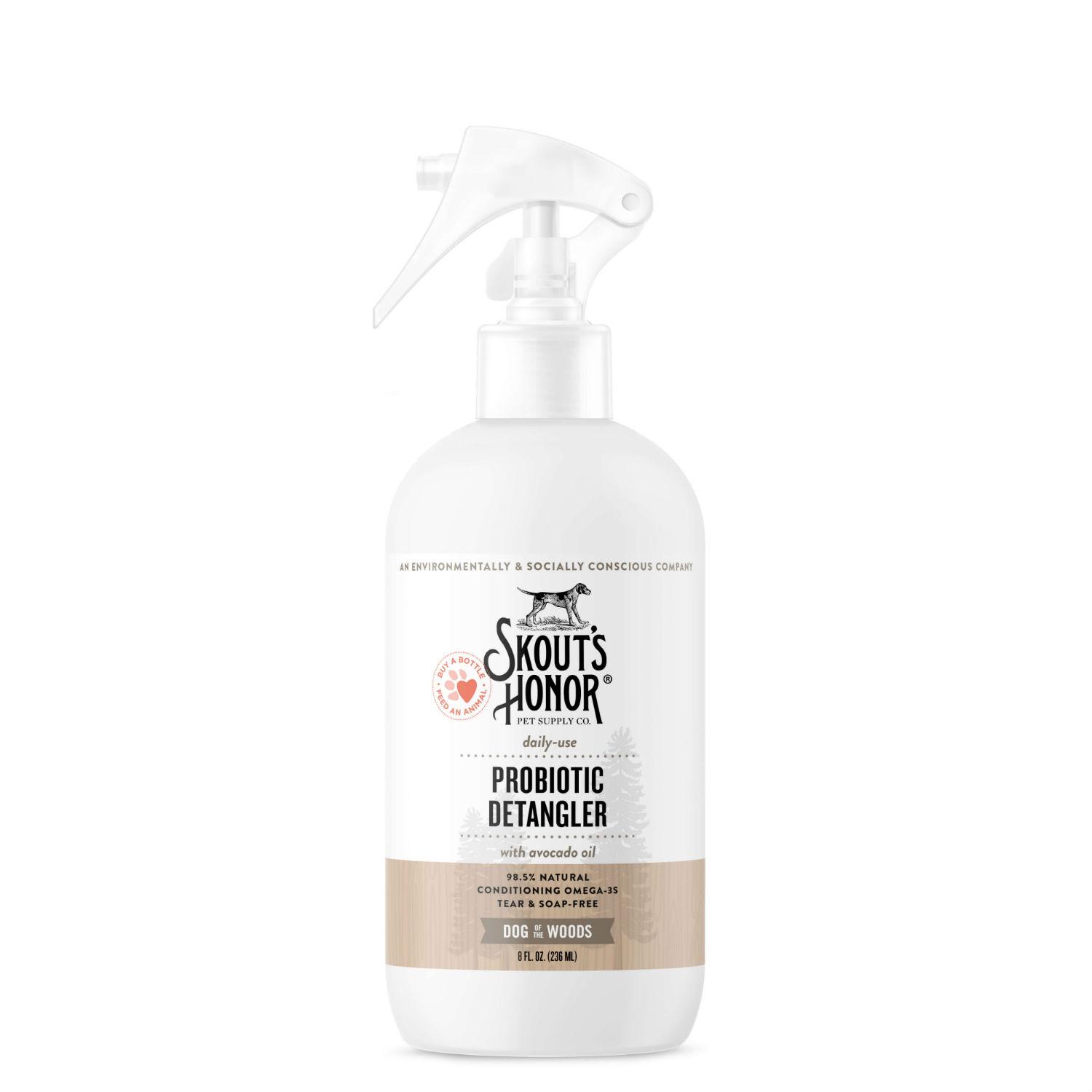
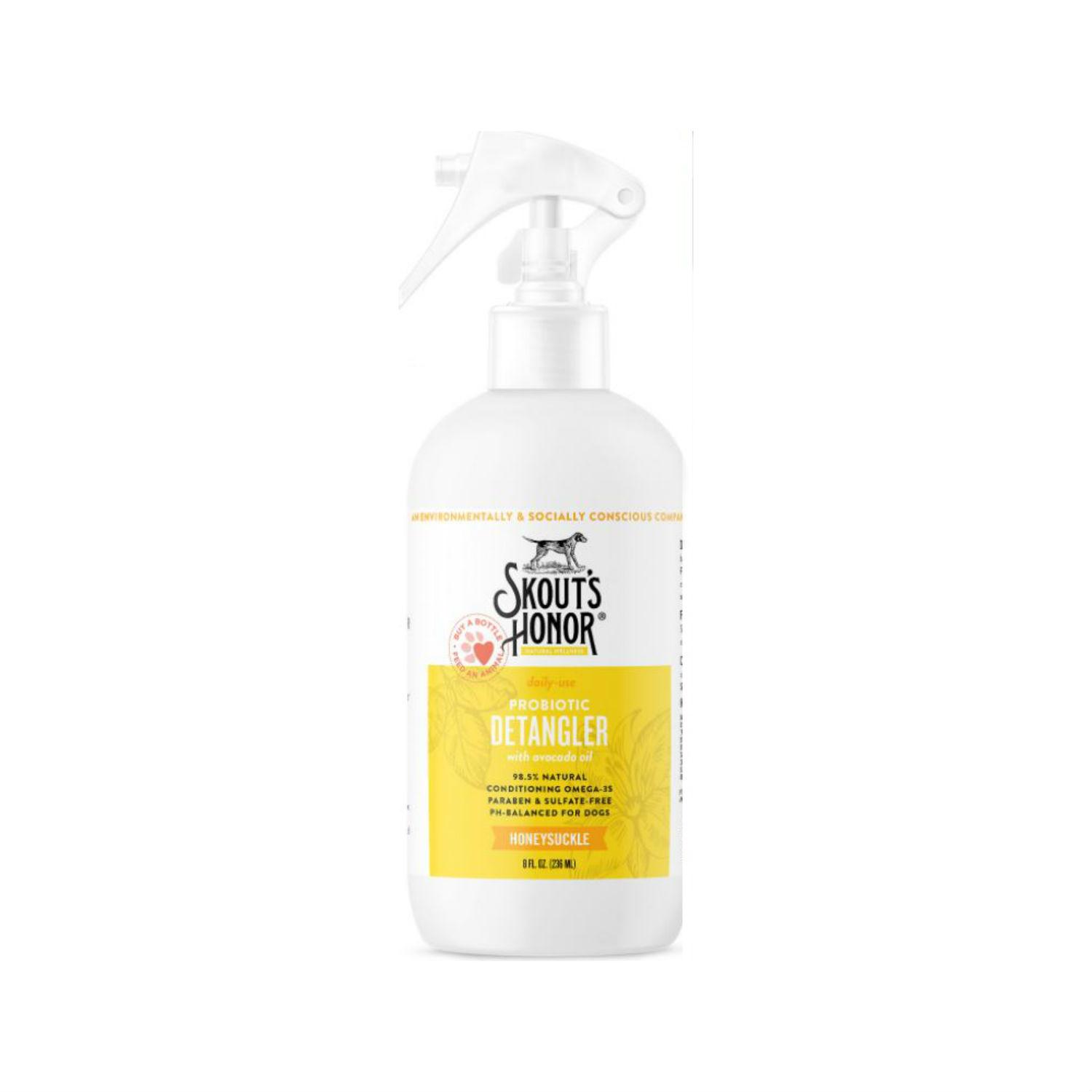
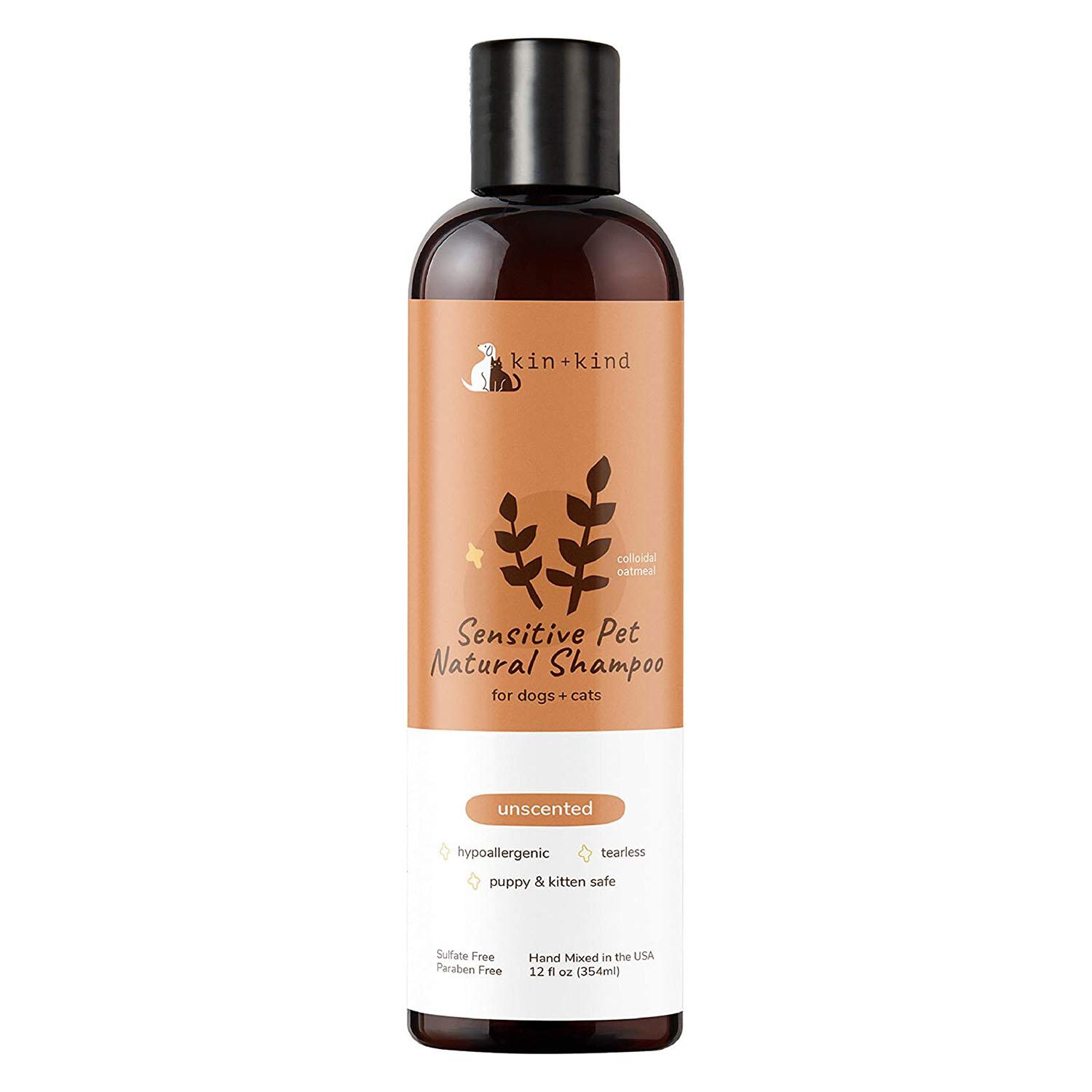
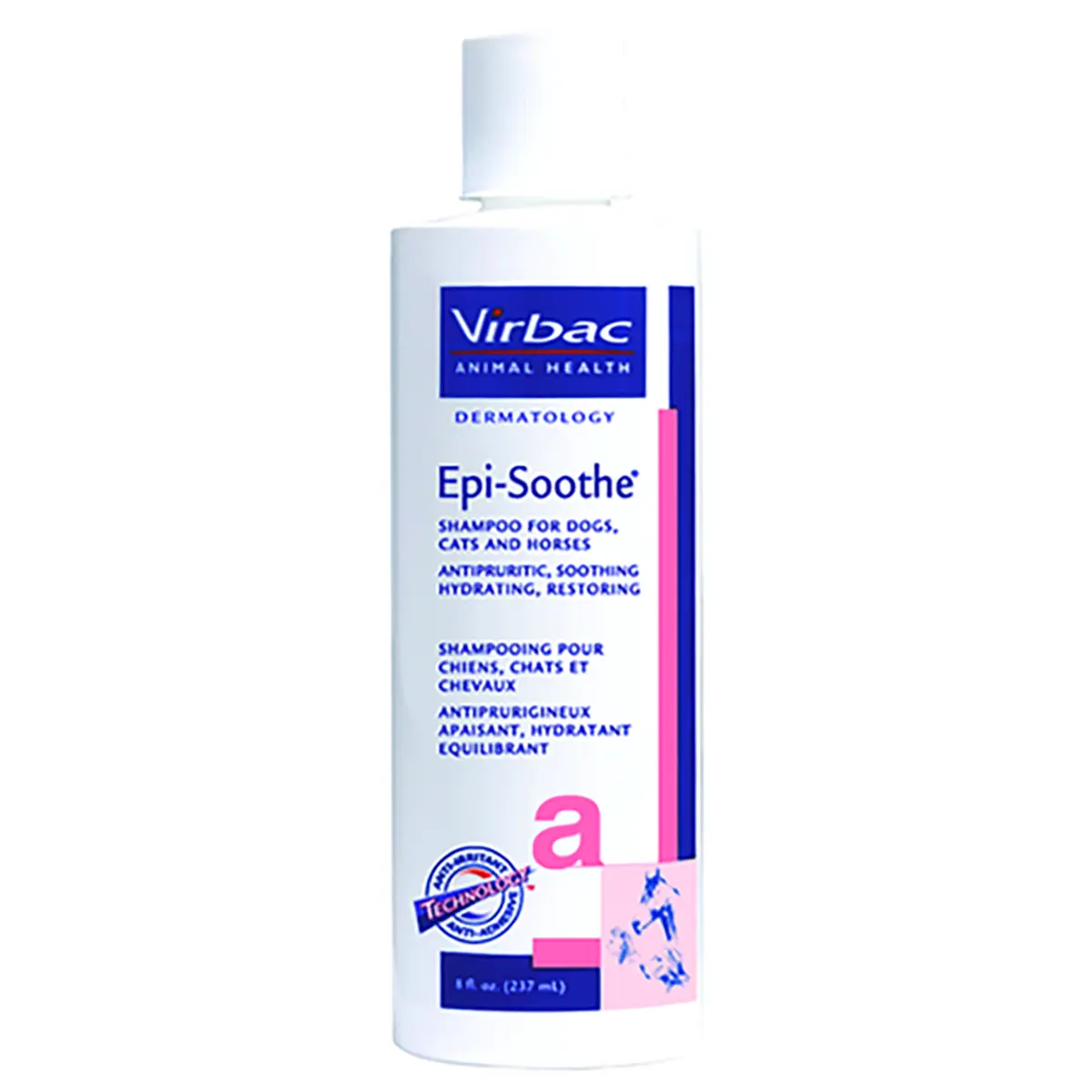
Cat Shampoos & Conditioners




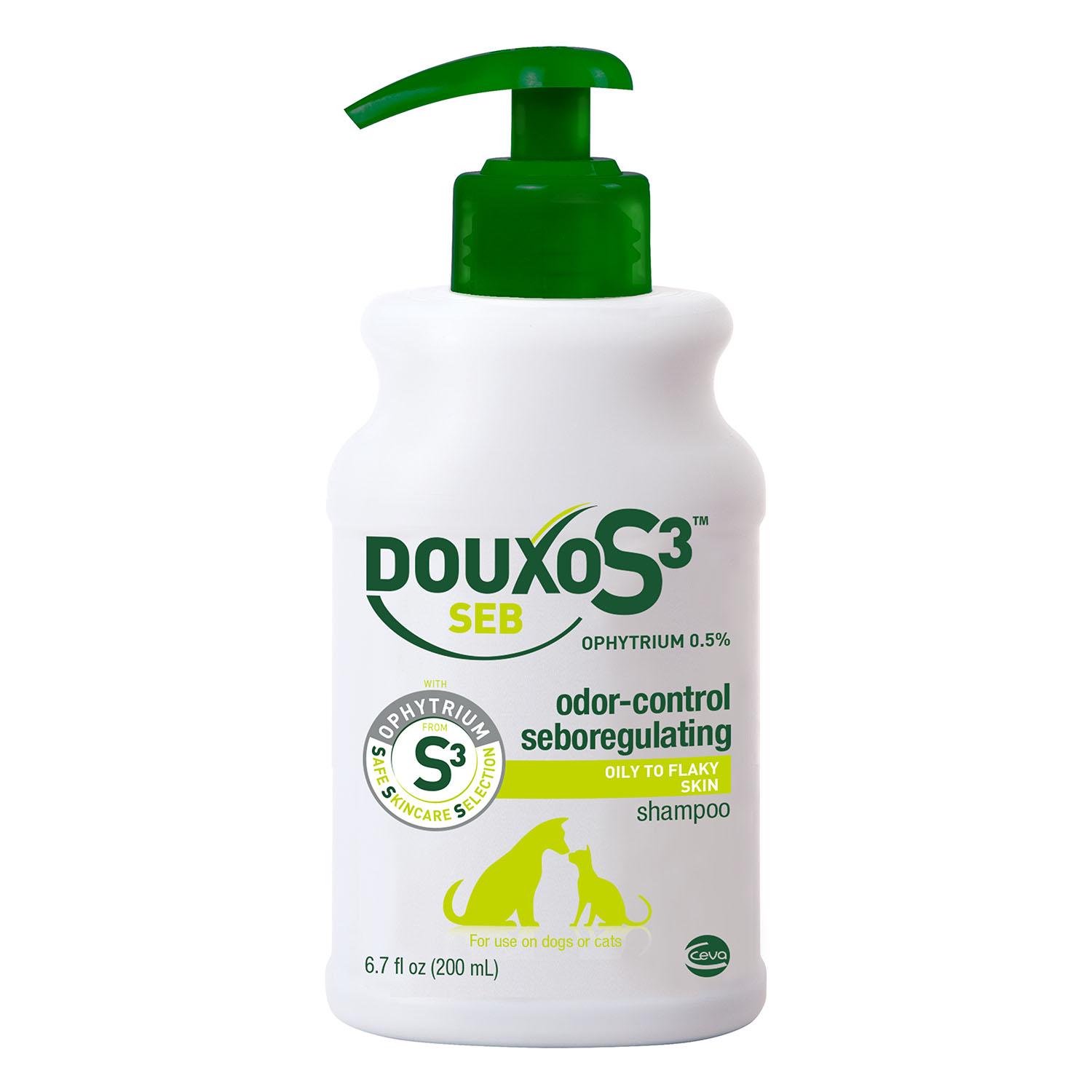
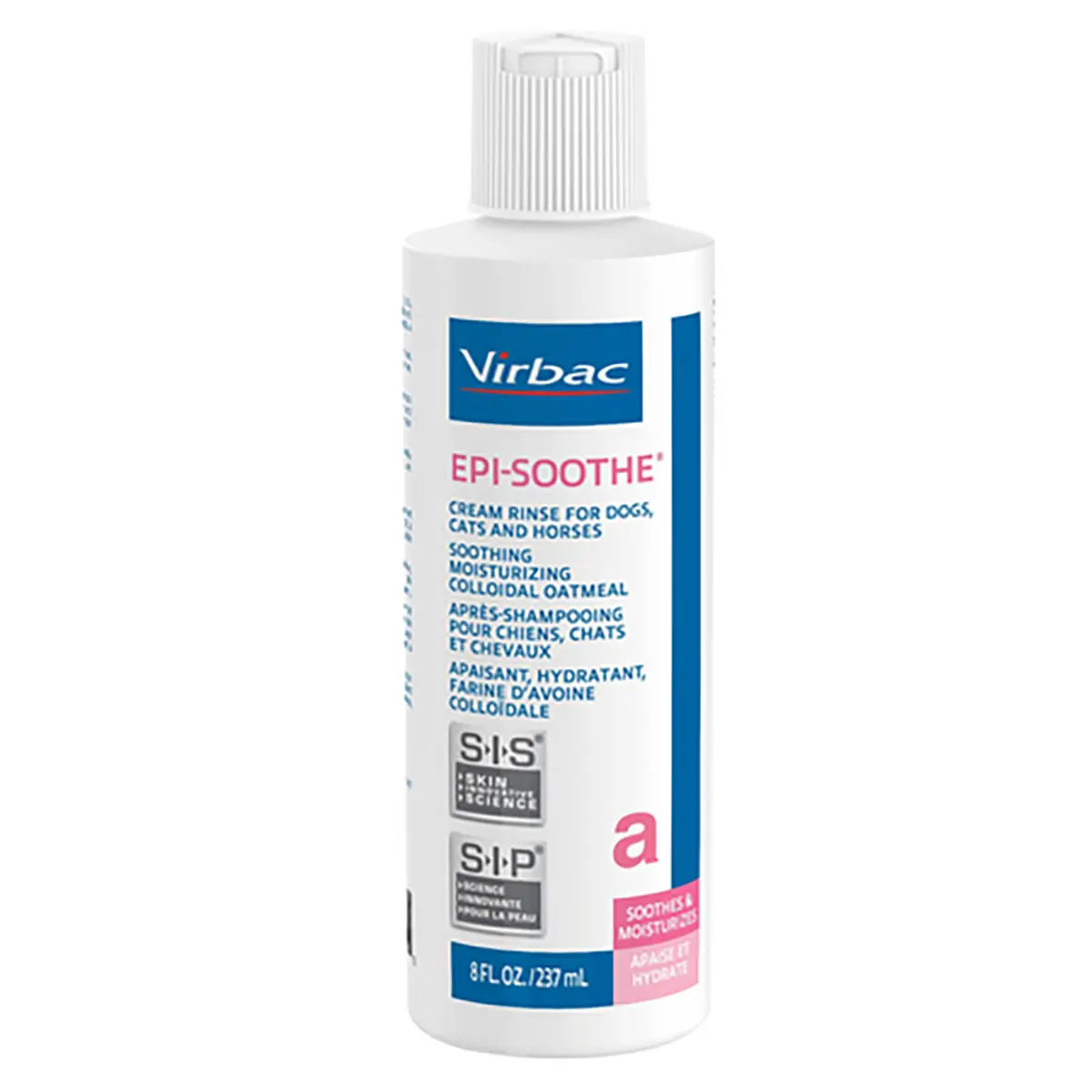
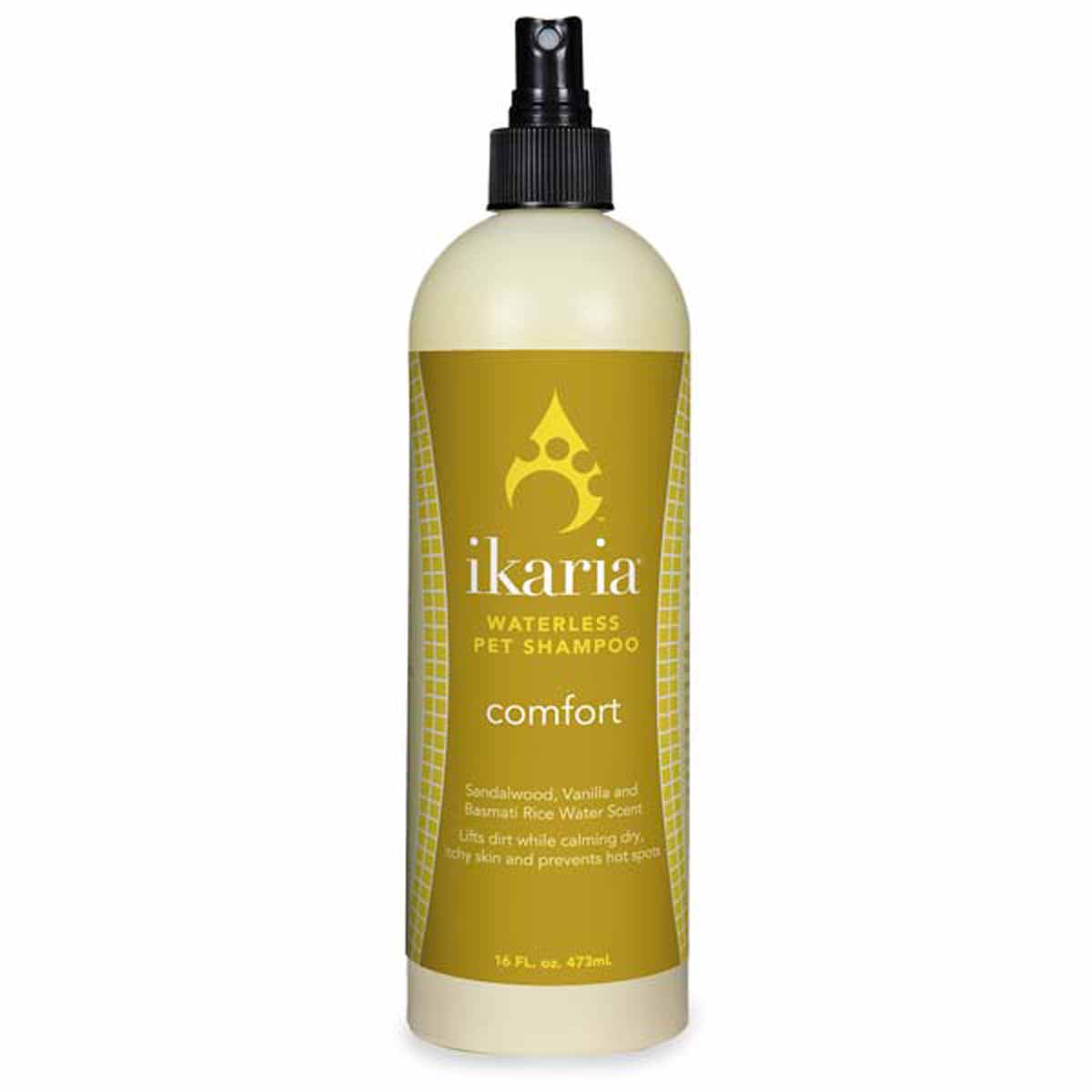
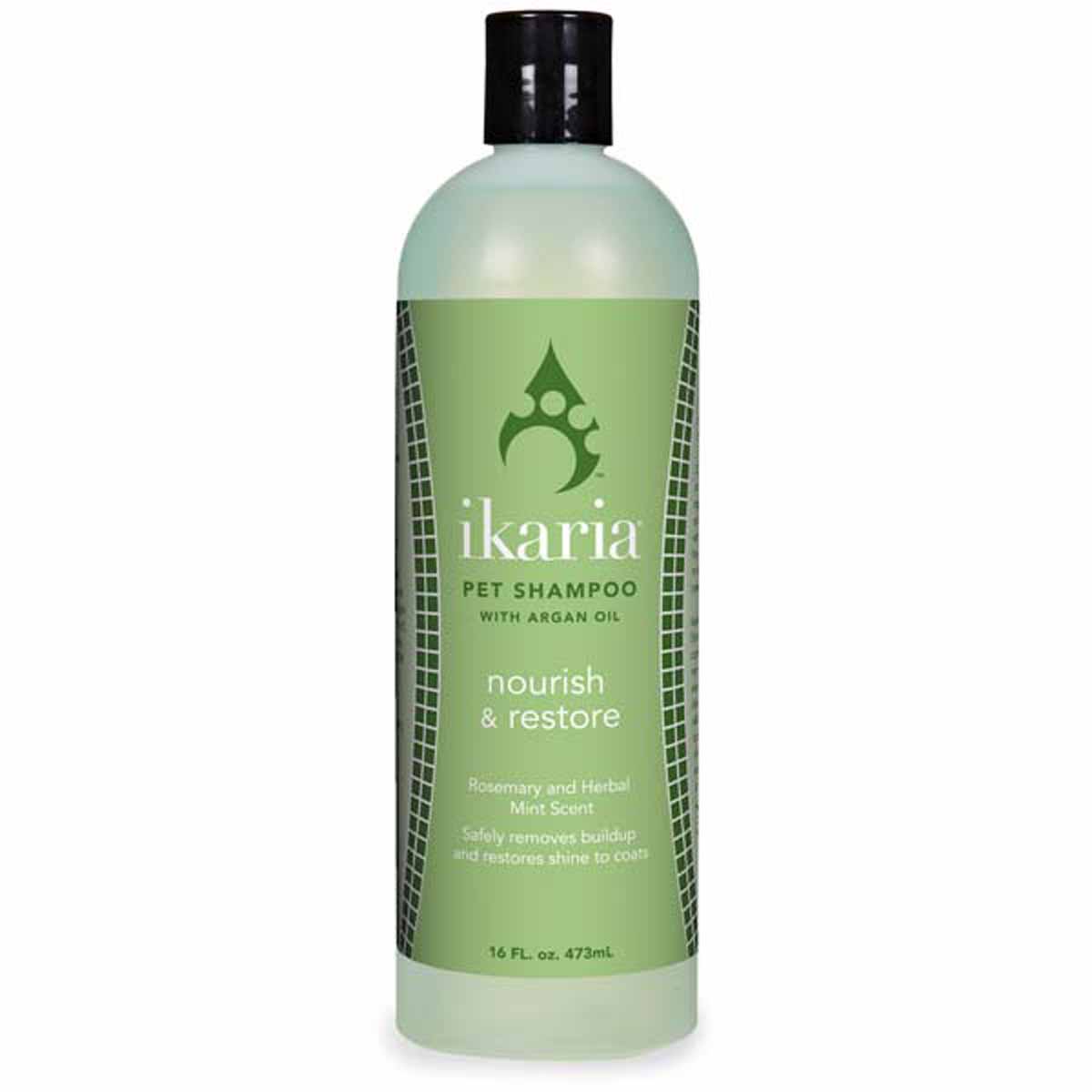
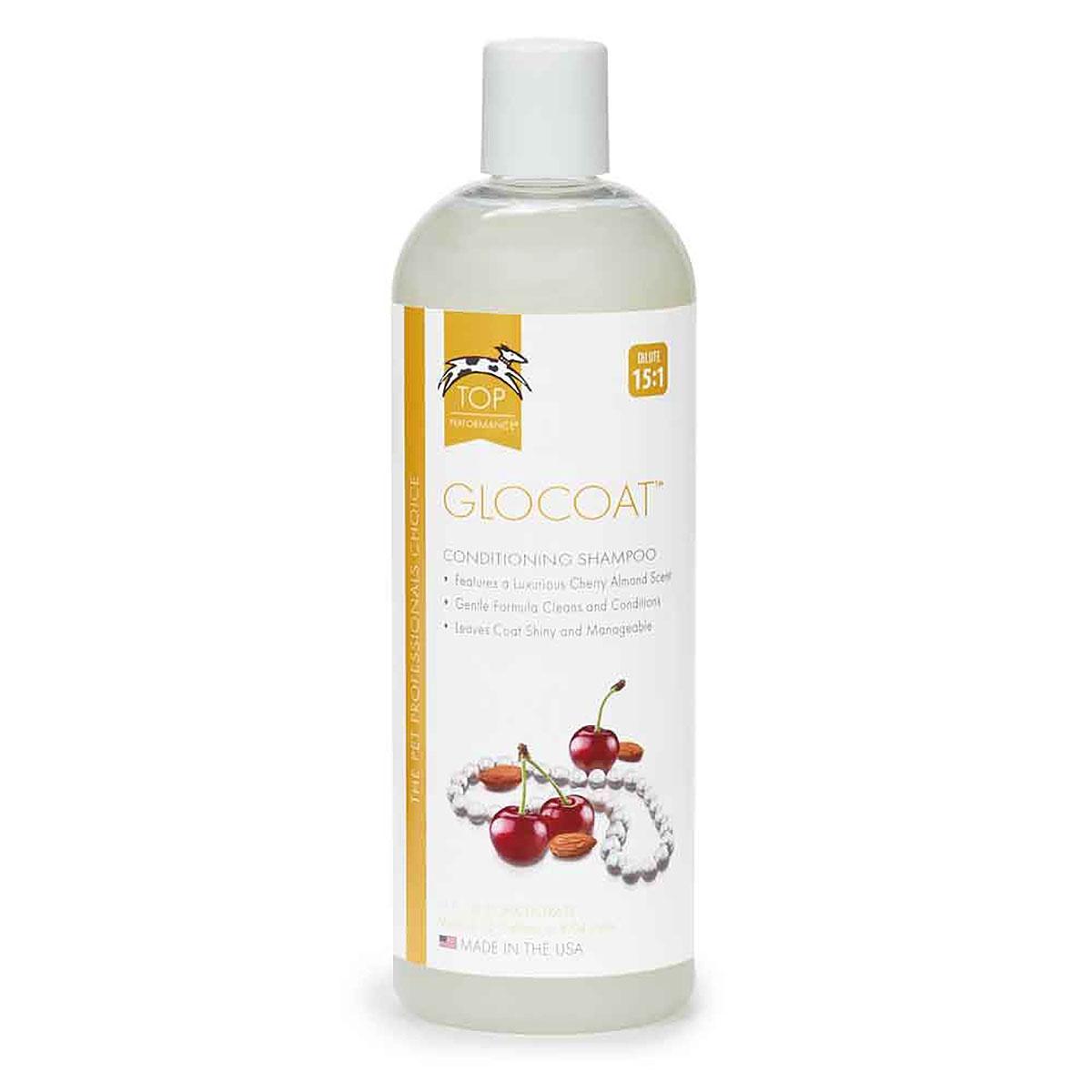
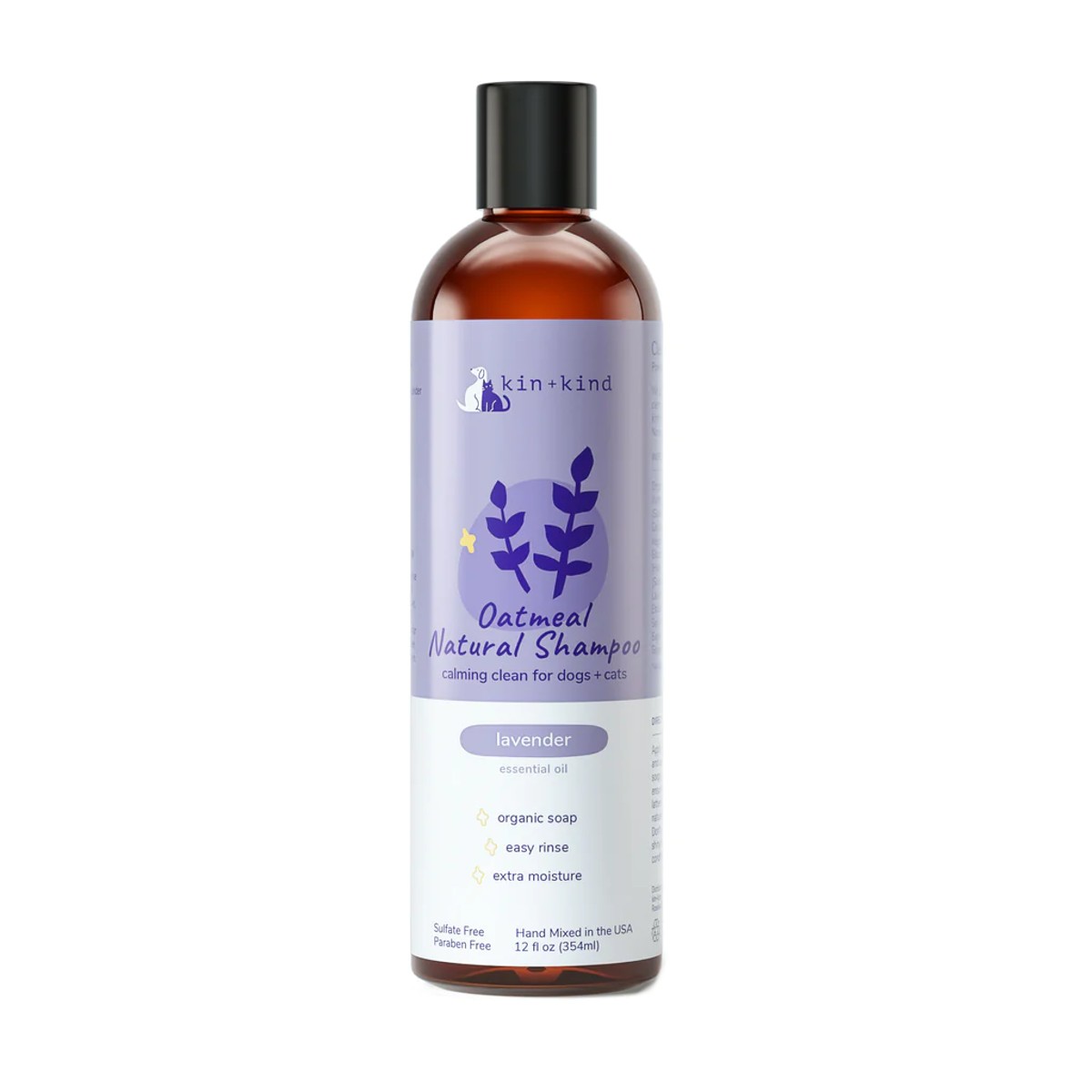
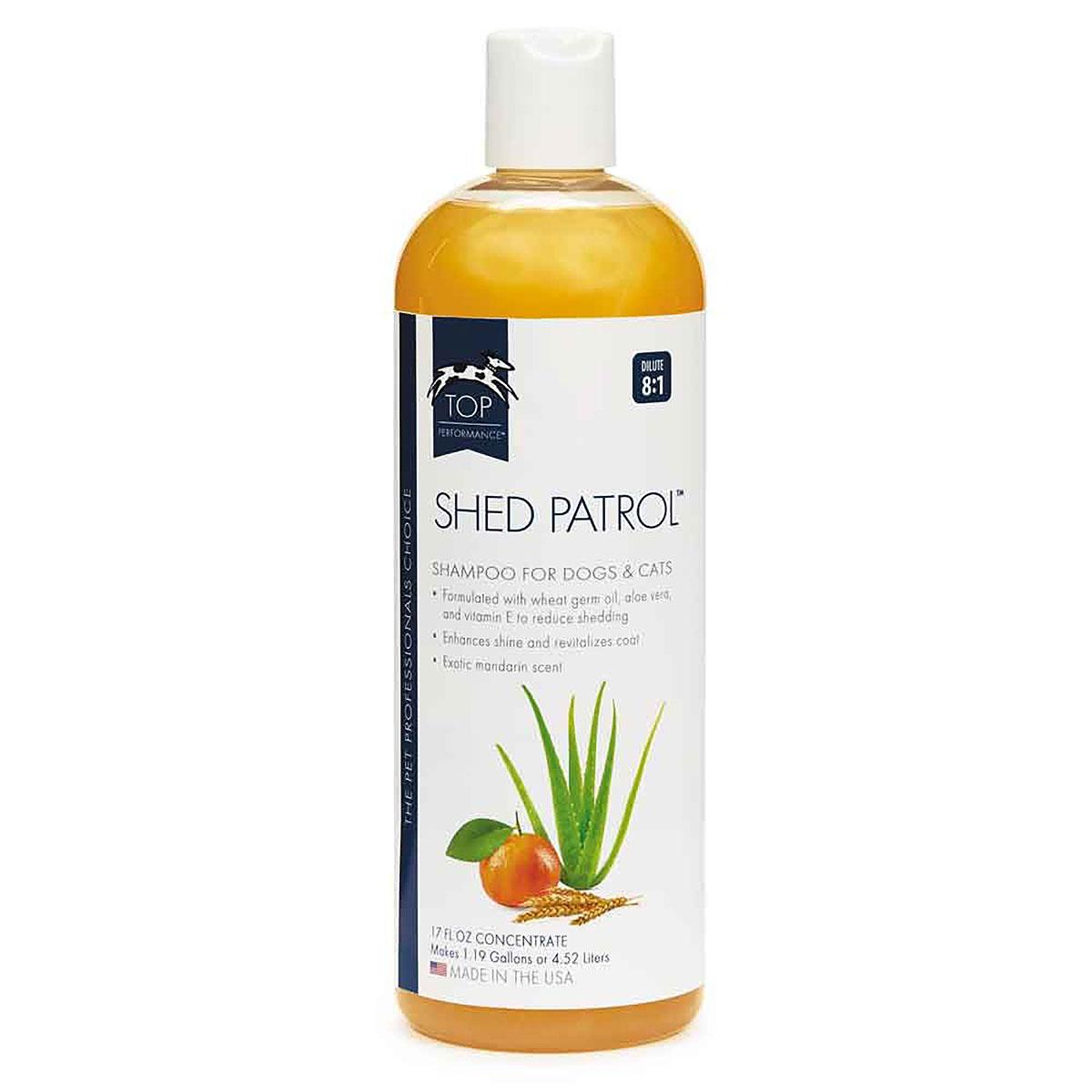
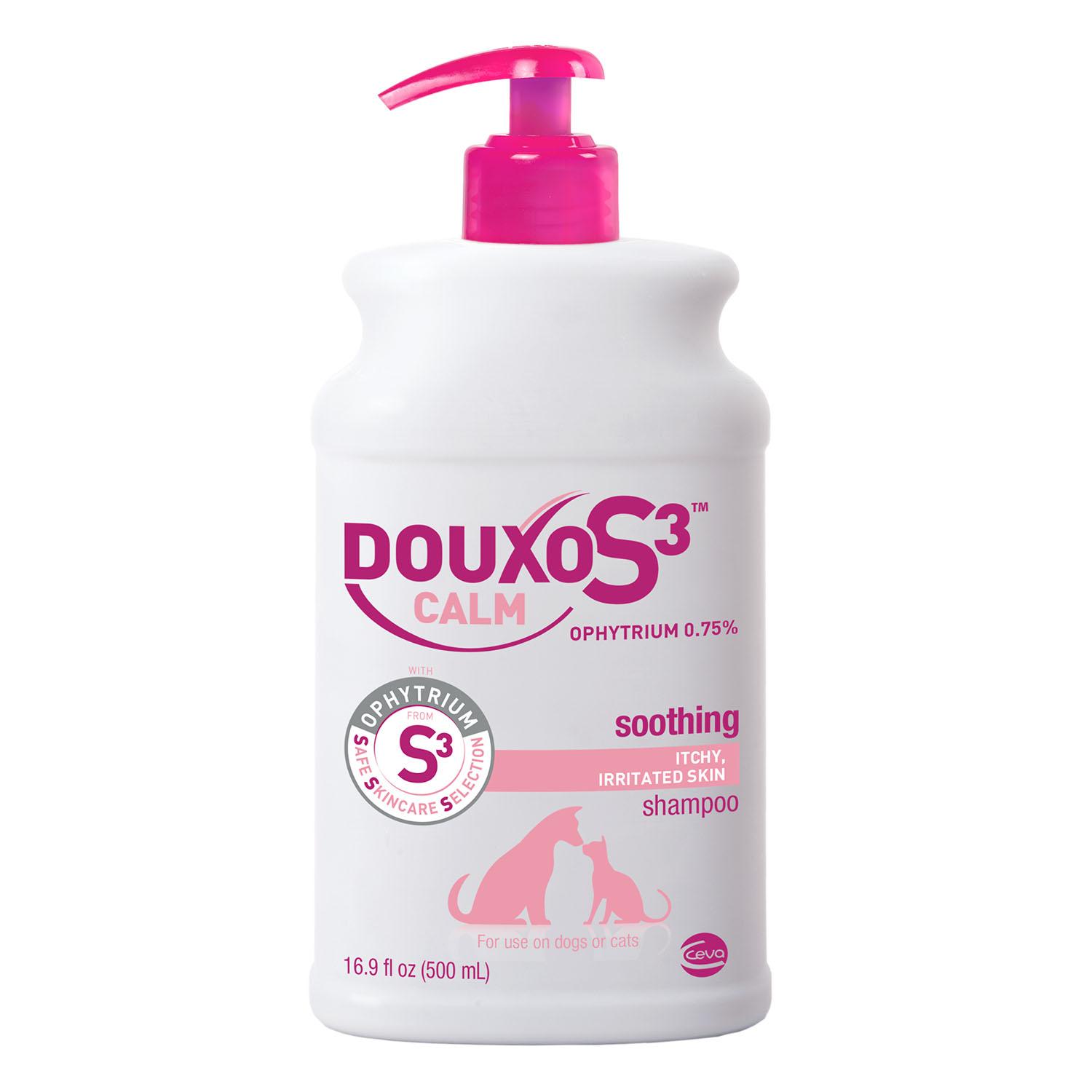
The Problem With Bathing Your Cat
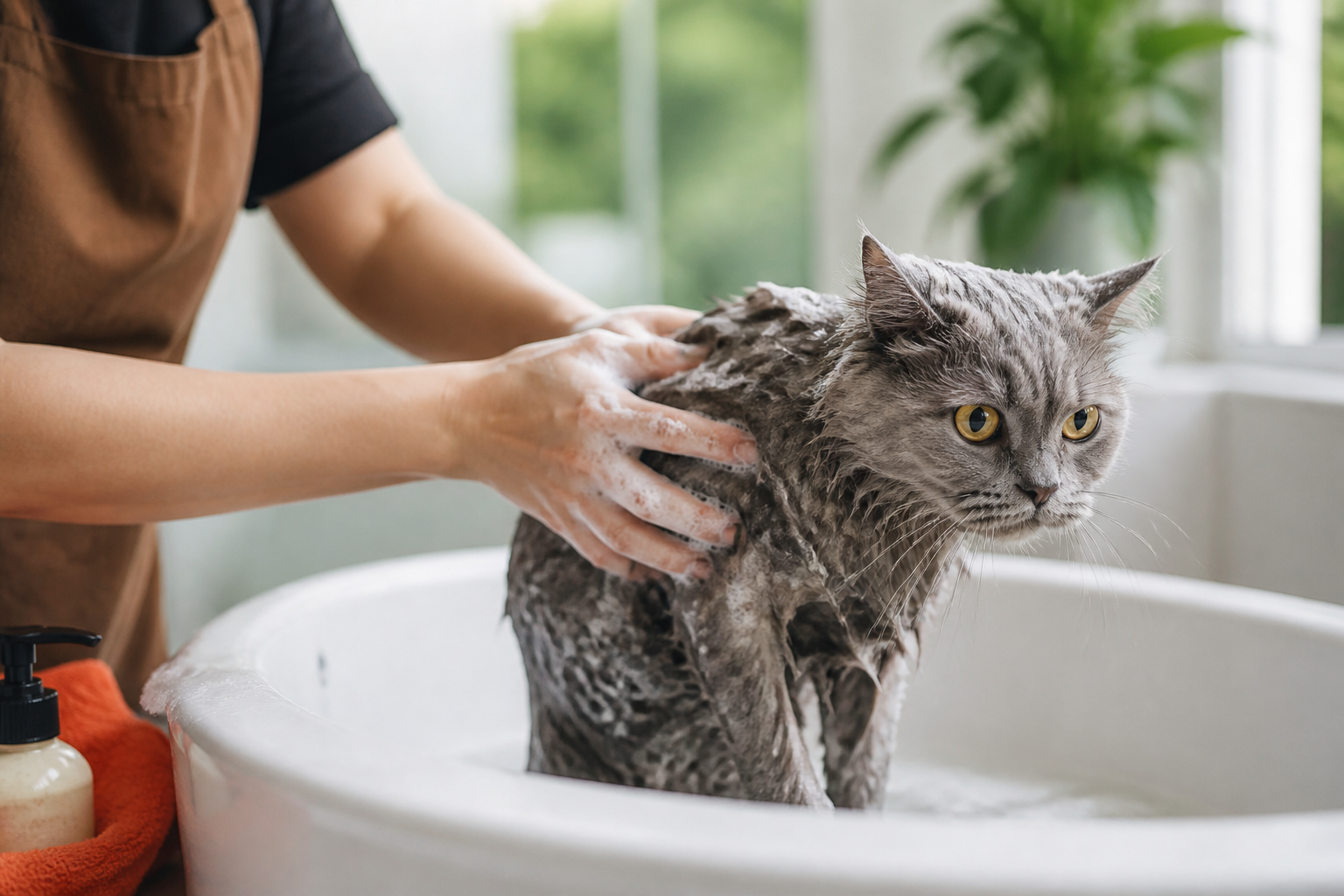
Most cats are expertly designed to clean themselves. Their rough tongues act like tiny combs that distribute natural oils across their skin and fur. When you submerge a cat in water and use soap, you are essentially undoing that hard work.
Bathing can be a very stressful experience for many cats. Stress releases hormones that can actually trigger more skin issues or lead to excessive grooming. If the dandruff is caused by dry skin, the soap and water will likely strip away the few protective oils your cat has left. This leaves the skin even more vulnerable to irritation and flaking.
There are very specific times when a bath is necessary. If your cat has a severe parasitic infestation or a fungal infection like ringworm, your vet might prescribe a medicated shampoo. In these cases, the bath is a medical treatment rather than a cleaning session. Unless a professional has told you to use a specific medicated wash, it is best to keep your cat away from the tub.
Common Causes of Flaky Skin
Identifying the cause of the flakes is the first step toward a shiny, healthy coat. You need to look at your cat's environment, diet, and overall behavior to find the culprit.
Lack of Grooming
If your cat cannot reach certain parts of their body, dandruff will quickly accumulate. This is very common in senior cats who suffer from arthritis. Stiffness in the spine or hips makes it hard for them to twist and clean their back or tail area. Obesity is another major factor. If a cat is overweight, they simply cannot reach their midsection or lower back.
Environmental Dryness
During the winter months, indoor heating systems strip the moisture from the air. This dry environment affects your cat's skin just as much as it affects yours. If the flakes only appear when the heater is running, the environment is likely the cause.
Nutritional Gaps
Skin health starts from the inside. If a cat is not getting enough Omega-3 fatty acids, their skin barrier becomes weak. Low-quality diets may lack the essential minerals and vitamins needed to support a healthy coat. We carry several premium brands like Farmina, Royal Canin, and The Honest Kitchen that focus on high-quality ingredients to support skin health. Explore our cat food collection when reviewing your cat’s regular diet.
Parasites and Infections
Sometimes what looks like dandruff is actually something else entirely. Fleas can cause skin irritation that leads to flaking. There is also a specific mite called Cheyletiella, often nicknamed walking dandruff. These tiny white mites move around on the skin and look exactly like moving flakes. Bacterial and fungal infections can also cause the skin to crust and peel.
Key Takeaway: Dandruff is a symptom of an underlying issue, not a disease itself. Solving the problem requires looking at the cat's physical ability to groom, their environment, and their internal health.
When to See Your Veterinarian
While a few flakes might not be an emergency, you should never ignore significant changes in your cat's skin. Some causes of dandruff are linked to serious internal conditions. For example, diabetes and hyperthyroidism can both affect the quality of a cat's fur and skin.
Vet Tip: If you notice your cat is itching constantly, losing hair, or has red and inflamed skin, schedule a vet visit immediately. These symptoms often indicate parasites or infections that require professional diagnosis and prescription medication.
Our cat pharmacy offers a wide range of FDA-approved medications and prescription diets. If your vet determines that the dandruff is caused by an allergy or a chronic health condition, you can find the necessary treatments through our pharmacy services. This ensures your cat gets exactly what they need to manage their health safely.
Better Alternatives to Bathing
Since bathing is usually off the table, you need other ways to help your cat. These methods are gentler and often more effective at solving the root of the problem.
Increase Brushing Sessions
Regular brushing is the most effective way to manage dandruff. It mimics the natural grooming process and helps distribute oils. For cats with mobility issues, you are essentially doing the work they can no longer do for themselves. Our cat grooming supplies include brushes and combs for regular coat care.
- Use a soft-bristled brush or a fine-toothed comb.
- Brush in the direction of hair growth.
- Keep sessions short, around five minutes, so the cat stays relaxed.
- Focus on the lower back and base of the tail where flakes often cluster.
Improve Air Quality
If your home is dry, a humidifier can make a world of difference. Placing a small humidifier near the area where your cat sleeps will help keep their skin hydrated. This is a simple change that benefits both you and your pet during the cold season.
Focus on Fatty Acids
Adding an Omega-3 supplement to your cat's diet can significantly improve skin elasticity and moisture. Products from brands like Zesty Paws or Honest Paws often include fish oils that support a healthy coat. Always talk to your vet before starting a new supplement to ensure it is the right fit for your cat's specific health needs. You can also browse skin and coat care options for cats.
Manage Weight and Mobility
If your cat is struggling to groom because of their size, a weight management plan is vital. We offer specialized foods like Farmina Vet Life that are formulated to help cats reach a healthy weight safely. For senior cats with arthritis, providing easy access to warm sleeping spots and using supplements like Cosequin can help with the stiffness that prevents grooming.
How to Check for Parasites
Before you assume it is just dry skin, perform a quick check for unwanted guests. This simple test can help you decide if you need to head to the vet or just buy a better brush.
Step 1: Get a fine-toothed flea comb. / Comb your cat's fur, focusing on the neck and the base of the tail.
Step 2: Inspect the debris. / Look for tiny black specks that look like pepper. This is often flea dirt.
Step 3: Perform the water test. / Place any black specks on a wet white paper towel. If they turn red or rusty brown, it is flea dirt, which indicates a flea problem.
Step 4: Look for movement. / Watch the white flakes closely. If they appear to move on their own, your cat may have Cheyletiella mites.
Bottom line: If parasites are present, you must treat the infestation with appropriate preventives from a trusted source like our cat healthcare collection.
Maintaining a Flake-Free Coat
Prevention is always easier than treatment. Once you get the dandruff under control, you want to keep it that way. Consistency is the secret to a healthy cat coat.
- Routine Brushing: Make it a habit to brush your cat at least three times a week.
- Monthly Preventives: Use flea and tick protection year-round, even for indoor cats.
- Quality Nutrition: Feed a balanced diet rich in animal proteins and healthy fats.
- Hydration: Ensure your cat has multiple sources of fresh water to keep their body hydrated.
- Annual Exams: Regular vet checkups can catch metabolic issues before they cause skin problems.
At BaxterBoo, we carry over 500 trusted brands to help you maintain your cat's health. Whether you need a new grooming tool from RC Pets or a specialized diet, we have the selection you need to keep your cat comfortable. Our MVP Rewards program also allows you to earn points on these everyday essentials, making it easier to stay consistent with your cat's care.
Final Steps for Success
If your cat has dandruff, start by increasing your grooming routine and checking for fleas. Avoid the temptation to give them a bath unless your vet specifically tells you to do so for a medical reason. Focus on high-quality food and a stress-free environment to support their natural skin barrier.
Key Takeaway: Most feline dandruff can be managed at home with regular brushing and better nutrition, but persistent flakes always warrant a conversation with a veterinarian to rule out internal illness.
If you suspect your cat's dandruff is linked to a medical condition or parasites, visit our pharmacy section. We provide a reliable way to get the prescription diets and medications your cat needs to feel their best. Staying proactive about their skin health today will lead to a happier, more comfortable cat tomorrow.
FAQ
Why does my cat have white flakes on his back?
White flakes on a cat's back are usually dandruff, which consists of dead skin cells. This area is the most common spot for flakes because it is the hardest for cats to reach, especially if they are older, overweight, or have arthritis. It can also be caused by environmental factors like dry air or a lack of essential fatty acids in their diet.
Can I use human dandruff shampoo on my cat?
No, you should never use human dandruff shampoo on a cat. These products are formulated for human skin pH and often contain chemicals or medications that are toxic to cats if swallowed during grooming. If your cat needs a medicated bath, only use a product specifically prescribed by your veterinarian.
How often should I brush my cat to help with dandruff?
For a cat with active dandruff, brushing them once a day or every other day is highly effective. Regular brushing helps remove the dead skin cells and spreads natural oils throughout the fur. Once the dandruff improves, you can maintain their coat with two to three brushing sessions per week.
Does dry food cause cat dandruff?
Dry food itself does not directly cause dandruff, but a low-quality diet that lacks essential nutrients can lead to poor skin health. Some cats on strictly dry diets may also be slightly dehydrated, which can contribute to dry skin. Ensure your cat's food includes healthy fats like Omega-3s and consider adding some wet food to their routine to increase hydration.






- Site & Contents BaxterBoo.com. BaxterBoo is located in the United States.
- Privacy & Security
- Terms of Use
- Accessibility Statement
