
 Save 15% on your 1st Autoship learn more

 Email us
 Live Chat
 FAQs
FAQs





Introduction
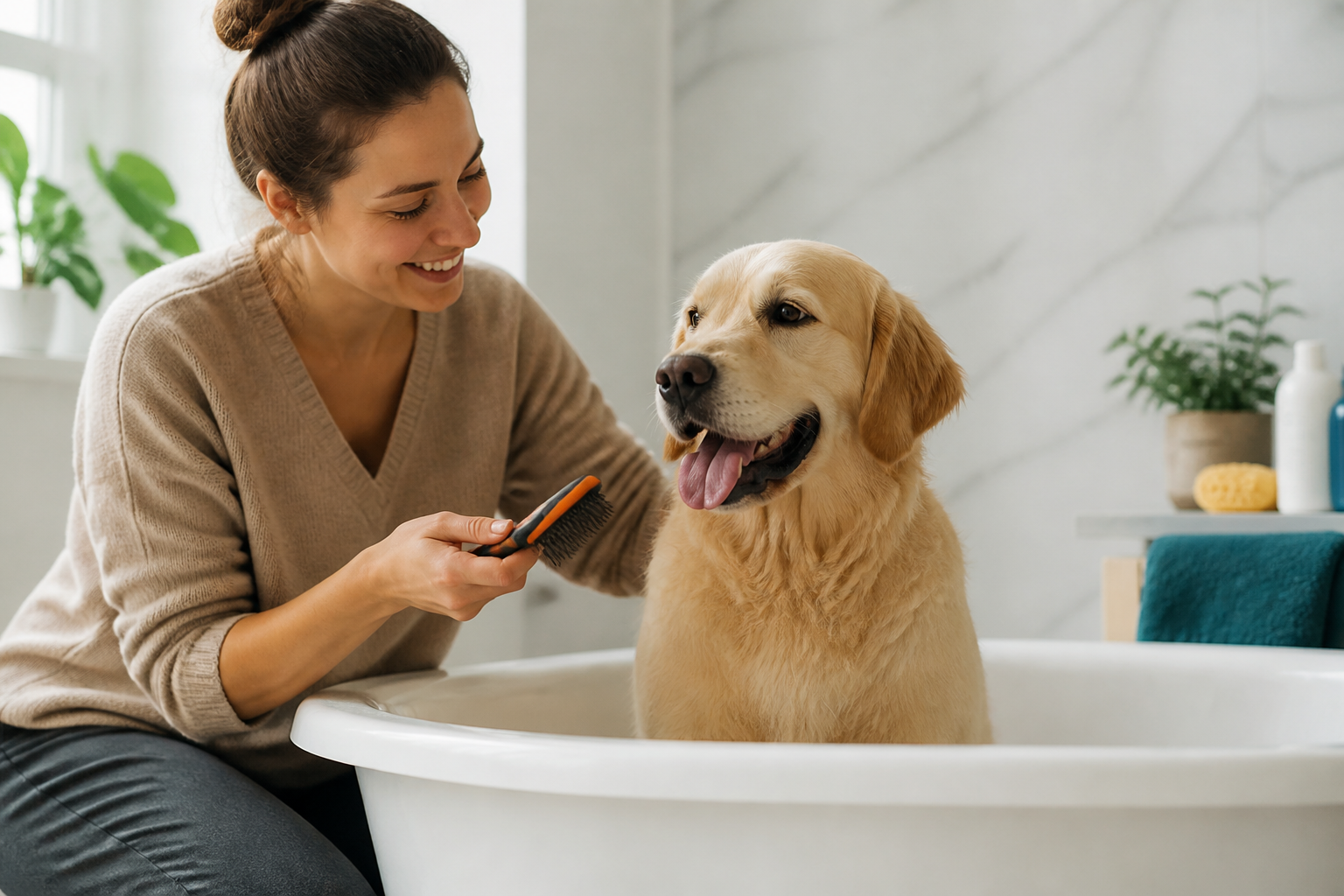
You are standing in the bathroom with a dog that smells like a swamp and a brush that looks like it has seen better days. You might wonder if you should tackle those tangles now or wait until the coat is soapy and slick. At BaxterBoo, we hear this question from pet parents every week. Choosing the right order for grooming can be the difference between a relaxing spa day and a stressful afternoon of tugging on knots. This post covers the science of why hair tangles, how water affects different coat types, and the best tools for the job. We want to help you build a routine that keeps your pet happy and their skin healthy. Brushing before a bath is the golden rule for preventing painful mats, but the final brush after drying is what creates a professional finish.
The Short Answer for Busy Pet Parents
If you only have time for a quick answer, the general rule is to brush your dog both before and after their bath. However, the pre-bath brush is the most important step for the health of the coat. Brushing while the hair is dry allows you to remove loose fur and debris without the added friction of water.
Quick Answer: You should always brush your dog before a bath to remove tangles and loose hair. Water can act like a glue that tightens existing knots into solid mats. Once the dog is clean and completely dry, brush them again to separate the hair and remove any fur loosened during the washing process.
Why You Should Always Brush Before the Bath
It seems logical that wet hair would be easier to manage. After all, we often comb our own hair while it is wet or covered in conditioner. For dogs, the physics of their fur works differently. Most dogs have a much denser coat than humans, often with an undercoat designed to trap air and repel water.
The Wet Knot Effect
When a tangle gets wet, the hair fibers swell and then shrink as they dry. This process causes the hairs to tighten around each other. What was a small, loose tangle before the bath can become a hard, solid mat afterward. These mats sit close to the skin and can be very painful for your dog. They trap moisture against the skin, which can lead to bacterial infections or hot spots.
Cleaning the Skin
A bath is meant to clean the skin, not just the top layer of fur. If your dog is covered in loose, shedding hair, the water and shampoo cannot reach the skin effectively. By brushing first, you clear a path for the soap to do its job. You will also use less shampoo because you are not wasting it on hair that is about to fall out anyway.
Reducing the Mess
Brushing before the bath significantly reduces the amount of fur that ends up in your tub or drain. If you have ever had to call a plumber after bathing a Golden Retriever, you know how much hair a single dog can shed. Removing that "dead coat" beforehand keeps your bathroom cleaner and your plumbing functional.
Key Takeaway: Brushing before the bath prevents "setting" knots into permanent mats and ensures that shampoo can actually reach your dog's skin for a deep clean.
The Dangers of Brushing a Wet Dog
Many pet owners make the mistake of reaching for the brush while the dog is still dripping wet. While this might work for a human with straight hair, it can be damaging for many canine coat types.
Hair Elasticity and Breakage
Wet hair is more elastic than dry hair. This sounds like a good thing, but it means the hair can stretch much further before it snaps. When you pull a brush through wet fur, you may be stretching the strands to their breaking point. This leaves the coat looking frizzy and damaged. Over time, damaged hair is even more prone to tangling, creating a cycle of grooming issues.
Skin Sensitivity
A dog's skin is more delicate when it is wet and warm from bathwater. Brushing at this time increases the risk of "brush burn." This is a type of skin irritation caused by the metal pins of a slicker brush scraping against softened skin. If you notice your dog's skin looking pink or red after a wet grooming session, you may be brushing too hard or at the wrong time.
Vet Tip: If your dog has a history of skin allergies or persistent itching, consult your veterinarian before starting a new grooming routine. They may recommend specific medicated shampoos. Our pet pharmacy carries many FDA-approved treatments for skin conditions through our partnership with Pet's Choice, which can be part of your vet-approved care plan.
How to Brush Your Dog Before the Bath
Preparation is the key to a successful bath day. You do not need to spend hours on this step, but you should be thorough. Focus on the areas where mats usually hide.
Step 1: Focus on the friction points. / Check the areas behind the ears, under the armpits, and where the collar sits. These spots are most likely to have hidden tangles.
Step 2: Use a slicker brush for the main coat. / Work in small sections, brushing in the direction of hair growth. This removes the bulk of the loose undercoat.
Step 3: Perform the "Comb Test." / Run a metal greyhound comb through the coat. If the comb catches, you have a tangle that needs more attention before the water turns on.
Step 4: Use a detangling spray if needed. / If you find a stubborn knot, a light mist of dog-safe detangling spray can help the hairs slide apart without pulling.
Bottom line: A pre-bath brush should focus on removing every single knot and as much loose fur as possible to prepare the coat for the water.
When Is it Okay to Brush During a Bath?
There is one major exception to the "brush before" rule. Professional groomers often use specific tools while the dog is covered in conditioner. This is common for breeds with very thick, double coats or curly hair that is already in good condition.
If you decide to brush during the bath, you must use a lot of conditioner. The conditioner provides "slip," which protects the hair from stretching and snapping. This is usually done with a wide-toothed comb or a rubber curry brush rather than a fine-pinned slicker brush. The goal here is to help the conditioner penetrate the coat and to pull out shedding hair while it is lubricated.
The Importance of the Post-Bath Brush
Once the bath is over and your dog is dry, you are not quite finished. The post-bath brush is the finishing touch that makes the coat look its best.
Removing "Loosened" Hair
The washing and drying process often loosens even more hair that the pre-bath brush missed. As you massage the dog with shampoo and dry them with a towel, you are shaking free old fur from the follicles. A final brush-through captures this hair before it ends up on your furniture.
Fluffing and Separating
Bathing can cause the hair to clump together as it dries. Brushing after the coat is dry separates the individual strands. This gives the coat a fluffy, soft appearance. It also allows air to circulate near the skin, which is vital for preventing moisture-related skin issues.
The Final Safety Check
This is your last chance to check the skin for any problems. Look for fleas, ticks, or any new lumps and bumps that might have been hidden by dirt before the bath. If you find any unusual skin growths or signs of parasites, a visit to the vet is the right next step.
Identifying Your Dog's Coat Type
The way you brush depends heavily on what kind of fur your dog has. At BaxterBoo, we carry 500+ brands to ensure you have the specific tools needed for every unique coat.
Short and Smooth Coats
Dogs like Boxers, Labradors, and Beagles are the easiest to manage. You can often get away with a quick brush using a rubber curry tool before the bath. This pulls up the short, stiff hairs that shed constantly. After the bath, a simple wipe-down with a towel or a soft bristle brush is usually enough.
Double Coats
Huskies, German Shepherds, and Golden Retrievers have a soft undercoat and a tougher topcoat. These dogs need an undercoat rake before the bath. If you skip this, the wet undercoat can become compacted, making it almost impossible to dry. A damp undercoat is a breeding ground for bacteria.
Curly and Wire Coats
Poodles, Doodles, and many Terriers do not shed in the traditional sense. Their hair keeps growing, and dead hair gets trapped in the curls. Brushing before the bath is mandatory for these breeds. If they get wet while matted, the mats can become so tight they have to be shaved off by a professional.
Long Coats
Yorkies and Shih Tzus have hair that is very similar to human hair. It tangles easily and can break if handled roughly. Use a pin brush or a soft slicker brush. Be very careful with towel drying, as rubbing the hair vigorously with a towel can create dozens of tiny knots.
| Coat Type | Pre-Bath Tool | Post-Bath Tool | Difficulty Level |
|---|---|---|---|
| Smooth | Rubber Curry Brush | Soft Bristle Brush | Low |
| Double | Undercoat Rake | Slicker Brush | High |
| Curly | Slicker Brush & Comb | Metal Comb | Very High |
| Long | Pin Brush | Wide-Toothed Comb | Medium |
Common Bathing Mistakes to Avoid
Even if you get the brushing order right, other mistakes can ruin a grooming session. Awareness of these errors will keep your dog's coat in top shape.
Using Human Shampoo
Human skin has a different pH level than dog skin. Using your own shampoo can strip the natural oils from your dog's coat, leaving it dry and brittle. This makes the hair more likely to tangle in the future. Always use a high-quality dog shampoo formulated for their specific skin needs. Our dog shampoo and conditioner collection includes formulas for different coat and skin needs.
Incomplete Rinsing
This is perhaps the most common mistake home groomers make. If you do not rinse every bit of soap out, it will dry on the skin. This causes intense itching and a dull, sticky coat. When you think you are done rinsing, rinse for three more minutes. Focus on the belly and the "armpits" where soap tends to hide.
Skipping the Conditioner
Many people think conditioner is only for long-haired dogs. In reality, almost every dog can benefit from a light conditioner. It helps close the hair cuticle after the shampoo has opened it. This makes the coat shinier and much easier to brush during the post-bath stage.
Water in the Ears
Never spray water directly into your dog's ears. Moisture trapped in the ear canal is the leading cause of ear infections. Use a damp cloth to clean the ears instead. If your dog is prone to ear issues, talk to your vet about a drying ear cleaner. Our pharmacy offers a variety of ear medications if your vet determines an infection is present.
Drying Your Dog the Right Way
How you dry your dog affects how much you will need to brush afterward. Most people reach for a towel first, but your technique matters.
Towel Drying
Instead of rubbing the dog vigorously, try a blotting or squeezing motion. Rubbing in circles creates friction that twists the hair into knots. Squeezing the water out with a highly absorbent microfiber towel is much gentler on the coat.
Blow Drying
If you use a hair dryer, keep it on the cool or low heat setting. High heat can burn a dog's sensitive skin very quickly. For double-coated dogs, a high-velocity dryer is a great investment. These dryers do not use heat; instead, they use a powerful stream of air to blast the water and loose hair out of the coat.
Key Takeaway: Proper drying technique prevents new tangles from forming and makes the final post-bath brush much more efficient.
Mini Checklist for a Stress-Free Bath Day
Follow these steps to ensure you are doing what is best for your pet's coat and comfort.
- Gather all supplies (shampoo, towels, brushes) before you get the dog wet.
- Brush and comb the dog thoroughly while they are dry.
- Check for any skin issues or parasites before the bath.
- Place a rubber mat in the tub so your dog does not slip and feel anxious.
- Use lukewarm water, never hot.
- Rinse twice as long as you think you need to.
- Dry the dog completely before doing your final brush-through.
Grooming as a Bonding Experience
Grooming should not be a chore that you and your dog both dread. When done correctly, it is a time for quiet connection. Use plenty of treats and praise throughout the process. If your dog is nervous, you might only brush for five minutes and then take a break.
Starting young is helpful, but older dogs can also learn to enjoy grooming. If your dog has joint pain or mobility issues, be extra gentle during the bath. We carry various mobility aids and orthopedic mats that can make standing in the tub more comfortable for senior pets. You can also browse our dog healthcare collection for additional care products.
When to See a Professional
While home grooming is great for maintenance, some situations require a professional. If your dog is severely matted to the skin, do not try to cut the mats out with scissors. A dog's skin is very thin and easy to cut. A professional groomer has the tools to safely shave under the mats.
You should also seek professional help if your dog becomes aggressive or extremely fearful during grooming. A professional environment and experienced handlers can often keep a dog calm in ways that are difficult to replicate at home.
Conclusion
Brushing your dog before a bath is the most effective way to prevent painful mats and ensure a deep clean. By removing the "dead coat" while it is dry, you protect the hair from damage and make the entire process easier for both you and your pet. Remember to finish with a final brush once the coat is completely dry to give them that soft, fluffy look. Keeping your dog well-groomed is a vital part of their overall health and happiness. We are here to help with everything you need, from high-quality dog grooming brushes to the medications found in our pharmacy. If you want to make sure you never run out of your favorite shampoo or grooming supplies, consider signing up for our Autoship program to save time and money.
FAQ
Is it okay to brush a dog while they are wet?
It is generally best to avoid brushing a dog while they are wet because wet hair is more prone to stretching and snapping. For most breeds, brushing while wet can lead to coat damage and skin irritation. Only brush a wet dog if you have applied a significant amount of conditioner and are using a tool specifically designed for wet hair, such as a wide-toothed comb or a rubber curry brush.
What happens if I wash my dog without brushing them first?
If you wash your dog without brushing first, existing tangles can tighten into permanent mats as they dry. Additionally, the loose, shedding hair will trap dirt and soap against the skin, making it harder to get the dog truly clean. You will also likely end up with a clogged drain from the excessive amount of hair that falls out during the bathing process.
How do I get mats out of my dog's hair after a bath?
If you find mats after a bath, wait until the dog is completely dry before trying to remove them. Use a detangling spray and a slicker brush to gently work at the edges of the mat. If the mat is too tight to brush out, do not use scissors, as you may accidentally cut the skin. Instead, consult a professional groomer who can safely remove the mat with clippers.
Can I use a human hair dryer on my dog?
You can use a human hair dryer, but you must be extremely cautious. Always use the lowest heat setting or the "cool" button, as human dryers get much hotter than those designed for pets and can easily burn a dog's skin. Keep the dryer moving constantly and never hold it too close to the dog's body to ensure they do not overheat or get burned.






