Save 15% on your 1st Autoship learn more

 Email us
 Live Chat
 FAQs
FAQs





Introduction
You are watching your dog pace around the yard again. Their stomach is making loud gurgling noises. Maybe they have had loose stools for two days. Perhaps they just finished a course of antibiotics. You want to help them feel better. You have likely heard that probiotics are a great tool for human gut health. Now you are wondering if they work for dogs too.
At BaxterBoo, we talk to pet owners every day who are looking for ways to support their dogs' digestion and immunity. Choosing the right supplement can feel overwhelming. We created this guide to explain how these "friendly" bacteria work. We will cover the benefits for digestion, skin health, and even anxiety. This article provides the practical information you need to decide if a probiotic is the right choice for your dog.
What Exactly Are Probiotics for Dogs?
Probiotics are living microorganisms that provide health benefits when consumed. Most people simply call them "good bacteria." These tiny organisms live naturally inside your dog's gastrointestinal tract. They make up a complex world called the microbiome.
A healthy gut is a balanced gut. In a perfect world, the good bacteria outnumber the harmful bacteria. This balance keeps the digestive system moving. It also helps the body absorb nutrients from food. When the bad bacteria take over, your dog can experience gas, diarrhea, and general discomfort.
Probiotics work by moving into the gut and colonizing the area. They help restore the natural balance. They also produce short chain fatty acids. These acids inhibit the growth of harmful bacteria like Salmonella or E. coli.
Quick Answer: Probiotics are beneficial live bacteria and yeasts that support your dog's digestive health and immune system. They help balance the gut microbiome by crowding out harmful bacteria and assisting with nutrient absorption.
The Difference Between Prebiotics and Probiotics
You might see both terms on a supplement label. It is important to know the difference. Think of probiotics as the "workers" in the gut. Prebiotics are the "food" that feeds those workers.
Prebiotics are a type of specialized fiber. They do not get digested in the small intestine. Instead, they travel to the colon. Once there, the good bacteria ferment them. This process helps the probiotic colonies grow and thrive.
Common prebiotic sources in dog food include:
- Inulin
- Chicory root
- Beet pulp
- Raw garlic in very small, safe amounts
- Acacia fiber
When a supplement contains both prebiotics and probiotics, it is called a synbiotic. These products are often more effective. The prebiotics ensure the living bacteria have the fuel they need to do their job immediately.
Key Takeaway: Probiotics are live bacteria that support the gut, while prebiotics are non-digestible fibers that act as a food source for those beneficial microbes.
Signs Your Dog Might Need a Probiotic Boost
How do you know if your dog's gut is out of balance? The signs are often physical, but they can be behavioral too. If your dog has a sensitive stomach, you might notice frequent issues after meals.
Look for these common indicators:
- Frequent gas or bloating
- Loose stools or chronic diarrhea
- Occasional constipation
- Bad breath that does not come from dental issues
- Dull coat or itchy skin
- Increased licking of the paws
- Lethargy or low energy levels
If your dog loves to scavenge in the yard, they are constantly introducing new bacteria to their system. Eating soil, rotten leaves, or "rabbit raisins" can disrupt the gut. Probiotics can help recalibrate the microbiome after these outdoor adventures. For more options, browse our dog digestive health supplements.
Vet Tip: If your dog has severe or bloody diarrhea, or if they are vomiting and lethargic, skip the supplements and call your veterinarian immediately. These can be signs of a serious infection or obstruction that requires medical intervention.
Benefits Beyond the Digestive System
Most owners think of probiotics only for diarrhea. However, the benefits extend much further. The gut contains about 70 percent of a dog's immune system. By supporting the gut, you are supporting the whole body.
Immune System Support
A healthy microbiome acts as a barrier. It prevents pathogens from entering the bloodstream. Probiotics stimulate the production of natural antibodies. They also help the immune system recognize the difference between "friend" and "foe" bacteria. This can be especially helpful for puppies with developing immune systems.
Skin and Coat Health
There is a strong link between the gut and the skin. This is often called the gut skin axis. When the gut is inflamed, it can show up as itchy skin or hot spots. Probiotics help reduce systemic inflammation. Many owners find that their dogs itch less and have shinier coats after starting a daily supplement.
For broader supplement guidance, read our pet supplement guide.
Anxiety and the Gut-Brain Connection
This is one of the most exciting areas of pet research. The gut and the brain stay in constant contact through the nervous system. This is known as the gut-brain axis. Certain strains of bacteria can actually help regulate mood.
Studies have shown that specific strains, like Bifidobacterium longum, can reduce anxious behaviors. This includes less barking, pacing, or jumping in stressful situations. If your dog struggles with separation anxiety or noise phobias, a probiotic might be a useful addition to their training routine.
Choosing the Right Bacterial Strains
Not all probiotics are created equal. Different strains do different jobs. When you look at a label, you want to see specific names.
Lactobacillus Acidophilus
This is one of the most common strains. It is great for general digestion. It helps the body absorb nutrients and can improve stool quality. It is often the primary strain in many high quality dog foods.
Enterococcus Faecium
This strain is a powerhouse for diarrhea. It is often used in clinical settings to help dogs recover from acute GI upset. It works quickly to crowd out harmful bacteria like E. coli.
Bifidobacterium Animalis
This is particularly helpful for dogs with sensitive stomachs. It has been shown to reduce the time it takes for a dog to recover from a bout of diarrhea. It is also excellent for long term immune support.
Bacillus Coagulans
This is a hardy, spore-forming bacterium. It is very stable. It can survive the harsh, acidic environment of the stomach to reach the intestines where it is needed. It is a great choice for dogs with chronic inflammatory issues.
Key Takeaway: Look for a supplement that contains a variety of strains like Lactobacillus, Bifidobacterium, and Enterococcus to provide broad support for both digestion and immunity.
Should You Give Your Dog Human Probiotics?
It is a common question. Can you just give your dog a bit of your yogurt or a human capsule? Technically, most human probiotics are not toxic to dogs. However, they may not be effective.
The canine digestive system is different from ours. Dogs have a more acidic stomach. They also have different natural bacteria in their microbiome. A human supplement is designed for human biology. It may not survive the trip through a dog's stomach.
Furthermore, many human products contain ingredients that are dangerous for pets. For example, some low calorie yogurts or chewable tablets contain xylitol. This artificial sweetener is highly toxic to dogs. Many human supplements also contain dairy or soy, which are common allergens for some pets.
We recommend sticking to products formulated specifically for canines. These are designed to survive the canine digestive tract. They also have dosing instructions based on a dog's weight. A product such as Nutramax Proviable Digestive Health Supplement is formulated with multiple probiotic strains and prebiotics.
When Is the Best Time to Start?
You do not always have to wait for a problem to start using probiotics. In many cases, they are best used as a preventative measure.
Before Stressful Events
Stress is a major trigger for digestive upset. If you know you are going to board your dog or move to a new house, start probiotics a week in advance. This helps fortify the gut before the stress hits. This can prevent the "stress diarrhea" that many dogs experience in new environments.
During and After Antibiotics
Antibiotics are life saving medications. However, they are not picky. They kill the bad bacteria causing the infection, but they also wipe out the good bacteria in the gut. This often leads to secondary issues like yeast infections or loose stools.
We suggest giving probiotics while your dog is on antibiotics. Just make sure to space them out. Give the antibiotic first, then wait at least two hours before giving the probiotic. This ensures the antibiotic does not kill the beneficial bacteria immediately. Continue the probiotics for at least two weeks after the antibiotic course is finished.
Senior Dog Support
As dogs age, their digestive systems become less efficient. They may struggle to absorb nutrients from their food. Senior dogs also tend to have weaker immune systems. A daily probiotic can help an older dog maintain a healthy weight and stay more resilient against common illnesses.
How to Read a Probiotic Label
When you visit our warehouse or browse our site, you will see many options. It is important to know what the numbers mean.
Colony Forming Units (CFUs)
Probiotics are measured in CFUs. This tells you how many live, active bacteria are in each dose. For a daily maintenance dose, look for a product with 1 to 5 billion CFUs. If your dog is dealing with an active issue like diarrhea, a higher count of 10 billion or more may be better.
Guaranteed Analysis
The label should guarantee the number of live organisms at the time of expiration. Avoid products that only guarantee the count at the time of manufacture. Bacteria die over time. You want to know there is still plenty of "life" in the bottle when you use it.
Form Matters
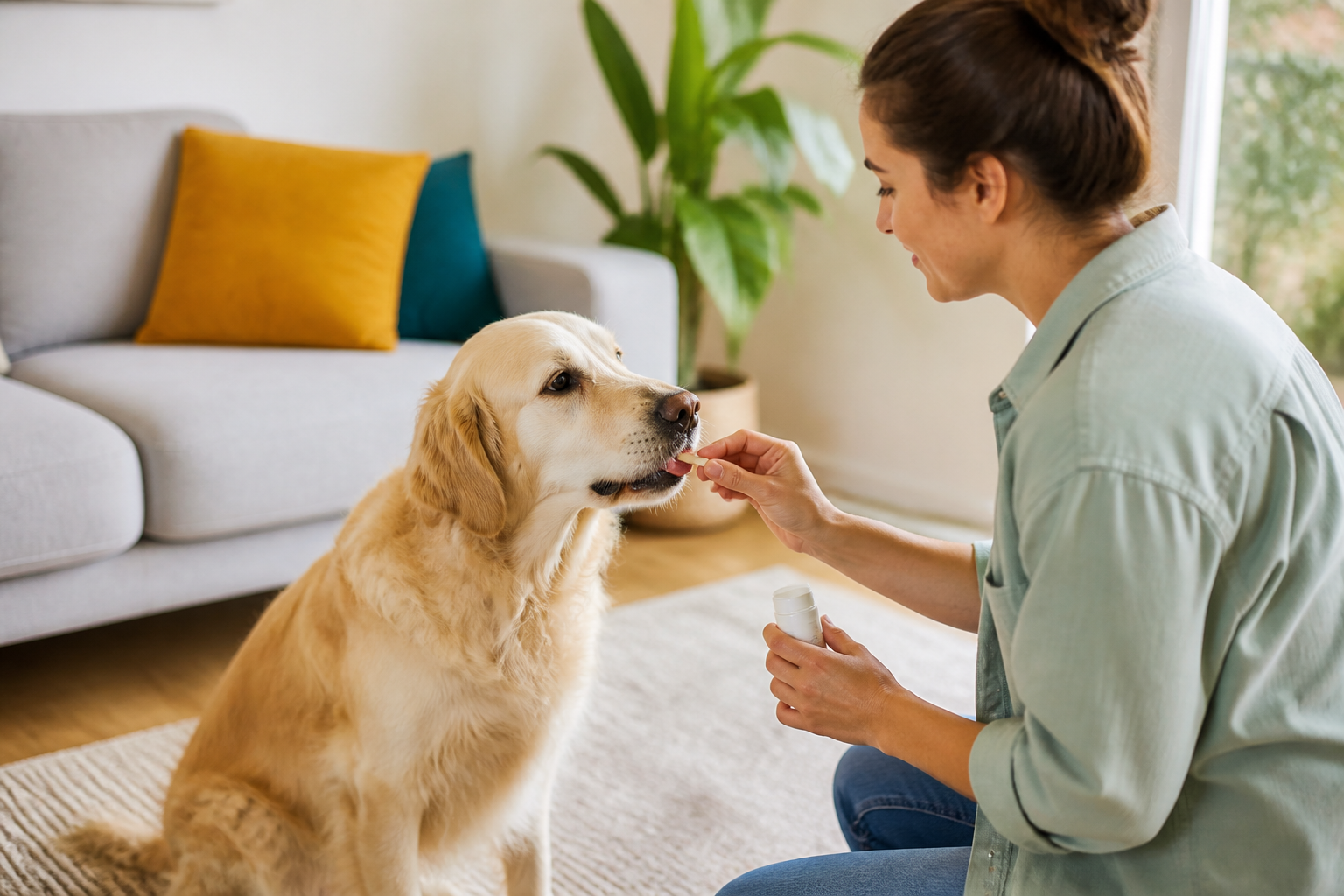
Probiotics come in several formats:
- Powders: Easy to mix into wet food. Usually have the highest CFU counts.
- Chews: Convenient for dogs who think they are getting a treat. Great for daily maintenance.
- Capsules: Good for picky eaters. You can hide them in a piece of cheese or a pill pocket.
- Fortified Food: Some premium kibbles include probiotics. This is a great "base layer," but the counts are often lower than a separate supplement.
For more choices, explore our dog probiotic collection.
Transitioning Your Dog to Probiotics
When you introduce something new to your dog's diet, go slow. Even though these are "good" bacteria, they are still a change. Some dogs may experience a small amount of gas or bloating in the first few days.
Step 1: Start with half the recommended dose. Do this for the first three to four days to let the digestive system adjust.
Step 2: Watch for any signs of discomfort. Look for increased gas or a change in appetite. If your dog seems fine, proceed to the next step.
Step 3: Increase to the full recommended dose. Follow the weight-based instructions on the package.
Step 4: Maintain consistency. Probiotics work best when given every single day at roughly the same time.
For additional guidance about digestive upset and diet changes, read how dry food can cause diarrhea in dogs.
Bottom line: A slow introduction over one week helps prevent temporary gas and allows the microbiome to shift comfortably.
The Role of the BaxterBoo Pharmacy
Sometimes, a standard over the counter probiotic is not enough. If your dog has a chronic condition like Irritable Bowel Disease (IBD) or severe food allergies, they may need a prescription diet or medical grade supplements.
Our pet pharmacy carries a wide range of FDA-approved medications and prescription pet foods. Through our partnership with Pet's Choice, we can help you manage your dog's ongoing health needs. Prescription diets from brands like Farmina Vet Life are specifically formulated for conditions that require more than just a daily chew. If your vet recommends a specific therapeutic diet or a high potency probiotic, our pharmacy can deliver it right to your door.
We also carry prescription flea and tick preventives. Keeping your dog free of parasites is another key part of gut health. Many internal parasites can wreak havoc on the microbiome. Dealing with these issues through a coordinated approach with your vet and our pharmacy is the best way to ensure long term wellness.
Safety Considerations
Probiotics are remarkably safe for the vast majority of dogs. Because they are a natural part of the body, the risk of a serious reaction is very low. However, there is one major exception.
Dogs that are severely immunocompromised should use probiotics with caution. If your dog is undergoing chemotherapy or has an autoimmune disease, their body might react poorly to even beneficial bacteria. In these rare cases, always follow your veterinarian's specific guidance.
Also, be mindful of storage. Many probiotics are sensitive to heat and moisture. Some require refrigeration to keep the bacteria alive. Read the storage instructions carefully. If the bacteria die in the bottle, they will not do any good for your dog's gut.
How Long Until You See Results?
Patience is key. You might see an improvement in stool quality within a day or two. However, other benefits take longer.
- Digestion: 24 to 72 hours for acute issues.
- Skin and Coat: 4 to 6 weeks of daily use.
- Immune Support: Ongoing, but usually noticeable after a month.
- Anxiety: 6 to 8 weeks for the gut-brain connection to show results.
If you do not see any change after a month, you might need a different strain or a higher CFU count. Every dog's microbiome is unique. What works for one dog might not be the perfect fit for another.
Putting It All Together
Probiotics are one of the most effective ways to support your dog's long term health. Whether you are dealing with an upset stomach or just want to boost their immunity, these beneficial bacteria make a difference. By choosing a high quality, dog specific supplement, you are investing in your dog's comfort and longevity.
- Probiotics balance the gut microbiome and crowd out harmful bacteria.
- They provide support for the immune system, skin health, and mental well-being.
- Always choose species-specific strains like Enterococcus faecium or Lactobacillus.
- Consistency is vital for seeing long term improvements in health.
If your dog is managing a chronic health condition, remember to check our pharmacy for prescription options. You can also save on your favorite supplements by using our Autoship programme. This ensures you never run out and your dog never misses a dose.
Key Takeaway: Probiotics are a safe, practical tool for managing everything from daily digestion to stress-related anxiety. For dogs with chronic GI issues, a combination of supplements and prescription diets from our pharmacy provides the most comprehensive care.
FAQ
Can I give my dog yogurt instead of a probiotic supplement?
While plain, unsweetened yogurt contains some live cultures, it usually does not have enough CFUs to make a significant therapeutic difference. Many dogs are also sensitive to the lactose in dairy, which can actually cause more gas or diarrhea. A dedicated canine supplement is a more reliable and concentrated source of the right bacterial strains.
How do I know if the probiotic is working?
The most obvious sign is a change in stool quality. You should see firmer, more consistent stools and less flatulence. Over time, you might also notice that your dog has more energy, a shinier coat, or a better appetite. If you are giving them for anxiety, you should notice a calmer demeanor during their usual stress triggers after several weeks.
Can puppies take probiotics?
Yes, puppies can benefit greatly from probiotics. Their immune systems and digestive tracts are still developing, making them more prone to diarrhea from diet changes or stress. Using a puppy-safe probiotic can help them build a strong foundation for a healthy immune system. Always check the label for age-specific dosing instructions.
Is it possible to give my dog too many probiotics?
It is very difficult to "overdose" on probiotics. If a dog gets a very high dose, the most common side effect is temporary diarrhea or gas as the gut adjusts. However, there is no benefit to giving significantly more than the recommended dose. Stick to the guidelines on the package or the specific instructions from your veterinarian.