Save 15% on your 1st Autoship learn more

 Email us
 Live Chat
 FAQs
FAQs





Introduction
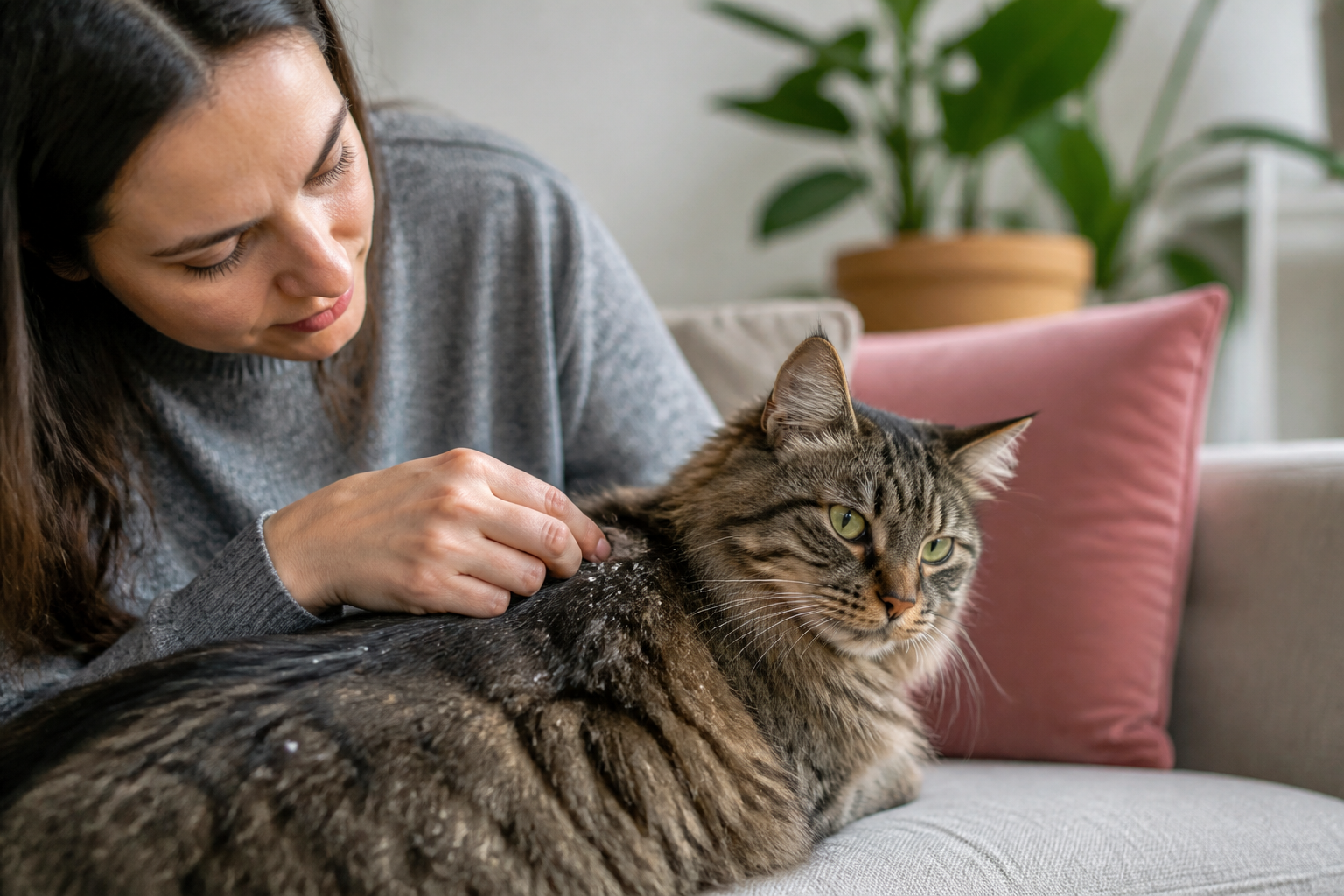
You are petting your cat when you notice a dusting of white flakes across their back. On a sleek black or dark tabby coat, these specks stand out immediately and can make your pet look a bit unkempt. While it looks like a simple grooming lapse, flaky skin often signals something deeper about your cat's internal health or environment. We understand that seeing your cat uncomfortable or itchy is a concern for any pet owner. At BaxterBoo, we see these questions often and want to help you get to the root of the issue. This guide covers why these flakes appear and how to clear them up through better nutrition, grooming, and targeted care. Understanding the cause is the primary step toward a shiny, flake-free coat.
Quick Answer: To fix cat dandruff, you must address the underlying cause, which is often dry air, poor hydration, or difficulty grooming. Regular brushing, adding omega-3 fatty acids to the diet, and using a humidifier can resolve most mild cases.
Identifying Feline Dandruff vs. Dander
It is important to distinguish between normal skin shedding and actual dandruff. All cats have dander. Dander consists of microscopic skin cells that shed naturally as part of the skin's renewal process. You usually cannot see dander with the naked eye, though it is the primary cause of allergies in humans. Dandruff is different because the flakes are visible. These are larger clumps of dead skin cells that have accumulated because the shedding process is out of balance.
When you notice white flakes, look closely at your cat's skin. Healthy skin should be supple and clear. If you see redness, irritation, or scabs along with the flakes, the issue might be more than just dry skin. Dandruff can be dry and dusty, or it can be greasy. Greasy dandruff often feels oily to the touch and can cause the fur to clump together. Both types indicate that the skin's natural oil production is not functioning correctly.
The Role of Sebum
Sebum is the natural oil produced by the sebaceous glands in your cat's skin. This oil creates a protective barrier that keeps moisture in and irritants out. When a cat has dandruff, their sebum production is usually too high or too low. Low production leads to dry, brittle skin that flakes off easily. High production leads to seborrhea, where the skin becomes oily and the dead cells stick together in larger, yellowish flakes.
Key Takeaway: Visible white flakes are not a normal part of a cat's coat. While dander is microscopic and healthy, dandruff is a sign that the skin's moisture barrier is compromised.
Common Environmental Causes
The air inside your home plays a massive role in the health of your cat's skin. During the winter, indoor heating systems strip moisture from the air. This dry environment quickly dehydrates a cat's skin, leading to seasonal dandruff. If you notice that the flakes only appear when the temperature drops and the heater turns on, the environment is likely the culprit.
Low humidity does more than just cause flakes. It can make the skin itchy, leading to excessive scratching. This scratching can create small tears in the skin, which may lead to secondary infections. If your cat spends a lot of time near heat vents or radiators, they are even more prone to localized dry spots.
Using a Humidifier
One of the easiest ways to fix cat dandruff caused by dry air is to use a humidifier. Adding moisture back into the air helps the skin retain its natural oils. Place the humidifier in the room where your cat spends the most time, such as a bedroom or living room. You do not need to turn the house into a rainforest, but maintaining a humidity level between 40% and 50% can make a significant difference.
Seasonal Changes
Spring and summer bring their own challenges. Seasonal allergies to pollen or dust can cause skin inflammation. When the skin is inflamed, the cell turnover rate increases, causing more dead cells to reach the surface at once. This results in a sudden onset of dandruff. If you notice your cat sneezing or having watery eyes alongside the flakes, allergies are a probable cause.
The Importance of Hydration and Diet
Cats are notoriously poor drinkers. Evolutionarily, they are designed to get most of their moisture from their prey. When we feed a diet consisting solely of dry kibble, many cats live in a state of mild, chronic dehydration. This lack of internal moisture eventually shows up on the outside as dry, flaky skin.
If your cat eats only dry food, consider introducing wet food into their routine. Canned food typically contains about 75% to 80% water, whereas kibble only contains about 10%. This extra moisture helps hydrate the skin from the inside out. If your cat is finicky about wet food, you can try adding a splash of water or plain, unsalted bone broth to their dry kibble. Explore our wet cat food selection for moisture-rich meal options.
Essential Fatty Acids
Nutrition is the foundation of coat health. To maintain a healthy skin barrier, cats need specific fats, particularly Omega-3 and Omega-6 fatty acids. These fats are "essential" because the cat's body cannot produce them on its own. They must come from food or supplements.
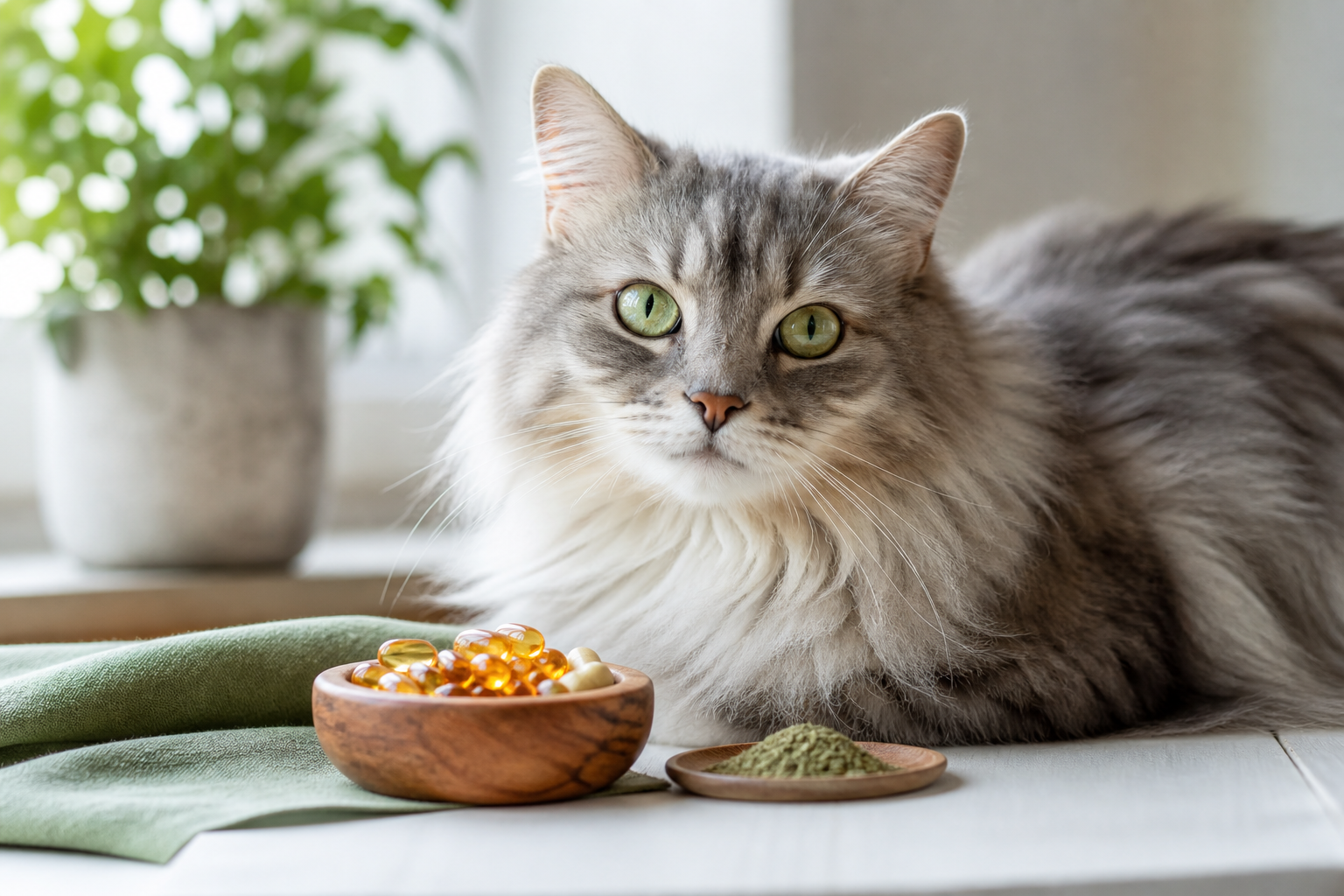
Omega-3 fatty acids, like those found in fish oil, act as natural anti-inflammatories. They help soothe irritated skin and reduce the itchiness that often accompanies dandruff. Brands like Zesty Paws or Honest Paws offer high-quality oils that can be drizzled over your cat's food. Omega-6 fatty acids help maintain the structural integrity of the skin cells. A balance of both is necessary for a glossy, flake-free coat.
High-Quality Proteins
The skin and coat use up to 30% of a cat's daily protein intake. If the diet is low in high-quality animal protein, the body will prioritize internal organs over the skin. This leads to a dull, brittle coat and increased flaking. Look for foods that list a specific animal protein, like chicken, salmon, or turkey, as the first ingredient. We carry a wide variety of premium brands like Stella and Chewy's, Open Farm, and Farmina that focus on these high-quality protein sources. Browse our cat food category to compare different formulas.
Vet Tip: If your cat's dandruff is severe or accompanied by weight loss, consult your veterinarian. They may recommend a prescription diet specifically formulated for skin sensitivities. Our pharmacy carries many of these FDA-approved prescription foods through our partnership with Pet's Choice.
Grooming Habits and Physical Limitations
Healthy cats are meticulous groomers. They spend a large portion of their day licking and cleaning their fur. This process does more than just keep them clean. The rough texture of a cat's tongue acts like a brush, removing dead skin cells and distributing natural oils across the coat. When a cat stops grooming effectively, dandruff builds up quickly.
Obesity and Mobility Issues
Obesity is a leading cause of dandruff in house cats. When a cat is overweight, they simply cannot reach certain parts of their body, particularly the lower back and the base of the tail. This is why you often see a concentrated "strip" of dandruff down the center of an overweight cat's back.
Similarly, older cats with arthritis may find the twisting and turning required for grooming to be painful. If your cat has slowed down or seems stiff when they move, their dandruff might be a sign of joint discomfort. In these cases, fixing the dandruff requires addressing the underlying mobility issue. Supplements like Cosequin or prescription medications from a veterinarian can help manage joint pain, making it easier for your cat to groom themselves again.
The Benefit of Regular Brushing
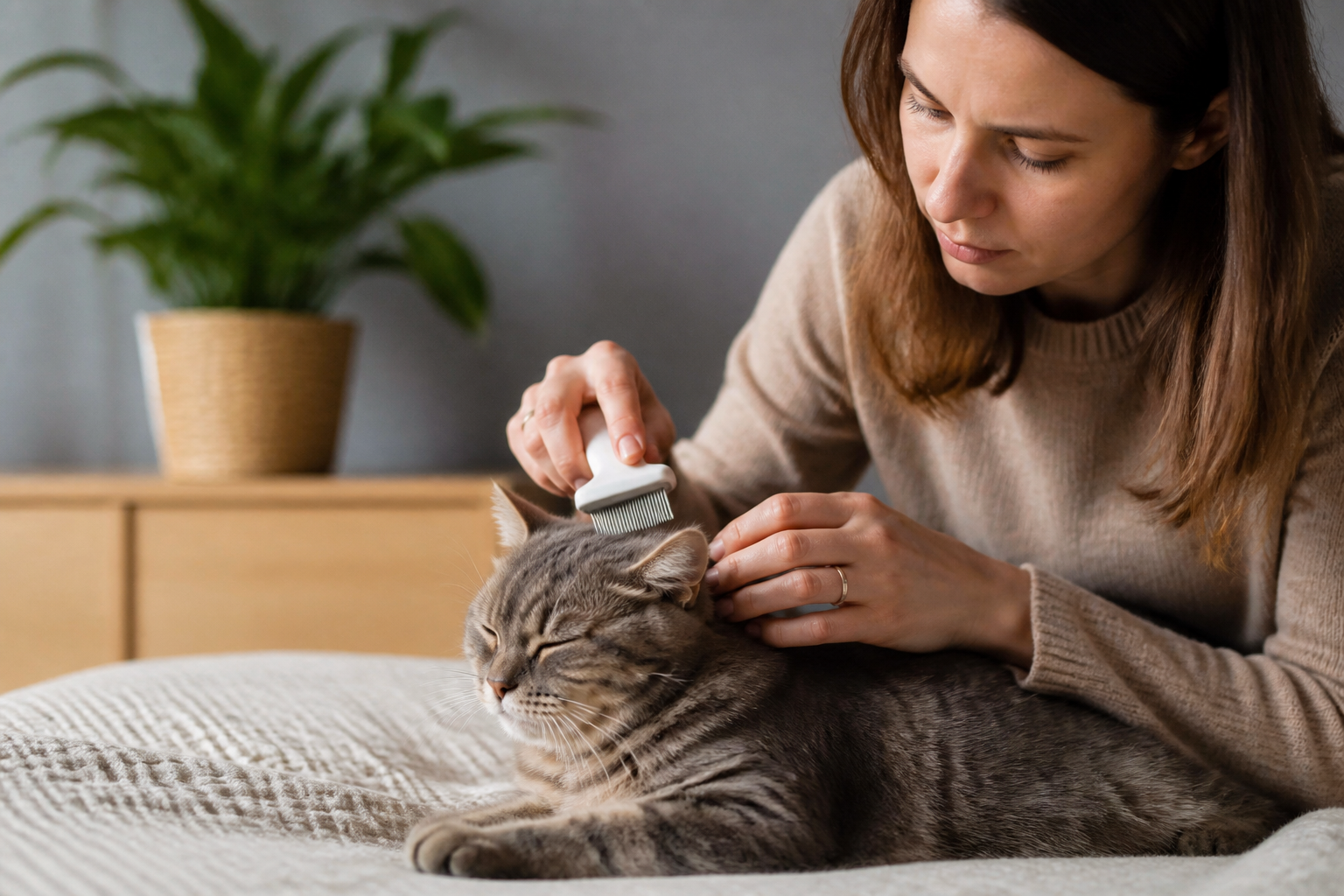
If your cat cannot groom themselves, you must step in. Regular brushing is one of the most effective ways to fix cat dandruff. It mimics the action of the cat's tongue by pulling away dead skin and spreading sebum. Our cat grooming supplies include brushes, combs, shampoos, and other grooming tools.
Step 1: Choose the right tool. / For cats with thick undercoats, a slicker brush or a de-shedding tool is best. For short-haired cats, a soft bristle brush or a rubber grooming mitt works well.
Step 2: Brush in the direction of hair growth. / Use gentle, long strokes. Focus on the areas your cat cannot reach, such as the middle of the back and the base of the tail.
Step 3: Keep sessions short. / If your cat is not used to being brushed, start with just two or three minutes a day. Follow up with a treat to create a positive association.
Step 4: Check the skin. / As you brush, look for signs of irritation, fleas, or lumps. This is a great time to monitor your cat's overall health.
Bottom line: Regular brushing replaces the natural grooming process that may be missing due to age, weight, or joint pain.
Parasites and "Walking Dandruff"
Not all white flakes are dead skin. Sometimes, those flakes are actually tiny parasites. A condition known as Cheyletiellosis is caused by the Cheyletiella mite. These mites are large enough to be seen with the naked eye, and as they move around under the fur, they look like "walking dandruff."
If you notice that the white flakes on your cat appear to be moving, or if the dandruff is accompanied by intense itching and hair loss, mites may be the cause. This condition is highly contagious between pets and can even cause a temporary itchy rash on humans.
Fleas and Flea Dirt
Flea infestations can also lead to dandruff. Fleas bite the skin, causing an allergic reaction in many cats. This inflammation leads to dry, flaky skin. It is important to distinguish between white dandruff flakes and "flea dirt." Flea dirt looks like small specks of black pepper. If you place these black specks on a wet paper towel and they turn red, it is flea dirt (which is actually digested blood).
To fix dandruff caused by parasites, you must eliminate the pests. We offer a range of flea and tick preventatives like Frontline and NexGard. Explore our cat flea and tick collection for parasite-control options. Our BaxterBoo pharmacy also provides prescription-strength parasite control through Pet's Choice for cases that require more intensive treatment. Keeping your cat on a year-round preventative is the best way to ensure parasites do not ruin their skin health.
For more background on parasite prevention, read how flea collars work.
Medical Conditions That Cause Skin Changes
In some cases, dandruff is a symptom of a systemic health issue. When the body is fighting an internal problem, skin health is often the first thing to decline.
Hyperthyroidism and Diabetes
Middle-aged and senior cats are prone to hyperthyroidism, a condition where the thyroid gland is overactive. One of the classic signs of this disease is a greasy, unkempt coat with significant dandruff. Similarly, feline diabetes can cause dry skin and poor coat quality due to dehydration and metabolic changes.
Skin Infections
Bacterial or fungal infections, such as ringworm, can cause localized patches of dandruff and hair loss. Ringworm is not a worm but a fungus that feeds on the protein in the skin and hair. It often appears as circular patches of dry, flaky skin. Because ringworm can spread to humans and other pets, it requires a prompt diagnosis from a veterinarian.
Vet Tip: If your cat's dandruff is localized to specific patches, or if you see any "walking" flakes, make an appointment with your vet. These issues often require medicated shampoos or oral medications that only a professional can provide.
Solutions and Home Care Strategies
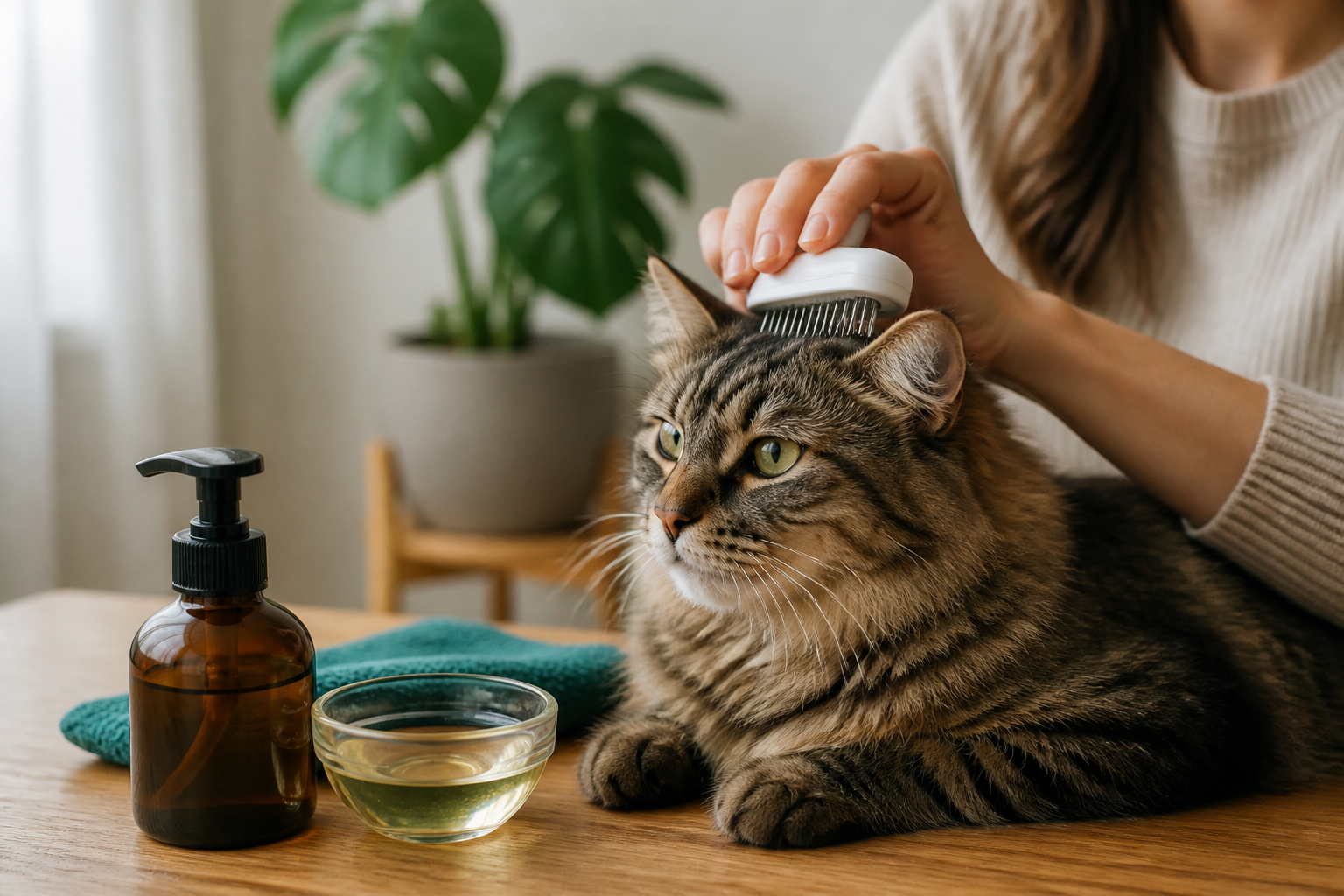
Once you have ruled out serious medical conditions with your vet, you can focus on a home care routine. Consistency is the most important factor when trying to fix cat dandruff. It often takes three to four weeks of a new routine before you see a visible improvement in the coat.
Bathing Your Cat
Most cats do not need regular baths, and for a cat with dry skin, a bath can sometimes make the problem worse by stripping away remaining oils. However, if your cat has very greasy dandruff or a fungal infection, a medicated bath might be necessary.
Always use a shampoo specifically formulated for cats. Human shampoos have a different pH balance and can be very irritating to feline skin. Look for ingredients like oatmeal, aloe vera, or salicylic acid to help soothe the skin and loosen flakes. Ensure you rinse the coat thoroughly, as any leftover soap residue will cause more itching and flaking once the fur dries.
Using Water Fountains
Since hydration is so vital, many owners find success by switching from a standard water bowl to a pet fountain. Cats are instinctively drawn to running water, which they perceive as fresher and safer. A fountain can encourage a picky cat to drink significantly more water throughout the day, which directly supports skin moisture.
Managing Weight
If obesity is preventing your cat from grooming, a weight management plan is the long-term solution. Work with your vet to determine the correct caloric intake for your pet. Using a weight management food, like the Farmina Vet Life range, can help your cat lose weight safely while still getting all the nutrients they need for a healthy coat. As the weight comes off, your cat will be able to reach those difficult spots again, and the dandruff will naturally subside.
When to Seek Veterinary Help
While many cases of cat dandruff are minor, you should never ignore skin changes that occur alongside other symptoms. The skin is a window into your cat's internal health.
Schedule a veterinary visit if you notice:
- Extreme lethargy or hidden behavior
- Significant changes in appetite or thirst
- Vomiting or diarrhea
- Patches of total hair loss
- Sores, scabs, or bleeding skin
- Intense, non-stop scratching or biting at the skin
Your vet may perform a skin scraping to look for mites under a microscope or run blood work to check for underlying diseases like diabetes or thyroid issues. Getting an accurate diagnosis early can prevent a minor skin issue from becoming a chronic health problem.
Conclusion
Fixing cat dandruff is rarely about a single "quick fix" and more about overall wellness. By improving your cat's hydration, providing a high-quality diet rich in fatty acids, and maintaining a regular grooming routine, you can keep their coat sleek and healthy. Remember to monitor the humidity in your home during the winter and stay consistent with flea prevention throughout the year. If home care does not show results within a month, or if your cat seems uncomfortable, reaching out to your veterinarian is the best next step.
- Increase moisture with wet food or water fountains.
- Add Omega-3 fatty acid supplements to daily meals.
- Brush your cat several times a week to distribute natural oils.
- Use a humidifier to combat dry indoor air.
Key Takeaway: A flake-free coat starts from within. Focus on high-quality nutrition and hydration to fix cat dandruff for the long term.
For pets requiring specialized care, our cat pharmacy offers a wide range of prescription diets and medications through our partnership with Pet's Choice. You can also sign up for Autoship to ensure your cat never runs out of the premium food and supplements they need to stay healthy.
FAQ
Is it normal for cats to have some dandruff?
A few occasional flakes are common, especially during seasonal changes or when the air is very dry. However, frequent or heavy dandruff is usually a sign that your cat needs more hydration, better nutrition, or help with grooming. If the flakes are constant, it is time to look at their diet and environment.
Can I use human dandruff shampoo on my cat?
No, you should never use human dandruff shampoo on a cat. These products are formulated for the pH level of human skin and often contain ingredients like zinc pyrithione or coal tar that can be toxic if your cat licks their fur. Always use a soap-free shampoo specifically designed for felines.
How often should I brush my cat to fix dandruff?
For a cat with active dandruff, daily brushing is recommended until the flakes subside. Once the skin is healthy, brushing two to three times a week is usually enough to maintain the coat. If your cat is a long-haired breed or has mobility issues, they may always require daily grooming assistance.
When should I see a vet for my cat's flaky skin?
You should see a vet if the dandruff is accompanied by redness, scabs, hair loss, or intense itching. It is also important to seek professional help if your cat's behavior changes, such as becoming lethargic or losing weight. These symptoms often point to underlying medical issues like parasites, infections, or metabolic diseases.