
 Save 15% on your 1st Autoship learn more

 Email us
 Live Chat
 FAQs





Introduction
You are petting your cat on a quiet afternoon when you notice a dusting of white specks across their lower back. On a dark coat, these flakes stand out like salt on a black sweater. This is cat dandruff, and while it might look like a simple grooming lapse, those flakes are often a signal from your cat's body about their internal health or environment. At BaxterBoo, we know how much it matters to keep your feline companion comfortable and flake-free. This guide explores the most effective remedy for cat dandruff options. We will look at grooming techniques, nutritional upgrades, and when a visit to the veterinarian is the necessary next step. By understanding the root cause of these flakes, you can restore your cat's coat to its natural, glossy shine.
Quick Answer: The best remedy for cat dandruff involves a combination of daily brushing to distribute natural oils and adding omega-3 fatty acids to the diet. For many cats, increasing hydration through wet food or water fountains also helps resolve dry, flaky skin.
Understanding Feline Dandruff Versus Dander
Before you reach for a brush or a new bag of food, it is important to know exactly what you are seeing. Many owners use the terms dander and dandruff interchangeably, but they are quite different in the world of feline health. Dander is a perfectly normal part of a cat's biology. These are microscopic skin cells that shed as the skin regenerates. You cannot see dander with the naked eye, though it is the primary culprit for human allergies.
Dandruff consists of larger, visible flakes of dead skin that have clumped together. This happens when the skin's natural shedding process is disrupted or accelerated. When you see these white or grayish flecks on your cat's fur or bedding, you are looking at dandruff. It often appears alongside other coat issues like greasiness, mats, or a dull texture.
Key Takeaway: Dander is invisible and normal for all cats. Dandruff is visible, indicates a skin imbalance, and requires active management to resolve.
Cat Skin & Coat Care








Common Causes of Flaky Skin in Cats
Identifying the right remedy for cat dandruff starts with finding the cause. Cats are meticulous groomers by nature, so when flakes begin to pile up, something has usually interrupted their routine or compromised their skin barrier.
Lack of Proper Grooming
Grooming is how a cat removes dead skin and distributes natural oils across their body. If a cat stops grooming effectively, dandruff is one of the first signs. This is very common in senior cats who may have arthritis. It is also a major issue for overweight cats who simply cannot reach certain spots, particularly the base of the tail and the lower back. In these cases, the skin becomes dry and the dead cells have nowhere to go but to sit on the surface.
Environmental Factors
The air inside your home plays a massive role in skin health. During the winter, heating systems strip moisture from the air, which in turn strips moisture from your cat's skin. This leads to seasonal dandruff that often clears up when the humidity rises. Conversely, extreme heat can also lead to dehydration, which shows up as flaky skin.
Nutritional Deficiencies
A cat's skin and coat require a significant amount of protein and specific fats to remain healthy. If their diet is low in essential fatty acids, specifically omega-3 and omega-6, the skin barrier weakens. This allows moisture to escape and irritants to enter. Low-quality fillers or a lack of variety in the diet can leave your cat's skin struggling to stay hydrated from the inside out. Explore our cat food selection when reviewing your cat's nutritional routine.
Parasites and Infections
Sometimes those flakes are not just skin. A condition called walking dandruff is actually caused by the Cheyletiella mite. These mites are large enough to see, and as they move, it looks like the dandruff is crawling across your cat's fur. Standard fleas and ticks can also cause enough irritation and inflammation to lead to heavy flaking. For additional background on parasite protection, read our guide to flea and tick prevention products.
The Best Home Remedy for Cat Dandruff: Grooming
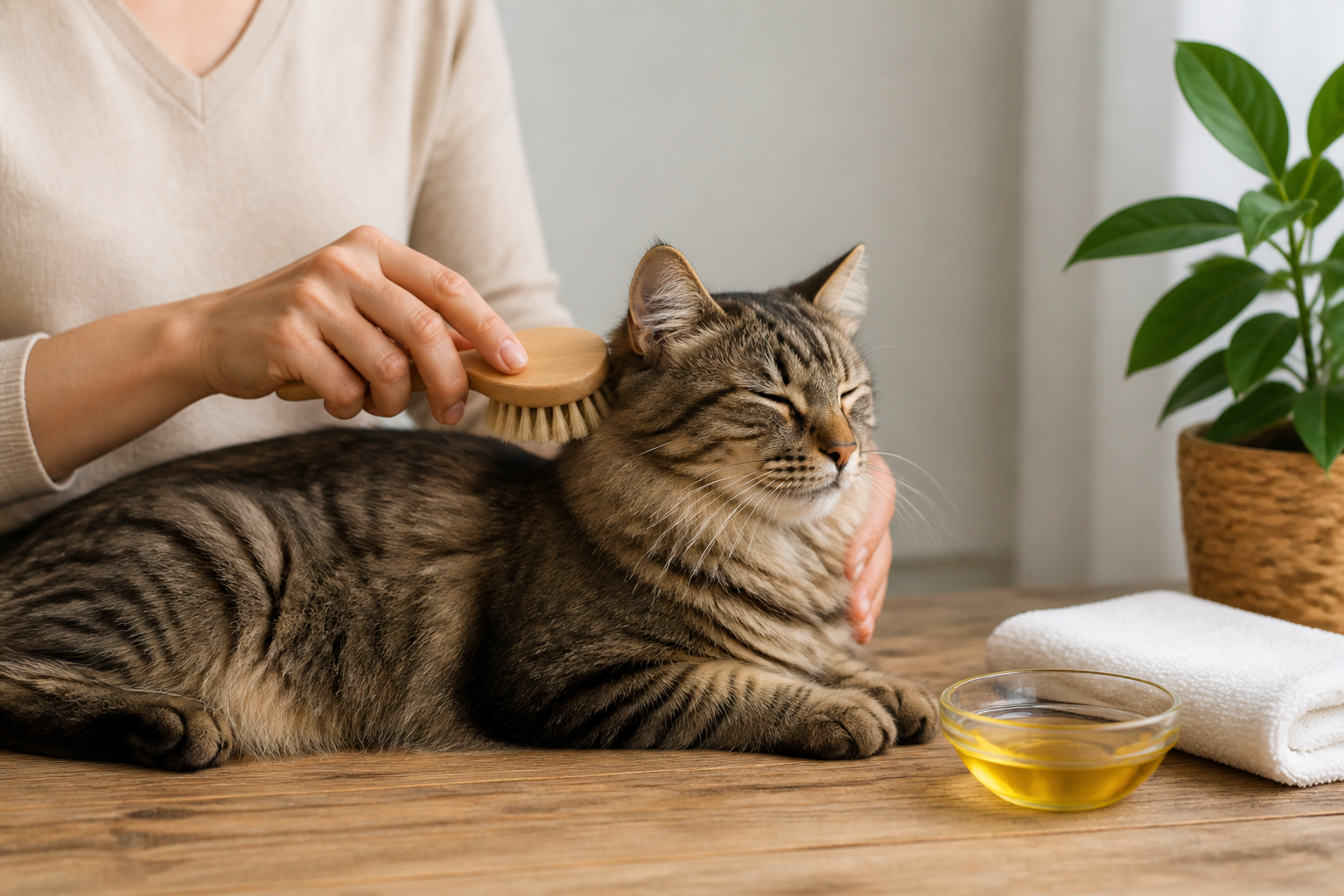
The most immediate remedy for cat dandruff is a consistent grooming routine. You are essentially acting as a substitute for your cat's natural grooming process. This is especially helpful for cats with mobility issues or long hair that traps dead cells near the skin. Our cat grooming supplies include brushes, combs, shampoos, and other coat-care tools.
Choosing the Right Tools
Not all brushes are created equal. For dandruff management, you need a tool that reaches the skin without causing irritation.
- Slicker Brushes: These have fine wire bristles that are excellent for removing loose fur and lifting flakes.
- Rubber Curry Brushes: These are gentle and help massage the skin, which stimulates the production of natural oils.
- Fine-Toothed Combs: These are essential for checking for fleas while also pulling away clumps of dead skin.
The Brushing Technique
Step 1: Start at the head and move toward the tail. / Work in the direction of hair growth to keep the cat comfortable.
Step 2: Focus on the lower back. / This is where dandruff usually accumulates the most due to limited reach.
Step 3: Use short, gentle strokes. / Avoid pressing too hard, as dry skin can be sensitive or even sore.
Step 4: Wipe the coat down. / Use a damp, pet-safe cloth after brushing to pick up any remaining loose flakes.
Vet Tip: If your cat's dandruff is accompanied by red skin, sores, or patches of hair loss, stop home grooming and consult your veterinarian. These can be signs of a fungal infection like ringworm which requires specific medical treatment.
Nutritional Upgrades for Skin Health
A long-term remedy for cat dandruff often lies in the food bowl. What your cat eats directly impacts the oil production in their sebaceous glands. If those glands are underactive, the skin becomes brittle.
The Power of Omega Fatty Acids
Omega-3 and omega-6 fatty acids are the building blocks of a healthy skin barrier. Many high-quality brands we carry at BaxterBoo, such as Farmina and Orijen, include these naturally through fish and high-quality animal fats. If you do not want to switch foods, you can add a supplement. Fish oil or krill oil drops are highly effective. Brands like Zesty Paws or Honest Paws offer targeted skin and coat supplements that are easy to mix into wet food. You can browse our cat healthcare products for skin and coat support options.
Hydration and Wet Food
Cats have a low thirst drive. In the wild, they get most of their water from their prey. If a cat eats only dry kibble, they are often in a state of mild, chronic dehydration. This shows up as dry, flaky skin.
- Introduce Wet Food: Even adding one small meal of canned food per day can significantly increase water intake.
- Add Water to Kibble: A splash of warm water or low-sodium tuna juice can make dry food more hydrating.
- Use a Fountain: Many cats prefer moving water. A fountain encourages them to drink more frequently than a still bowl.
Bottom line: Hydrating your cat from the inside out is often more effective than any topical spray or shampoo.
Environmental Adjustments
If you notice that your own skin feels tight and dry during the winter, your cat is likely feeling the same way. The remedy for cat dandruff in a dry home is often as simple as increasing the humidity.
Using a Humidifier
Placing a humidifier in the room where your cat spends the most time can make a noticeable difference within a week. Aim for a humidity level between 40% and 50%. This prevents the air from pulling moisture out of your cat's skin.
Avoiding Over-Bathing
It is a common mistake to think a bath will wash away dandruff. In reality, bathing a cat too often can strip away the very oils they need to stay flake-free. Unless your cat has a greasy medical condition like seborrhea, they rarely need full baths. If you must bathe them, always use a moisturizing shampoo specifically formulated for cats. Never use human dandruff shampoo, as the pH levels are different and the active ingredients can be toxic to felines. For less stressful cleaning between baths, consider waterless cat grooming products.
When to Use the BaxterBoo Pharmacy
Sometimes home remedies are not enough. If your cat's dandruff is caused by an underlying medical condition, you will need professional guidance and specific medications. This is where our partnership with Pet's Choice becomes a vital resource for your pet's care. Our cat pharmacy offers prescription products for cats when recommended by a veterinarian.
Prescription Diets
For cats with severe food allergies or metabolic issues like hyperthyroidism, a specialized diet may be required. We carry prescription lines through our pharmacy that are formulated to address these specific health needs. These foods are designed to be highly digestible while providing the precise nutrient balance needed to repair the skin barrier.
Parasite Prevention
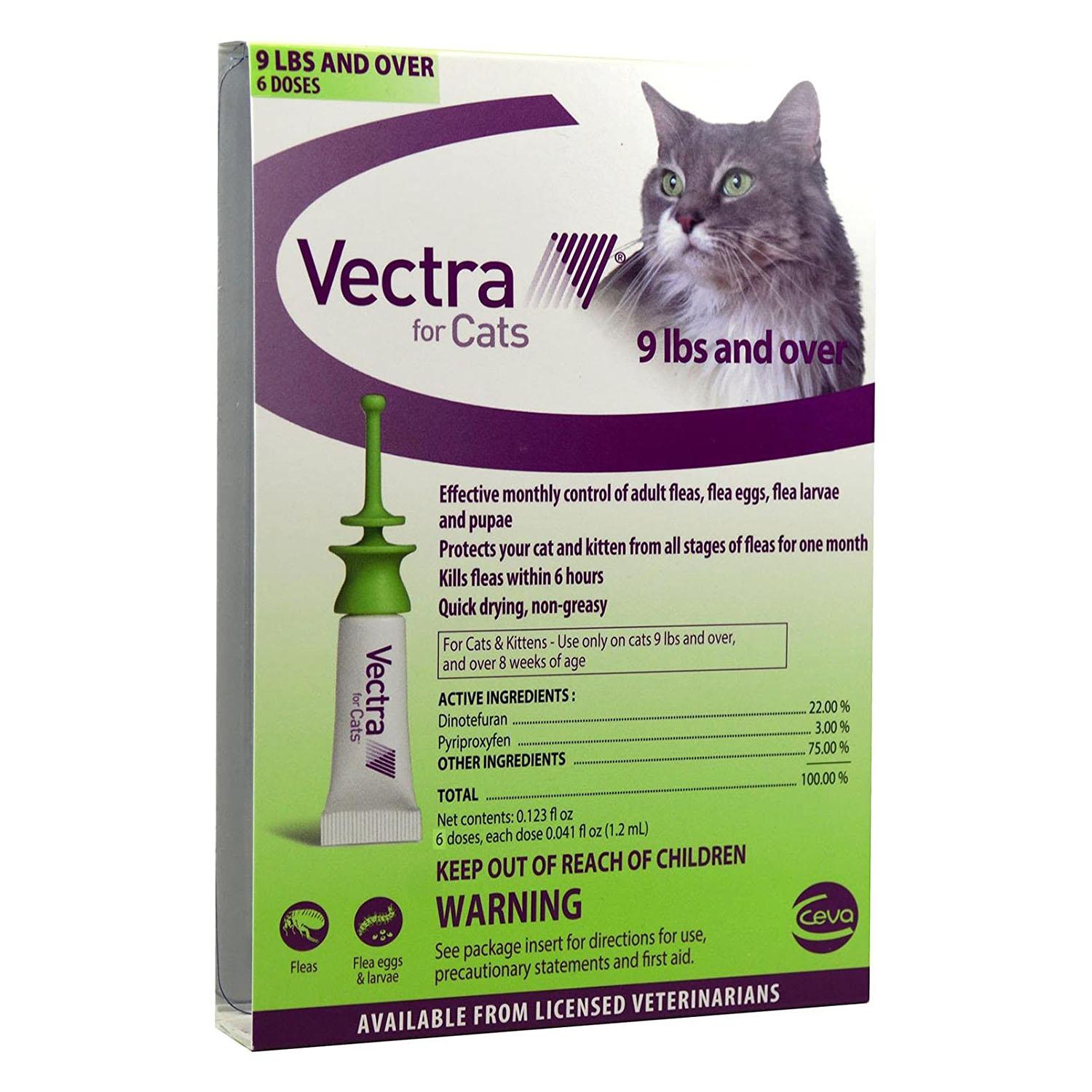
If the "dandruff" is actually mites or a reaction to flea bites, you need FDA-approved preventatives. Our pharmacy offers a range of flea and tick solutions that require a veterinarian's prescription. Keeping your cat on a year-round preventative is the best way to ensure that parasites never have a chance to ruin their coat. You can also review our cat flea and tick collection for available prevention products.
Managing Chronic Conditions
Diabetes and kidney disease can both cause a cat's coat to look dull and flaky. Managing these conditions requires ongoing medication. By using our pharmacy service, you can have your cat's chronic medications delivered right to your door alongside your regular pet supplies.
Vet Tip: Always get a formal diagnosis from your vet before starting any prescription medication or therapeutic diet. Dandruff is a symptom, and treating the wrong underlying cause will not provide your cat with relief.
Specialized Products for Skin Support
Beyond basic food, there are several products designed specifically to support the skin's health. When looking for a remedy for cat dandruff, consider these categories:
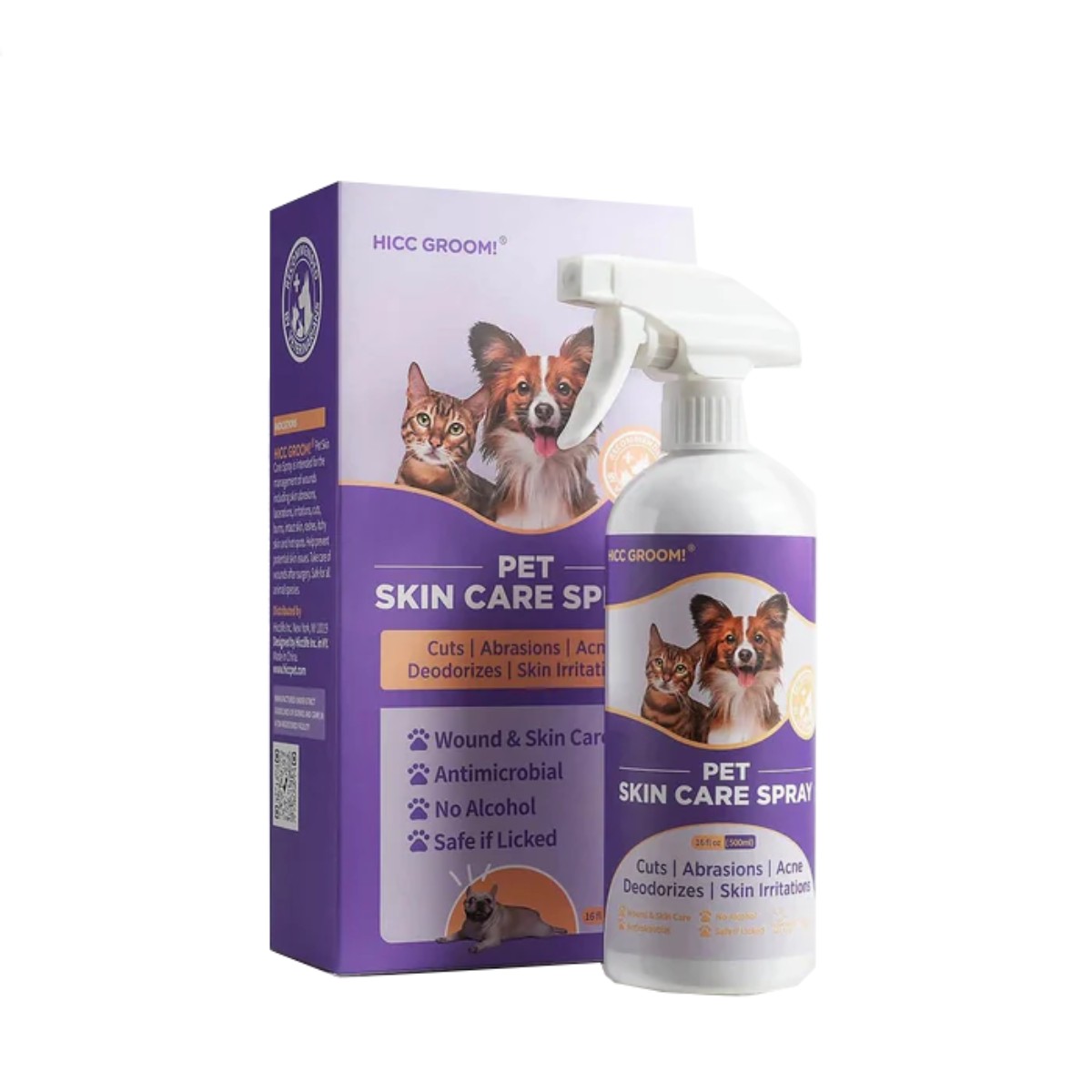
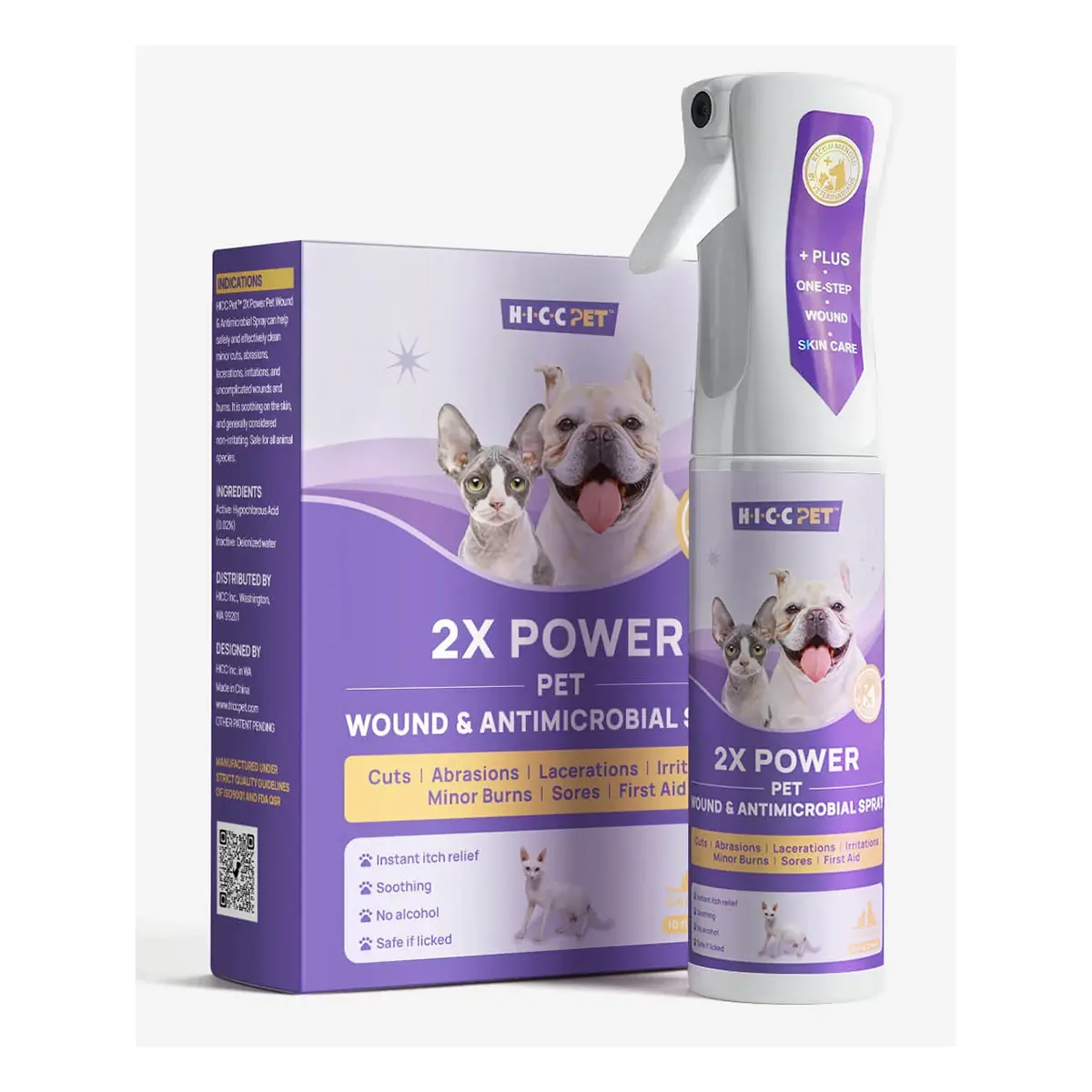
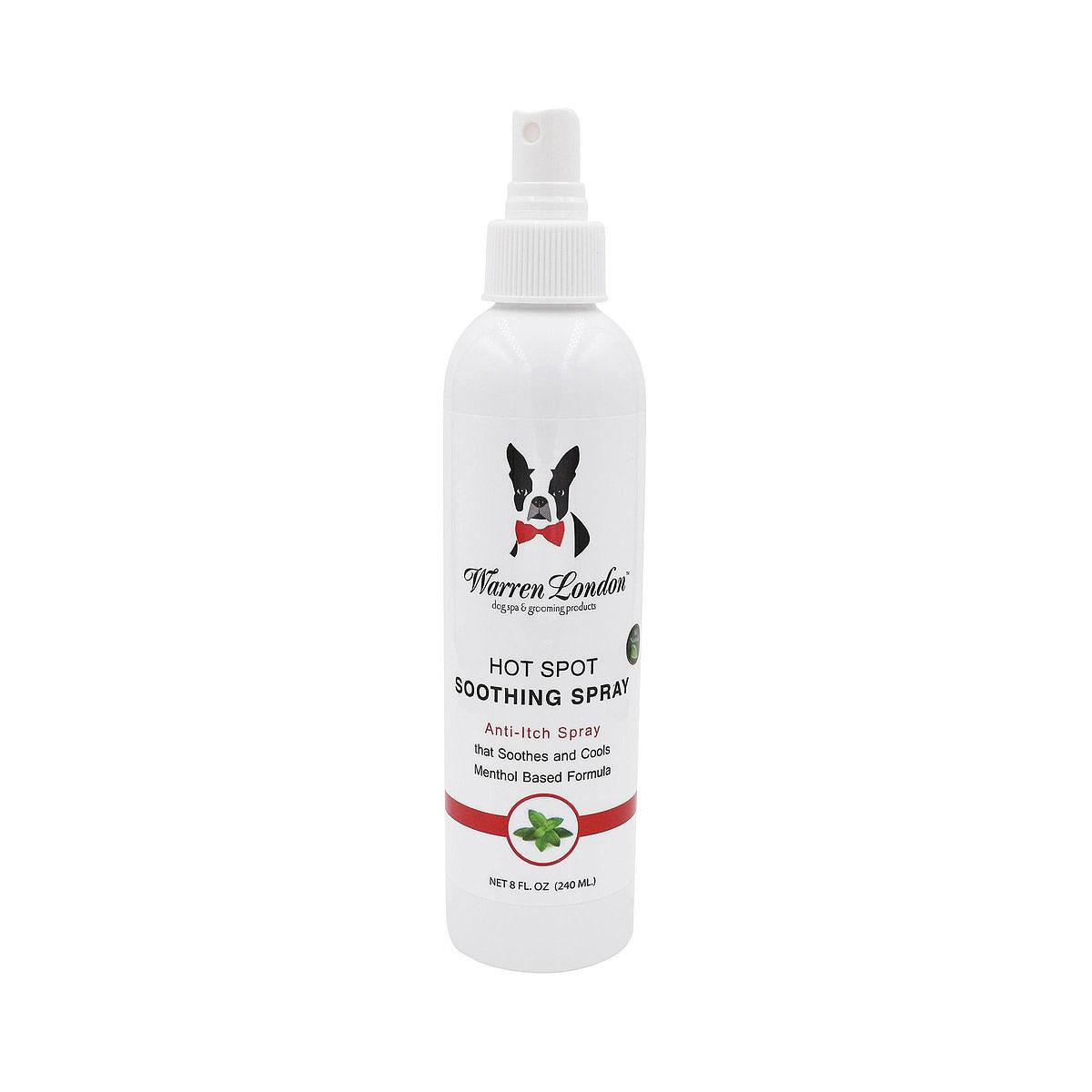
- Conditioning Sprays: Leave-in conditioners can help hydrate the fur between brushings. Look for products containing aloe or oatmeal.
- Waterless Shampoos: These foams allow you to clean the coat and lift flakes without the stress of a full bath.
- Dermatology Supplements: Look for chews or liquids that contain biotin and zinc, which are essential for skin repair.
| Remedy Type | Best For | Key Benefit |
|---|---|---|
| Daily Brushing | Senior or Overweight Cats | Distributes oils and removes dead cells |
| Omega Supplements | Dry, Brittle Coats | Strengthens the skin's moisture barrier |
| Humidifiers | Seasonal Winter Dandruff | Prevents environmental skin drying |
| Prescription Diet | Allergies or Medical Issues | Addresses internal causes of skin flaking |
The Role of Weight Management
Because obesity is such a frequent cause of dandruff, weight management is a powerful long-term remedy. If a cat is too heavy to reach their lower back, dandruff will always return, no matter how much you brush them.
We offer weight management formulas from brands like Farmina Vet Life that help cats lose weight safely without feeling hungry. Combine a calorie-controlled diet with increased play using interactive toys. As your cat becomes more mobile, they will be able to take over their own grooming duties again. This not only clears up the dandruff but also improves their overall quality of life and joint health.
Summary of Action Steps
Managing cat dandruff is a multi-step process. You cannot simply fix it overnight, but with a consistent plan, you will see a significant improvement in your cat's comfort and appearance.
- Audit the Diet: Ensure they are getting high-quality protein and essential fats.
- Increase Hydration: Switch to wet food or use a water fountain.
- Daily Grooming: Use a soft brush to help your cat reach the spots they are missing.
- Consult the Vet: Rule out parasites, allergies, or internal health issues.
- Use the Pharmacy: Pick up any necessary prescriptions or medicated shampoos through our partnership with Pet's Choice.
Key Takeaway: Feline dandruff is usually a sign that your cat needs a little extra help with their grooming or nutrition. A few small changes to their daily routine can make a world of difference for their skin.
Conclusion
Finding the right remedy for cat dandruff does not have to be an overwhelming task. By focusing on high-quality nutrition, regular grooming support, and environmental moisture, most owners can successfully clear up those pesky white flakes. Remember that your cat's coat is a window into their overall well-being. If home remedies do not show results within a few weeks, or if your cat seems itchy and uncomfortable, reach out to your veterinarian for a professional evaluation. You can find everything you need to support your cat's skin health at BaxterBoo, from premium omega-enriched foods to our specialized pharmacy for prescription needs. For the best value and to ensure you never run out of skin-supporting supplies, consider signing up for our Autoship programme. It is a simple way to keep your cat feeling their best while earning MVP Rewards on every order.
FAQ
Is it normal for my cat to have a little dandruff?
A few occasional flakes are common, especially during seasonal changes or as a cat ages. However, if the flakes are constant, cover a large area of the body, or are accompanied by redness and itching, it usually indicates an underlying issue like poor nutrition or a lack of grooming.
Can I use human dandruff shampoo on my cat?
No, you should never use human dandruff shampoo on a cat. These products are formulated for the human scalp, which has a different pH level than feline skin, and many contain ingredients that are toxic if the cat licks their fur. Always use a shampoo specifically designed for cats or consult your vet for a prescription option.
How long does it take for cat dandruff to go away?
If the cause is environmental or nutritional, you can expect to see an improvement in about three to four weeks. This is the time it takes for a cat's skin cells to fully regenerate. If the cause is parasitic, the dandruff should resolve shortly after the parasites are eliminated.
Can food allergies cause my cat to have dandruff?
Yes, food allergies are a very common cause of skin issues in cats. When a cat is sensitive to an ingredient, it often causes inflammation that leads to dry, itchy, and flaky skin. Switching to a limited-ingredient diet or a prescription hypoallergenic food from our pharmacy can often resolve these symptoms.






- Site & Contents BaxterBoo.com. BaxterBoo is located in the United States.
- Privacy & Security
- Terms of Use
- Accessibility Statement
