
 Save 15% on your 1st Autoship learn more

 Email us
 Live Chat
 FAQs
FAQs





Introduction
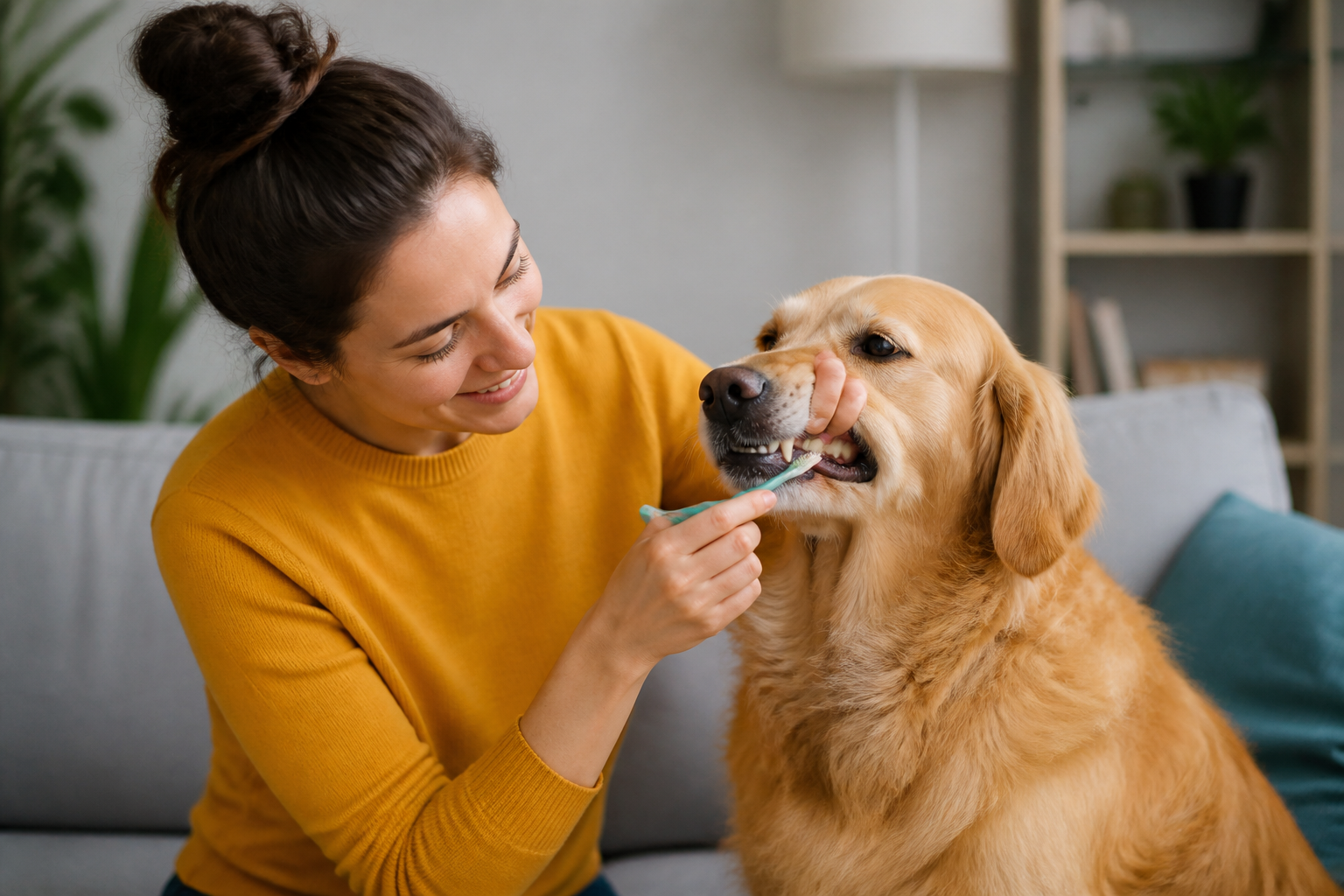
You are relaxing on the couch when your dog leans in for a friendly lick, and the smell is enough to make you recoil. While "dog breath" is a common joke among pet owners, a persistent foul odor often signals underlying health issues that need your attention. At BaxterBoo, we know that many owners feel intimidated by the idea of scrubbing their pet's teeth. This guide will walk you through the most effective methods for maintaining your dog’s oral hygiene, from the initial introduction to the brush to choosing the right supplements. Staying consistent with dental care now can prevent expensive and painful procedures later in your dog’s life. We want to help you make this a stress-free part of your daily routine.
Why Dental Care Matters for Your Dog
Oral health is about more than just fresh breath. It is a critical component of your dog's overall physical wellness. When food particles and bacteria are left in the mouth, they form a sticky film called plaque. If this plaque is not removed within 24 to 48 hours, it begins to harden into tartar. Tartar is a mineralized substance that is much harder to remove and provides a home for even more bacteria to grow.
As bacteria thrive, they can cause inflammation of the gums, known as gingivitis. This is often the first stage of periodontal disease. If the infection remains untreated, it can cause the gums to recede and the bone supporting the teeth to deteriorate. This leads to loose teeth, pain, and difficulty eating.
The stakes are even higher than just tooth loss. The mouth is highly vascular, meaning it has a rich supply of blood vessels. Bacteria from an infected mouth can enter the bloodstream and travel to vital organs. This increases the risk of damage to the heart, kidneys, and liver.
Quick Answer: Clean your dog’s teeth by using a pet-safe toothbrush and enzymatic toothpaste at a 45-degree angle to the gum line. Start slowly to build trust and aim for daily sessions to prevent plaque from hardening into tartar.
Gathering Your Supplies
You cannot use human products to clean your dog's teeth. This is the most important rule of pet dental care. Human toothpaste often contains fluoride and artificial sweeteners like Xylitol, both of which are toxic to dogs. Because dogs cannot rinse and spit, they swallow everything you put in their mouth.
Choosing a Toothbrush
There are several types of brushes designed specifically for canine mouths. Each has its own benefits depending on the size of your dog and their level of comfort.
- Finger Brushes: These are small, silicone or rubber caps that slip over your pointer finger. They have soft bristles on one side. These are excellent for puppies or dogs who are nervous about having objects in their mouths.
- Long-Handle Brushes: These look similar to human toothbrushes but usually have a curved handle to reach the back molars. Some have two heads at different angles to clean multiple surfaces at once.
- Small-Head Brushes: For toy breeds like Chihuahuas or Poodles, a standard dog brush is often too bulky. A child-sized soft toothbrush can be a good substitute if you cannot find a specialized tiny pet brush.
For another option, consider the Pure and Natural Pet Organic Dental Solutions Bamboo Dog Toothbrush, which has a small head and recyclable nylon bristles.
Selecting Toothpaste
Pet toothpaste is enzymatic, meaning it uses enzymes to help break down plaque chemically even after you stop brushing. It also comes in flavors that dogs actually enjoy, such as poultry, beef, or peanut butter. This makes the experience feel more like a treat than a chore.
Vet Tip: If your dog has red, swollen gums or bleeds during a gentle brushing session, stop immediately and consult your veterinarian. These are signs of advanced dental disease that may require a professional cleaning or medical intervention before home care can continue.
Step-by-Step Guide to Brushing Dog Teeth
Consistency is more important than perfection when you are first starting out. If you can only brush one side of the mouth today, that is okay. You can do the other side tomorrow. The goal is to make the experience positive.
For additional guidance on introducing dental care gradually, read these pet dental care tips.
Step 1: Handle the Mouth
Before you ever introduce a brush, get your dog used to you touching their lips and gums. Rub your finger along their teeth in a circular motion. Do this for a few seconds and then give them a reward. Repeat this daily until they are completely comfortable with you handling their mouth.
Step 2: Introduce the Taste
Let your dog lick a small amount of the enzymatic toothpaste off your finger. They should view the flavor as a high-value reward. Once they like the taste, rub a bit of the paste directly onto their large canine teeth with your finger.
Step 3: Present the Brush
Put a small dab of toothpaste on the brush and let your dog lick it off. This helps them associate the physical tool with the tasty paste. If they try to chew on the brush, gently redirect them and keep the session short.
Step 4: Use Circular Motions
Lift the upper lip and place the brush at a 45-degree angle to the gum line. Use small, gentle circular motions. Focus most of your effort on the outside of the teeth, which is where the most plaque accumulates. You do not need to worry as much about the inside surfaces near the tongue, as the dog's tongue naturally helps keep those areas cleaner.
Step 5: Focus on the Back
Plaque and tartar build up most heavily on the large molars at the very back of the mouth. Ensure you slide the brush far enough back to reach these areas. You may need to gently pull the corner of the lip back to see what you are doing.
Step 6: Reward and Praise
Always end the session on a high note. Give your dog plenty of verbal praise or a dental-friendly treat. This reinforces the idea that sitting still for brushing leads to good things.
Key Takeaway: Aim for daily brushing, but three times a week is the minimum required to prevent plaque from turning into permanent tartar. Short, frequent sessions are more effective than one long session once a month.
Alternatives to Traditional Brushing
We understand that not every dog will tolerate a toothbrush. If you have a rescue dog with a history of mouth trauma or a particularly stubborn pet, you can use other tools to support their oral health.
Explore our dog dental and breath care collection for toothbrushes, dental treats, water additives, and other oral-care products.
Dental Wipes
These are textured pads treated with many of the same enzymes found in toothpaste. You simply wrap the wipe around your finger and rub it over the tooth surfaces. While they do not reach into the crevices as well as bristles, they are far better than doing nothing at all.
Dental Chews and Toys
Chewing is a natural behavior for dogs that provides mechanical scraping. Products like Greenies or textured Kong toys are designed to rub against the teeth as the dog chews. This helps knock off soft plaque before it hardens.
Check for products that carry the Veterinary Oral Health Council (VOHC) seal of approval. This seal means the product has been tested and proven to reduce plaque or tartar by a certain percentage.
For more ideas, see this guide to warning signs of bad teeth in dogs.
Water Additives
Water additives are liquid solutions you pour into your dog's daily drinking water. They contain ingredients that help kill the bacteria that cause bad breath and plaque. This is a "set it and forget it" method that is helpful for multi-dog households or pets that are very difficult to handle.
The Role of Prescription Dental Diets
Sometimes, standard kibble and brushing are not enough for dogs prone to rapid tartar buildup. In these cases, your veterinarian might recommend a prescription dental diet. These foods are designed with a specific kibble structure that does not shatter immediately when the dog bites down. Instead, the tooth sinks into the kibble, allowing the fibers to scrub the tooth surface like a squeegee.
Our pharmacy at BaxterBoo offers a variety of FDA-approved medications and prescription pet foods through our partnership with Pet's Choice. If your vet prescribes a specific brand like Royal Canin Dental or Farmina Vet Life, you can fulfill those needs with us. These diets are often part of a long-term plan for dogs who have already undergone professional cleanings and need extra support to prevent a relapse of periodontal disease.
Vet Tip: Prescription dental diets are formulated for specific health needs and should only be used under the guidance of a veterinarian. They may have different caloric or mineral contents that need to be balanced with your dog's overall health profile.
Identifying Signs of Dental Pain
Dogs are notorious for hiding pain. This is an ancestral survival instinct. By the time a dog stops eating because of a toothache, the problem is usually very advanced. You should keep an eye out for more subtle signs that your dog’s mouth is bothering them.
- Dropping food: If your dog picks up a piece of kibble and then drops it or tries to chew on only one side of the mouth, they may have a painful tooth.
- Pawing at the face: Frequent scratching at the muzzle or rubbing their face against the carpet can indicate discomfort.
- Changes in play: A dog that suddenly loses interest in tug-of-war or fetching their favorite hard ball might be avoiding pressure on their gums.
- Excessive drooling: While some breeds are naturally drooly, a sudden increase in saliva can be a sign of oral irritation or infection.
If you notice these behaviors, it is time to schedule a professional exam. A vet can use dental X-rays to see what is happening beneath the gum line, where the majority of dental disease hide.
For a closer look at these symptoms, review the warning signs of dental disease in dogs.
Professional Cleaning and Anesthesia
At-home care is a preventive measure, but it cannot remove tartar once it has hardened into place. Professional cleaning is the only way to restore a mouth that has significant buildup. This procedure is performed under general anesthesia for several reasons.
Anesthesia allows the veterinarian to perform a deep cleaning under the gum line without causing the dog stress or pain. It also ensures the dog remains still so that sharp instruments do not accidentally cut the soft tissues of the mouth. Most importantly, it allows the vet to intubate the dog, which protects their airway from the bacteria-laden mist created during the scaling process.
Many owners worry about anesthesia, especially for senior dogs. However, the risks of leaving a chronic infection in the mouth often outweigh the risks of a supervised medical procedure. Your vet will typically perform blood work beforehand to ensure your pet's organs are healthy enough to process the anesthesia.
Maintaining a Routine for Life
Creating a habit takes time. If you have a new puppy, start the process during their first week home. Even though they will lose their baby teeth, the practice of sitting for brushing will stay with them for life. For older dogs, be patient. It may take weeks of just licking toothpaste before you can actually use a brush.
For puppy-specific dental guidance, read what to know about puppy teeth.
Keep your supplies in a visible spot, like next to your dog's leash or food bin. This serves as a daily reminder for you. When dental care becomes a non-negotiable part of your day, your dog's health will benefit immensely.
Bottom line: Brushing is the gold standard of pet dental care, but a combination of chews, wipes, and professional checkups is the best way to ensure a long, healthy life for your dog.
Conclusion
Taking the time to learn how to clean your dog’s teeth is one of the most proactive steps you can take as a pet owner. It saves your dog from the pain of infections and saves you from the high costs of emergency dental extractions. By using the right tools and moving at your dog's pace, you can turn a potentially stressful task into a simple daily habit. We at BaxterBoo are here to support you with a wide range of dental brushes, enzymatic pastes, and specialized toys. To make things even easier, consider signing up for our Autoship programme. This ensures you never run out of the dental supplies you need while earning you savings and a free MVP Rewards membership for extra rewards on every purchase.
FAQ
How often should I clean my dog's teeth?
Ideally, you should brush your dog’s teeth every day to remove plaque before it has a chance to harden into tartar. If a daily schedule is not possible, aim for at least three times per week to maintain a basic level of oral hygiene. Consistency is the most important factor in preventing long-term dental disease and systemic health issues.
Can I use a regular human toothbrush on my dog?
You can use a soft-bristled human toothbrush, but the size and shape may not be ideal for a dog's mouth. A child's toothbrush is often the right size for small to medium dogs because of the smaller head. However, you must never use human toothpaste, as it contains ingredients like fluoride and Xylitol that are toxic to pets.
My dog hates the toothbrush. What else can I do?
If your dog will not tolerate a brush, you can use dental wipes or even a clean piece of gauze wrapped around your finger to rub away plaque. Combining this with VOHC-approved dental chews, water additives, and specialized dental toys will provide mechanical and chemical cleaning. These alternatives are better than no care at all and can help keep the mouth healthier between vet visits.
Is bad breath normal for dogs?
While dogs do not have minty fresh breath, a truly foul or "rotten" odor is not normal and usually indicates an infection or heavy tartar buildup. If the smell persists despite home brushing, it is a sign that bacteria are thriving under the gum line or in a decayed tooth. You should consult your veterinarian for a professional oral exam to rule out periodontal disease or other health concerns.






