
 Save 15% on your 1st Autoship learn more

 Email us
 Live Chat
 FAQs





Introduction
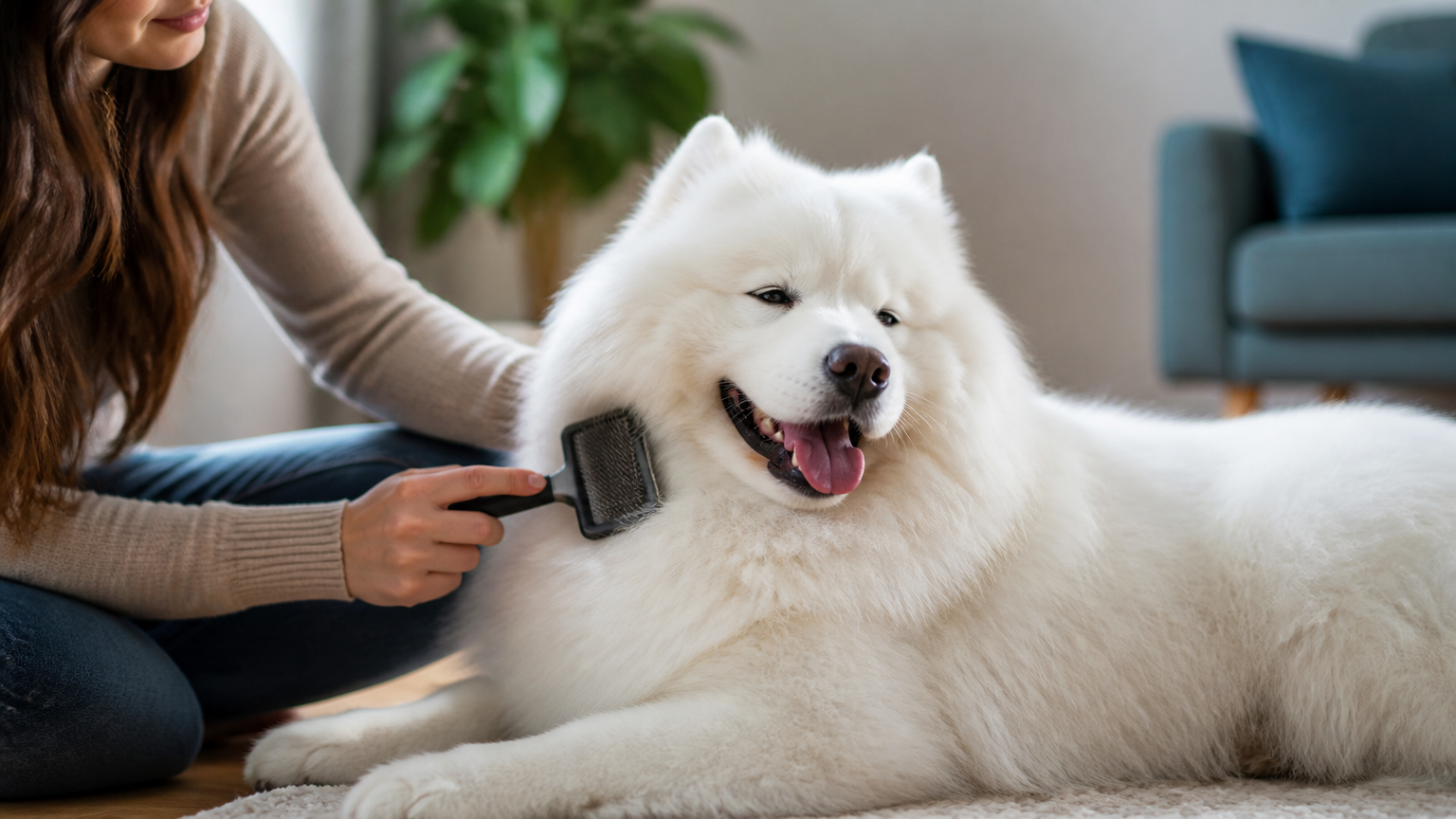
Your Samoyed’s coat can look brushed on the surface while loose undercoat and tangles remain underneath. A slicker brush can help, but choosing one with the right pins and using a gentle technique matters more than brushing harder.
At BaxterBoo, we suggest starting with a slicker suited to a long, dense coat and a metal comb to check your work. An undercoat rake can also be useful when your dog is shedding heavily, though it doesn’t replace the slicker or comb. Here’s how to choose each tool, brush in sections, and keep grooming comfortable for your Samoyed.
Why a Samoyed Needs More Than a Surface Brush
A Samoyed has a double coat: a soft, dense undercoat beneath longer outer hairs. Loose undercoat can collect close to the skin, especially during periods of heavier shedding.
A quick pass over the top may leave the coat looking neat without removing much of that loose hair. Working through small sections helps you reach the coat underneath without pressing the brush into your dog’s skin.
Pay particular attention to places where longer hair rubs together, such as behind the ears, around the collar, and on the backs of the legs. These areas deserve a gentle check even when the rest of the coat looks tidy.
Dog Brushes & Combs








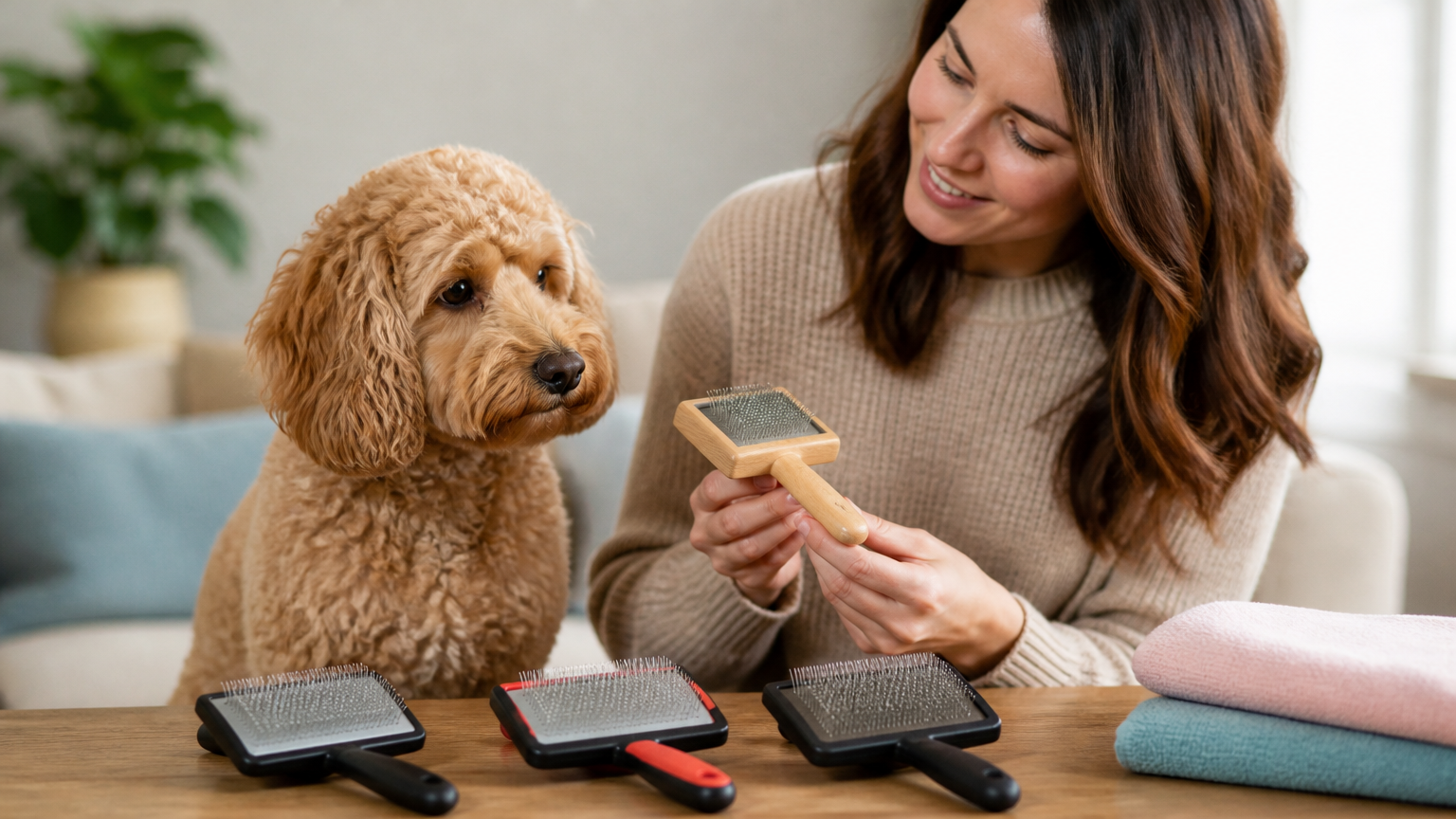
How to Choose a Slicker Brush for a Samoyed
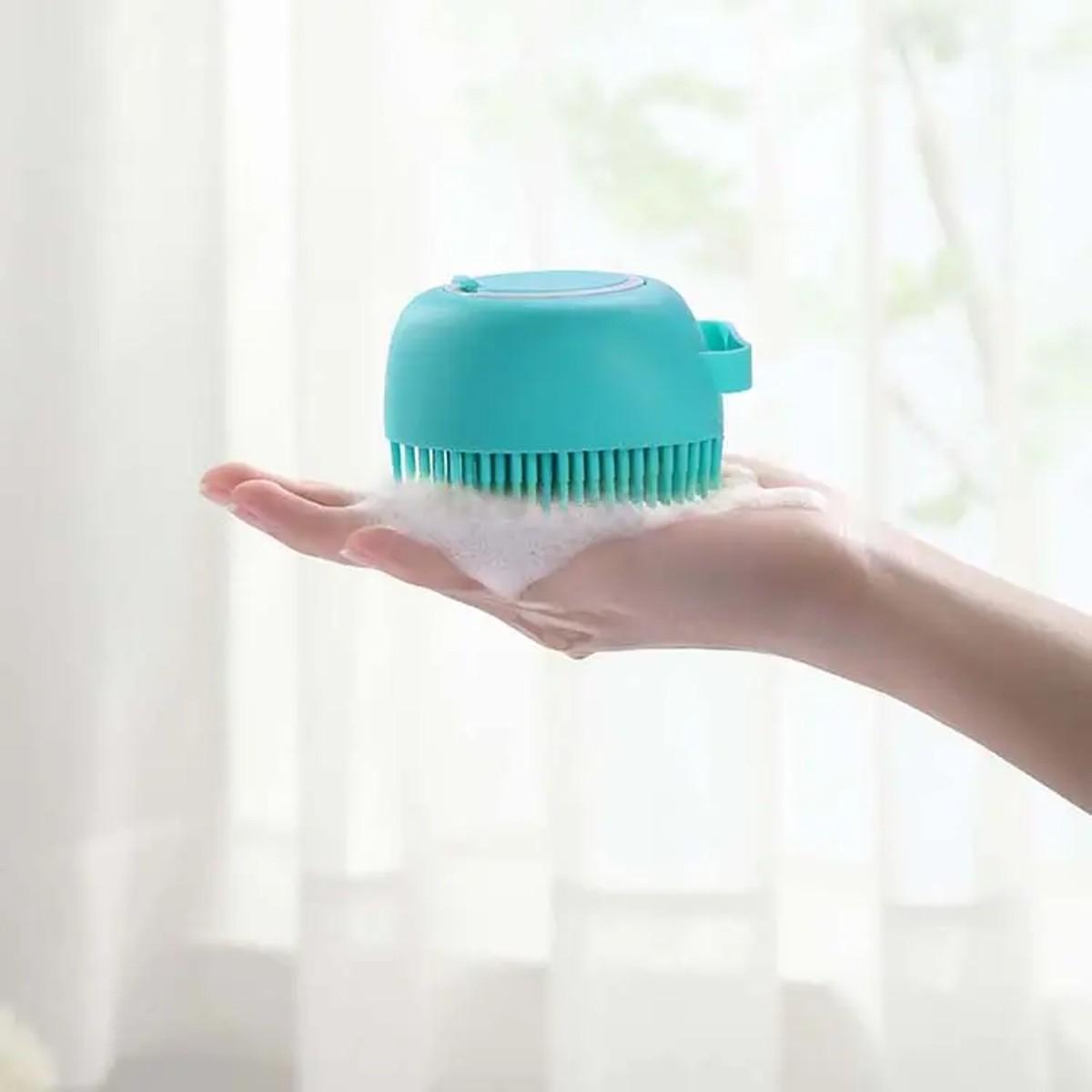
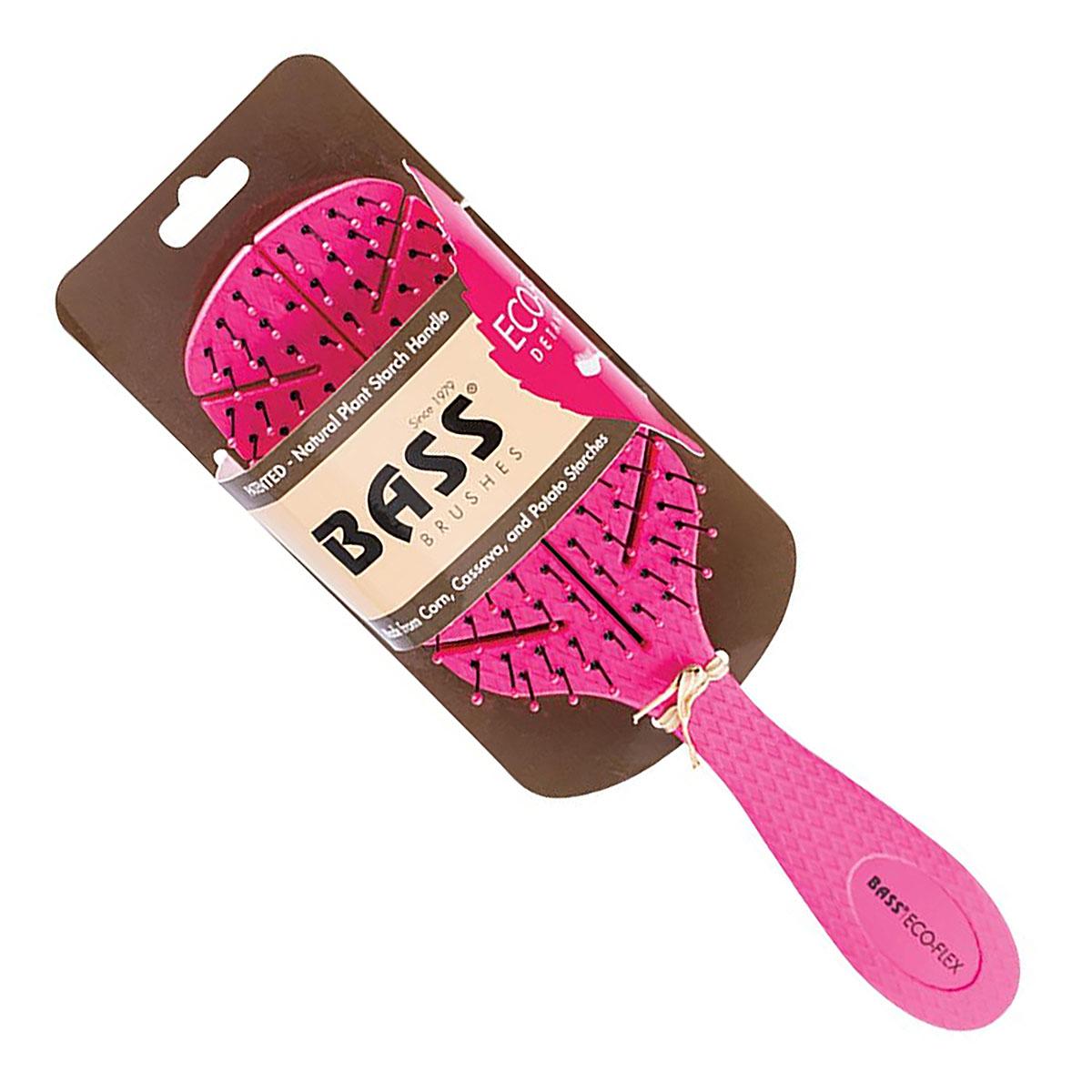
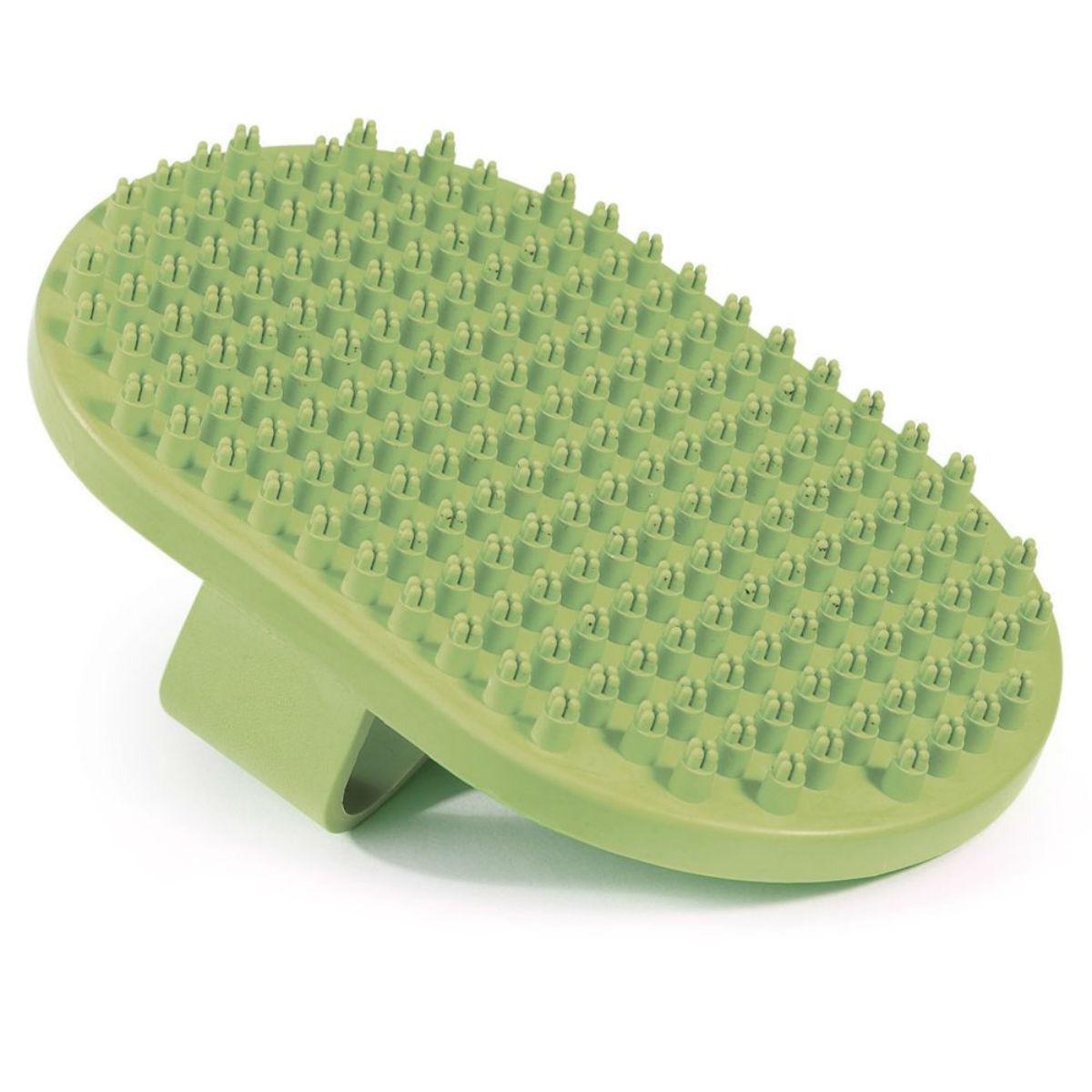
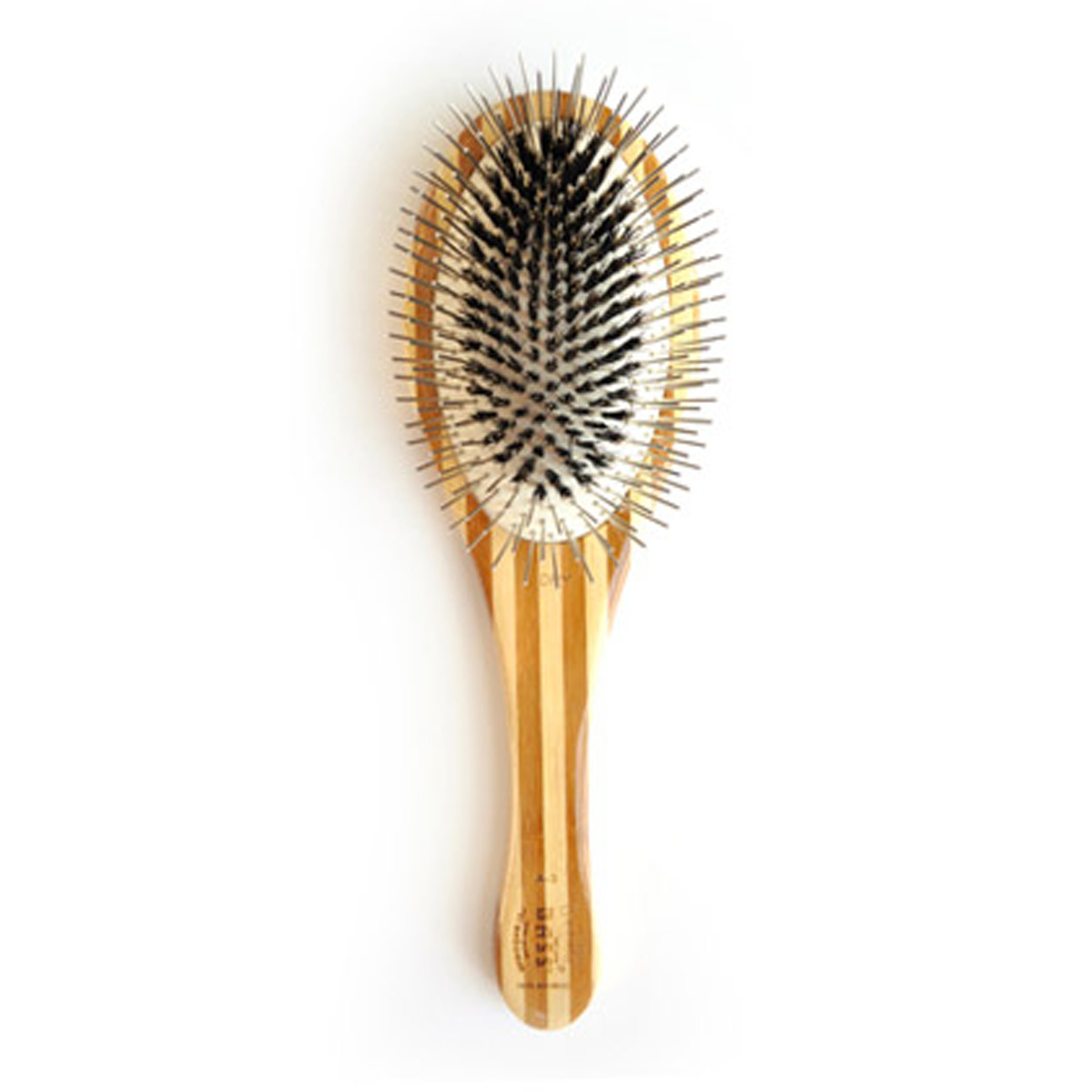
For most adult Samoyeds, a medium or large slicker with relatively long pins is a useful starting point. It should be large enough to cover the body without making it difficult to control around the legs and neck.
A slicker has many fine wire pins set into a brush head. The pins help separate the coat and collect loose hair as you work through a section. Longer pins can help reach into a dense coat, but pin length alone doesn’t guarantee a comfortable or thorough brush.
Look at these details before choosing:
- Pin length: Choose pins suited to a long, dense coat. Avoid digging them into the skin to reach deeper hair.
- Pin feel: Look for smooth pins with some give. A very firm brush may be uncomfortable if you use too much pressure.
- Brush size: A larger head can make body grooming easier. A smaller head gives you more control in tight areas.
- Handle: Choose a handle you can hold comfortably without gripping hard or bending your wrist awkwardly.
- Cleaning: Pick a brush you can clear of collected hair easily during a session.
A large brush isn’t automatically the best choice for every dog. If you have trouble controlling it around your Samoyed’s ears or legs, use a smaller tool in those areas rather than forcing the larger head into place.
For a puppy or a dog who is new to grooming, start with a smaller, gentle brush and short sessions. The goal is to teach your dog that being brushed is comfortable, not to remove every loose hair at once.
Slicker Brush vs. Undercoat Rake
A slicker brush and an undercoat rake do different jobs. The rake can be helpful when loose undercoat is coming out in quantity, but many owners can start with a slicker and comb, then add a rake if needed.
| Tool | Best use | What to watch for |
|---|---|---|
| Slicker brush | Separating the coat, collecting loose hair, and gently working through small tangles | Fine pins can irritate skin if pressed or repeatedly brushed over one spot |
| Undercoat rake | Removing loose undercoat, especially during heavier shedding | Teeth should move through the coat without scraping skin or pulling hard |
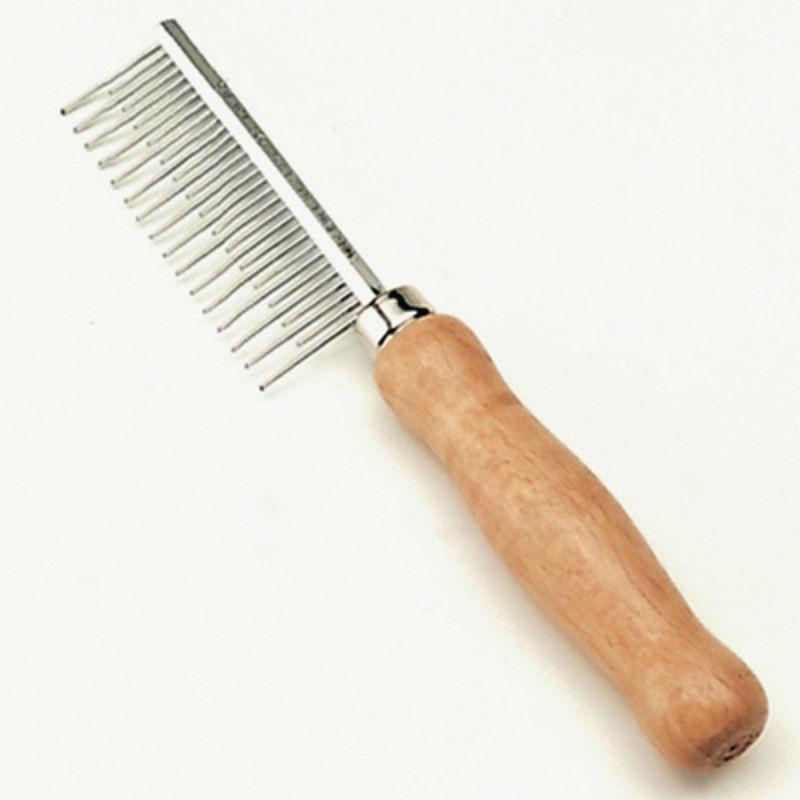
| Metal comb | Checking a brushed section for remaining tangles and loose hair | A snag means the section needs more attention, not a harder pull |
Choosing an Undercoat Rake
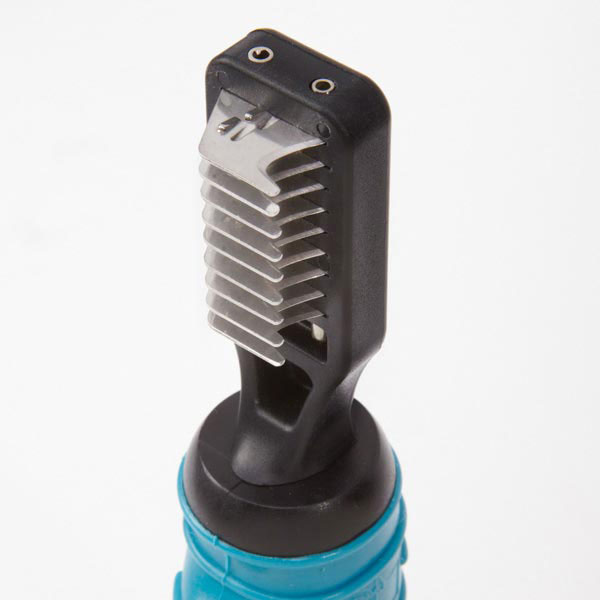
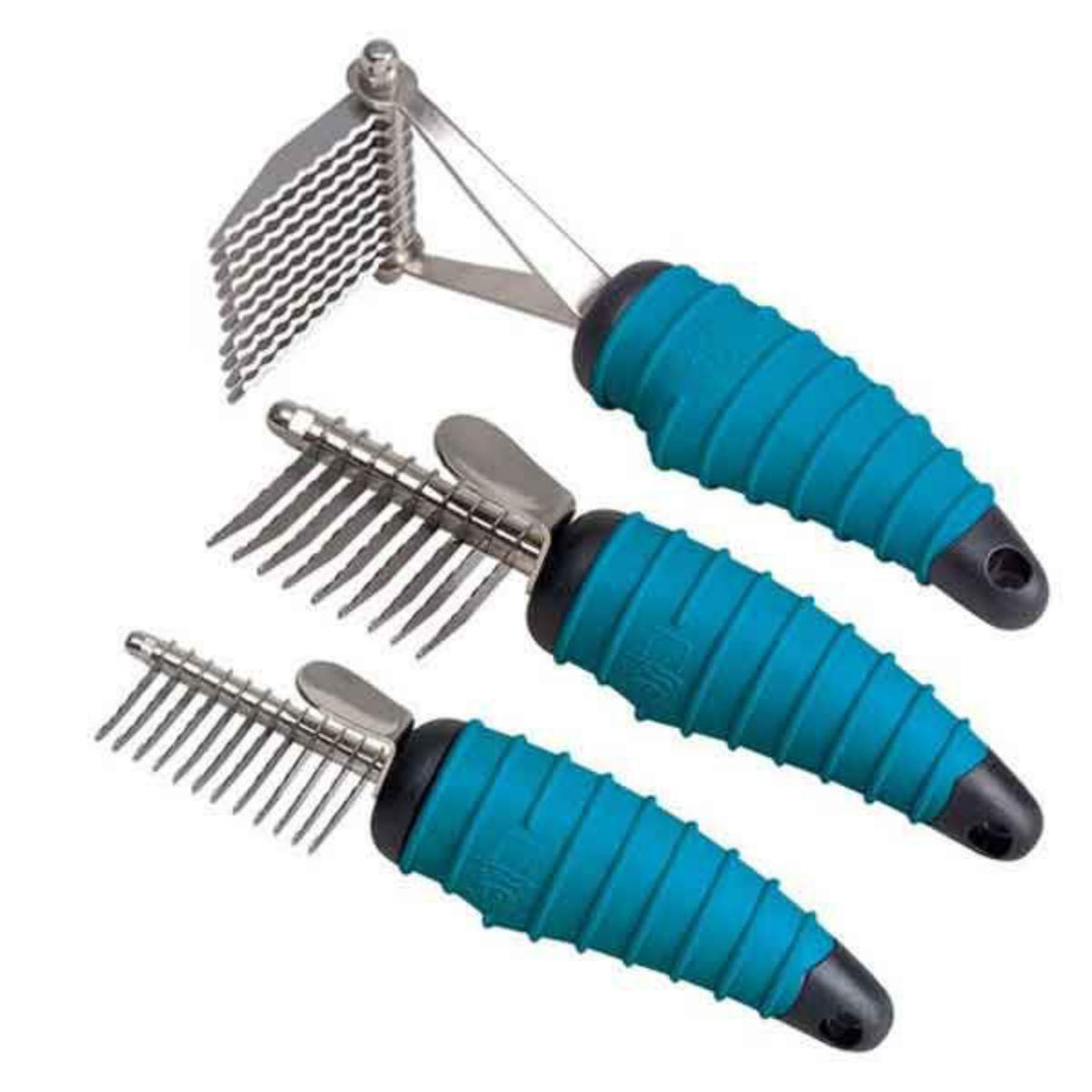
Look for a rake with smooth, rounded teeth long enough to work through your Samoyed’s coat. A comfortable handle and a head you can control are useful, particularly when working around the neck and legs.
Check what kind of tool you’re buying. Some products marketed for removing undercoat have cutting edges or blades, while a simple rake uses teeth to pull out loose hair. If your goal is routine removal of loose undercoat, a noncutting rake is a straightforward place to start.
Use the rake lightly and let the teeth pass through the coat. If it catches, stop and check the area rather than pulling through. A rake is not the right tool for forcing apart a tight mat.
How to Brush a Samoyed in Sections
Choose a calm time and a secure, nonslip place for grooming. Keep the slicker, comb, and a few treats nearby so you can take breaks without leaving your dog unattended on a raised surface.
Step 1: Check the coat. Run your hands over your dog and look for tangles, mats, sore spots, or anything caught in the hair. If an area is painful or the skin looks irritated, avoid brushing it and ask your veterinarian for advice.
Step 2: Part a small section. Hold some of the longer hair back with your free hand so you can see the coat underneath. Start somewhere your dog is comfortable being touched, such as the side of the body.
Step 3: Brush the exposed hair gently. Use short, light strokes in the direction the hair grows. Work through the ends first if the hair is tangled, then move gradually closer to the roots without scraping the skin.
Step 4: Release another layer. Let a little more hair down and brush that section in the same way. Continue until you’ve worked through the area rather than brushing only the outer surface.
Step 5: Check with a comb. Gently guide the comb through the brushed section, working from the ends toward the roots if it catches. The comb should pass through without a hard pull; if it snags, return to that small area with the slicker.
Step 6: Clear the brush and take breaks. Remove collected hair from the pins as needed. Pause or finish for the day if your dog becomes uncomfortable or restless.
You don’t have to groom the whole coat in one sitting. A careful section today and another tomorrow can be more manageable than a long session your dog learns to dislike.
Vet Tip: Stop brushing and contact your veterinarian if you find broken skin, swelling, persistent redness, or an area your dog seems to find painful.
When to Use an Undercoat Rake
Bring out the rake when you can see or feel loose undercoat coming away, especially during a heavier shed. Part the coat and work on a small section with light passes, keeping the teeth from scraping the skin.
Follow with the slicker if the section needs further separation, then use the comb to check for snags. The comb helps you see where more work is needed; it does not need to be forced through every dense patch.
Keep these checks in mind:
- Use a rake on loose coat, not as a tool to tear through mats.
- Stop if the teeth catch or your dog pulls away.
- Avoid repeated passes over the same spot just to collect more hair.
- Use a smaller, more controllable tool around sensitive or narrow areas.
- Finish when the loose hair comes away less easily rather than trying to remove all of the undercoat.
Your Samoyed needs that double coat. The aim is to remove hair that has already loosened, not strip the coat down to the skin.
How Often Should You Brush?
A thorough weekly brush is a practical starting point for an adult Samoyed. Check the coat between sessions and adjust based on how quickly your dog develops tangles or sheds.
During heavier shedding, shorter, more frequent sessions may make loose hair easier to manage. You can spread the work across several days, focusing on one area at a time.
Your dog’s coat and routine matter. A Samoyed who wears a collar or harness often, for example, may need those contact areas checked more frequently for tangles.
Handling Tangles and Mats
A small, loose tangle may come apart with patient work. Hold the hair above the tangle to reduce pulling on the skin, then use the slicker or comb on the ends. Work gradually toward the base, stopping if your dog seems uncomfortable.
A tight mat is different. It can sit close to the skin, and pulling on it can hurt. Don’t use scissors to cut out a mat at home, because skin may be caught close to or inside it.
Ask a professional groomer for help with mats you can’t gently separate. If the skin beneath a mat looks sore, or your dog reacts painfully when you touch it, contact your veterinarian.
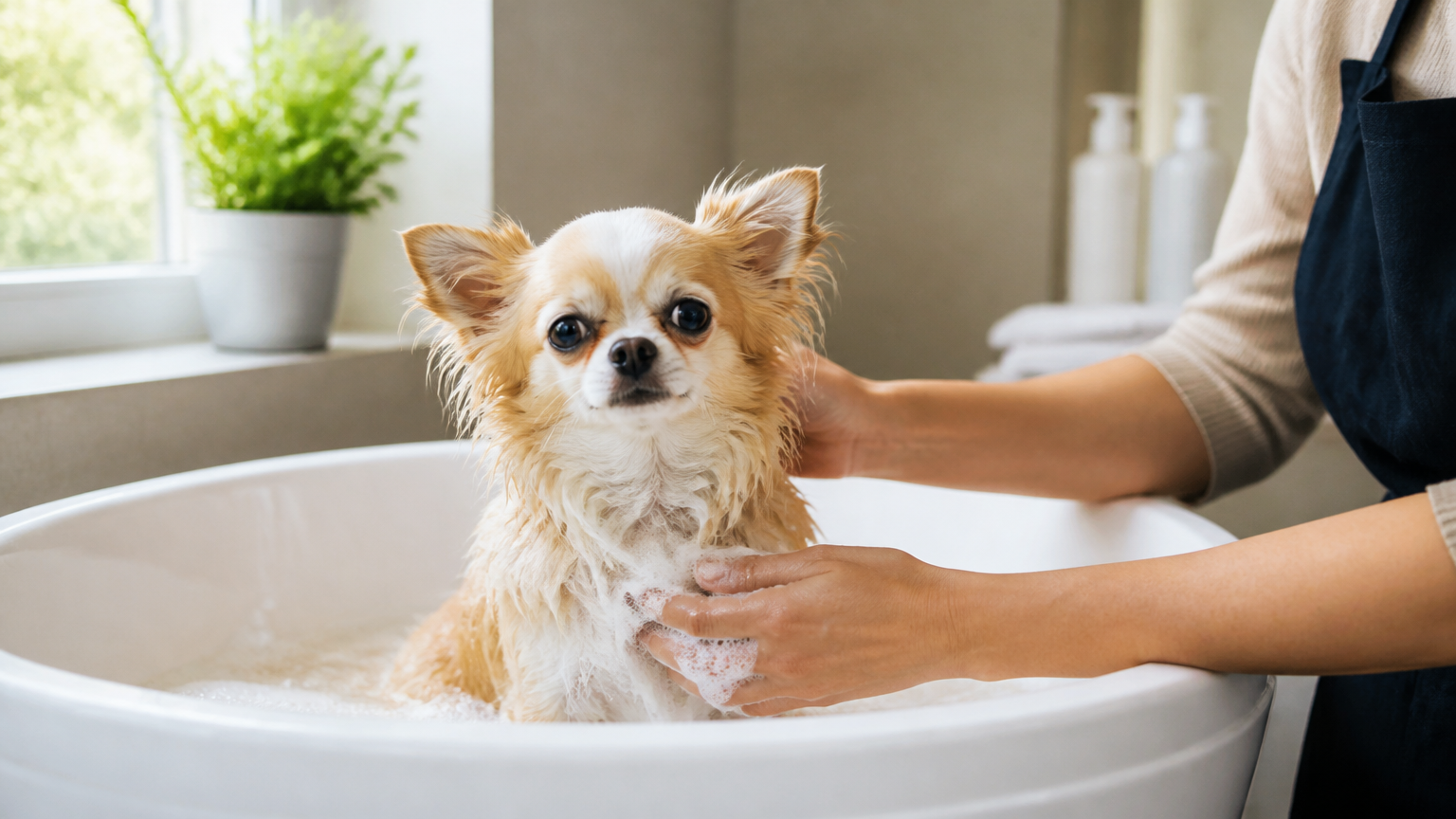
If you plan to bathe your Samoyed, check for tangles first. Existing knots can become harder to manage after a bath, so deal with what you can gently and get help with tight mats.
Helping Your Samoyed Accept Grooming
For a puppy or an adult who dislikes brushing, begin with the brush visible nearby. Reward your dog for calmly investigating it, then progress to a brief touch and a few gentle strokes.
Keep early sessions short and stop while your dog is still comfortable. You can build up slowly, adding a little more of the body as your dog accepts the brush.
Watch for signs that your dog needs a break, such as moving away, stiffening, or repeatedly turning toward the brush. Don’t hold your dog in place and continue through obvious discomfort. A groomer can help you find a gentler approach if grooming remains difficult.
Common Brushing Problems
The Coat Looks Fluffy, but the Comb Catches
You may have brushed only the outer coat, or the section may be too thick for the slicker to reach through. Part a smaller area and work through it layer by layer. Check it again with the comb, using a light touch.
The Brush Collects Very Little Hair
Your dog may not be shedding much, or you may need to separate the coat into smaller sections. A rake can help during heavier shedding, but there’s no need to keep brushing a comfortable, tangle-free section just to fill the brush.
Your Dog Pulls Away
Check whether the pins are catching a tangle or pressing against the skin. Try lighter strokes on an area your dog tolerates, offer a break, and keep the next session shorter. If the reaction is new or the area seems painful, consult your veterinarian.
The Skin Looks Red After Brushing
Stop using the brush on that area. Pressure, repeated strokes, or a brush that is too firm may be uncomfortable. If redness persists, the skin is broken, or your dog seems sore, ask your veterinarian to examine it.
Choosing Your Grooming Kit
A useful starter kit can be simple. Choose tools you can control and take time to learn how they feel in your Samoyed’s coat.
- Start with a slicker suited to a long, dense coat.
- Add a metal comb to check for tangles after brushing.
- Consider a noncutting undercoat rake for periods of heavier shedding.
- Ask a groomer or veterinarian for help with tight mats or painful areas.
Next step: Explore dog grooming supplies at BaxterBoo and choose a slicker and comb that fit your Samoyed’s coat and your hand.
FAQ
What kind of slicker brush is best for a Samoyed?
A medium or large slicker with relatively long, smooth pins is a useful starting point for many adult Samoyeds. Choose a size you can control, and use light strokes rather than pressing the pins into the skin.
Does a Samoyed need an undercoat rake?
Not every Samoyed needs one for every grooming session. A noncutting undercoat rake can help remove loose hair during heavier shedding, while a slicker and comb remain useful for regular coat care.
Can I use a slicker brush on a Samoyed puppy?
Yes, but choose a manageable, gentle brush and introduce it gradually. A few comfortable strokes and a reward are more useful at first than a long grooming session.
How do I know if I’ve brushed through the coat?
Part the hair and check the area with a metal comb after brushing. If the comb catches, stop and work gently on that small section rather than pulling it through.



- Site & Contents BaxterBoo.com. BaxterBoo is located in the United States.
- Privacy & Security
- Terms of Use
- Accessibility Statement
