
 Save 15% on your 1st Autoship learn more

 Email us
 Live Chat
 FAQs






Introduction
Your Labradoodle looks fluffy after brushing, but a comb catches close to the skin. That’s a sign the brush may be skimming the coat instead of reaching the tangles underneath.
For a long, curly or wavy coat, we’d start with a slicker brush sized for your dog, with pins long enough to work through the hair without scraping the skin. Pair it with a metal comb to check for missed tangles. At BaxterBoo, we know that choosing a brush can feel complicated when Labradoodle coats vary so much. The best choice fits your dog’s coat length and sensitivity, not just the breed name on the package.
Match the Brush to Your Labradoodle’s Coat
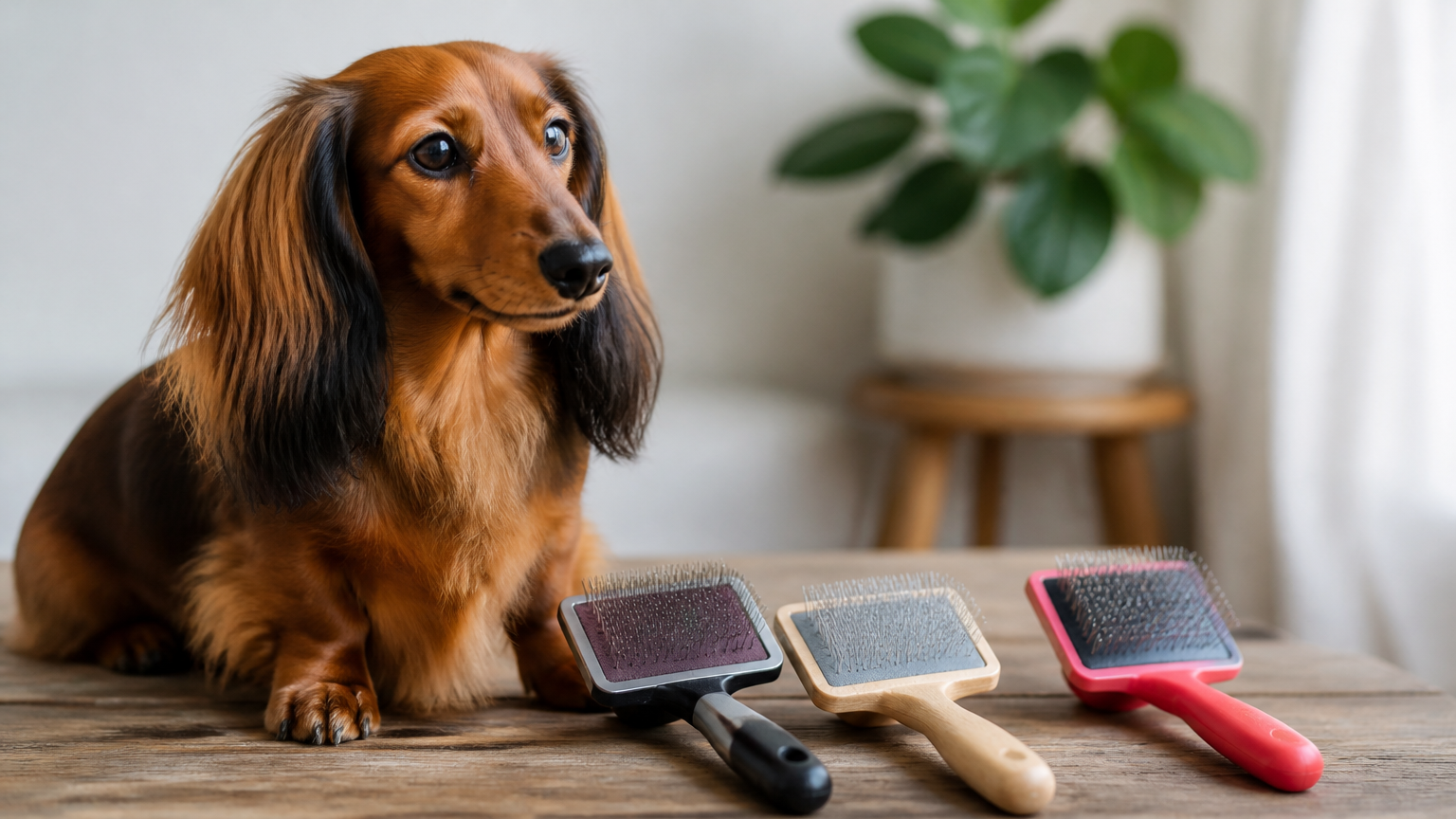
A slicker brush has closely spaced wire pins that help separate hair and remove loose fur. It can be useful for routine care, but not every Labradoodle needs the same type.
| Coat | A useful starting point | What to check |
|---|---|---|
| Long, dense or curly | A slicker with longer pins and a metal comb | The brush should reach through small sections without dragging on skin. |
| Wavy or fleece | A slicker suited to the coat’s length, plus a metal comb | Check behind the ears and under the collar for tangles the brush missed. |
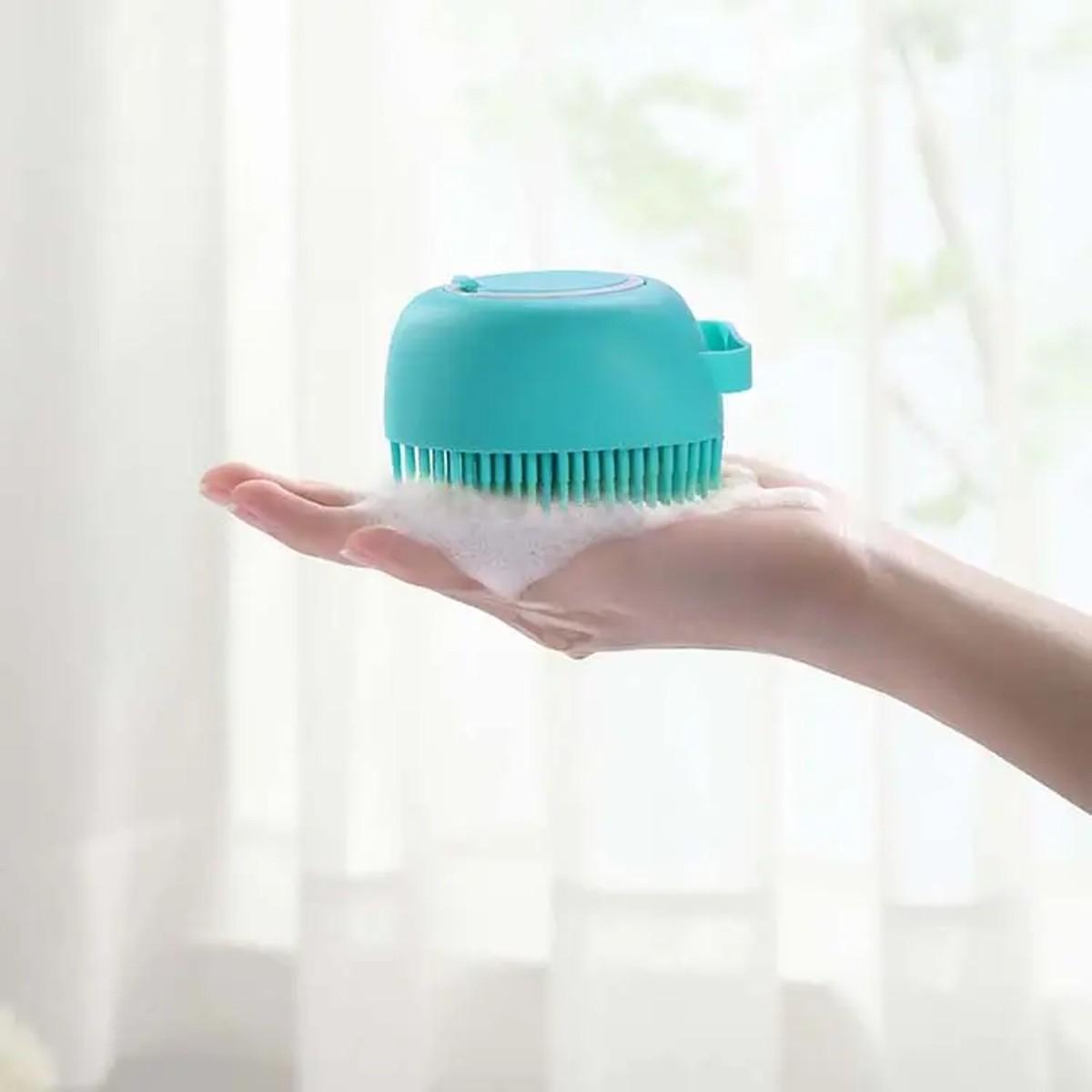
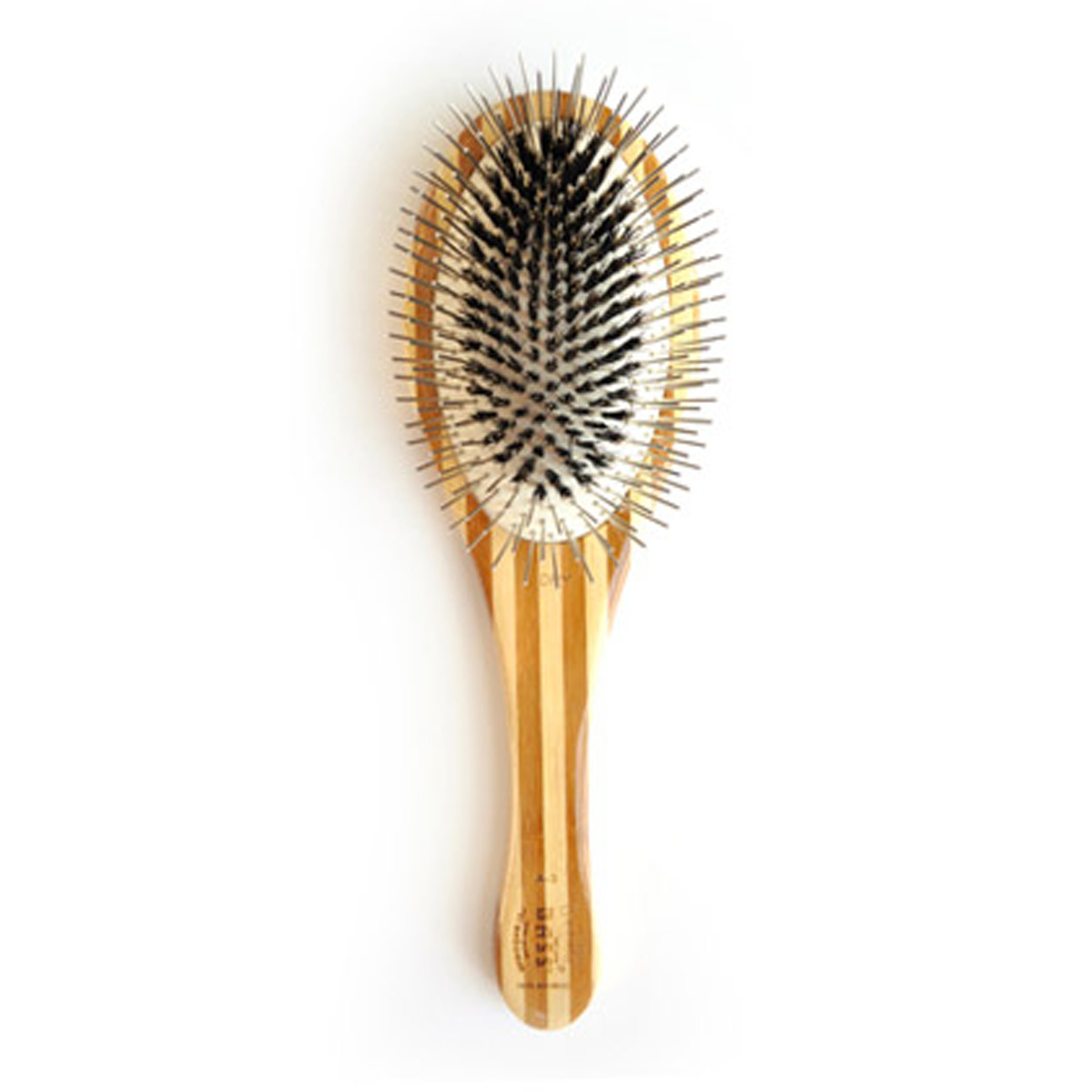
| Short-clipped | A softer slicker or pin brush | Choose a tool you can control without pressing into the skin. |
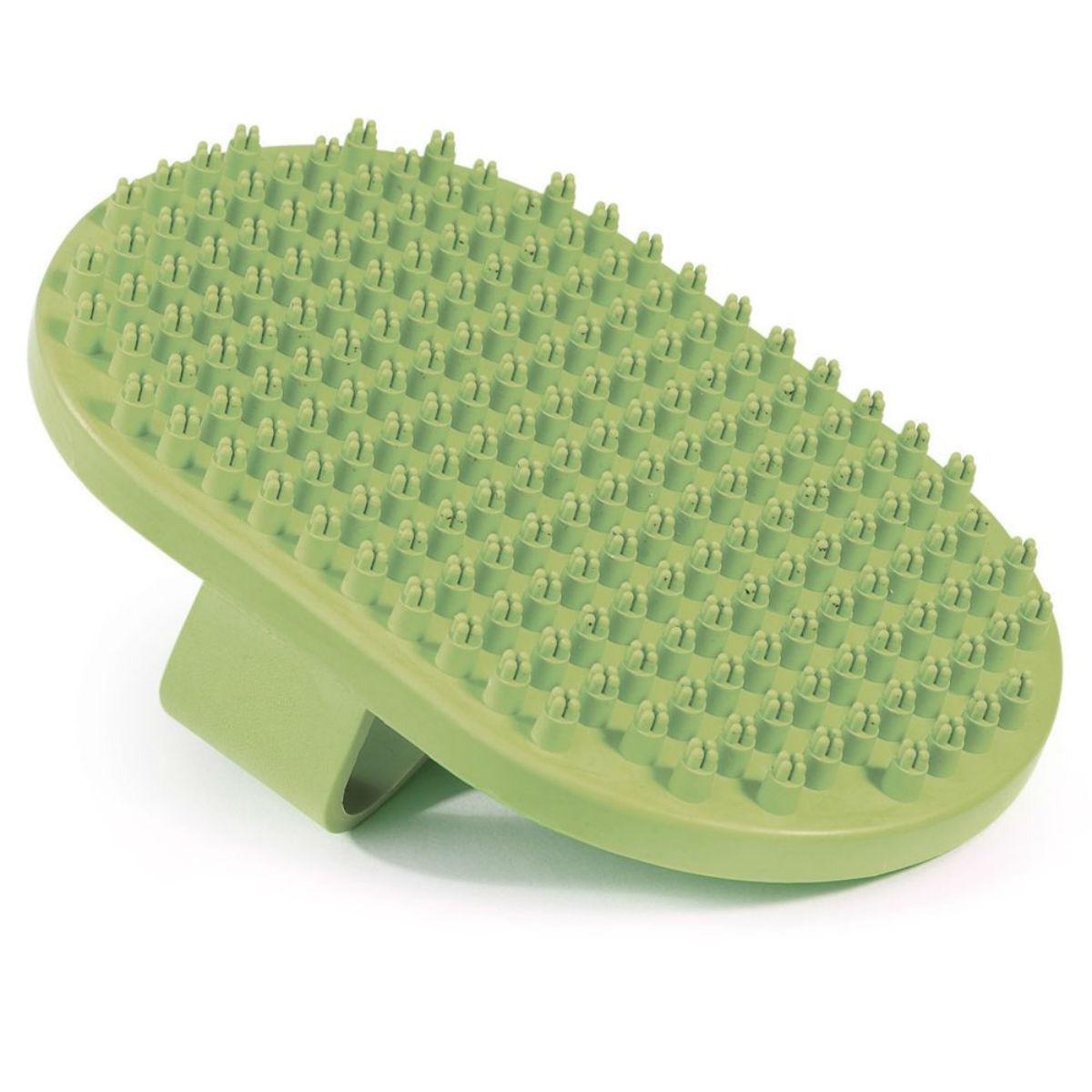
| Straight, short and shedding | A soft pin brush or rubber grooming tool | A long-pin slicker may be more than this coat needs. |
These are starting points, not fixed rules. A Labradoodle can have different textures on the body, ears and legs. Look at the coat your dog has now and how long you plan to keep it.
Some Labradoodles shed noticeably, while loose hair can stay caught in longer curls. Regular brushing helps you remove that loose hair and find small tangles before they become harder to manage.
Dog Brushes & Combs









What to Look for in a Slicker Brush
Pin length and feel
For a long or dense coat, look for pins that can work through a parted section of hair. If they only skim the surface, the coat can look tidy while tangles remain underneath.
Longer pins aren’t automatically better. On a short trim or thin coat, they can be harder to control. Choose a brush with smooth, securely set pins, and use a light hand rather than pressing harder to reach the coat.
Head size and handle
A larger brush head can cover more of a standard Labradoodle’s body with each stroke. A smaller head is easier to maneuver around legs, behind ears and on a smaller dog.
You don’t necessarily need two slickers. If you’re buying one, choose a size you can control comfortably on the areas you’ll brush most often. A handle that feels secure in your hand makes it easier to use gentle, consistent strokes.
Flexible and self-cleaning designs
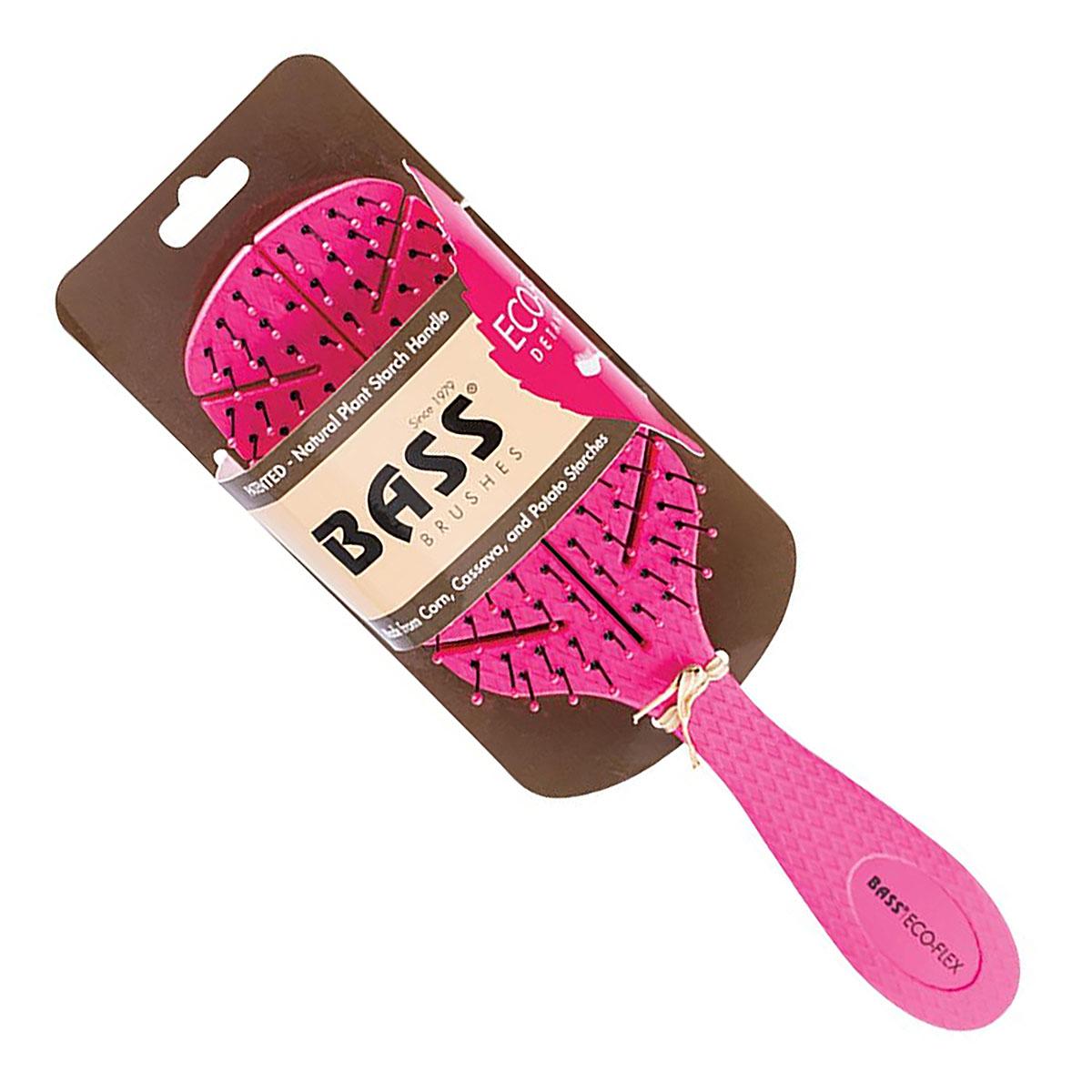
Some slickers have flexible heads or cushions. These may be worth considering if you want a brush with some give, but flexibility doesn’t mean you can pull through a tight knot or press the pins into the skin.
A self-cleaning button can make removing collected hair convenient. It doesn’t tell you whether the pins are the right length or whether the brush fits your dog’s coat.
At BaxterBoo, we’d put coat fit and comfort ahead of extra features. A simple brush that reaches the hair gently is more useful than one with a convenient feature that only brushes the surface.
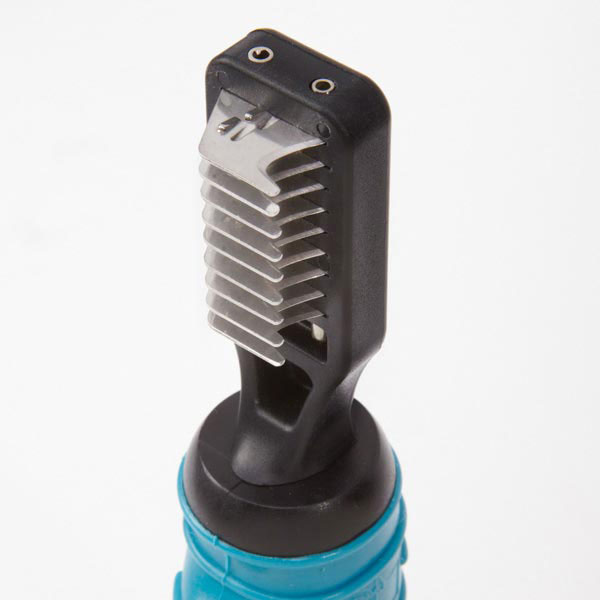
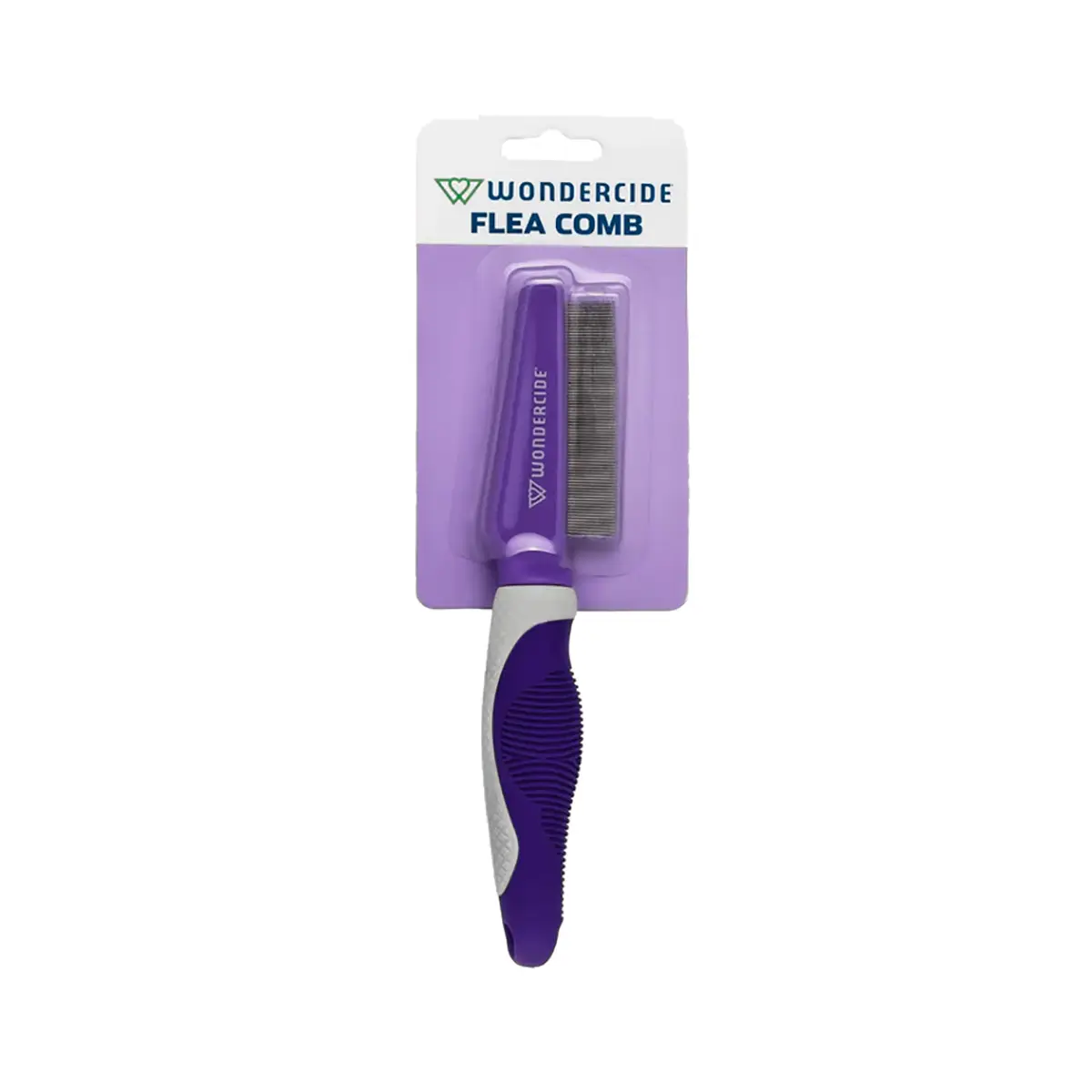
Keep a metal comb on your list
For a longer coat, a metal grooming comb is the check after the slicker. It helps you find tangles that are easy to miss under a fluffy top layer.
Choose a comb you can hold comfortably and guide through small sections. If it catches, stop rather than pulling. The catch tells you where to look more closely.
Before you choose, check that:
- The pins suit your dog’s current coat length.
- The brush head fits your dog and the areas you need to groom.
- The handle gives you a secure grip.
- The pins look smooth and firmly attached.
- You have a comb for checking longer hair after brushing.
How to Brush a Labradoodle With a Slicker
Work on a dry coat, and pick a time when your dog is relaxed. A short, calm session is more useful than a long struggle. If you can’t comfortably complete the whole coat at once, work on another area at the next session.
Step 1: Check the coat. Run your hands over the area you plan to brush. Look for tight clumps, debris, sore spots or anything that makes your dog react when touched.
Step 2: Part a small section. Lift the hair with your free hand so you can see a narrow line of skin and a thin layer of coat. This approach is often called line brushing.
Step 3: Brush the exposed layer. Starting near the roots, use short, light strokes outward through the hair. Keep the pins from scraping across the skin, and support the coat with your free hand if that helps prevent pulling.
Step 4: Work through the coat in layers. Let down another small section and repeat. The goal is to work through the hair, not sweep repeatedly over the fluffy outer surface.
Step 5: Check with the comb. Gently guide the comb through the brushed section from near the skin to the tips. If it catches, stop and locate the tangle rather than forcing the teeth through.
Step 6: Address a loose tangle gently. If the knot is small and loose, hold the hair between the tangle and skin. Ease it apart with your fingers, then try a few gentle strokes from the ends toward the roots.
Step 7: Stop when the coat or your dog needs help. Leave tight mats, painful tangles and irritated skin alone. A professional groomer can assess the coat, while a veterinarian can help with skin concerns.
The Doodle Brush’s Labradoodle grooming guidance also recommends working in sections and finishing with a comb check. The comb is there to find a snag, not to pull through it.
Bottom line: Part the coat, brush lightly and use the comb to check your work. Stop if either tool pulls or your dog is uncomfortable.
Where to Check for Tangles
Some areas need extra attention because hair rubs against collars, harnesses or other parts of the body. Part the coat gently and check:
- Behind and under the ears
- Around the collar line and chest
- In the armpits and where a harness rests
- Along the legs and around the tail
Use particular care around thin skin and bony areas. For the face, eyes and delicate areas, ask your groomer to show you a suitable tool and technique. Don’t bring a slicker close to your dog’s eyes.
You can check friction areas when removing a collar or harness. That quick look helps you find a small knot before the next full brushing session.
How Often Should You Brush?
Start with several brushing sessions a week for a longer coat, and check the areas that tangle easily each day. A long, dense or curly coat may need daily attention, especially if your dog wears a harness often or picks up debris outdoors.
One Labradoodle brush guide suggests brushing at least three or four times a week, with more frequent care for curly coats. Use that as a starting point rather than a promise that the same schedule will work for every dog.
The comb check helps you adjust. If you regularly find snags close to the skin, brush more often, work in smaller sections or ask a groomer to check your technique. A shorter trim may be easier to maintain, though it still needs regular checks.
For a puppy, introduce grooming before you have a full coat-care job to do. Let your puppy see and sniff the brush, reward calm behavior, then try a brief, gentle stroke. Gradually build up to handling the legs, ears and other areas a groomer will need to reach.
What to Do About Mats or Brush Resistance
A loose tangle and a tight mat are different jobs. You may be able to gently separate a small knot, but a tight mat can pull on the skin when you brush it. If you can’t tell where the hair ends and the skin begins, leave it for a professional.
Don’t cut a mat out with scissors. Skin can be drawn into the tangled hair, making it easy to nick. Avoid bathing a tightly matted coat before getting advice, too. Wetting it can make the mat harder to work through.
If your Labradoodle moves away, stiffens or repeatedly objects to brushing, pause and check what’s happening. You may be pulling a tangle, using too much pressure or spending too long in one area. Try shorter sessions with rewards once your dog is comfortable, and ask a groomer to demonstrate a gentle technique.
Vet Tip: Contact your veterinarian if you notice redness, sores, persistent itching or signs of pain. Avoid brushing over irritated skin while you arrange advice.
A groomer can also help you choose a manageable coat length and show you how to check the areas you find difficult. Home brushing helps maintain the coat between appointments; it doesn’t replace a trim when your dog needs one.
Choosing Your Grooming Tools
A slicker and a metal comb make a practical starting set for many long-coated Labradoodles. Choose the brush for the coat in front of you, then use the comb to check that you’ve reached the hair underneath.
- Pick a manageable head size and pins suited to the coat length.
- Brush in small sections with light pressure.
- Leave tight or painful mats to a professional.
Key Takeaway: The right brush should help you care for the coat without turning grooming into a tugging match.
When you’re ready to choose, explore the dog grooming category at BaxterBoo for tools suited to your Labradoodle’s coat.
FAQ
Does a Labradoodle need both a slicker brush and a comb?
For a longer, curly or wavy coat, the two tools do different jobs. The slicker helps separate the hair, while a metal comb checks for tangles the brush missed.
Can a slicker brush hurt my Labradoodle?
It can irritate skin or pull hair if you press hard, brush the same spot repeatedly or tug through a mat. Use light strokes and stop if your dog shows discomfort or the skin looks irritated.
Is a slicker brush right for a short-haired Labradoodle?
It may be, but a long-pin slicker isn’t always necessary for a short or straight coat. A softer pin brush or rubber grooming tool may be a better starting point for collecting loose hair.
Should I brush my Labradoodle before or after a bath?
Check and gently brush a manageable coat before bathing. If you find tight mats, ask a groomer for help before getting the coat wet, since water can make mats harder to work through.


- Site & Contents BaxterBoo.com. BaxterBoo is located in the United States.
- Privacy & Security
- Terms of Use
- Accessibility Statement
