
 Save 15% on your 1st Autoship learn more

 Email us
 Live Chat
 FAQs






Introduction
You are likely familiar with the sound of a dog's stomach gurgling in the middle of the night. Perhaps your dog has recently dealt with loose stools after a weekend of boarding, or maybe they just finished a round of antibiotics that left their digestion a bit off. These moments often lead owners to look into how dog probiotics flora can help restore balance. At BaxterBoo, we see many pet parents looking for ways to support their dogs' digestive health through supplements that actually work. This article explains what intestinal flora is, why it matters for your dog's immune system, and how to choose the right probiotic strains to keep their gut in check. Understanding the tiny world of bacteria inside your dog is the first step toward better overall wellness.
Quick Answer: Dog probiotics flora refers to the trillions of beneficial bacteria living in a dog's digestive tract. Supplementing with specific strains like Enterococcus faecium helps balance these microbes, which supports digestion and strengthens the immune system against stress or illness.
Understanding the Canine Microbiome
The term flora refers to the community of microorganisms, including bacteria and yeast, that live inside your dog's intestines. This is often called the microbiome. It is a delicate ecosystem where "good" bacteria compete with "bad" bacteria for space and resources. When the good bacteria are thriving, your dog's digestion is usually smooth and their energy is consistent.
When this balance shifts, it is called dysbiosis. This happens when harmful bacteria begin to outnumber the beneficial ones. You might notice your dog having more gas than usual or frequent bouts of soft stools. Probiotics are live, beneficial microorganisms that you can add to your dog's diet to help tip the scales back in favor of the good bacteria.
The Role of Beneficial Bacteria
Beneficial bacteria do more than just move food through the system. They help break down complex carbohydrates and produce essential vitamins like B12 and K. They also produce short-chain fatty acids, which provide energy to the cells lining the colon. Without a healthy population of these microbes, your dog cannot get the full nutritional value from the high-quality food you provide.
The 70 Percent Rule
One of the most important facts about dog probiotics flora is that roughly 70 percent of a dog's immune system is located in the gut. The intestinal wall is the primary barrier between your dog's internal organs and the outside world. Healthy flora creates a physical shield that prevents pathogens from entering the bloodstream. By supporting the gut, you are directly supporting your dog's ability to fight off environmental threats.
Key Takeaway: A balanced gut microbiome is the foundation of a dog's immune system and nutrient absorption. Supporting these bacteria helps your dog stay resilient against both digestive upset and general illness.
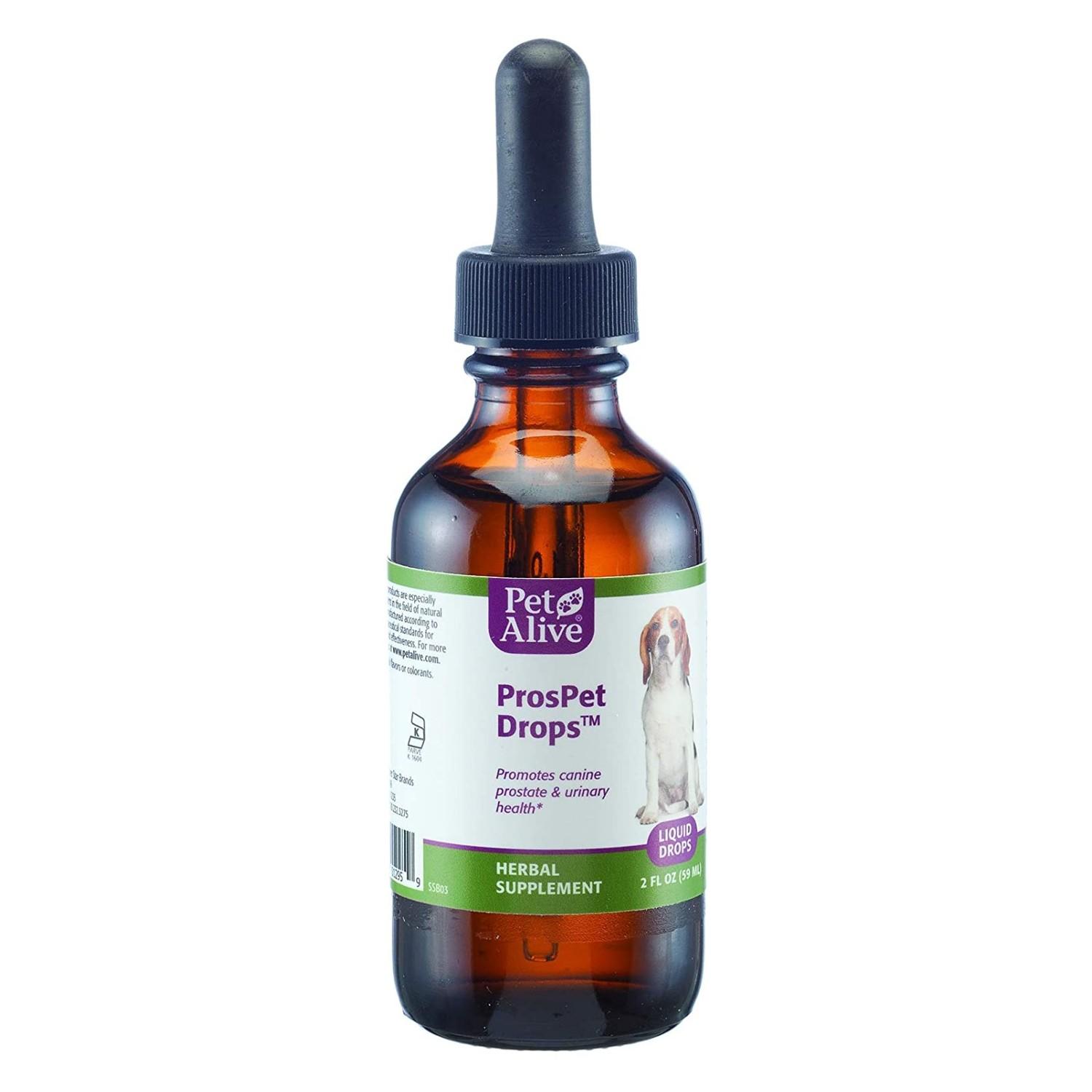
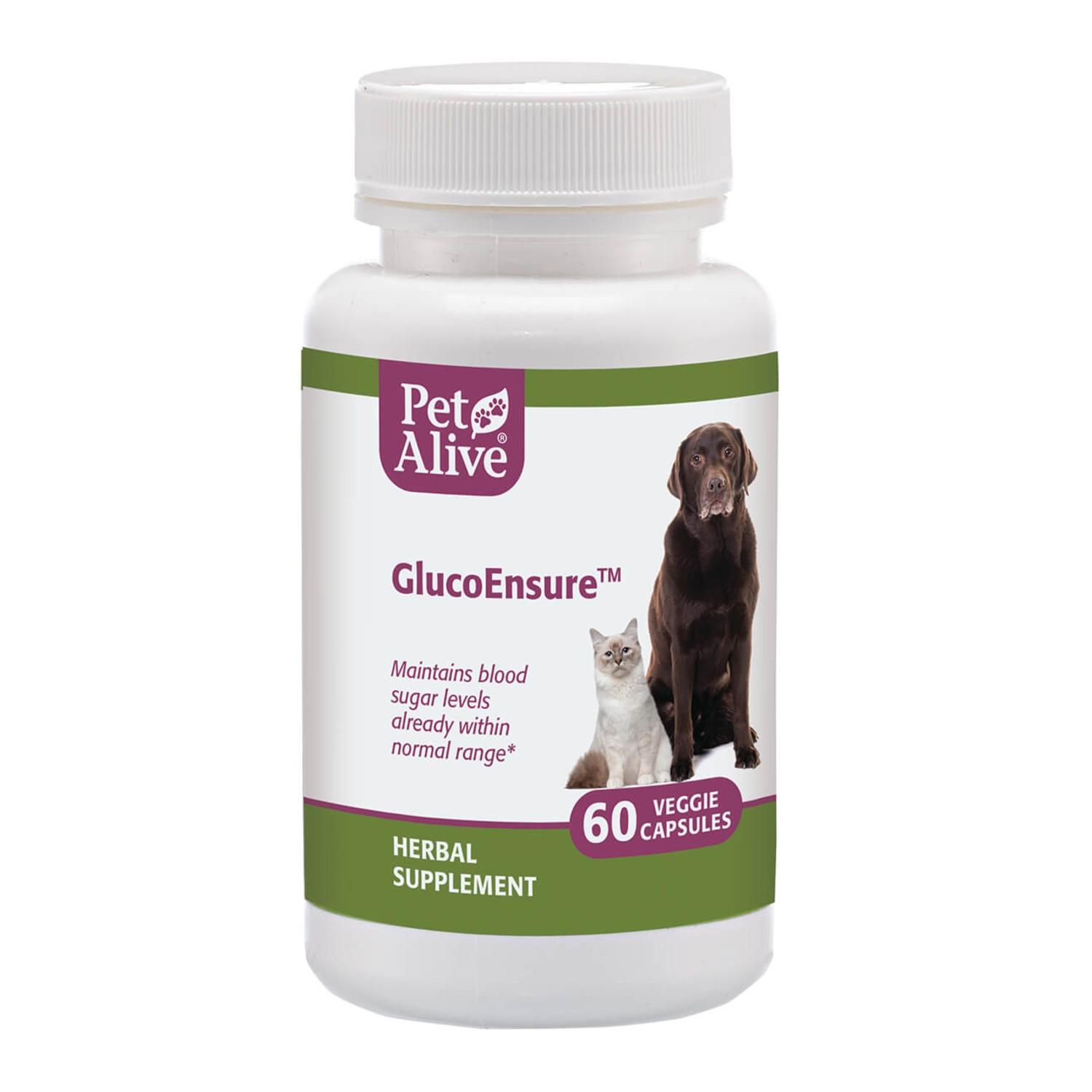
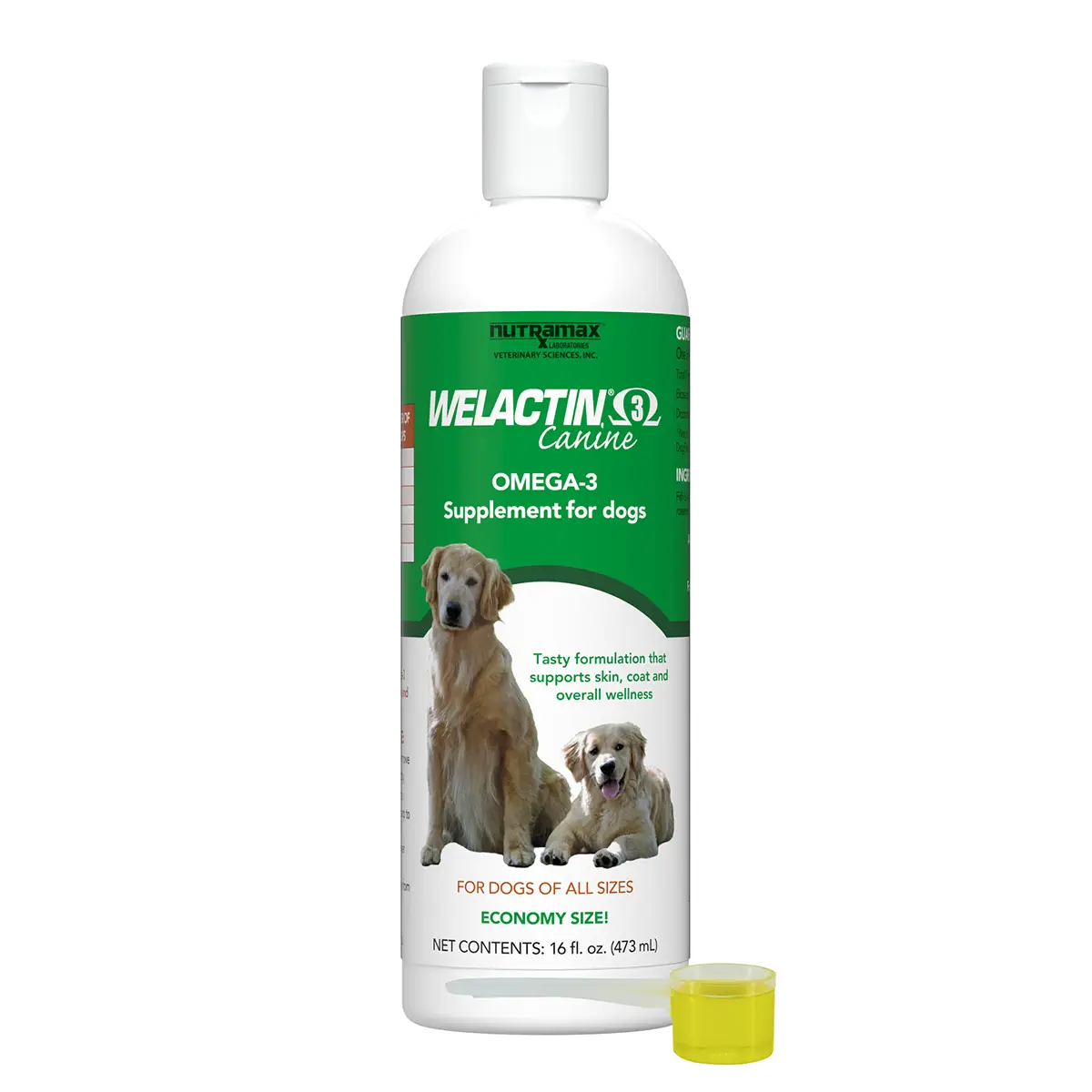
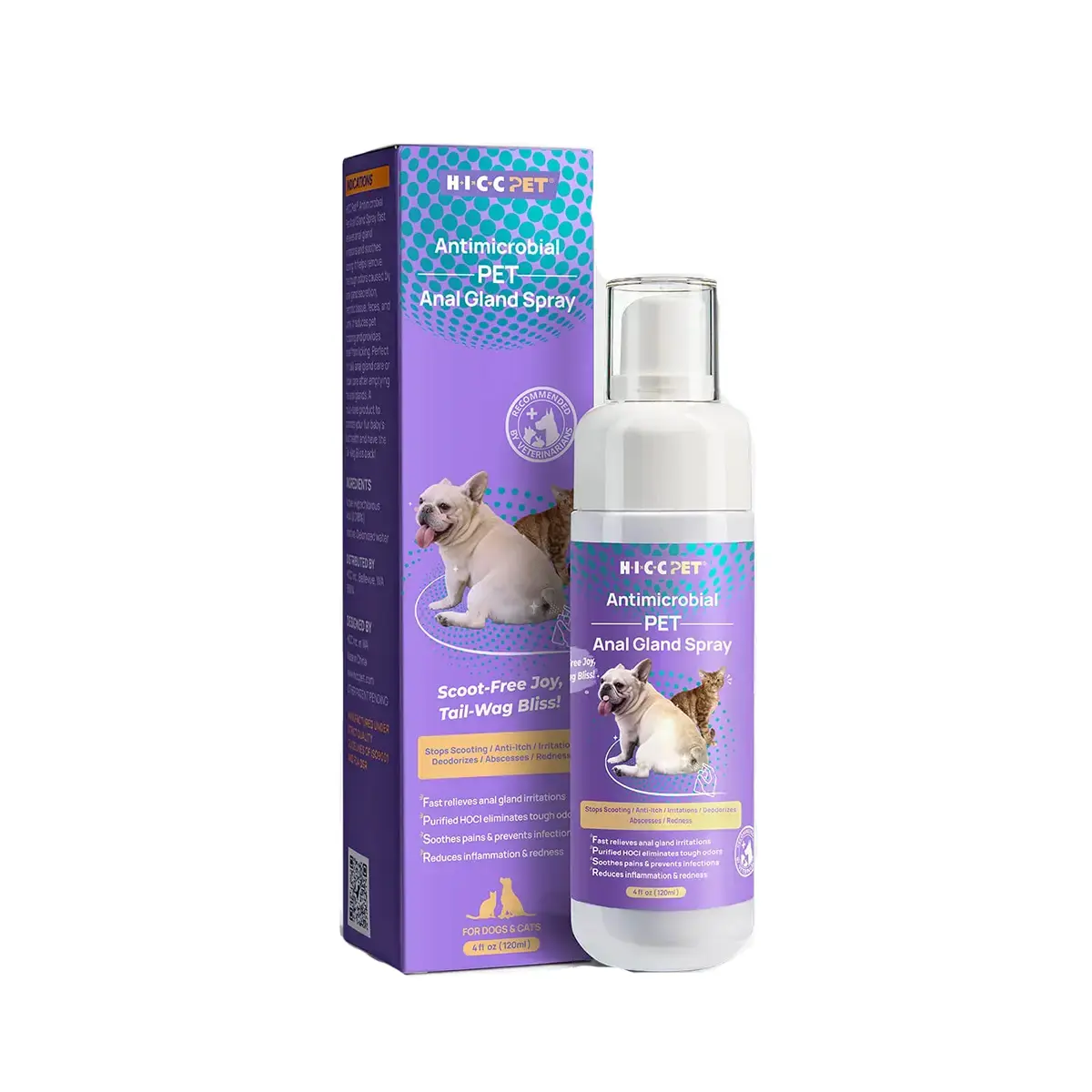
Dog Digestive & Urinary Aid









Why Gut Flora Becomes Imbalanced
Several common situations can disrupt the natural balance of bacteria in your dog's belly. Recognizing these triggers allows you to be proactive with probiotic support before symptoms become severe.
Stress and Anxiety
Dogs are creatures of habit. Changes in their environment, such as moving to a new house, traveling, or staying at a kennel, can cause a physical stress response. Stress hormones can change the pH of the gut and reduce the population of beneficial bacteria. This is why many dogs develop "stress diarrhea" during or after a major change.
Antibiotic Treatment
Antibiotics are life-saving medications, but they are not selective. They kill off harmful bacteria and beneficial bacteria alike. A round of antibiotics often leaves the gut flora depleted, which is why many veterinarians recommend starting a probiotic during or immediately after the course of medicine. This helps repopulate the gut and prevents secondary issues like yeast overgrowth or chronic loose stools.
Dietary Indiscretion
Dogs are notorious for eating things they should not. Whether it is a "find" in the backyard or a sudden change in their brand of kibble, new proteins and fats can overwhelm the existing bacteria. Probiotics help the gut adapt to these changes more quickly by providing a steady supply of helpful microbes to process the new input.
Vet Tip: If your dog has chronic diarrhea, bloody stools, or seems lethargic, consult your veterinarian before relying solely on supplements. These can be signs of underlying conditions that require a formal diagnosis or prescription treatment from a pet pharmacy.
Key Signs Your Dog Needs Probiotic Support
You do not always need a lab test to know your dog's gut flora is struggling. Their body provides several clear signals that the microbiome needs a boost.
- Frequent Gas: Occasional gas is normal, but constant, foul-smelling flatulence is a sign that food is fermenting improperly in the gut.
- Soft or Loose Stools: Stools should be firm and easy to pick up. Persistent soft stools often indicate an imbalance in the lower intestine.
- Reduced Appetite: If a dog's stomach feels acidic or bloated due to poor bacteria balance, they may become picky about their food.
- Dull Coat and Skin Issues: Because the gut controls nutrient absorption, a struggling microbiome often shows up as dry skin or a lack of shine in the fur.
- Licking Paws: Sometimes, a gut imbalance can lead to systemic inflammation or yeast issues, which may cause a dog to lick their paws excessively.
Essential Probiotic Strains for Dogs
Not all probiotics are created equal. When you look at a supplement label, you want to see specific strains that have been researched for canine use. Human probiotics are often ineffective for dogs because the canine digestive tract is much shorter and more acidic than ours. You can compare available options in our dog probiotic selection.
Enterococcus faecium
This is one of the most widely studied strains for dogs. It is particularly effective at managing diarrhea caused by stress or diet changes. Strains like SF68, found in products like Purina Pro Plan FortiFlora, are known for their ability to survive the journey through the stomach to reach the intestines where they are needed most.
Lactobacillus acidophilus
This strain helps maintain a healthy balance of flora in the small intestine. It is excellent for dogs who struggle with gas or bloating. It also helps inhibit the growth of harmful bacteria like E. coli and Salmonella.
Bifidobacterium animalis
Often recommended for dogs with sensitive stomachs, this strain supports overall stool quality and can help reduce the time a dog suffers from acute digestive upset. It is a hardy strain that can handle the harsh environment of the canine gut.
Bottom line: Choose probiotic supplements that name specific strains and guarantee a certain number of live cultures (CFUs) at the time of feeding.
The Importance of Microencapsulation
Probiotics are living organisms. To be effective, they must stay alive through the manufacturing process, sit on a shelf in our warehouse, and survive the highly acidic environment of your dog's stomach. This is where microencapsulation comes in.
This process involves coating the individual bacteria in a protective layer. This layer acts as a shield against heat and stomach acid. It ensures that the bacteria only "wake up" once they reach the intestines. When browsing for supplements at BaxterBoo, we recommend looking for brands that mention this or similar stability technologies. Without it, many of the beneficial microbes may be dead before they even reach your dog's gut.
Comparing Probiotic Delivery Methods
Probiotics come in several forms, and the best choice often depends on your dog's personality and the severity of their digestive needs.
| Form | Best For | Pros | Cons |
|---|---|---|---|
| Powders | Picky eaters or severe upset | Easy to mix with wet food; often highly palatable. | Can be messy; requires mixing. |
| Chewables | Daily maintenance | Acts like a treat; easy to give on the go. | Some dogs may be sensitive to the binders or flavors. |
| Capsules | Targeted dosing | Protects bacteria well; no added flavors. | Can be difficult to administer to some dogs. |
| Enriched Food | Long-term support | Convenient; no extra steps for the owner. | Bacteria counts may be lower due to cooking heat. |
Introducing Probiotics to Your Dog
When you start a new supplement, it is best to move slowly. Even though probiotics are beneficial, a sudden influx of new bacteria can occasionally cause temporary gas as the gut adjusts.
Step 1: Choose the right strain. / Look for a product with Enterococcus faecium or Lactobacillus if your dog has loose stools.
Step 2: Start with a half dose. / Give your dog half the recommended amount for the first three days to let their system adapt.
Step 3: Monitor the stools. / Look for an improvement in consistency and a reduction in gas over the first week.
Step 4: Transition to a full dose. / Once your dog's system is stable, move to the daily amount recommended on the packaging or by your vet.
The Link Between Flora and Long-Term Health
Maintaining healthy dog probiotics flora is not just about stopping diarrhea. It is a long-term strategy for aging gracefully. As dogs get older, their digestive systems become less efficient. Senior dogs often struggle to absorb vitamins and minerals, which can lead to muscle loss and decreased energy.
A consistent probiotic routine can help senior dogs maintain a robust microbiome, ensuring they get every bit of nutrition from their senior-specific diets. Furthermore, research into the "gut-brain axis" suggests that a healthy gut can even influence a dog's mood and cognitive function. A calm gut often leads to a calmer, happier dog. For broader supplement guidance, see our pet supplement guide.
Managing Chronic Conditions Through the Pharmacy
Some dogs have more than just an occasional upset stomach. Conditions like Inflammatory Bowel Disease (IBD), chronic colitis, or severe food allergies require more intensive management. In these cases, standard over-the-counter supplements might not be enough.
Our pharmacy provides access to FDA-approved medications and prescription-strength diets through our partnership with Pet's Choice. If your veterinarian recommends a specific therapeutic diet or a high-potency probiotic that requires a prescription, you can fulfill those needs directly through us. Prescription diets, such as those from Royal Canin or Farmina Vet Life, are often formulated with specific prebiotic fibers that feed the beneficial flora, working in tandem with probiotic supplements.
Vet Tip: If your dog's digestive issues are paired with weight loss, vomiting, or a fever, they need a veterinary exam. A prescription diet or specific medication from the pharmacy may be necessary to address the root cause of the imbalance.
Prebiotics: The Food for Flora
You cannot talk about probiotics without mentioning prebiotics. If probiotics are the "seeds" you plant in the gut garden, prebiotics are the "fertilizer." Prebiotics are non-digestible fibers that feed the beneficial bacteria already living in the dog's system.
Common prebiotics include chicory root, inulin, and beet pulp. When you see these on a food or supplement label, it means the product is designed to support the long-term survival of the dog probiotics flora. Using a supplement that combines both probiotics and prebiotics, often called a synbiotic, is frequently the most effective way to see lasting results. Options such as Honest Paws probiotic supplements combine prebiotic and probiotic support for dogs.
Selecting Quality Products at BaxterBoo
We take pride in being a real superstore in Vernon Hills, Illinois, where we actually handle and evaluate the products we sell. Since 2006, we have curated a selection of over 500 brands because we believe pet owners deserve choices that work. When it comes to gut health, we carry trusted names like Zesty Paws, Purina Pro Plan, and Honest Paws.
Our team looks for products with clear labeling, guaranteed CFU counts, and high-quality ingredients. We know that every dog is different, which is why we offer everything from daily wellness chews to intensive probiotic powders for recovery. For a specifically named product, consider Purina Pro Plan Veterinary FortiFlora Chewable Dog Supplement.
Key Takeaway: Quality matters when it comes to live cultures. Look for reputable brands that provide transparency about their bacterial strains and stability testing to ensure your dog is actually receiving live, beneficial microbes.
Summary of Gut Health Benefits
Focusing on your dog's intestinal flora provides a wide range of benefits that go beyond the litter box or the backyard. It is a holistic approach to pet care that addresses the root of many common health complaints.
- Digestive Consistency: Fewer episodes of diarrhea, constipation, and gas.
- Immune Strength: Better resistance to common viruses and environmental stressors.
- Nutrient Efficiency: Maximum absorption of proteins, vitamins, and minerals.
- Skin and Coat Health: Reduced itching and a shinier, healthier coat.
- Allergy Management: A healthy gut barrier can reduce the systemic inflammation associated with seasonal allergies.
Maintaining this balance requires consistency. Probiotics are most effective when given daily, as the bacteria colonize the gut temporarily and need to be replenished to maintain their population levels. If a daily supplement is appropriate for your dog, our Autoship programme can help simplify repeat orders.
Conclusion
Caring for your dog's probiotics flora is one of the most effective ways to support their long-term vitality. Whether you are helping a puppy develop a strong immune system or supporting a senior dog's digestion, the right bacteria make a world of difference. Remember that stress, diet changes, and medications are the most common disruptors of this delicate balance. By being proactive with high-quality supplements and monitoring your dog's signals, you can prevent many common digestive issues before they start. For those managing more complex health needs, our pharmacy is a reliable resource for prescription diets and medications. We invite you to explore our digestive health collection to find the perfect fit for your dog's needs.
Bottom line: Consistent probiotic support helps maintain a resilient gut microbiome, leading to better immunity, smoother digestion, and a healthier life for your dog.
FAQ
Can I give my dog human probiotics for their intestinal flora?
While some human probiotic strains are safe, they are often not the most effective choice for dogs. Canine digestive systems are more acidic and have a different transit time, so it is better to use products specifically formulated with strains like Enterococcus faecium that are known to thrive in a dog's gut.
How long does it take for probiotics to work in a dog?
For acute issues like gas or minor diarrhea, you might see an improvement within 24 to 48 hours. For chronic issues or skin and coat health, it typically takes three to four weeks of consistent daily use to see the full benefits of a balanced microbiome.
Can probiotics cause side effects in dogs?
Most dogs tolerate probiotics very well, but some may experience temporary gas or bloating when first starting a supplement. This is usually a sign that the gut flora is shifting, and these symptoms typically resolve within a few days if you start with a smaller dose and gradually increase it.
Do puppies need probiotics for their gut flora?
Puppies can benefit significantly from probiotics, especially during the weaning process or when they are receiving their initial vaccinations. Supporting their developing microbiome can help prevent the "puppy diarrhea" often associated with stress and new foods while building a foundation for a strong immune system.






- Site & Contents BaxterBoo.com. BaxterBoo is located in the United States.
- Privacy & Security
- Terms of Use
- Accessibility Statement
