Save 15% on your 1st Autoship learn more

 Email us
 Live Chat
 FAQs
FAQs






Introduction
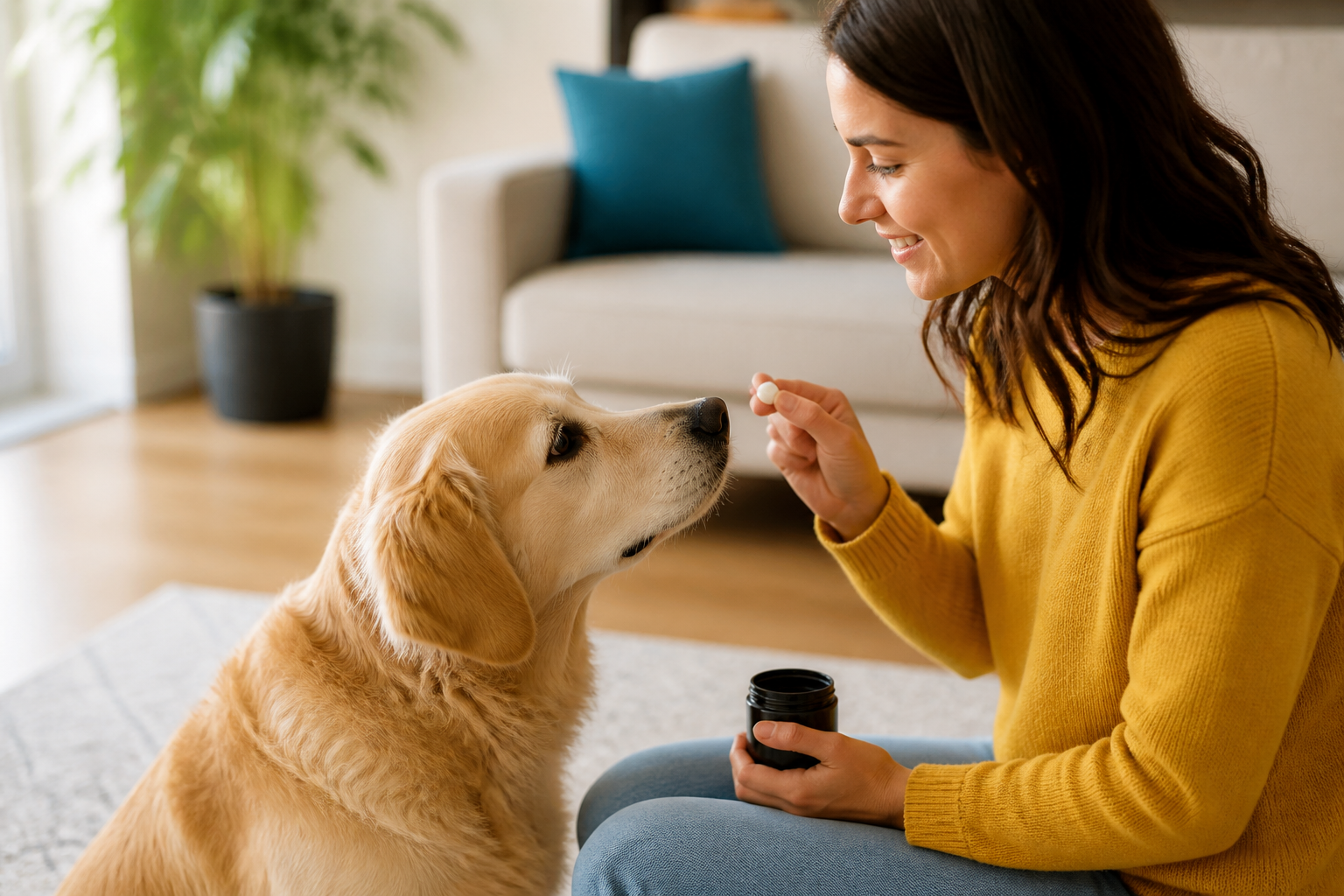
You are standing in the yard watching your dog struggle with loose stools again. Perhaps you have noticed a sudden increase in gas that clears the room. Or maybe your pup is recovering from a round of antibiotics and just does not seem like their usual self. These moments are common for pet owners. They often point toward an imbalance in the digestive system. At BaxterBoo, we know that a healthy dog starts from the inside out. This article explains how probiotics support the canine microbiome and why gut health is linked to everything from immunity to mood. We will explore the best strains for dogs and how to choose the right supplement for your furry friend. Understanding dog probiotics gut health is a practical way to help your pet feel their best every day.
Quick Answer: Probiotics are beneficial bacteria that live in a dog's digestive tract to aid digestion and support the immune system. They help restore balance to the gut microbiome when it is disrupted by stress, illness, or medications.
Understanding the Canine Microbiome
The canine gut is a complex ecosystem. It is home to trillions of microorganisms, including bacteria, fungi, and viruses. This community is known as the microbiome. These tiny residents are not just hitching a ride. They perform vital tasks every single hour. They break down food that the body cannot digest on its own. They manufacture essential vitamins like B12 and K. Most importantly, they act as a primary line of defense against harmful pathogens.
When this ecosystem is in balance, your dog likely has firm stools and a shiny coat. However, this balance is delicate. Diet changes, environmental stress, or even aging can tip the scales. This leads to a state called dysbiosis. This means the harmful bacteria have begun to outnumber the beneficial ones. Probiotics are the tool we use to introduce more "good" bacteria back into the system to restore order.
Key Takeaway: A balanced microbiome is essential for nutrient absorption and serves as a barrier against harmful bacteria that enter the digestive tract.
The Role of Probiotics in Daily Wellness
Most people think of probiotics only when their dog has diarrhea. While they are excellent for managing loose stools, their benefits go much deeper. Research suggests that about 70 percent of a dog's immune system resides in the gut. When you support gut health, you are directly supporting their ability to fight off infections.
Probiotics also produce short chain fatty acids. These compounds provide energy to the cells lining the colon. They also help maintain the correct acidity levels in the intestines. This acidic environment makes it very difficult for harmful bacteria like Salmonella or E. coli to thrive. By keeping the gut environment stable, probiotics provide a foundation for overall health that lasts well beyond the next meal.
For additional digestive support, explore our dog digestive health collection.
Common Signs Your Dog Needs Gut Support
It is not always obvious when a dog has an imbalanced gut. Some signs are subtle and develop over time. If you notice any of the following, it might be time to look into probiotic support.
- Frequent gas or abdominal bloating
- Intermittent loose stools or constipation
- Excessive grass eating or "gurgly" stomach sounds
- Dull coat or itchy skin that does not have a clear cause
- Increased anxiety or restlessness
- Bad breath that persists after dental cleanings
Vet Tip: If your dog has persistent vomiting, bloody stools, or extreme lethargy, consult your veterinarian immediately. These can be signs of serious underlying conditions that require more than just a supplement.
The Gut-Brain Connection and Anxiety
One of the most interesting areas of pet health is the link between the gut and the brain. This is often called the gut-brain axis. The digestive tract and the brain are in constant communication through the vagus nerve. This means that a stressed gut can lead to a stressed dog.
Specific probiotic strains have been shown to help calm dogs. For example, Bifidobacterium longum (specifically the BL999 strain) is known to help dogs manage stressful situations. This includes things like boarding, loud noises, or changes in the household. Instead of just treating the behavioral symptom, supporting the gut addresses one of the physical roots of the anxiety.
Key Probiotic Strains for Dogs
Not all probiotics are the same. A product that works for a human might not be effective for a dog because our internal environments are different. When you are looking at labels for supplements at BaxterBoo or elsewhere, look for these specific canine-friendly strains.
Enterococcus Faecium
This is one of the most common strains used for dogs. It is particularly effective at shortening the duration of diarrhea. It is a hardy strain that survives the journey through the acidic stomach to reach the intestines where it is needed.
Lactobacillus Acidophilus
This strain helps improve stool quality and frequency. It is excellent for dogs who have general sensitivity to different foods. It also plays a role in supporting the immune system.
Bifidobacterium Animalis
If your dog struggles with acute diarrhea or general digestive upset, this strain is a heavy hitter. It has been studied extensively for its ability to reduce the time a dog spends dealing with loose stools.
Bacillus Coagulans
This is a spore-forming bacterium. This makes it incredibly stable. It can withstand high temperatures and stomach acid better than many other strains. It is often found in probiotic chews because it survives the manufacturing process well.
Prebiotics: The Fuel for the Good Bacteria
You cannot talk about probiotics without mentioning prebiotics. Think of probiotics as the "engine" and prebiotics as the "fuel." Prebiotics are types of fiber that the dog's body cannot digest. Instead, they pass into the lower GI tract where the beneficial bacteria eat them.
Common prebiotics include:
- Fructooligosaccharides (FOS)
- Inulin
- Chicory root
- Pumpkin powder
Feeding a supplement that contains both prebiotics and probiotics is often more effective. This combination is sometimes called a synbiotic. It ensures that the good bacteria you are introducing have exactly what they need to grow and multiply once they arrive.
When to Start a Probiotic Regimen
There are specific times in a dog's life when their gut needs extra help. Being proactive during these windows can prevent a minor upset from becoming a major mess.
During and After Antibiotics
Antibiotics are life-saving medications, but they are not selective. They kill off the bad bacteria causing an infection, but they also wipe out the beneficial bacteria in the gut. This is why many dogs get "antibiotic-associated diarrhea." Giving a probiotic during the course of medication and for several weeks after can help rebuild the microbiome.
During Life Transitions
Moving to a new home, staying at a kennel, or adding a new family member causes stress. Stress triggers a release of cortisol, which can negatively impact gut bacteria. Starting a probiotic a few days before a known stressful event can give the gut a protective buffer.
Switching Foods
Even the best high-quality food can cause a temporary upset if you switch too quickly. Probiotics help the digestive system adapt to new protein sources or fiber levels more smoothly.
For more guidance about food-related digestive upset, read our article about dry food and diarrhea in dogs.
Senior Dog Care
As dogs age, their digestive efficiency can decrease. Their microbiome diversity often drops as well. A daily probiotic can help senior dogs absorb more nutrients from their food and maintain a stronger immune response.
Key Takeaway: Probiotics are most effective when used as a preventative measure during times of change or as a recovery tool after illness.
How to Choose a Quality Probiotic Supplement
The supplement market is vast, and quality varies significantly. At BaxterBoo, we handpick brands like Zesty Paws, Honest Paws, and NutriSource because they meet high standards for stability and transparency. Here is what to look for on a label.
CFU Count
CFU stands for Colony Forming Units. This tells you how many live, active bacteria are in each serving. For general maintenance, look for a product with 1 to 5 billion CFUs. For a dog with active digestive issues, your vet might recommend a higher count.
Guaranteed Analysis
Ensure the label states the number of live organisms at the end of the product's shelf life, not just at the time of manufacture. Bacteria are living things and can die off over time if not handled correctly.
Storage Requirements
Some probiotics require refrigeration to stay alive. Others are shelf-stable. If you travel with your dog frequently, a shelf-stable powder or chew is much more convenient.
Form Factor
Choose a form that your dog will actually take.
- Powders: Easy to mix into wet food or kibble.
- Chews: Often flavored like treats, making them great for picky eaters.
- Capsules: Good for hiding in a pill-paste or treat.
- Pastes: Often used for acute, short-term digestive distress.
The Role of the BaxterBoo Pharmacy
Sometimes, a standard over-the-counter supplement is not enough. If your dog has a chronic condition like Inflammatory Bowel Disease (IBD) or severe food allergies, they may need a prescription-strength solution.
Our dog pharmacy offers FDA-approved medications and prescription pet foods through our partnership with Pet's Choice. We carry specialized diets from brands like Farmina Vet Life and Royal Canin that are formulated to manage specific gut health issues. These diets often include unique fiber blends and hydrolyzed proteins that work alongside probiotics to soothe an inflamed digestive tract. If your veterinarian has written a prescription for a specific probiotic or therapeutic diet, we can help you fulfill that order conveniently.
Natural Sources of Probiotics
While supplements are the most reliable way to get a specific dose of beneficial strains, some owners look to whole foods. Plain, unsweetened yogurt or kefir can provide some probiotics. However, there are some risks to consider.
- Lactose Intolerance: Many dogs do not digest dairy well, which can cause more gas and diarrhea.
- Sweeteners: Never feed yogurt containing Xylitol (birch sugar), as it is highly toxic to dogs.
- Strain Variety: Most human yogurts do not contain the specific strains that dogs need most.
For these reasons, a dedicated canine supplement is usually a safer and more effective choice.
Step-by-Step: Transitioning to a Probiotic
Introducing a new supplement should be done carefully to avoid upsetting your dog's stomach further.
Step 1: Consult your veterinarian.
Ensure the supplement is appropriate for your dog's specific health history and current medications.
Step 2: Start with a half dose.
Give your dog half of the recommended daily amount for the first three to five days. This allows their system to adjust to the new influx of bacteria.
Step 3: Monitor for side effects.
Watch for temporary increases in gas or bloating. If these symptoms are mild, they usually resolve within a week. If they are severe, stop the supplement and talk to your vet.
Step 4: Move to the full dose.
Once your dog has tolerated the half dose well, move to the full daily amount recommended on the packaging.
Step 5: Be consistent.
Probiotics work best when given at the same time every day to maintain a steady population of good bacteria in the gut.
Bottom line: Gradual introduction and daily consistency are the keys to seeing long-term improvements in your dog's gut health.
Long-term Gut Health Maintenance
Probiotics are part of a larger picture of wellness. To keep your dog's gut in top shape, look at their entire lifestyle. A diet high in quality protein and appropriate fiber is the foundation. Avoid feeding excessive table scraps, especially fatty or sugary foods, which can feed the harmful bacteria in the microbiome.
Regular exercise also plays a role. Physical activity helps stimulate the muscles of the digestive tract, keeping waste moving through the system efficiently. This prevents "stagnation" in the gut where bad bacteria can sometimes overgrow.
Finally, keep an eye on your dog's weight. Obesity has been linked to changes in the microbiome and increased inflammation throughout the body. Using our MVP Rewards program can help you save on the premium foods and supplements needed to keep your dog at a healthy weight.
When Probiotics Might Not Be Recommended
While generally very safe, probiotics are not for every dog in every situation. If your dog is severely immunocompromised or undergoing chemotherapy, their immune system might not be able to handle the introduction of any new bacteria, even the "good" kind.
Always check with your vet if your dog has a serious chronic illness. Additionally, if you are using probiotics to treat a symptom like diarrhea and it does not improve within 48 to 72 hours, it is time for a professional medical evaluation. There may be a parasite, infection, or underlying organ issue that a supplement cannot fix.
The BaxterBoo Difference in Pet Care
We have been operating since 2006, and our team handpicks every product we carry. We do not just stock what is popular. We stock what works. Whether you visit our warehouse in Vernon Hills or order online for home delivery, you are getting advice and products from people who truly care about pets.
We offer several programs to make maintaining your dog's health more affordable. Our Autoship program is a great choice for probiotics, as these supplements are most effective when used daily without interruption. You save on your first order and earn a free MVP Gold membership, ensuring you never run out of the supplies your dog needs.
Key Takeaway: Quality supplements combined with a consistent routine provide the best results for canine digestive wellness.
Summary of Gut Health Benefits
To wrap up, supporting your dog's gut health is one of the most proactive things you can do for their longevity. By focusing on the microbiome, you are supporting:
- Consistent, healthy digestion and stool quality.
- A robust immune system capable of fighting off pathogens.
- Improved skin and coat health through better nutrient absorption.
- Reduced anxiety and better mood regulation.
Bottom line: A healthy gut is the engine of a healthy dog, and probiotics are a safe, effective way to keep that engine running smoothly.
FAQ
Can I give my dog human probiotics?
While human probiotics are generally not toxic to dogs, they are often ineffective. Dogs have different types of bacteria in their digestive tracts and a different internal pH level. Canine-specific supplements are formulated with the exact strains that have been proven to survive the dog's stomach acid and provide actual health benefits.
How long does it take for dog probiotics to work?
The timeline depends on what you are treating. For acute issues like diarrhea caused by stress, you might see improvements within 24 to 48 hours. For chronic issues like skin allergies or anxiety, it can take four to six weeks of consistent daily use to see a noticeable difference in your dog's condition.
Are there side effects to giving dogs probiotics?
Some dogs may experience a temporary increase in gas, bloating, or even a slight worsening of diarrhea when they first start a supplement. This is often called a "die-off" effect as the bad bacteria are replaced by the good. These symptoms are usually mild and should disappear within a few days as the gut reaches a new balance.
Is pumpkin a probiotic for dogs?
No, pumpkin is not a probiotic, but it is an excellent prebiotic. It is rich in fiber which feeds the beneficial bacteria already in your dog's gut. This is why many people see success using pumpkin for digestive upset. It provides the "fuel" that helps the microbiome recover and helps bulk up loose stools.
Conclusion
Supporting dog probiotics gut health is a journey that pays off in your pet's comfort and energy levels. By understanding the role of the microbiome and choosing high-quality, canine-specific strains, you can manage common digestive issues and bolster your dog's immune system. Whether you are dealing with a temporary upset or looking for long-term wellness, we are here to help. Explore our curated selection of supplements and professional pharmacy services to find the right fit for your dog. For the best value, consider signing up for Autoship to ensure your pet never misses a day of their gut health routine.
Key Takeaway: Consistency and quality are the pillars of gut health. Choosing the right probiotic today can lead to a more vibrant and comfortable life for your dog tomorrow.