
 Save 15% on your 1st Autoship learn more

 Email us
 Live Chat
 FAQs





Introduction
If you have ever petted your cat only to notice a cloud of white flakes settle on their fur or your dark furniture, you are likely dealing with feline dandruff. Seeing those little flakes can be a bit concerning for any pet owner, but it is a common issue that many of us face. While a certain amount of skin shedding is normal, excessive dandruff often means your cat needs a little extra help with their grooming routine. At BaxterBoo, we have spent years helping cat owners find the right tools to keep their pets comfortable and their coats looking sharp.
This post will cover why these flakes appear and how the right grooming tools can make a significant difference. We will explore the specific types of brushes that work best for exfoliating the skin without causing irritation. Our goal is to help you build a grooming routine that supports your cat's skin health and keeps those flakes at bay.
Quick Answer: The best brushes for cat dandruff are soft rubber curry brushes and natural boar bristle brushes. These tools gently exfoliate the skin and distribute natural oils without scratching or irritating the surface.
Understanding Feline Dandruff
Before you grab a brush, it is helpful to understand what you are actually looking at. Cat dandruff consists of dead skin cells that have clumped together and shed from the body. While it is similar to human dandruff, it can sometimes be confused with dander. Dander is made of microscopic skin cells that all cats shed naturally, whereas dandruff is visible to the eye and often indicates an imbalance in the skin.
There are two main types of seborrhea, which is the medical term for these skin issues. Dry seborrhea looks like fine white powder, while oily seborrhea can appear as greasy, yellowish flakes that stick to the hair. Most cats suffer from the dry version, especially during the winter months when the air in our homes is less humid.
It is also important to note that a sudden increase in dandruff can sometimes be linked to underlying health issues. If your cat has stopped grooming themselves effectively, it could be due to dental pain or arthritis. In these cases, the flakes build up because the cat cannot reach certain areas to clean them.
Vet Tip: While most dandruff is a simple grooming or environmental issue, it can sometimes signal allergies, parasites, or internal health problems. If you notice redness, scabs, or your cat seems excessively itchy, consult your veterinarian for a proper diagnosis.
Cat Brushes & Combs








Why Brushing Helps Manage Flakes
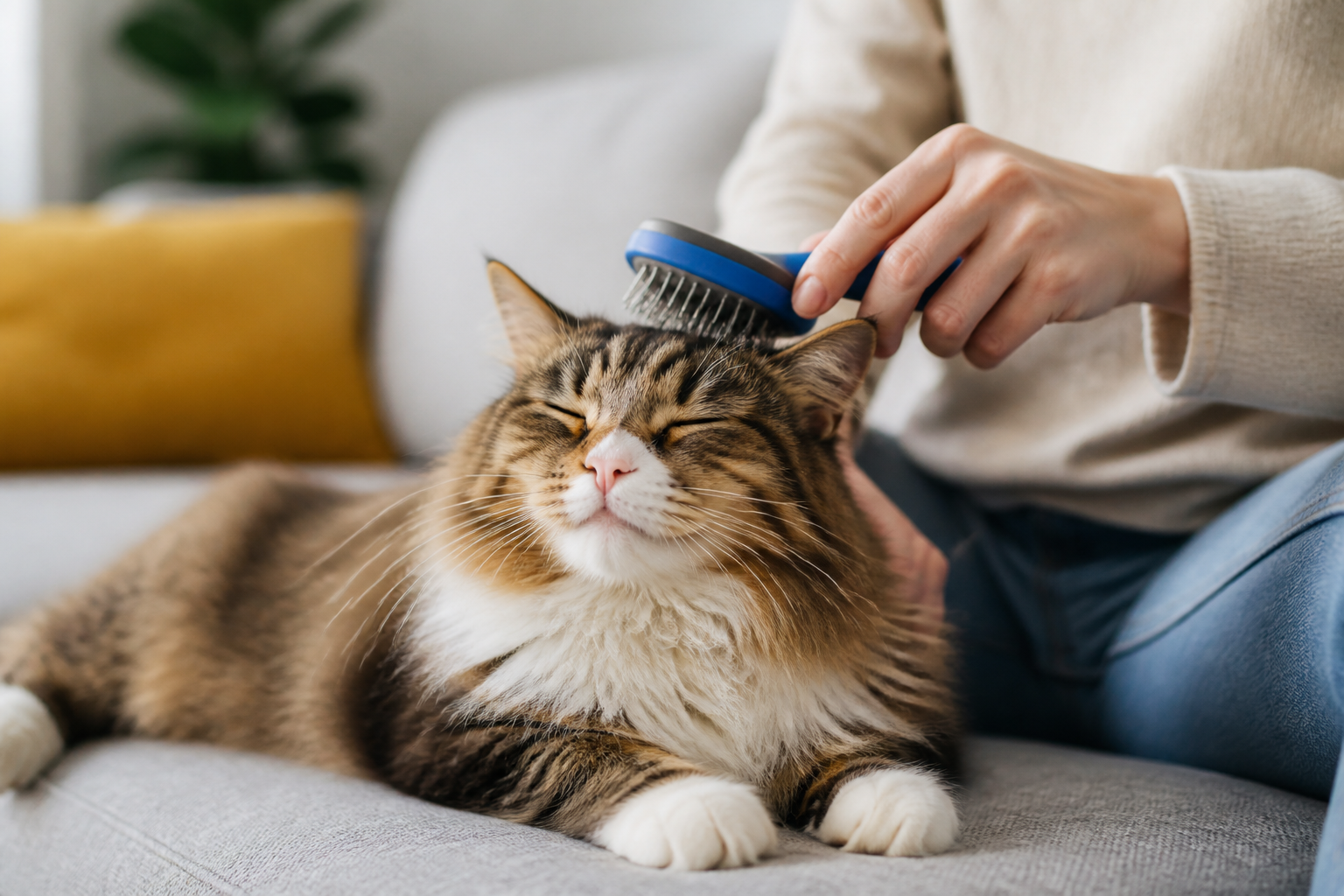
Brushing is the most effective way to manage dandruff at home because it addresses the problem in three ways. First, it physically removes the dead skin cells that have already detached but are trapped in the fur. Second, it stimulates the blood flow to the skin surface, which encourages healthy cell turnover.
Third, and perhaps most importantly, brushing helps move sebum around. Sebum is the natural oil produced by your cat's skin. This oil acts as a built-in moisturizer and a protective barrier. When a cat has dandruff, those oils are often sitting at the base of the hair follicle instead of being spread along the hair shaft. By using the right brush, you are essentially helping your cat apply their own natural lotion.
Regular grooming sessions also give you a chance to inspect the skin. You can look for "flea dirt," which looks like black pepper flakes. If those black flakes turn red when placed on a wet paper towel, your cat has fleas, not just dandruff. Managing parasites is a key step in skin health, and our cat pharmacy offers several products that may help when parasites are the culprit.
Soft Rubber Curry Brushes
Many professional groomers consider the rubber curry brush to be the gold standard for cats with sensitive, flaky skin. Unlike metal slicker brushes that have sharp points, rubber brushes use soft, flexible nubs to massage the skin. This massage action is vital for cats with dandruff because it loosens the dead cells without scratching the underlying tissue.
A popular choice in this category is the KONG Zoom Groom Natural Rubber Dog Grooming Brush. The large rubber teeth reach through the coat to the skin, grabbing loose hair and flakes like a magnet. Because the material is soft, most cats find the sensation very relaxing. It feels more like a deep tissue massage than a traditional brushing session.
- Best for: All coat lengths and cats with very sensitive skin.
- How it works: The rubber creates a light static charge that pulls hair and flakes away from the body.
- Why we like it: It is nearly impossible to "over-brush" or hurt your cat with this tool.
Key Takeaway: Rubber curry brushes provide the deep skin stimulation needed to move natural oils without the risk of skin abrasion common with metal tools.
Natural Boar Bristle Brushes
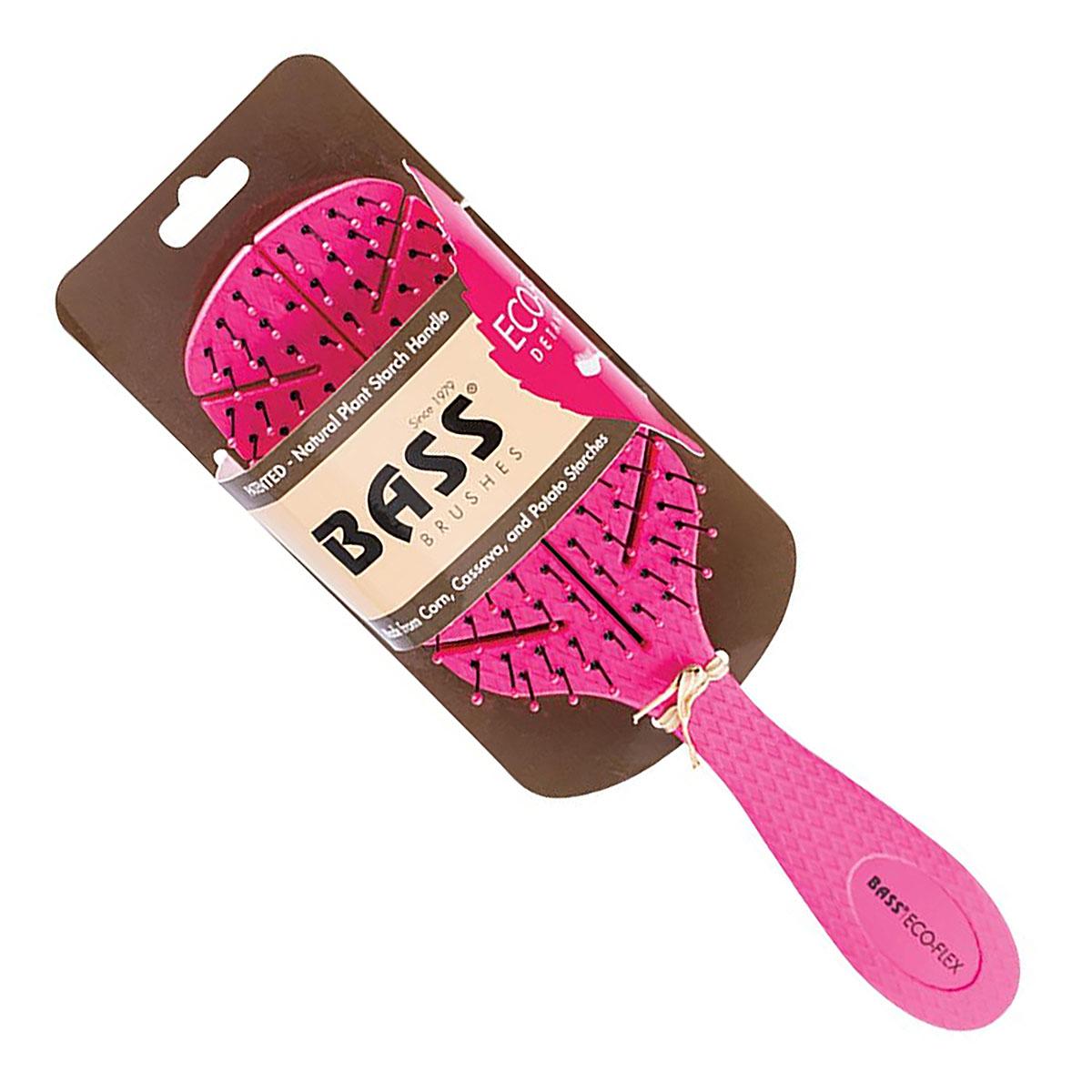
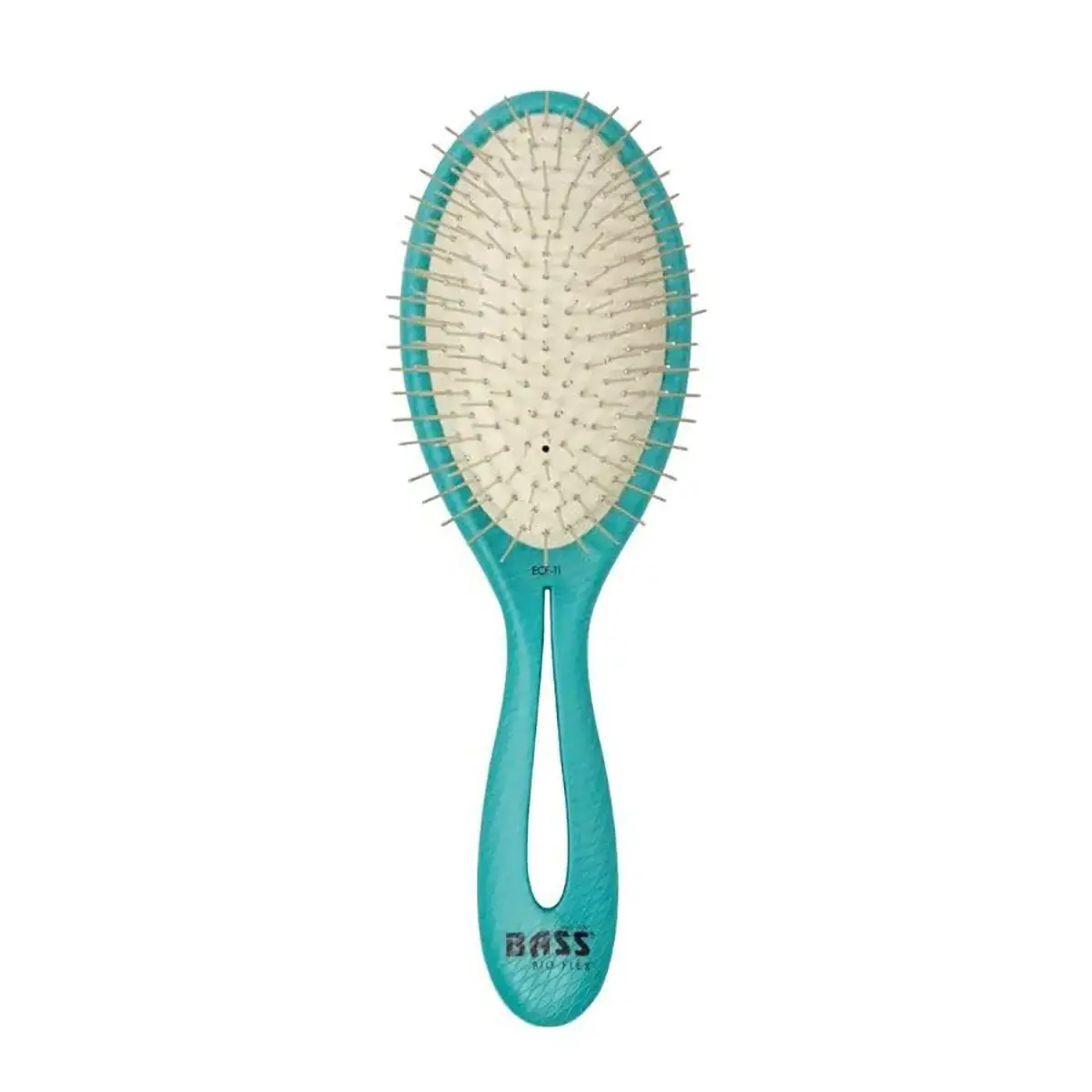
If your cat has a short, sleek coat and fine white flakes, a natural bristle brush is an excellent addition to your kit. These brushes are made with densely packed bristles that are much softer than synthetic plastic versions. The texture of natural hair is specifically designed to catch and distribute oils.
When you use a bristle brush, you are not necessarily trying to detangle the fur. Instead, you are polishing the coat. This type of brush is very effective at smoothing down the hair and ensuring that the sebum reaches the very tips of the fur. This creates a protective seal that prevents moisture from leaving the skin, which can reduce the formation of new dandruff over time.
For cats with medium or long hair, you might find that a bristle brush only works on the surface. In those cases, use the bristle brush as a finishing tool after you have used a wider-toothed comb to clear out the undercoat.
Fine Tooth Combs and Flea Combs
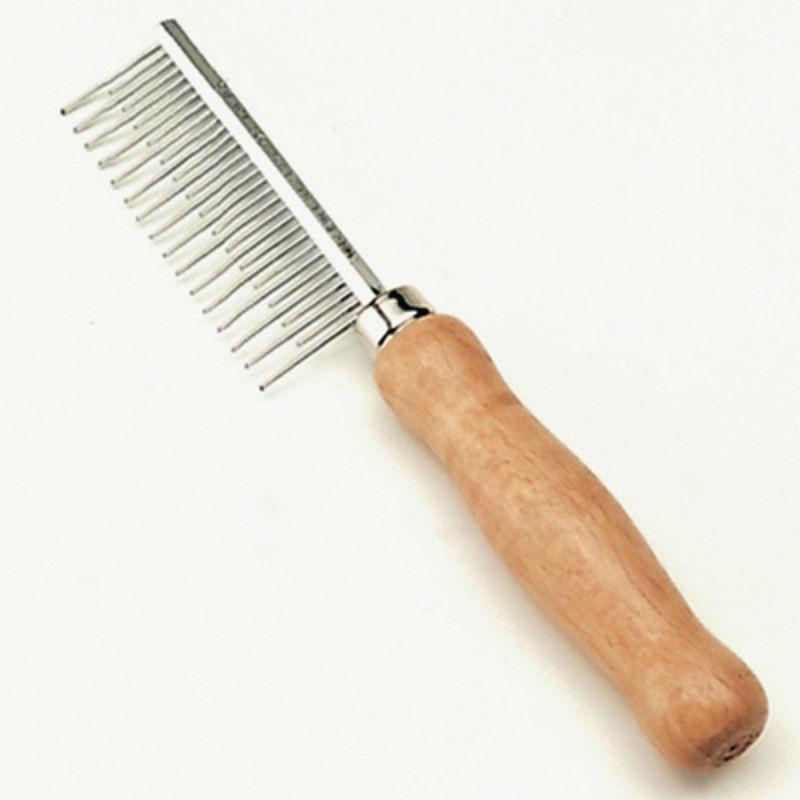
While they are called flea combs, these fine-toothed tools are remarkably effective at physically lifting dandruff out of the coat. The teeth are set very close together, which means they can catch even the smallest flakes that a larger brush might miss.
If your cat has a "dandruff patch" near the base of their tail, the U-Groom Contoured Grip Flea Comb for Dogs and Cats is one option for targeted flake removal. However, you must be very gentle. Because the teeth are rigid, pulling too hard can cause discomfort. We recommend using a comb specifically designed for cats, as they often have shorter, blunter teeth that are safer for feline skin.
Bottom line: Use a fine-tooth comb for targeted flake removal in specific areas, but keep the pressure light to avoid skin irritation.
Grooming Gloves for Skittish Cats
Some cats are "brush shy" and will run away the moment they see a grooming tool. If your cat falls into this category, their dandruff might be the result of them simply not allowing you to help with their coat. This is where grooming gloves or mitts come in handy.
These gloves feature rubber nubs on the palm, allowing you to groom your cat while you pet them. This is a much less intimidating experience for a nervous pet. Because the glove covers your whole hand, you can easily follow the contours of your cat's body, reaching the neck, belly, and chest where dandruff often hides.
The tactile feedback you get from using your hand also helps you stay aware of any lumps, bumps, or dry patches that might need a veterinarian's attention. It is a great way to bond while simultaneously tackling the flake problem. You can compare options in our grooming tools collection.
Brushing Techniques for Dandruff Relief
How you brush is just as important as what you use. If you are too aggressive, you can cause "brush burn," which will lead to more inflammation and more dandruff. Follow these steps for a successful session:
Step 1: Start with a calm cat. / Wait until your cat is relaxed or sleepy before beginning.
Step 2: Use the rubber brush first. / Use circular motions to loosen the dead skin and trapped hair. This stimulates the oil glands.
Step 3: Follow the grain of the fur. / Once the flakes are loosened, brush in the direction the hair grows to move the flakes toward the surface.
Step 4: Use a finishing brush. / Run a bristle brush or a grooming glove over the entire body to flatten the hair and spread the oils you just released.
Step 5: Reward your pet. / Give them a high-quality treat to create a positive association with the grooming process.
When Dandruff Requires More Than Brushing
Sometimes, the best brush in the world cannot solve a dandruff problem on its own. If the skin is chronically dry, you may need to look at what is going inside your cat's body. A diet lacking in Omega-3 fatty acids can lead to dull, flaky skin. We carry premium brands like Farmina, Orijen, and Open Farm that focus on high-quality proteins and essential fats that support skin health.
If the dandruff is severe, a veterinarian might recommend a prescription diet or a medicated shampoo. This is where the BaxterBoo pharmacy becomes a vital resource. Through our partnership with Pet's Choice, we provide access to FDA-approved prescription pet foods and medications. If your vet determines that your cat's dandruff is caused by an underlying condition like an allergy or a fungal infection, we can help you get the specific products your cat needs delivered right to your door.
Key Takeaway: Persistent dandruff often requires a combination of gentle grooming, high-quality nutrition, and occasionally veterinary-prescribed treatments from a trusted pharmacy.
Environmental Factors and Skin Health
The environment inside your home plays a massive role in your cat's skin condition. During the winter, heaters strip moisture from the air, which can dry out a cat's skin just as it does ours. You might notice that your cat's dandruff peaks between November and March.
Adding a humidifier to the rooms where your cat spends the most time can significantly reduce flakes. Additionally, ensure your cat is staying hydrated. Cats have a low thirst drive, and chronic mild dehydration can show up first in the quality of their coat. Switching to a wet food diet or adding a water fountain can encourage more water intake, which hydrates the skin from the inside out.
Managing Senior Cat Grooming
Senior cats often struggle with dandruff because they simply cannot reach their entire body anymore. Arthritis in the spine or hips can make it painful for them to twist around to groom their back and tail area. If you notice flakes concentrated on the lower back of an older cat, they likely need you to take over the grooming duties.
For seniors, we recommend sticking to the softest tools possible. Their skin can become thinner as they age, making metal brushes even more uncomfortable. A soft silicone brush or a grooming mitt is usually the best choice for an older cat. Regular, gentle sessions will prevent the hair from matting and keep the skin healthy without putting stress on their joints.
The Role of Supplements
If you have tried different brushes and environmental changes but the flakes persist, a skin and coat supplement might be the answer. Supplements containing fish oil or biotin can help improve the skin barrier. Brands like Zesty Paws or Honest Paws offer options that are easy to administer.
Always check with your vet before starting a new supplement, especially if your cat is on other medications. They can help you determine the right balance of nutrients to clear up the skin. One example is Zesty Paws Wild Alaskan Salmon Oil Skin & Coat Supplement.
Vet Tip: If you are using a topical flea treatment, wait at least 48 hours after application before brushing the area. Brushing too soon can interfere with the medication's absorption into the skin's oils.
Summary: A Clear Path to a Flake-Free Cat
Managing cat dandruff is a process of trial and error, but it starts with the right tools. By choosing a brush that prioritizes skin health over simple hair removal, you can address the root cause of those white flakes. Remember to keep sessions short, positive, and gentle.
- Use a rubber curry brush for deep massage and oil stimulation.
- Use a boar bristle brush to shine the coat and spread sebum.
- Monitor your cat's diet and hydration levels.
- Check for parasites that could be causing skin irritation.
- Consult a veterinarian if the skin appears red or inflamed.
At BaxterBoo, we are committed to providing the products and expertise you need to keep your cat healthy at every stage of life. Whether you are looking for a new grooming mitt, a high-quality food, or a prescription treatment through our pet pharmacy, we are here to support you.
Bottom line: Consistent, gentle grooming with a rubber or bristle brush is the most effective way to reduce cat dandruff and support long-term skin health.
FAQ
How often should I brush a cat with dandruff?
For a cat with visible flakes, a daily grooming session of five to ten minutes is ideal. This frequency ensures that you are constantly moving natural oils across the skin and removing dead cells before they clump together into larger, more noticeable flakes. Once the dandruff is under control, you can usually drop back to two or three times a week for maintenance.
Why does my cat get more dandruff when I brush them?
It is common to see more flakes during the actual brushing session because you are loosening dead skin that was trapped deep in the fur. Think of it like dusting a shelf; things might look messier for a moment while the particles are in the air. Over time, as you clear out the old skin cells and stimulate oil production, the overall amount of dandruff will decrease.
Can I use a human hairbrush on my cat's dandruff?
We do not recommend using human brushes because our hair and skin are different from a cat's. Human brushes often have plastic bristles with tips that can be too harsh for a cat's thin skin. Furthermore, human brushes are not designed to trap the specific type of fine hair and dander that cats produce. Using a tool designed specifically for felines will be much more effective and comfortable for your pet.
Should I bathe my cat to get rid of dandruff?
In most cases, a bath is not necessary and can actually make dandruff worse by stripping away the very oils the skin needs to stay hydrated. Cats are generally excellent self-groomers, and a bath can be a very stressful experience. Unless your veterinarian has prescribed a specific medicated shampoo for a skin infection, it is usually better to stick to regular brushing and nutritional support to manage flakes.






- Site & Contents BaxterBoo.com. BaxterBoo is located in the United States.
- Privacy & Security
- Terms of Use
- Accessibility Statement
