Save 15% on your 1st Autoship learn more

 Email us
 Live Chat
 FAQs
FAQs





Introduction
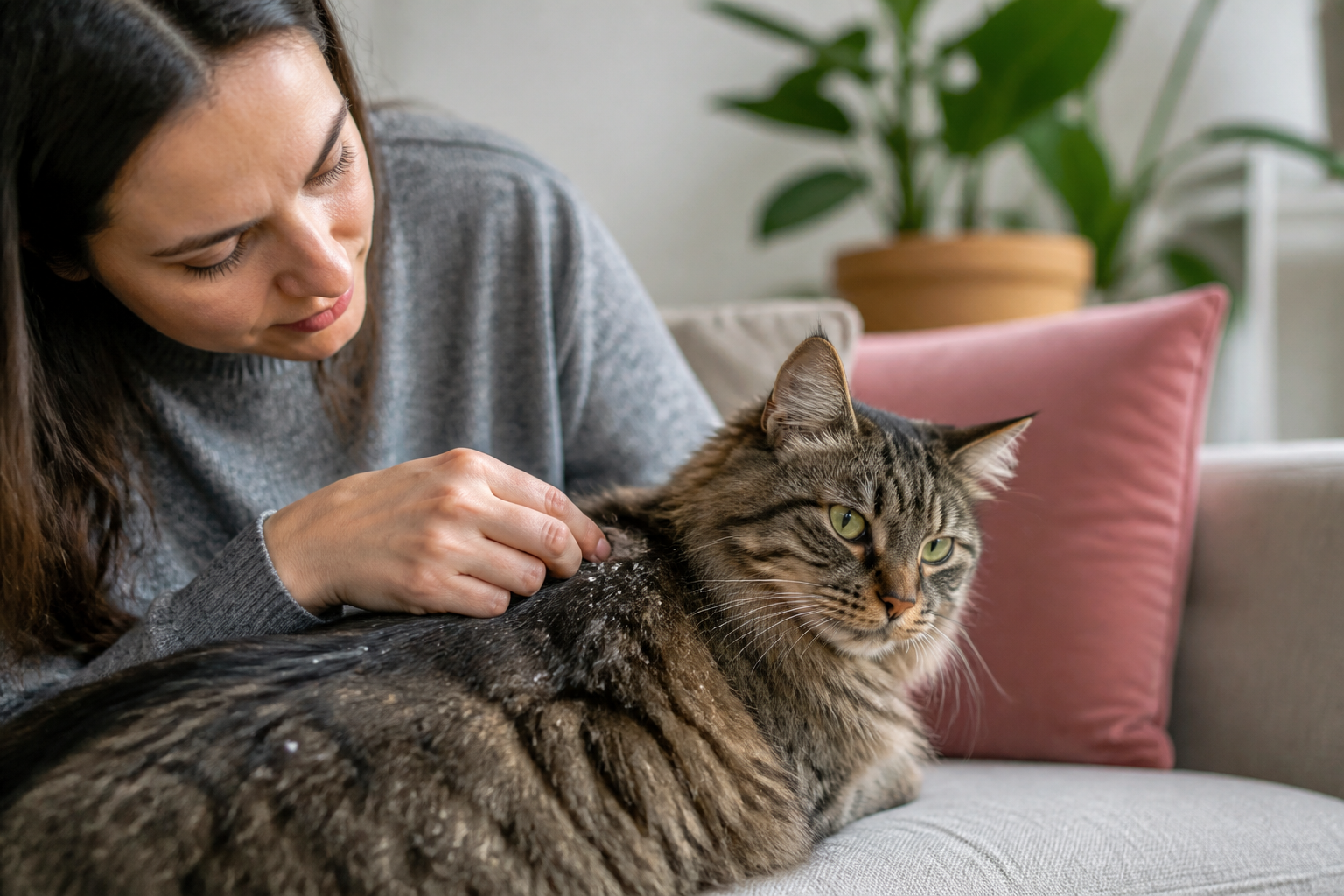
You are petting your cat and notice a flurry of white specks on their dark fur. At first, you might think it is just dust or a bit of litter. When those white flakes persist, you realize your cat is dealing with dandruff. While it is often a minor cosmetic issue, flaky skin can also be a sign that your feline friend needs a nutritional boost or a change in their environment. At BaxterBoo, we understand that a shiny coat is a sign of a healthy pet. This guide covers the most effective supplements for cat dandruff, the ingredients that actually work, and how a few simple changes to their routine can restore their coat. Proper nutrition and hydration are the foundations of feline skin health.
Understanding Feline Dandruff
Cat dandruff consists of dead skin cells that have clumped together and become visible. All cats shed skin cells naturally. This process is usually invisible and is referred to as dander. When the skin becomes too dry, too oily, or irritated, those cells shed in larger, noticeable flakes. It is not a disease itself but a symptom of an underlying condition.
Feline skin is a complex organ that serves as a protective barrier. When this barrier is compromised, moisture escapes and irritants enter. This leads to the cycle of dryness and flaking you see on your cat's back or near the base of their tail. Recognizing the difference between normal shedding and a dandruff problem is the first step in helping your pet feel more comfortable.
Quick Answer: Cat dandruff is usually managed by adding Omega-3 fatty acids and moisture to the diet. Supplements like fish oil or specialized skin and coat chews help restore the skin barrier and reduce visible flaking.
Common Causes of Flaky Skin in Cats
Before choosing a supplement, it is helpful to understand why the flakes are appearing. Several factors contribute to skin health, and often more than one is at play.
Environmental Factors
Low humidity is a major culprit, especially during the winter months when indoor heating is running. This dry air pulls moisture directly from your cat's skin. If you notice the dandruff is worse in the colder months, the environment is likely a primary factor.
Obesity and Mobility Issues
Cats are meticulous groomers. However, if a cat is overweight or has arthritis, they may struggle to reach certain spots. The lower back and the base of the tail are common areas for dandruff to accumulate because the cat cannot physically reach them to groom away dead skin.
Nutritional Deficiencies
A diet that is low in essential fatty acids will almost always result in a dull, flaky coat. Some lower quality commercial foods may meet basic requirements but lack the concentrated nutrients needed for optimal skin health. This is where supplements play a vital role.
Vet Tip: If your cat's dandruff is accompanied by redness, intense itching, or hair loss, consult your veterinarian. These symptoms can indicate parasites like Cheyetiella mites, also known as walking dandruff, or fungal infections like ringworm that require medical treatment.
Key Ingredients in Supplements for Cat Dandruff
Not all skin supplements are created equal. When shopping for products at BaxterBoo, look for these specific ingredients that have a proven track record for supporting feline skin. You can browse our cat skin and coat health collection for products focused on these nutritional needs.
Omega-3 and Omega-6 Fatty Acids
These are the gold standard for skin health. Omega-3 fatty acids, specifically EPA and DHA, help reduce inflammation in the skin. Omega-6 fatty acids help maintain the structural integrity of the skin barrier. The balance between these two is important for keeping the skin supple.
Biotin and Zinc
Biotin is a B vitamin that supports the production of keratin, a primary component of skin and fur. Zinc is a mineral essential for cell division and wound healing. A deficiency in either can lead to crusty skin and a brittle coat.
Vitamin E
Vitamin E is a powerful antioxidant. It helps protect skin cells from oxidative stress and supports the immune system. It is often included in oil-based supplements to prevent the oils from going rancid and to provide direct skin support.
Key Nutrient Checklist
- EPA and DHA: Derived from fish oil for inflammation support.
- Linoleic Acid: An Omega-6 that prevents moisture loss.
- Vitamin A: Supports skin cell turnover.
- Biotin: Strengthens the hair shaft and skin surface.
Types of Supplements to Consider
There are several ways to deliver these nutrients to your cat. The best choice often depends on your cat's preference and how easy the product is to administer. For broader guidance, see our pet supplement guide.
Liquid Fish Oils
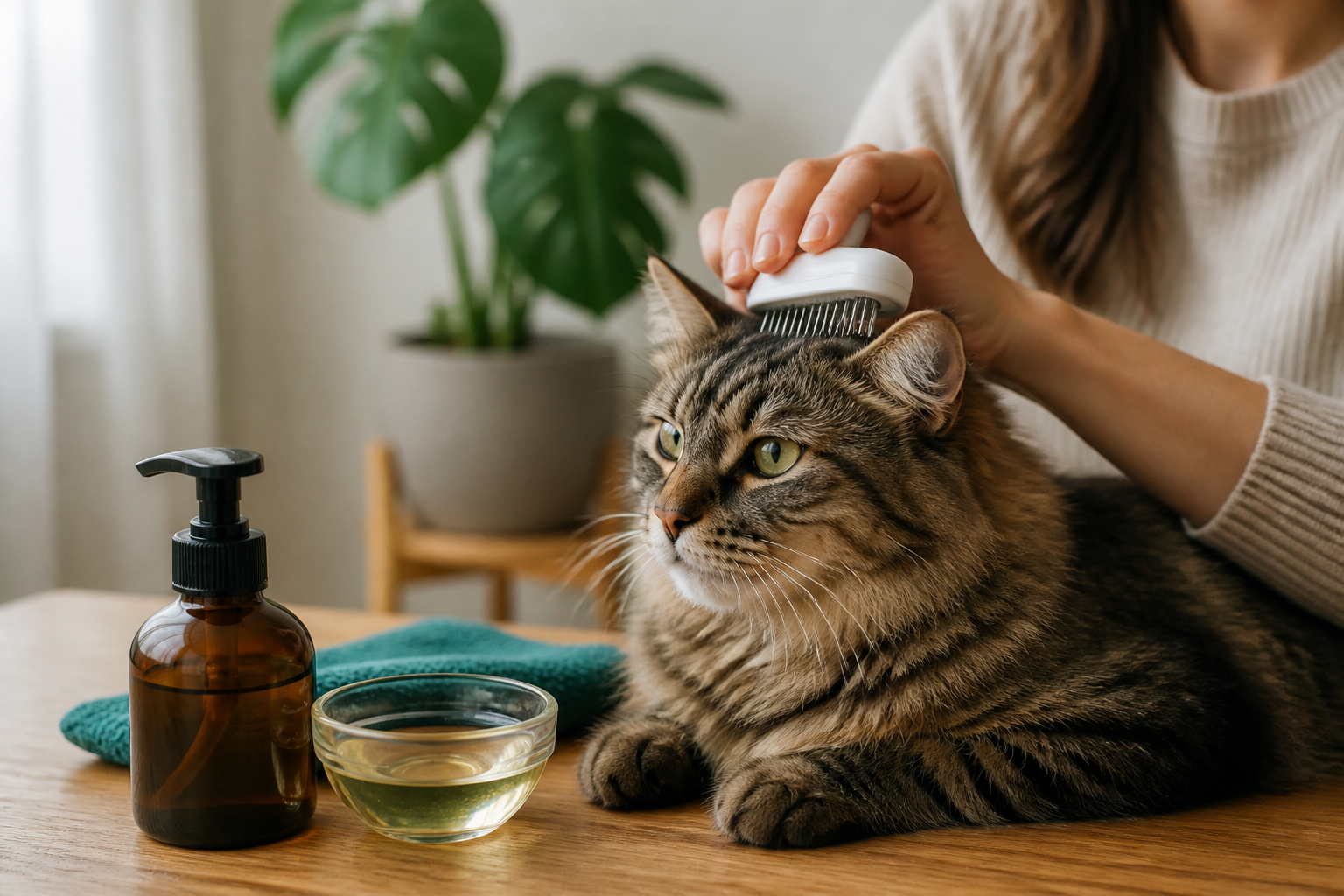
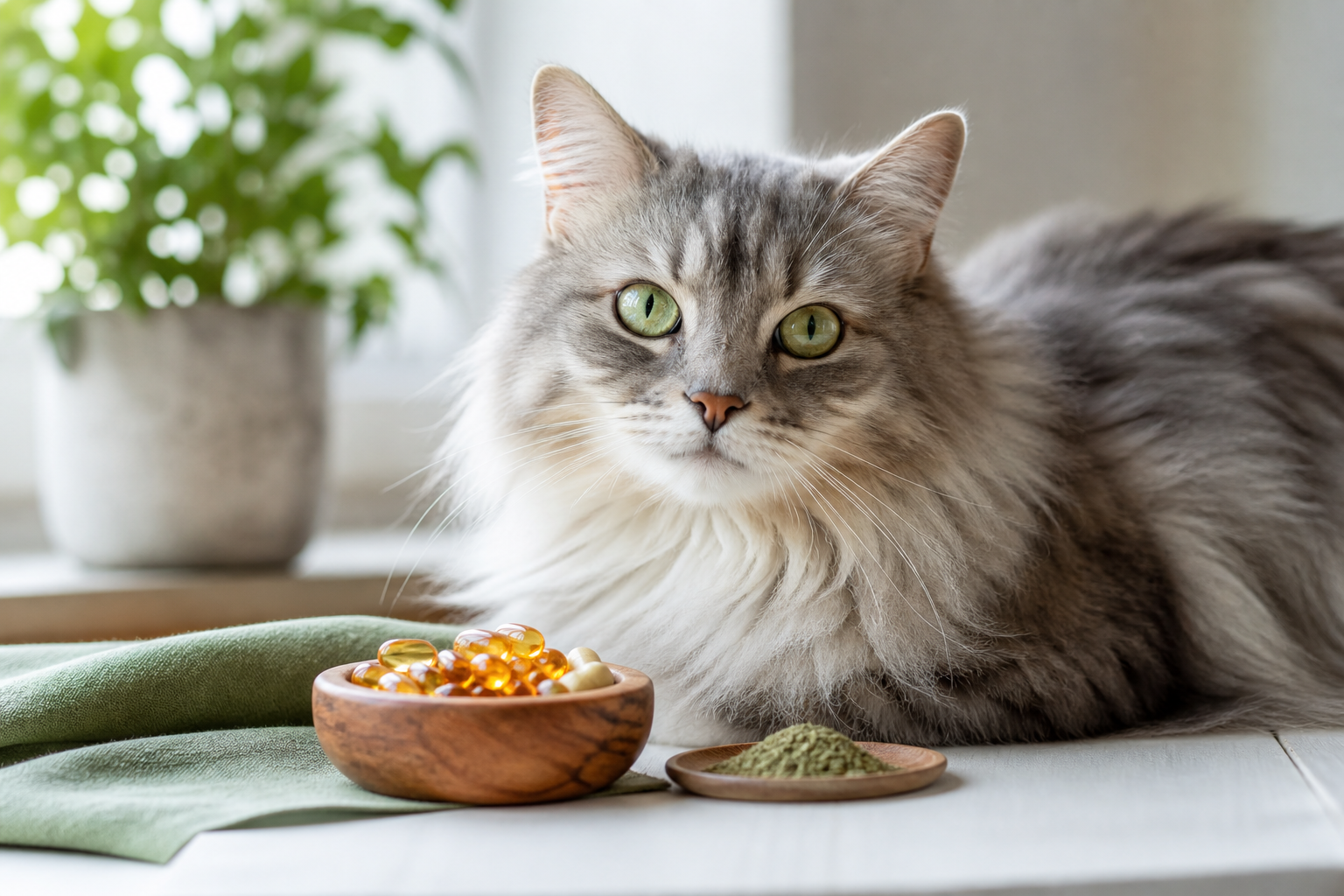
Salmon oil, pollock oil, and krill oil are popular choices. These usually come in a pump bottle and can be added directly to your cat's food. Most cats enjoy the taste, which makes it an easy addition to their daily routine. These oils provide a concentrated dose of Omega-3s.
Soft Chews and Treats
For cats that are picky about the texture of their food, soft chews are a great alternative. Brands like Zesty Paws or Honest Paws offer skin and coat chews that contain a blend of oils and vitamins in a treat format. This makes supplementation feel like a reward rather than a chore.
Freeze-Dried Toppers
Some supplements come in the form of freeze-dried morsels. Stella and Chewy's offers skin and coat boosters that can be crumbled over a meal. These often use high-quality proteins like salmon or duck as the base, providing both flavor and functional nutrition.
Key Takeaway: Consistent supplementation is necessary for results. It typically takes 3 to 6 weeks of daily use to see a noticeable improvement in your cat's skin and coat.
The Importance of Hydration
Cats have a low thirst drive. In the wild, they get most of their moisture from their prey. If a cat eats only dry kibble, they may live in a state of mild, chronic dehydration. Dehydration shows up quickly in the skin, making it less elastic and more prone to flaking.
Supplementing with wet food is one of the best ways to combat dandruff. Mixing a bit of water or plain bone broth into their meals can also help. When the body is hydrated, the skin can maintain its natural oils more effectively. Our cat food selection includes options for adding more moisture to your cat's routine.
Ways to Increase Moisture Intake
- Switch to Wet Food: Even one meal of canned food a day makes a difference.
- Use a Water Fountain: Many cats prefer running water and will drink more from a fountain than a bowl.
- Add Toppers: Use goat milk or hydrating purees to make meals more moisture-rich.
For more ideas about encouraging cats to drink, read these cat hydration tips.
Routine Care to Support Supplements
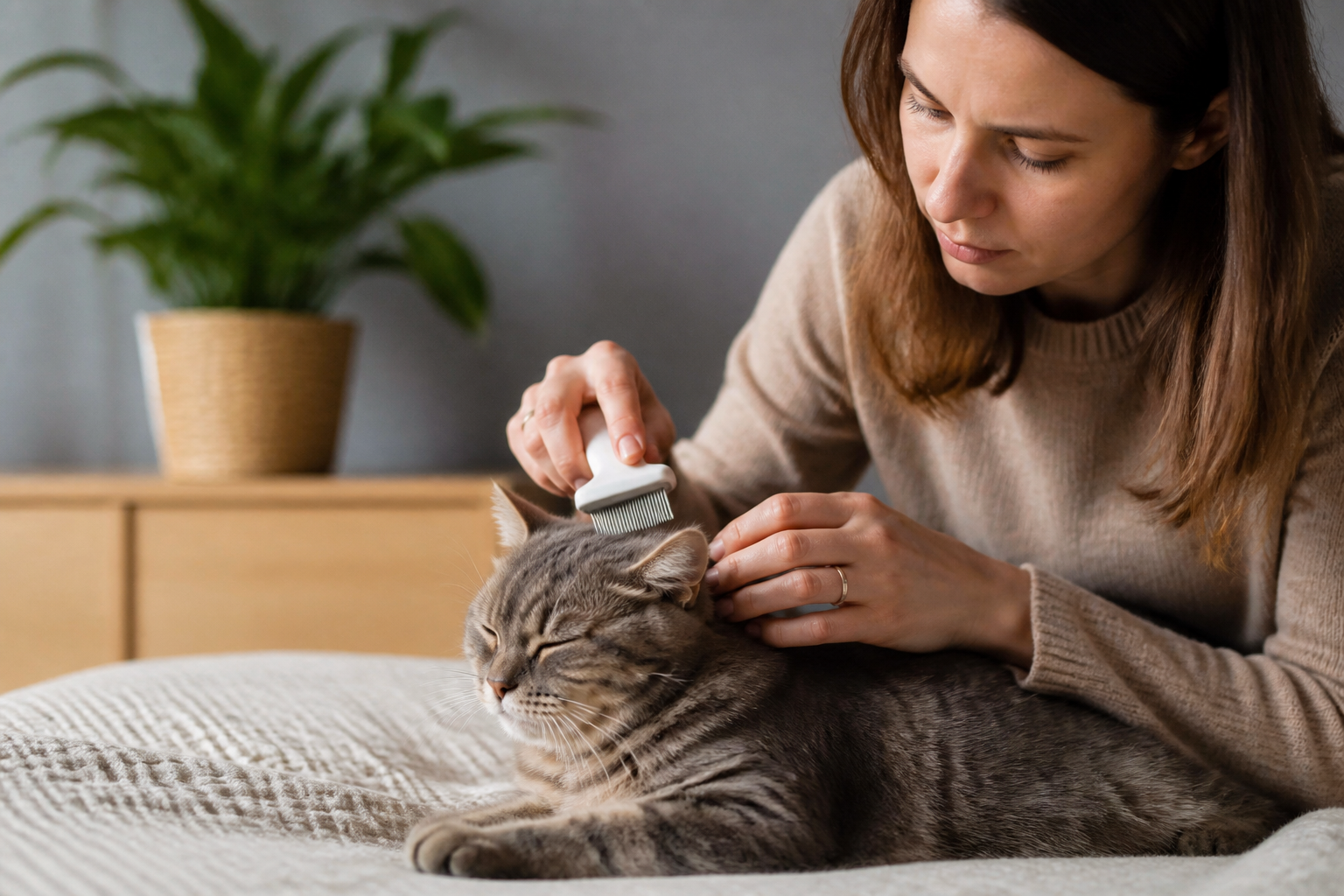
Supplements work best when paired with good grooming habits. Brushing your cat regularly is essential for managing dandruff. Brushing removes the dead skin cells before they can clump into flakes and stimulates the production of natural oils. Our cat grooming supplies can help support a consistent care routine.
For cats that cannot groom themselves well, you may need to use grooming wipes. Look for wipes that contain soothing ingredients like aloe or oatmeal. Avoid using human dandruff shampoos, as these are often toxic to cats and have the wrong pH balance for feline skin.
Bottom line: Supplements provide the internal building blocks for healthy skin, while regular brushing provides the external maintenance needed to keep flakes away.
Gentle grooming matters for every part of your cat's coat and face. Learn more about careful feline grooming in this guide to cat whisker care.
When to Use the BaxterBoo Pharmacy
Sometimes, dandruff is a symptom of an allergy or a chronic skin condition that requires more than over-the-counter supplements. If your veterinarian determines that your cat has a specific medical need, such as an inflammatory skin disease or a severe allergy, they may prescribe a therapeutic diet or medication.
Our pharmacy carries FDA-approved medications and prescription pet foods through our partnership with Pet's Choice. This includes prescription-strength skin support diets from brands like Royal Canin or Farmina Vet Life. If your cat requires a medicated approach to skin health, you can explore our pet pharmacy for cats.
Introducing New Supplements to Your Cat
Cats can be sensitive to changes in their diet. When starting a new supplement for dandruff, it is best to go slowly. Start with a half dose for the first few days to ensure your cat's digestive system handles the new oils or vitamins well.
If you are using a liquid oil, ensure the bottle is stored correctly. Fish oils can oxidize if exposed to heat and light, which makes them less effective and potentially unpalatable. Check the label to see if refrigeration is required after opening.
Step 1: Consult your veterinarian to rule out parasites or infections.
Step 2: Choose a supplement rich in Omega-3 fatty acids like salmon oil or a specialized chew.
Step 3: Introduce the supplement gradually over 5 to 7 days.
Step 4: Increase water intake by adding wet food or a water fountain to the home.
Step 5: Maintain a weekly brushing schedule to distribute natural oils.
Long-Term Skin Health Management
Managing cat dandruff is a marathon, not a sprint. Once the flakes disappear, do not stop the supplements. The skin requires a steady supply of nutrients to stay healthy. Maintaining a high-quality diet and a stress-free environment will help prevent the return of dry, flaky skin.
Monitor your cat's coat throughout the year. You may find that they need a higher dose of fish oil in the winter and a maintenance dose in the summer. Staying proactive with their nutrition ensures they remain comfortable and flake-free. For regularly used products, our Autoship programme can help simplify repeat orders.
Key Takeaway: Feline skin health is a reflection of internal wellness. A combination of fatty acid supplements, proper hydration, and regular grooming is the most effective way to eliminate dandruff.
Conclusion
Dealing with cat dandruff requires a multi-pronged approach. By identifying environmental triggers and providing the right nutritional support, you can significantly improve your cat's skin quality. Focus on high-quality Omega fatty acids, Vitamin E, and increased hydration. Our team at BaxterBoo is here to help you find the right products for your cat's specific needs.
- Select supplements with EPA and DHA for maximum anti-inflammatory benefits.
- Incorporate wet food to boost hydration levels.
- Brush your cat at least twice a week to manage dead skin buildup.
- Consult a vet if the dandruff is accompanied by itching or sores.
Vet Tip: Always discuss new supplements with your veterinarian, especially if your cat is on other medications. They can help you determine the correct dosage based on your cat's weight and health history.
If your cat's skin issues require specialized care, consider exploring our pharmacy section for prescription diets and medications that support long-term dermatological health.
FAQ
How long does it take for supplements to fix cat dandruff?
It usually takes between 3 and 6 weeks to see a visible difference in your cat's coat after starting a supplement. The body needs time to incorporate the new fatty acids into the skin cells as they grow and move to the surface. Consistency is the most important factor in seeing results.
Can I give my cat human fish oil capsules for dandruff?
While the fish oil itself is often safe, human supplements may contain flavorings, lemon scents, or concentrations that are not appropriate for cats. It is much safer to use a product specifically formulated for felines. This ensures the dosage of EPA and DHA is correct and that there are no harmful additives like xylitol.
Is cat dandruff ever a serious medical concern?
On its own, dandruff is usually not an emergency, but it can be a sign of systemic issues like diabetes or hyperthyroidism. If your cat is also drinking more water than usual, losing weight, or acting lethargic, the dandruff might be a secondary symptom. A wellness exam is always a good idea when you notice changes in skin health.
Does bathing a cat help get rid of dandruff?
In most cases, frequent bathing actually makes dandruff worse by stripping the skin of its natural protective oils. Unless your veterinarian has prescribed a specific medicated shampoo for an infection, it is better to rely on supplements and regular brushing. If you must bathe your cat, use a moisturizing, soap-free formula designed for pets.