
 Save 15% on your 1st Autoship learn more

 Email us
 Live Chat
 FAQs
FAQs






Why Joint Health & Mobility Matters for You and Your Pet
Joint Health & Mobility is the foundation of an active, pain-free life — for both people and their pets.
Here's a quick summary of how to support it:
- Move regularly — gentle, low-impact activity keeps joints lubricated and flexible
- Manage weight — every pound lost removes 4 pounds of pressure from your knees
- Eat an anti-inflammatory diet — omega-3s, fruits, vegetables, and whole grains help reduce joint inflammation
- Use evidence-backed supplements — glucosamine, chondroitin, collagen, and hyaluronic acid support cartilage and lubrication
- Strengthen surrounding muscles — stronger muscles act as shock absorbers for your joints
- See a doctor early — persistent pain, swelling, or stiffness warrants professional evaluation
Think about the last time you got out of bed feeling stiff, or watched your dog struggle to stand up after a nap. That's your joints asking for attention.
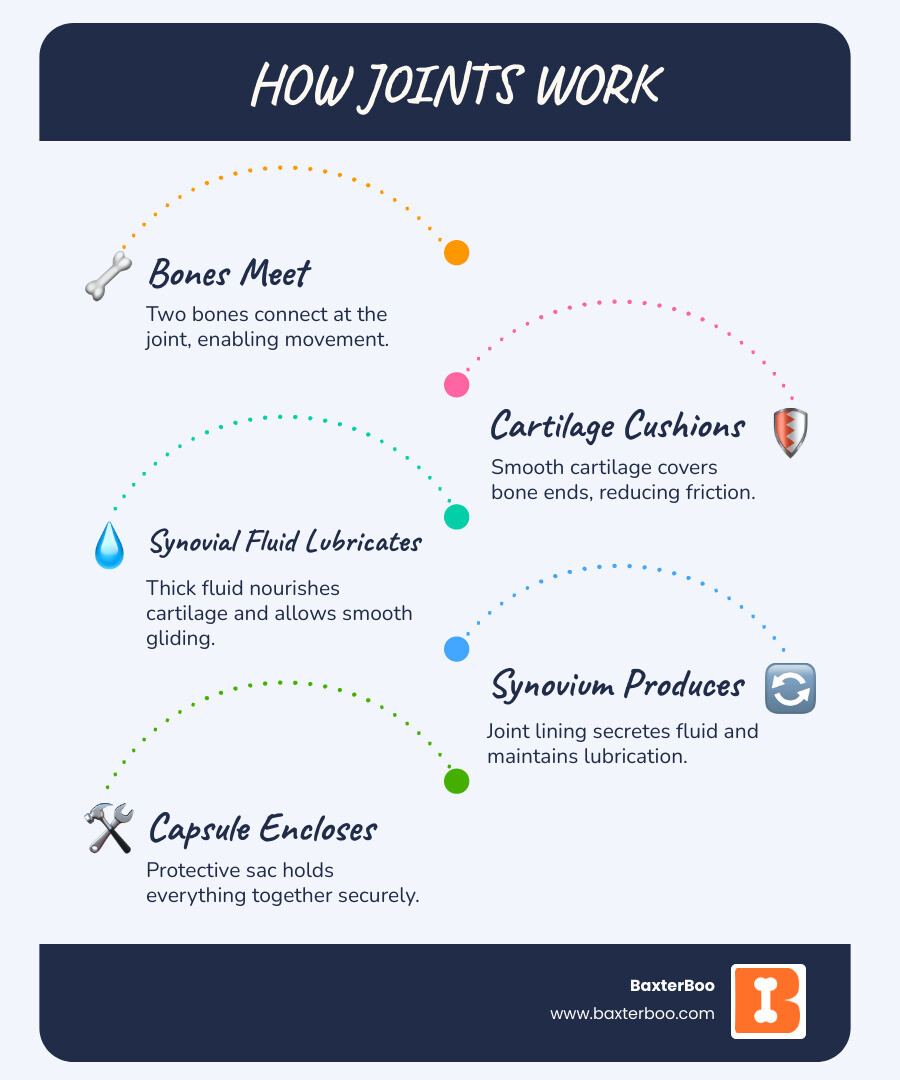
Joints are where two bones meet. They're cushioned by cartilage and kept smooth by synovial fluid — a natural lubricant that decreases as we age. When that system breaks down, pain and stiffness follow.
The numbers are sobering. By 2050, experts project nearly 1 billion cases of osteoarthritis worldwide. It's already on track to become the single leading cause of disability by 2030.
But here's the good news: many joint problems are preventable or manageable with the right habits. And those habits work just as well for your four-legged family members as they do for you.
This guide covers everything — from how joints actually work, to the best exercises, foods, and supplements for keeping them healthy at every stage of life.
Understanding Joint Health & Mobility Across the Lifespan

Maintaining Joint Health & Mobility isn't a "senior-only" project; it’s a lifelong journey that starts in childhood. In our early years, we focus on building a strong foundation through diverse physical activity and bone-building nutrients. During adolescence and early adulthood, the goal shifts to maintenance and injury prevention. However, as we hit our 40s and 50s, the body’s natural production of collagen and synovial fluid begins to dip, leading to the common "creaks" we feel in the morning.
Osteoarthritis (OA) is the most prevalent form of arthritis, caused by the gradual breakdown of cartilage. While aging is a major factor, repetitive stress and past injuries also play a role. Beyond OA, conditions like Rheumatoid Arthritis involve the immune system attacking the joint lining, leading to chronic inflammation.
The "golden rule" of joint care is simple: motion is lotion. The more we move, the less stiffness we experience. When we remain sedentary, our joints lose their natural lubrication, making movement even more difficult. Proactive preservation—through stretching, proper lifting techniques, and low-impact exercise—can help us avoid the cycle of pain and reduced activity.
The Impact of Weight on Joint Longevity
One of the most powerful things we can do for our Joint Health & Mobility is manage our weight. It’s a simple matter of physics. Your knees, hips, and lower back bear the brunt of every extra pound you carry.
The pressure ratio is staggering: every pound of body weight lost takes 4 pounds of pressure off the knees. If you lose just 10 pounds, you are effectively removing 40 pounds of force from your knee joints with every step you take. Conversely, gaining muscle mass is equally beneficial. For every one pound of muscle mass gained, you can reduce the pressure on your knee joint by up to four pounds because muscle acts as a "living brace," absorbing shock before it reaches the bone.
The Importance of Joint Health & Mobility in Pets
At BaxterBoo, we know that our pets are family, and their Joint Health & Mobility is just as vital as our own. Because dogs and cats age faster than humans, joint issues can sneak up quickly. Large breeds are often prone to hip dysplasia, while senior cats may simply become less "zoomie" as their joints stiffen.
Watching for signs like hesitating at the stairs, difficulty rising, or a change in gait is crucial. Early intervention with high-quality, vet-approved products can make a world of difference. For example, Nutramax Dasuquin Joint Health Supplement is a top-tier choice for large dogs, combining glucosamine and chondroitin with ASU (avocado/soybean unsaponifiables) to protect cartilage.
Even daily rewards can serve a dual purpose. Using Zuke's Hip & Joint Dog Treats allows you to provide a tasty snack that also delivers functional nutrients to support their active lifestyle. Regular veterinary check-ups in Vernon Hills or your local clinic ensure that these lifestyle changes are paired with professional oversight.
The Science of Lubrication: Synovial Fluid and Cartilage
To understand how to fix a joint, we have to understand how it’s built. A joint is where two bones meet, but they shouldn't actually touch. They are capped with cartilage, a slippery tissue that acts as a shock absorber. Surrounding this is the synovial membrane, which secretes synovial fluid.
Think of synovial fluid as "Joint Jelly." It’s a thick, viscous liquid rich in hyaluronic acid that cushions the joint and delivers nutrients to the cartilage (which doesn't have its own blood supply). As we age—or as our pets age—this fluid can thin out. When the "jelly" disappears, the bones begin to rub, leading to the inflammation and "bone-on-bone" pain associated with advanced arthritis. Keeping this fluid healthy is the secret to smooth, silent movement.
Collagen Types and Connective Tissue Repair
Collagen is the "glue" that holds our bodies together, making up a massive portion of our cartilage, tendons, and ligaments. By our 40s, and especially post-menopause for women, collagen production drops significantly.
Not all collagen is created equal. Research has highlighted specific Bioactive Collagen Peptides that target different areas:
- Fortigel: This specific type is scientifically studied to support the regeneration of joint cartilage, helping to reduce stiffness and improve physical function.
- Fortibone: While Fortigel focuses on the "cushion," Fortibone targets bone density, which provides the structural support for the joint.
- Type II Collagen: This is the primary form of collagen found in cartilage. Supplementing with it can help the body maintain the integrity of the joint surface.
Daily Routines for Lifelong Joint Health & Mobility
Consistency beats intensity every time. You don't need hours in the gym to protect your Joint Health & Mobility; you need smart daily habits.
- Morning Movement: Start your day with gentle range-of-motion exercises like shoulder rolls or cat-cow stretches to circulate synovial fluid.
- Hydration: Synovial fluid is largely water. Staying hydrated keeps your "joint jelly" thick and effective.
- The 30-Minute Rule: If you have a desk job, set a timer. Every 30 minutes, stand up, stretch your hip flexors, and walk for two minutes.
- Ergonomics: Ensure your workspace supports good posture. Poor posture puts uneven stress on the spine and hips.
- Quality Sleep: Your body repairs joint tissue while you sleep. Aim for 7-9 hours of quality rest.
For your pets, a similar routine applies. Ensure they have a supportive orthopedic bed and consider antioxidants like the VetriScience Cell Advance Supplement to protect their cells from oxidative stress, which can contribute to joint decay.
Lifestyle Strategies for Optimal Joint Health & Mobility
When joints hurt, the instinct is to stop moving. But that’s actually the worst thing you can do! The goal is to find "joint-friendly" ways to stay active. Low-impact exercises are the gold standard because they improve strength and flexibility without the "pounding" of running or jumping.
- Swimming and Water Aerobics: The buoyancy of water supports your weight, allowing for a full range of motion with zero impact.
- Cycling: This builds incredible leg strength (the "shock absorbers" for your knees) without the jarring force of hitting the pavement.
- Yoga and Tai Chi: These practices focus on balance and flexibility, which are essential for preventing falls and maintaining joint alignment.
- Strength Training: Building the muscles around your joints—like the quads for the knees and the core for the back—creates a natural support system that takes the load off the bone.
Anti-Inflammatory Nutrition and Diet
What you put on your plate (or in your pet's bowl) directly impacts how your joints feel. Chronic low-grade inflammation is a major driver of joint pain. An anti-inflammatory diet focuses on:
- Omega-3 Fatty Acids: Found in fatty fish like salmon or high-quality supplements, omega-3s are powerhouses at reducing joint swelling and stiffness.
- Antioxidants: Brightly colored fruits and vegetables (berries, leafy greens) help fight the free radicals that break down joint tissue.
- Vitamin D and Calcium: These are the building blocks of strong bones, which provide the framework for healthy joints.
- Limiting Processed Foods: Sugar and trans fats can trigger inflammatory responses in the body, making joint pain worse.
For our canine friends, we recommend incorporating functional treats like Ark Naturals Joint Rescue Treats, which are formulated to provide that extra nutritional boost during their golden years.
Activity Modification for Pain Management
If you’re currently dealing with a "flare-up," you don't have to give up on being active—you just need to modify. This is called Activity Modification. Instead of a 5-mile run, try a 30-minute swim or a session on the elliptical.
For immediate pain relief:
- Ice Therapy: Apply ice wrapped in a towel for up to 20 minutes to numb the ache and reduce swelling.
- Heat: Use heat to loosen up stiff muscles before activity.
- Bracing: Using a brace or padding during tennis or golf can provide the extra stability needed to prevent further injury.
Pets can benefit from this too! Zesty Paws Hip & Joint Mobility Bites can help provide the internal support they need to stay comfortable while you transition them to shorter, more frequent walks on soft grass rather than hard pavement.
Essential Nutrients and Evidence-Based Supplements
The world of supplements can be overwhelming, but a few key ingredients have the best research backing them for Joint Health & Mobility.
- Glucosamine Sulfate: A natural component of cartilage. It’s often used to slow down cartilage breakdown and reduce pain.
- Chondroitin: This helps cartilage retain water, keeping it "springy" and cushioned.
- MSM (Methylsulfonylmethane): Provides sulfur, which is necessary for the production of collagen and connective tissue.
- Curcumin (from Turmeric): A potent natural anti-inflammatory. Look for formulas with piperine (black pepper extract) to ensure your body can actually absorb it.
A great way to introduce these to your dog is through a classic, crunchy snack like Old Mother Hubbard Hip & Joint Biscuits, which makes "medicine time" feel like "treat time."
Benefits and Risks of Supplementation
While supplements are generally safe, quality matters. For humans, always look for third-party tested products to ensure you're getting what’s on the label. For pets, the rules are even stricter: never give a human supplement to a pet without consulting a vet. Human products may contain xylitol (toxic to dogs) or dosages that are far too high for their smaller systems.
Always start with a lower dose to check for digestive sensitivity, and remember that supplements are not "overnight" cures. Most people and pets see the best results after 3 to 6 months of consistent daily use. To support overall systemic health alongside joints, products like VetriScience Vetri Cardio Canine Chews help ensure the heart is strong enough to keep that mobile body moving!
When to Seek Professional Care and Advanced Treatments
How do you know when a "creak" is something more serious? You should see a professional if you experience:
- Persistent pain that lasts more than 48 hours after exercise.
- Significant swelling or redness around a joint.
- Joint deformity or an inability to move the joint normally.
- Morning stiffness that lasts longer than 30 minutes.
If you're struggling, your first stop should be a primary doctor or a specialist. You can Find a Rheumatologist to get a formal diagnosis, which may include X-rays or MRIs to see exactly what’s happening inside the joint. Physical therapy is often the most effective first line of defense, helping you build the "living braces" (muscles) we mentioned earlier.
Regenerative Medicine and Modern Interventions
For those who need more than just supplements and exercise, the field of regenerative medicine is offering exciting new options. These treatments aim to move the joint from a state of "decay" to a state of "repair."
- PRP (Platelet-Rich Plasma): This involve using your own blood's platelets to stimulate healing in damaged joints.
- Stem Cell Therapy: Using mesenchymal stem cells to help rebuild tissue and modulate inflammation.
- Hyaluronic Acid Injections: Often called "rooster combs," these injections act as a synthetic lubricant to replace thinned-out synovial fluid.
- Peptide Protocols: Specific amino acid chains that signal the body to repair connective tissue.
Frequently Asked Questions about Joint Health & Mobility
Which exercises are best for stiff joints?
Low-impact activities like swimming, cycling, and walking are best as they improve range of motion without pounding the joints. These activities promote the circulation of synovial fluid, which acts as a natural lubricant, helping to "grease" the joint and reduce the friction that causes pain.
How much pressure does weight loss take off my knees?
Every one pound of body weight lost removes approximately four pounds of pressure from the knee joints. This means losing just 10 pounds can relieve a massive 40 pounds of pressure from your knees with every step, significantly slowing down the wear and tear on your cartilage.
Are human joint supplements safe for pets?
No, you should always use species-specific formulas to ensure correct dosages and avoid ingredients like xylitol that are toxic to animals. Additionally, pets have different metabolic rates and nutritional requirements, so a vet-approved formula is the only way to ensure safety and efficacy.
Conclusion
At BaxterBoo, we believe that staying active is the key to a long, happy life—whether you have two legs or four. Taking control of your Joint Health & Mobility isn't about a single "miracle cure"; it’s about a proactive strategy that combines smart movement, the right nutrients, and weight management.
By building muscle, nourishing your "joint jelly," and choosing high-quality supplements when needed, you can keep the "zoomies" going for years to come. If you're looking for a comprehensive way to support your older dog's wellness, we recommend you Shop Zesty Paws Senior 11-in-1 Multi-Vitamin Bites. They are a fantastic all-in-one solution for the unique needs of senior pets.
Stay mobile, stay active, and we'll see you out on the trails!






