Save 15% on your 1st Autoship learn more

 Email us
 Live Chat
 FAQs
FAQs





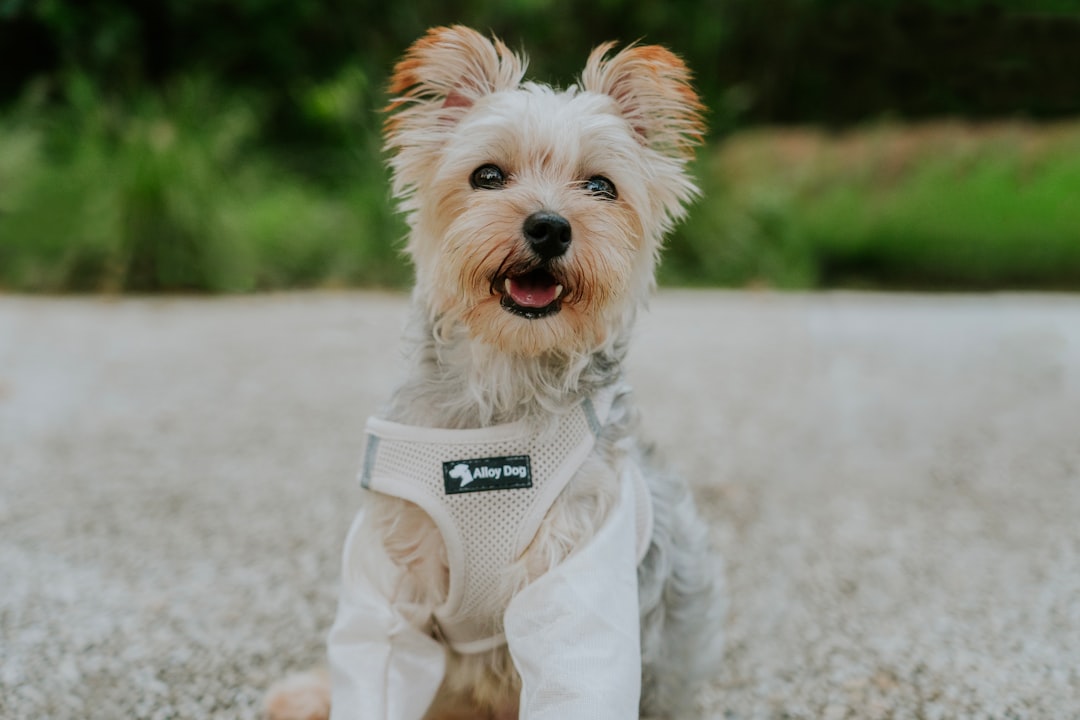
Why Your Small Dog Needs the Right Harness
A small dog harness is essential for protecting your tiny companion's delicate neck and trachea during walks. Unlike collars that concentrate pressure on one vulnerable area, harnesses distribute force across the chest and shoulders—making them the safer, more comfortable choice for dogs under 25 pounds.
Quick Guide: Choosing a Small Dog Harness
- For Safety: Look for padded chest plates and adjustable straps that prevent tracheal damage
- For Pullers: Choose front-clip attachment points to redirect pulling behavior
- For Comfort: Select breathable mesh materials with multiple adjustment points
- For Fit: Measure your dog's chest girth (widest part behind front legs) and neck circumference
- For Small Breeds: Seek XXS to Small sizes designed specifically for toy breeds like Chihuahuas, Yorkies, and Maltese
Walking your small dog should be a joyful experience, not a struggle. Yet many pet parents unknowingly put their pint-sized pups at risk by using collars that can damage fragile windpipes—especially in breeds prone to tracheal collapse like Pomeranians and Toy Poodles.
The good news? The right harness changes everything. With the global dog harness market projected to reach $2.3 billion by 2030, manufacturers are creating more specialized options than ever before. From step-in designs for dogs who hate things going over their heads to escape-proof models for Houdini-level pups, there's a perfect match for every small dog.
This guide walks you through everything you need to know: why harnesses outperform collars for small breeds, which features matter most, how to measure for the perfect fit, and which harness type suits your dog's unique personality and needs.
Why a Harness is a Small Dog's Best Friend
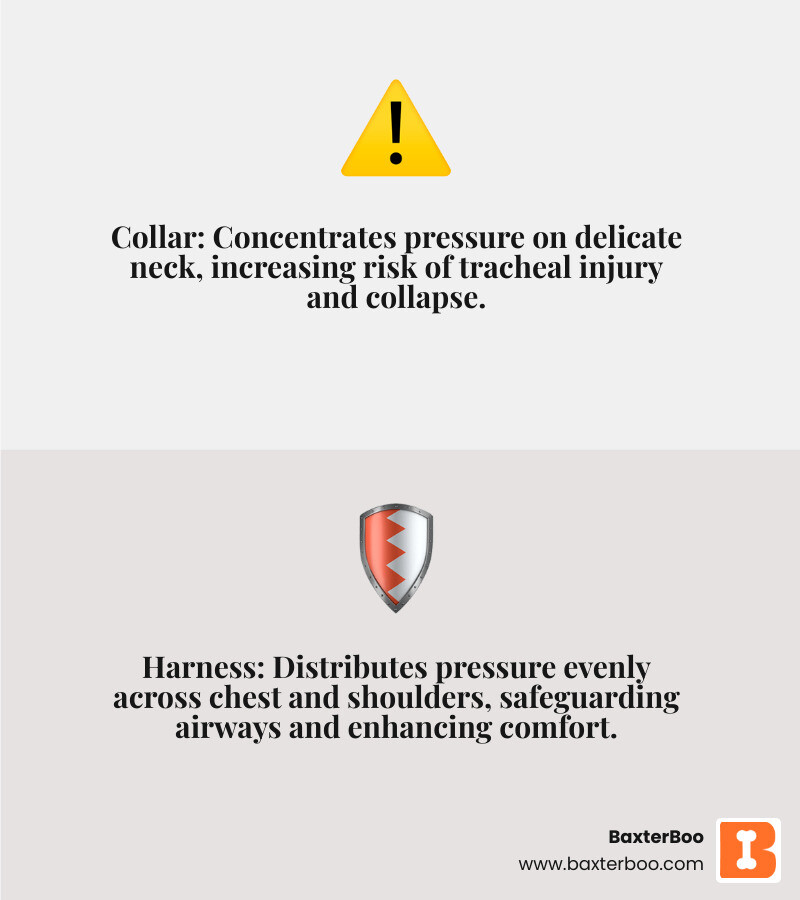
Think of it this way: would you rather wear a belt around your neck or across your chest? That's essentially the difference between a collar and a harness for your small dog. For petite pups, a harness isn't just another cute accessory—it's genuinely life-changing safety equipment.
Traditional collars concentrate all pulling force on one of the most vulnerable parts of your dog's body: their delicate throat. Every tug, every excited lunge toward a squirrel, every sudden stop sends pressure straight to their windpipe. For small breeds, this can be downright dangerous.
A well-designed small dog harness flips this equation entirely. Instead of choking pressure on the neck, force gets distributed evenly across your dog's chest and shoulders—areas that can actually handle it. This even pressure distribution is especially critical for brachycephalic breeds like Pugs and French Bulldogs, who already struggle with breathing issues.
Beyond safety, harnesses give you improved control without causing discomfort. When your Chihuahua spots their best friend across the park, you can redirect them gently instead of yanking on their throat. And here's a bonus: harnesses make it much harder for escape artists to back out and bolt. That secure fit means your adventurous pup stays safely by your side.
The numbers tell the story too. The dog harness market is projected to hit $2.3 billion by 2030, showing that pet parents everywhere are making the switch to safer walking equipment. Your small dog's comfort and well-being are worth every penny.
Harnesses Offer Superior Safety
Let's talk about what really matters: keeping your little buddy safe. Small dogs have throats and necks that are surprisingly fragile. A sudden jerk on a collar—even an accidental one—can cause serious neck injuries or worsen respiratory problems. For breeds prone to tracheal collapse like Yorkshire Terriers and Toy Poodles, a collar can actually accelerate this painful condition.
The trachea is basically your dog's breathing tube, and in small breeds, it's about as delicate as a drinking straw. When a collar puts constant or sudden pressure on this area, it can damage the cartilage rings that keep the airway open. The result? Coughing, gagging, and potentially a collapsed trachea that requires expensive veterinary intervention.
A properly fitted small dog harness prevents these scary scenarios by completely avoiding pressure on the throat. Instead, the chest and shoulders bear any force—and these areas are built to handle it. The secure fit wraps around your dog's body at multiple points, using sturdy buckles and D-rings to keep everything in place.
This security isn't just about health—it's about preventing escapes too. A determined small dog can back right out of a collar, especially if they're frightened or excited. One moment of freedom near a busy street could end in tragedy. With a harness, those multiple fastening points make slipping out nearly impossible, keeping your pup stress-free and injury-free during every adventure.
Better Control and Comfort on Walks
Here's where harnesses really prove their worth in daily life. If you've ever walked a small dog who pulls (and most do!), you know the struggle. With a collar, every pull means choking and coughing—not exactly a pleasant walk for anyone.
A harness with a front-clip attachment changes the game completely. When your dog tries to pull forward, the front clip redirects their momentum to the side instead of straight ahead. This gentle steering discourages pulling without any choking or discomfort. It's physics working in your favor—and your dog's.
The no-choke control means walks become enjoyable again instead of a constant battle. Your dog can breathe freely while you maintain gentle guidance. Many harnesses designed specifically for small dogs include padded designs with soft, breathable mesh or cushioned neoprene. These materials prevent chafing under the legs and around the chest, even during longer adventures.
The comfort factor goes beyond padding, though. Because pressure gets distributed across a larger area, your dog enjoys true freedom of movement. They can trot, sniff, investigate, and explore without feeling restricted. Their gait stays natural, their breathing stays easy, and their tail stays wagging.
The result? Every walk becomes a happy bonding experience instead of a stressful tug-of-war. For more general guidance on making walks enjoyable and safe, check out these helpful tips for walking your pet from veterinary experts.
Decoding the Features: What to Look for in a Small Dog Harness
When you're shopping for a small dog harness, it's easy to feel overwhelmed by all the options. But here's the secret: once you understand what features really matter, finding the perfect harness becomes much simpler. Think of it as building blocks—the right material, proper adjustability, smart leash attachment points, secure closures, and thoughtful safety features all come together to create a harness that keeps your little companion safe and comfortable.
Every detail counts when you're dealing with tiny frames and delicate bodies. The fabric that touches their skin, the way the straps adjust, where you clip the leash—these aren't just minor details. They're the difference between a harness your dog tolerates and one they'll happily wear on every adventure.
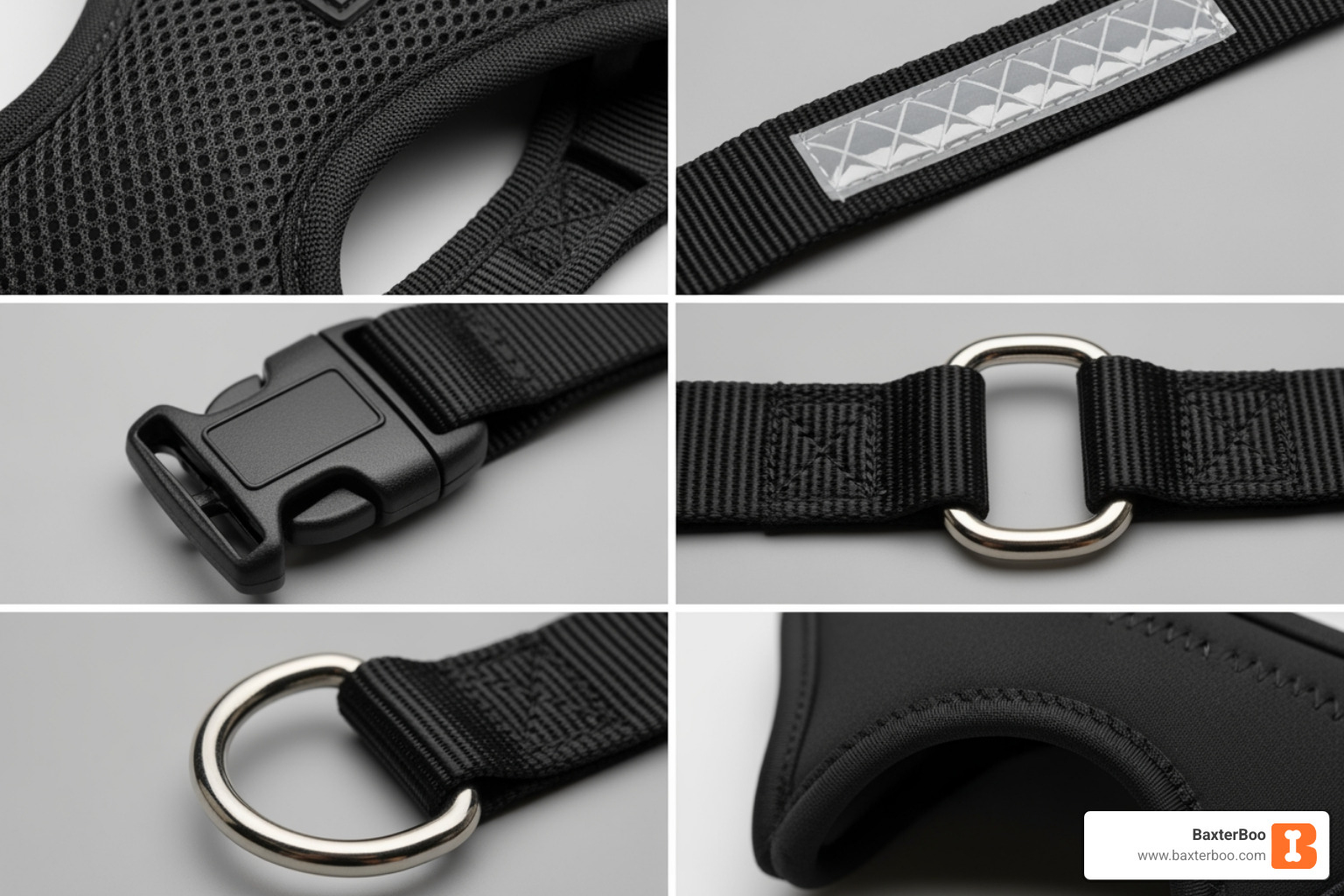
Material and Padding
The material your small dog harness is made from directly impacts how comfortable your pup will be. For our petite friends, weight matters—you don't want to burden a five-pound Chihuahua with heavy, bulky materials. That's why lightweight design is essential.
Breathable mesh tops our list of favorite materials. It allows air to flow freely, keeping your dog cool during summer walks and preventing that sweaty, uncomfortable feeling. Soft neoprene lining is another winner, offering cushioned comfort that feels gentle against delicate skin. And for durability that lasts through countless adventures, durable nylon provides the strength you need without adding unnecessary weight.
But material alone isn't enough. A padded chest plate is what really sets a quality harness apart. This cushioning does double duty—it distributes pressure evenly across your dog's chest while preventing chafing and rubbing. Look for ample padding in all the areas that make contact with your dog's body. Trust us, your pup will notice the difference between a well-padded harness and one that's just fabric and straps.
Adjustability and Fit
Here's a truth every small dog owner needs to know: a harness is only as good as its fit. Even the most expensive, beautifully designed harness won't work if it doesn't fit your dog properly. That's why multiple adjustment points are absolutely essential.
The best small dog harnesses let you adjust both the neck and chest straps independently. This creates a custom fit that's snug but not tight—you should always be able to slip two fingers comfortably between the harness and your dog's body. Too loose, and your escape artist might wriggle free. Too tight, and you'll have an uncomfortable, unhappy pup.
Adjustability becomes even more important if you're shopping for a growing puppy. Instead of buying a new harness every few months, adjustable sliders on the neck and waist webbing let the harness grow with them. This means better value for you and consistent comfort for your puppy as they develop. A properly adjustable harness moves with your dog, never restricting their natural range of motion or causing uncomfortable rubbing.
Leash Attachment Points and Hardware
The hardware on your harness might seem like a small detail, but it's where function meets control. Most quality small dog harnesses offer two leash attachment options: a back-clip D-ring and a front-clip D-ring. Each serves a different purpose.
The back-clip works beautifully for well-behaved walkers. It's comfortable, doesn't interfere with movement, and is perfect for everyday strolls. But if you're dealing with a determined puller, that front-clip D-ring becomes your best friend. When your dog lunges forward, the front attachment gently redirects them to the side instead of straight ahead. This interrupts the pulling behavior without any choking or discomfort—it's no-pull training that actually works.
Beyond where the leash connects, pay attention to the quality of all the hardware. Sturdy buckles that won't pop open unexpectedly and quick-release clasps that you can operate with one hand make life easier. An ID tag ring gives you a dedicated spot for identification, so you're not trying to squeeze tags onto the leash attachment. The most secure harnesses combine multiple fastening methods—hook-and-loop fasteners, buckles, and D-rings all working together to keep your little escape artist safely by your side.
Finding the Paw-fect Fit: A Step-by-Step Measurement Guide
Here's the truth: even the most expensive, feature-packed small dog harness won't do your pup any good if it doesn't fit properly. A too-loose harness becomes an escape hatch for clever little dogs, while a too-tight one can rub, chafe, and make walks miserable. The good news? Getting the perfect fit is easier than you think when you know what to measure and what to look for.
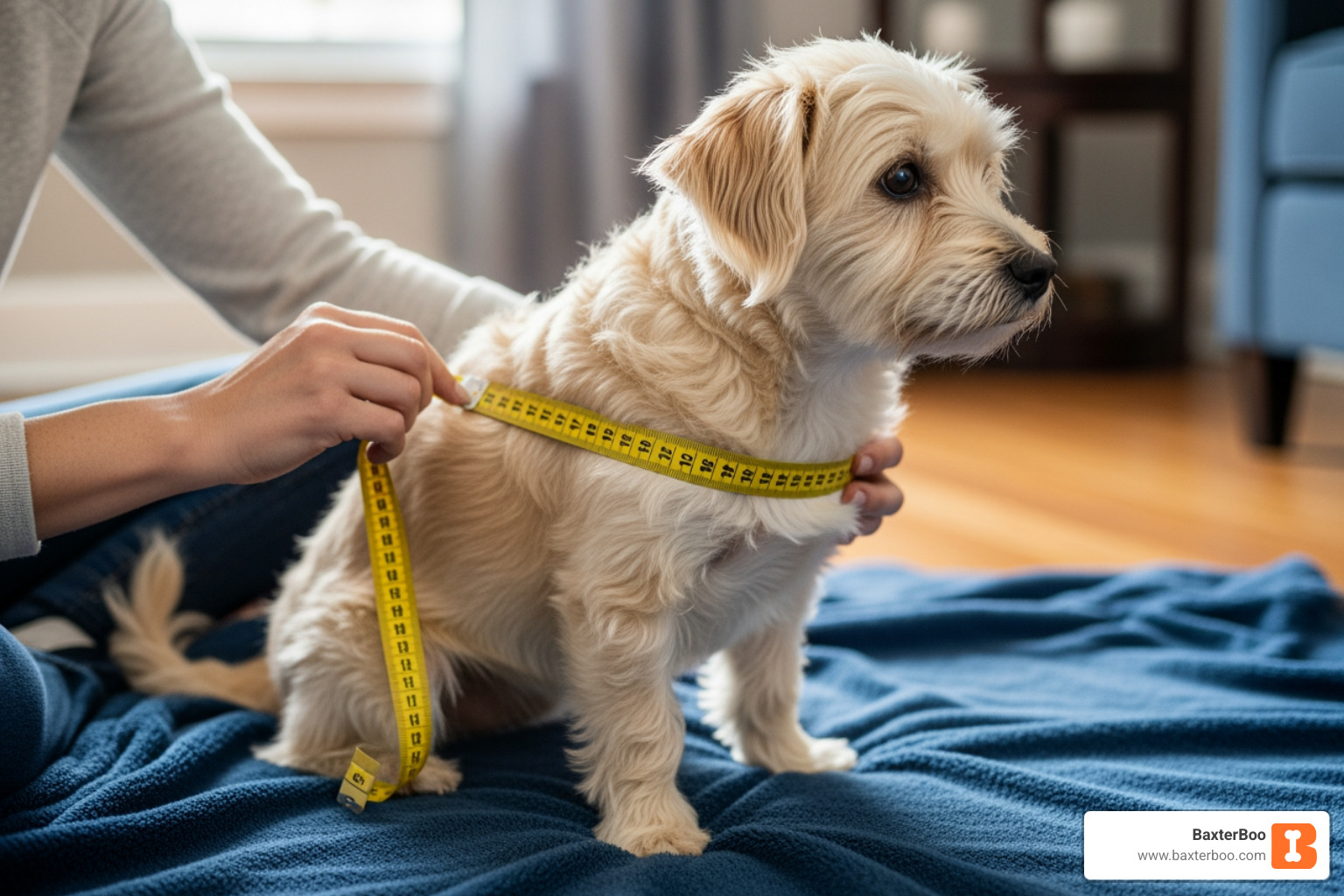
How to Measure Your Small Dog
Before you start shopping, grab a soft measuring tape—the flexible fabric kind tailors use—and recruit your pup for a quick measurement session. A few treats nearby won't hurt either!
Start with the chest girth, which is your most important number. Wrap the tape around the widest part of your dog's rib cage, right behind their front legs. This is where the harness will sit, so accuracy matters. Keep the tape snug but not tight—you should be able to slide two fingers comfortably underneath. Think of it like checking a collar: secure but not restrictive.
Next, measure the neck circumference at the base of your dog's neck, where a collar would naturally rest. Again, maintain that two-finger rule for comfort.
Write down both measurements and keep them handy. Here's where many pet parents go wrong: they assume sizing is universal. It's not! A "small" from one manufacturer might be completely different from another brand's small. Always compare your dog's actual measurements to the specific size chart provided by the harness manufacturer. Taking this extra step prevents the hassle of returns and ensures your pup gets the right fit from the start.
Checking the Fit and Introducing the Harness
When your new harness arrives, it's time for the real test. Put it on your dog and do a thorough fit check before heading out for that first walk.
Apply the two-finger rule again: slide two fingers between each strap and your dog's body. If you can easily fit your whole hand, it's too loose. If you're struggling to squeeze in two fingers, it's too tight. Check around the neck, chest, and belly straps.
Pay special attention to potential chafing spots—especially under the legs and around the armpits. These areas are sensitive and prone to rubbing. Your dog should move freely, with nothing pinching or restricting their natural gait. Watch them walk around the house. Can they stretch, sit, and lie down comfortably? That's your goal.
Now for the fun part: creating a positive association with the harness. Some dogs take to harnesses immediately, while others need gentle encouragement. Let your pup sniff and investigate the harness first. Offer treats and praise just for being near it. Then try putting it on for short sessions—maybe just before dinner or a favorite activity. Keep things upbeat and rewarding.
Start with brief indoor sessions before venturing outside. Pair the harness with things your dog loves, and never force it. With patience and positive reinforcement, most dogs learn to see their harness as a signal that something wonderful is about to happen.
Watch for these warning signs that indicate a poorly fitting harness: constant scratching or chewing at the straps, redness or hair loss where the harness sits, excessive shifting or twisting during movement, your dog slipping free or backing out easily, or reluctance to move and stiff, uncomfortable walking. If you notice any of these issues, it's time to readjust or try a different size or style.
The Ultimate Guide to Harness Types and Training
With so many options available, choosing the right small dog harness for your pup can feel overwhelming—but it's also exciting! Each design offers unique benefits custom to different temperaments and lifestyles. Whether your furry friend is a leisurely stroller, an enthusiastic puller, or a fashionista who loves their wardrobe, there's a perfect harness out there waiting to make walks wonderful.
Common Types of Small Dog Harness Designs
Understanding the main harness styles helps you pick what works best for your pup's body type and personality.
Vest harnesses wrap around your dog's chest and back with soft, breathable fabric—often mesh or padded material. They offer the most coverage and distribute pressure across a wide area, making them incredibly comfortable for everyday adventures. These are popular choices for small breeds who appreciate that cozy, secure feeling. Many stylish fashion harnesses fall into this category, letting your pup look adorable while staying safe. They're also wonderful for anxious dogs who find comfort in the gentle, even pressure.
Step-in harnesses are genius for dogs who absolutely hate things going over their heads. Your pup simply steps their front paws into the two openings, and you buckle it over their back. Done! They're fantastic for dogs with larger heads relative to their necks (we're looking at you, Chihuahuas), older dogs with arthritis who can't easily lift their heads, or puppies just learning about harness life. The ease of putting them on makes those quick potty breaks so much simpler.
Strap-style or overhead harnesses feature adjustable straps that slide over your dog's head, then buckle around their chest and behind their front legs. These versatile designs often include both front-clip and back-clip attachment points, making them ideal for training purposes. They typically allow better airflow than vest styles, which is perfect for warmer weather or active pups.
| Harness Type | Ease of Use | Coverage | Best Use Cases |
|---|---|---|---|
| Vest Harness | Medium to Easy | High | Everyday wear, comfort, warmth, fashion, anxiety reduction |
| Step-In Harness | Easy | Medium | Dogs sensitive to head-over harnesses, older dogs, puppies |
| Strap-Style/Overhead Harness | Medium | Medium | Training, general walking, good airflow |
Choosing the Best Small Dog Harness for Your Pup's Needs
Your dog's unique personality should guide your decision. A calm, well-behaved walker has different needs than an excitable puller or a nervous rescue.
If your small dog thinks every walk is a race to the finish line, a no-pull harness with a front-clip attachment point will change your life. When the leash clips to their chest instead of their back, pulling automatically redirects their momentum sideways rather than forward. This gentle steering teaches them that a loose leash is the only way to keep moving in their desired direction—all without any choking or discomfort. It's training and safety rolled into one smart design.
For anxious or nervous dogs, vest-style harnesses with broader chest coverage can provide a calming effect. The even pressure distribution mimics a comforting hug, helping your pup feel more secure during walks. This can be especially helpful for rescue dogs still building confidence or puppies experiencing the big world for the first time.
Love dressing up your pup? Many harnesses are designed to layer beautifully with clothing. If your small dog rocks sweaters, jackets, or warm dog hoodies, look for harnesses that can be worn underneath or feature openings that accommodate apparel. Some dog coats even include a special slit along the back specifically for leash attachment, letting your fashionable friend stay warm and safe simultaneously.
How a Harness Can Help with Leash Training
A small dog harness isn't just safer than a collar—it's actually a powerful training tool. The right harness can transform frustrating, arm-yanking walks into pleasant strolls where you're both enjoying the journey.
The magic happens with front-clip attachment points. When your dog pulls forward, the pressure on their chest naturally turns them to the side, redirecting their momentum back toward you. This gentle guidance makes pulling uncomfortable (but never painful), so they quickly learn that keeping the leash loose is much more rewarding. Unlike collars that can trigger the opposition reflex—where dogs instinctively pull harder against neck pressure—harnesses distribute force across the chest, reducing that urge to lean into the leash.
This gives you better control through gentle steering rather than harsh corrections. You can guide your dog's direction without any strain on their delicate throat or trachea. When you pair this with consistent training techniques and positive reinforcement—treats, praise, and rewards for walking nicely—you'll see remarkable progress.
The key is consistency. Use the same commands, reward the same behaviors, and practice regularly. Your harness provides the physical framework, but your patience and encouragement provide the real training power. Before long, those chaotic walks will become the peaceful bonding time you both deserve.
Frequently Asked Questions about Small Dog Harnesses
We know you want the absolute best for your pint-sized companion, and we hear certain questions time and time again from caring pet parents. Let's explore the most common concerns about small dog harnesses so you can feel confident in your choices.
At what age can a puppy start wearing a harness?
Here's the good news that'll make early training so much easier: puppies can start wearing a harness as early as eight weeks old! Getting your tiny furball accustomed to a harness early on makes a world of difference. Those first walks and training sessions become much smoother when your pup already feels comfortable in their gear.
When you're shopping for a puppy harness, adjustability is your best friend. Puppies grow at lightning speed, and an adjustable harness can keep up with their rapid development without needing constant replacements. The key is ensuring proper sizing at every stage—you want that snug-but-not-tight fit where you can still slide two fingers comfortably between the straps and their body. This sweet spot provides the support they need while giving them room to breathe, move, and grow.
How can a harness help with leash pulling?
If your small dog thinks every walk is a race to the finish line, a small dog harness with a front-clip design can transform your daily outings. The magic happens through something called redirecting forward motion. When the leash attaches to a D-ring on your dog's chest instead of their back, any pulling automatically turns them to the side. This gentle side-steering makes it physically uncomfortable (though never painful) for them to keep charging ahead.
There's also a fascinating behavioral aspect at play here. Collars can trigger what's called the opposition reflex—that instinct that makes dogs pull even harder when they feel pressure on their neck. A harness eliminates this issue entirely by distributing pressure across the chest and shoulders instead. Your dog simply doesn't have that same urge to resist.
The front-clip function gives you gentle guidance without any risk to your pup's delicate trachea. When you pair this design with consistent training techniques and positive reinforcement—treats, praise, and patience—you'll see real progress. Those frustrating tug-of-war walks can become peaceful strolls where you both actually enjoy each other's company.
Should my small dog wear their harness all day?
While we absolutely love harnesses for walks and outdoor adventures, we don't recommend leaving your small dog harness on around the clock. There are several important reasons why your pup should go harness-free at home.
Even the most comfortable, well-padded harness can cause chafing or skin irritation when worn for extended periods. Those sensitive spots under the armpits and around the chest need breathing room. Harnesses can also trap moisture, dirt, and debris against your dog's skin, which can lead to matting in long-haired breeds or even skin infections if left unchecked.
There's also a safety consideration we can't ignore. An unsupervised dog wearing a harness could potentially snag it on furniture, door handles, or other household objects. This could cause panic or, in worst-case scenarios, injury. Beyond all these practical concerns, our dogs simply appreciate being able to relax harness-free when they're lounging at home.
The best practice? Reach for the harness when it's time for walks and outdoor activities, then remove it once you're back home. A simple collar is perfectly fine for holding ID tags indoors, but when adventure calls, that's when your trusty harness shines!
Find the Perfect Harness for Your Pint-Sized Pal
Choosing the right small dog harness is one of the best decisions you can make for your tiny companion's safety and comfort. Throughout this guide, we've explored how harnesses protect delicate tracheas, provide better control during walks, and offer superior comfort compared to traditional collars. We've walked through the essential features—from breathable materials and padded chest plates to adjustable straps and strategic leash attachment points. Most importantly, we've covered how to measure and fit a harness properly, ensuring your pup stays secure and comfortable on every adventure.
The difference a well-chosen harness makes is remarkable. Your walks become more enjoyable, your training more effective, and your peace of mind? Priceless. Whether you're shopping for a vest-style harness for everyday comfort, a front-clip design for a determined puller, or a step-in option for a dog who dislikes overhead gear, the right choice is out there waiting.
At BaxterBoo, we're passionate about supporting pet wellness through expertly curated, high-quality products. We understand that small dogs have unique needs, and our harness selection reflects our commitment to their safety and comfort. From adjustable designs that grow with your puppy to specialized options for anxious dogs or enthusiastic walkers, we've thoughtfully selected harnesses that meet the highest standards.
Your pint-sized pal deserves the very best. Ready to upgrade their walking experience? Explore our collection of dog harnesses and find how the perfect harness can transform every walk into a tail-wagging adventure. Your tiny explorer is waiting!