Save 15% on your 1st Autoship learn more

 Email us
 Live Chat
 FAQs
FAQs





Introduction
You are relaxing on the couch with your cat when you notice small white specks scattered across their back. It looks like a light dusting of snow against their fur. While you might initially think it is just a bit of dust, these flakes are often a sign of cat dry skin dandruff. At BaxterBoo, we know that a healthy coat is a primary indicator of your cat's overall well-being. This guide explains why these flakes appear and how you can restore your cat's skin health. We will cover the differences between normal shedding and medical concerns. We also offer practical steps for at-home care and when to seek professional help. Our goal is to help your feline friend feel comfortable and itch-free.
Quick Answer: Cat dandruff is the visible buildup of dead skin cells that clump together into white or gray flakes. It is usually caused by low humidity, poor nutrition, or underlying health issues that prevent proper grooming.
What Exactly Is Cat Dandruff?
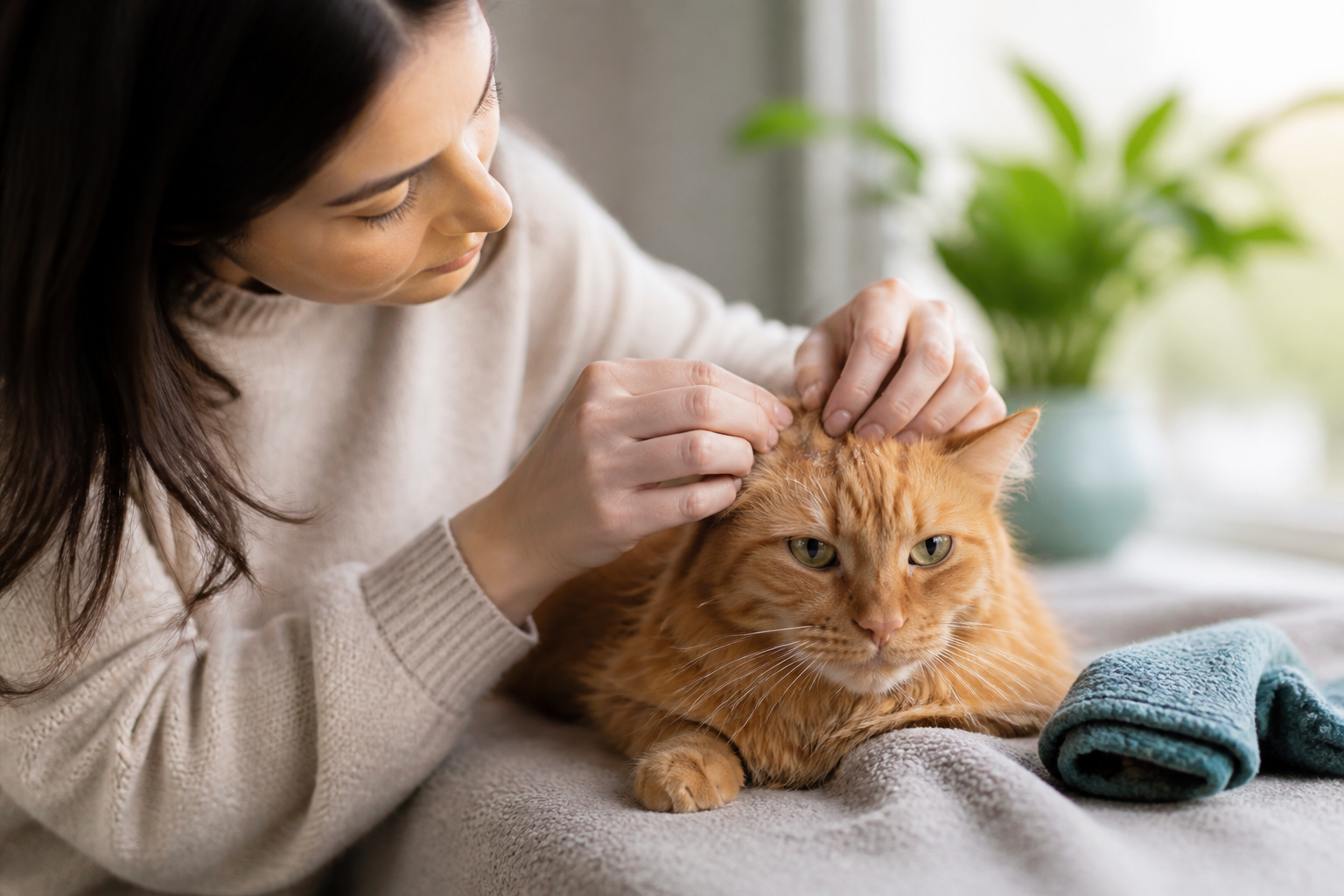
Dandruff occurs when the skin's natural renewal process speeds up. Usually, a cat’s skin cells mature and shed over about 21 days. This process is typically invisible to the naked eye. When the skin barrier is irritated or imbalanced, those cells shed too quickly. They clump together and become visible as flakes in the fur or on your furniture.
You will most often see these flakes along the lower back and near the base of the tail. While many people assume dandruff is always dry, it can also be oily. Oily seborrhea happens when the skin produces too much sebum. This causes the flakes to look yellow or greasy rather than white and powdery.
Key Takeaway: Dandruff is a symptom of an underlying skin imbalance rather than a standalone disease.
The Difference Between Dandruff and Dander
It is common for pet owners to use the terms dandruff and dander interchangeably. However, they are quite different in the world of pet health. Understanding this distinction helps you communicate better with your veterinarian.
| Feature | Cat Dander | Cat Dandruff |
|---|---|---|
| Visibility | Microscopic (Invisible) | Visible flakes (White/Gray) |
| Health Status | Normal and healthy shedding | Sign of skin irritation or illness |
| Distribution | Everywhere in the environment | Concentrated in the fur and skin |
| Impact | Primary cause of human allergies | Can cause feline itching and discomfort |
Dander is a natural part of every healthy cat's life. Even the cleanest cat produces dander as old skin cells make way for new ones. Dandruff is an excessive accumulation that indicates something is wrong with the skin's moisture levels or the cat’s ability to clean itself.
Environmental Causes of Dry Skin
The environment inside your home plays a significant role in your cat's skin health. During the winter months, many owners notice an increase in cat dry skin dandruff. This is often due to low humidity.
Forced Air Heating
Central heating systems strip moisture from the air. This dry air pulls moisture away from your cat’s epidermis. Over time, the skin becomes brittle and starts to flake. If you notice your own skin feeling tight or itchy in the winter, your cat is likely feeling the same way.
Lack of Humidity
Using a humidifier in the rooms where your cat spends the most time can make a big difference. Aim for a humidity level between 40 and 50 percent. This helps keep the skin supple and prevents the rapid drying that leads to flakes.
Infrequent or Improper Bathing
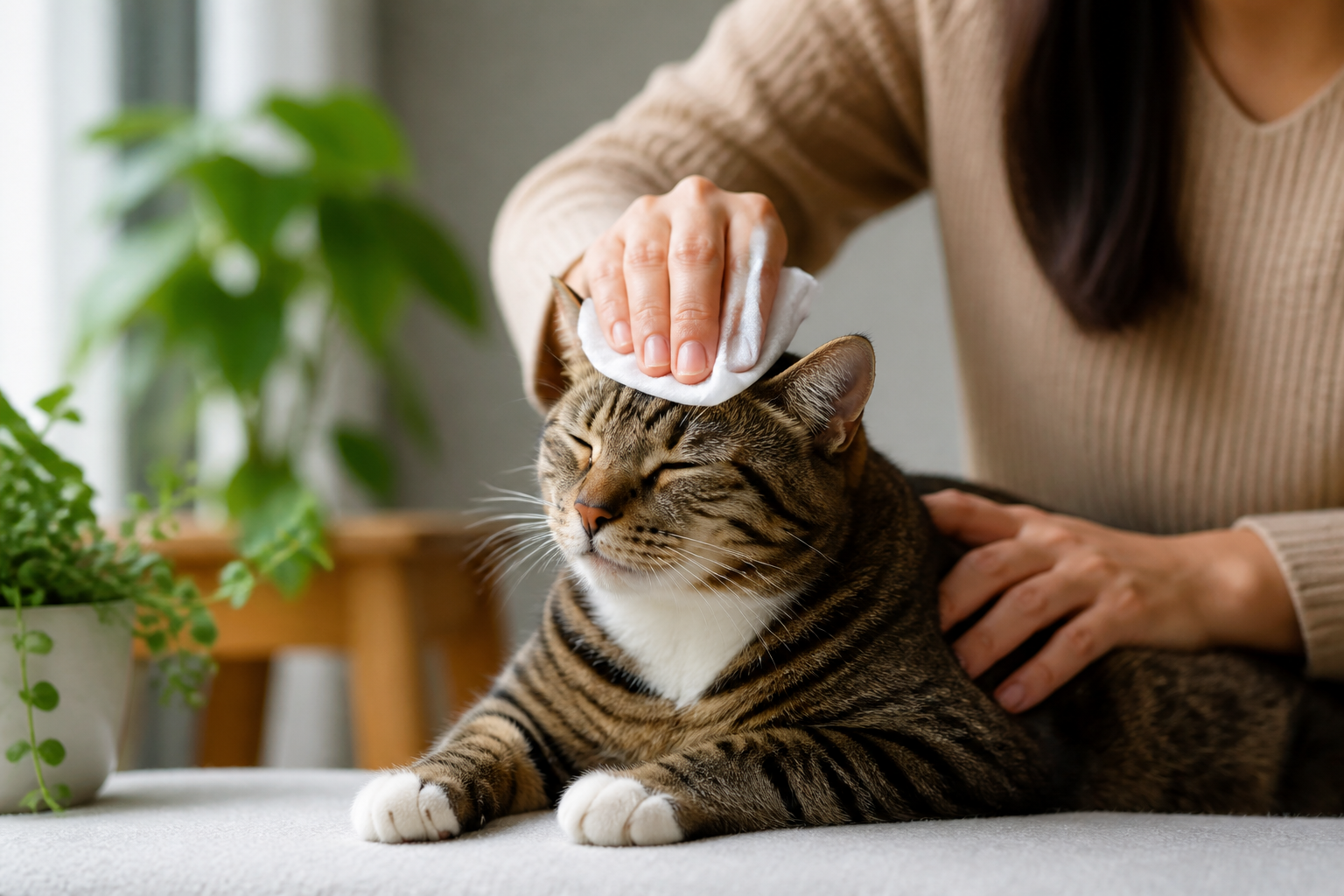
Most cats do not need regular baths. Their tongues are designed to distribute natural oils and remove debris. If you do choose to bathe your cat, using the wrong products can cause immediate dryness. Human shampoos have a different pH balance than feline skin and can strip away essential protective oils. For gentle bathing and coat care options, explore our cat grooming collection.
Vet Tip: If your cat requires a bath for a specific reason, always use a soap-free, moisturizing shampoo specifically formulated for felines. Ensure you rinse the coat thoroughly to avoid leaving irritating residue behind.
The Role of Nutrition and Hydration
What goes into your cat’s body is just as important as what happens on the outside. Skin is the largest organ of the body. It requires a specific set of nutrients to remain a strong barrier.
Essential Fatty Acids
Omega-3 and Omega-6 fatty acids are vital for skin health. Omega-3s help reduce inflammation, while Omega-6s help maintain the structural integrity of the skin barrier. Many low-fat diets or lower-quality commercial foods may lack the necessary levels of these fats. Adding a supplement like those from Zesty Paws or Honest Paws can often help resolve mild cases of dryness.
The Hydration Connection
Cats have a low thirst drive because they evolved to get moisture from their prey. If a cat eats strictly dry kibble, they may live in a state of mild, chronic dehydration. This lack of water affects the elasticity of the skin. Adding wet food from brands like Tiki Cat or Fussie Cat can boost their daily water intake. This simple change often results in a glossier coat and fewer flakes.
Medical Conditions That Cause Flaking
If environmental changes do not help, there may be a medical reason for the dandruff. Many internal health issues manifest first through the skin and coat. You can also review our cat healthcare options when looking for general wellness supplies.
Allergies
Cats can suffer from food, environmental, or flea allergies. When a cat has an allergic reaction, their skin becomes inflamed. This inflammation disrupts the normal shedding cycle and leads to heavy dandruff. Flea allergy dermatitis is especially common. Even a single flea bite can cause a massive reaction in sensitive cats.
Parasites and Walking Dandruff
Some parasites specifically cause flaking. One example is the Cheyletiella mite. This condition is often called "walking dandruff" because the mites are large enough to see. As they move under the scales of the skin, it looks like the dandruff itself is moving. This is highly contagious and requires specific treatment.
For additional parasite-prevention information, read how flea collars work.
Metabolic and Endocrine Diseases
Conditions like hyperthyroidism, diabetes, and kidney disease can all change the texture of a cat's skin. These diseases affect how the body processes nutrients and manages hydration. If your cat has dandruff along with increased thirst, weight loss, or changes in appetite, you should see a veterinarian immediately.
Vet Tip: Any time you notice dandruff accompanied by red skin, sores, or patches of hair loss, skip the home remedies. These are signs of a potential infection or parasitic infestation that needs professional diagnosis.
Why Obesity and Mobility Affect the Coat
A healthy cat is a meticulous groomer. They spend a large portion of their waking hours cleaning their fur. When a cat stops grooming effectively, dead skin cells and loose hair build up. This leads to matting and significant dandruff.
Weight Management
Obese cats often cannot reach their lower back or the base of their tail. Because they cannot physically groom these areas, the oils and skin cells accumulate. This creates a thick layer of flakes. Our team at BaxterBoo carries weight management tools and toys to help get your cat back to a healthy size.
Arthritis and Aging
Senior cats often develop osteoarthritis. The pain and stiffness in their joints make the twisting motions of grooming difficult. If a senior cat suddenly develops dandruff, it may be because they are too sore to reach their back. Providing a soft, supportive bed and helping them with daily brushing can provide much-needed relief.
At-Home Grooming Solutions
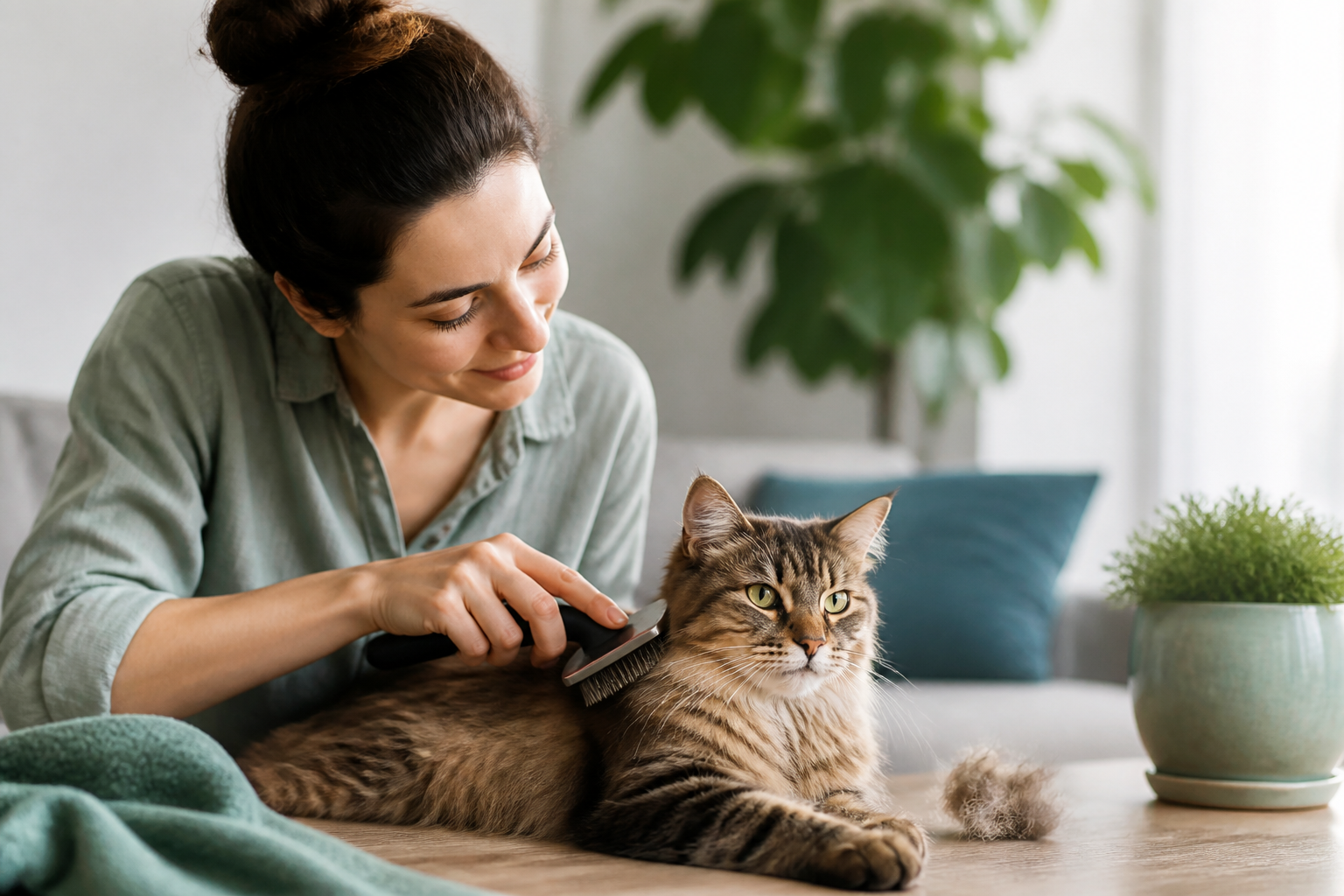
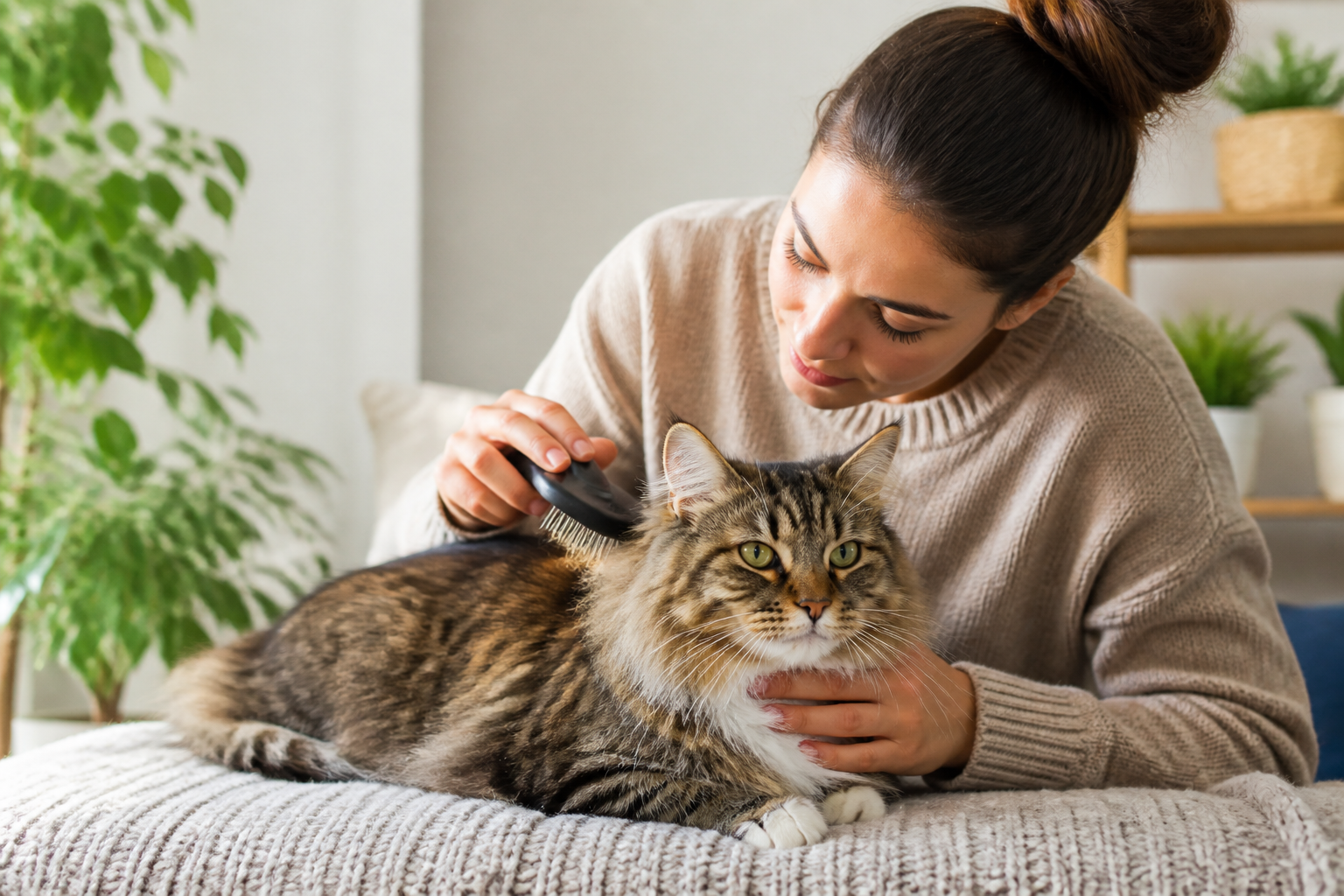
Regular grooming is the most effective way to manage mild dandruff at home. It manually removes the flakes and stimulates the skin to produce healthy oils.
Choosing the Right Tools
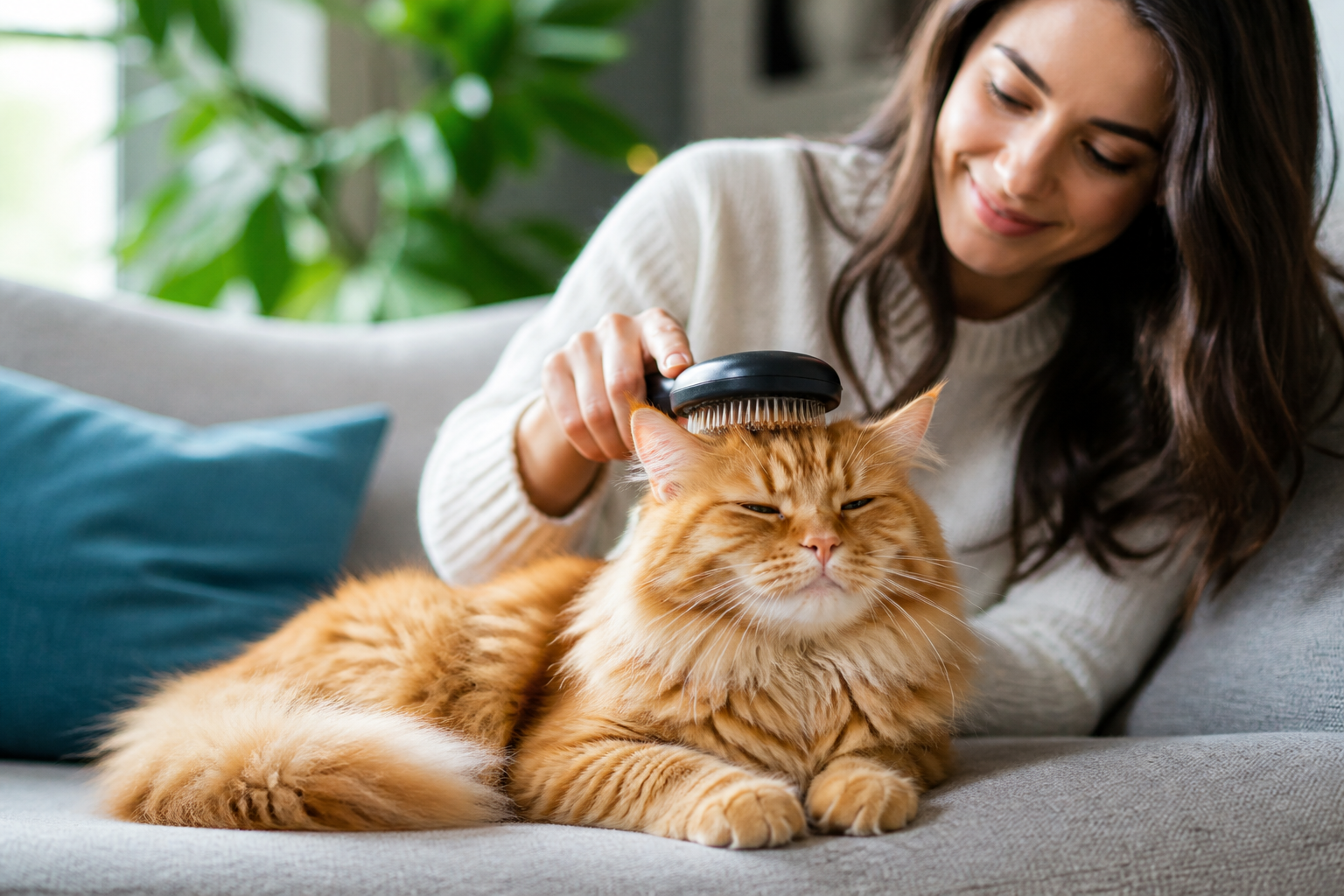
For short-haired cats, a soft bristle brush or a grooming mitt works well. These tools are gentle on the skin. Long-haired cats require a comb or a slicker brush to get through the undercoat. The U-Groom Combo Brush for Dogs and Cats offers two brushing surfaces for everyday coat care.
The Grooming Routine
Step 1: Choose a quiet time when your cat is relaxed. / Begin with gentle strokes to get them comfortable with the brush.
Step 2: Focus on the areas where flakes are most visible. / Use short, light strokes to lift the dandruff and loose hair away from the skin.
Step 3: Brush in the direction of hair growth. / This prevents pulling and makes the experience more enjoyable for your cat.
Step 4: Reward your cat with a healthy treat. / This creates a positive association with grooming and makes future sessions easier for your cat.
Key Takeaway: Daily brushing for just five minutes can significantly reduce the amount of dandruff you see on your cat and your furniture.
Accessing Veterinary Care and the Pharmacy
When home grooming and diet changes are not enough, your veterinarian is the best resource. They can perform skin scrapings to check for mites or order blood work to rule out internal diseases. If your cat is diagnosed with a condition that requires medication, we are here to help through our pet pharmacy.
Through our BaxterBoo pharmacy, we provide access to FDA-approved medications and prescription diets. We partner with Pet's Choice to offer a seamless way to get the treatments your vet prescribes. This includes:
- Prescription flea and tick preventives like NexGard.
- Antifungal or antibacterial treatments for skin infections.
- Prescription diets from Farmina Vet Life designed for skin sensitivities or weight management.
- Medications for chronic conditions like hyperthyroidism or arthritis.
Having a real warehouse and a dedicated pharmacy means you can get everything your cat needs in one place. We handle the prescription verification process with your vet so you can focus on your cat's recovery.
Bottom line: Medical causes of dandruff require a veterinary diagnosis and may need prescription treatments found in our pharmacy.
Prevention and Long-Term Care
Preventing cat dry skin dandruff is easier than treating a severe flare-up. Consistency is the most important factor in feline skin health.
- Year-Round Protection: Use flea and tick prevention every month, even for indoor cats. Parasites are a leading cause of skin irritation.
- High-Quality Diet: Stick to foods with named protein sources and added fatty acids. Avoid foods with excessive fillers that provide little nutritional value for the skin.
- Hydration Stations: Provide multiple water sources or a pet fountain to encourage drinking.
- Regular Brushing: Make grooming a part of your daily bonding time.
- Routine Vet Checks: Annual exams help catch metabolic issues before they cause visible skin problems.
For more guidance on parasite prevention, explore our cat flea and tick collection.
If you are a regular shopper, our Autoship program is a great way to ensure you never run out of the food or supplements your cat needs. You can save on your first order and earn MVP Gold membership for extra rewards.
Conclusion
Cat dry skin dandruff is a common issue, but it is not something your cat has to live with indefinitely. By addressing environmental factors, improving nutrition, and staying on top of grooming, you can keep their coat glossy and flake-free. Always keep a close eye on any changes in behavior or skin appearance. If you notice persistent itching or other signs of illness, consult your veterinarian to rule out more serious conditions. Contact us at BaxterBoo for all your grooming, nutrition, and pharmacy needs to support your cat's health.
Key Takeaway: Effective dandruff management combines a humid environment, proper nutrition, and regular grooming.
FAQ
Is cat dandruff contagious to humans?
Regular dandruff caused by dry skin or diet is not contagious to humans. However, if the dandruff is caused by parasites like the Cheyletiella mite, also known as walking dandruff, it can temporarily move to humans and cause an itchy rash. You should treat the cat and your home environment to resolve a parasitic infestation.
Can I use my own dandruff shampoo on my cat?
You should never use human dandruff shampoo on a cat. These products often contain ingredients like zinc pyrithione or salicylic acid that can be toxic if your cat licks their fur. Additionally, the pH level of human skin is more acidic than a cat's skin, which means human products can cause severe irritation and more dryness.
Why does my cat only have dandruff on their lower back?
Dandruff often concentrates on the lower back and base of the tail because these are the hardest areas for a cat to reach. If a cat is overweight or has arthritis, they may stop grooming this specific area entirely. This leads to a buildup of dead skin and oils that eventually flakes off as visible dandruff.
Does wet food really help with dry skin?
Yes, wet food can significantly help with dry skin because it provides much higher moisture levels than dry kibble. Many cats live in a state of chronic dehydration because they do not drink enough water from a bowl. Increased hydration improves skin elasticity and supports the natural oils that keep the coat healthy.