
 Save 15% on your 1st Autoship learn more

 Email us
 Live Chat
 FAQs





Introduction
You are sitting on the sofa with your cat and enjoying a quiet moment of grooming. As you run your hand down their back, you notice a dusting of white flakes clinging to their fur. It looks like a sprinkle of salt or sugar against their coat. You might wonder if they simply got into something dusty or if their skin is becoming dry. At BaxterBoo, we hear from many pet parents who are surprised to find that their fastidious cats can develop flaky skin. While a few flakes might seem like a minor cosmetic issue, they often serve as a signal about your cat's internal health or environment. This post covers the various triggers for these flakes, from simple humidity changes to more complex medical conditions. Understanding the specific causes of cat dandruff is the first step toward restoring your pet's glossy, healthy coat.
Quick Answer: Cat dandruff is the visible buildup of dead skin cells on a cat's fur, often caused by low humidity, poor grooming, or nutritional gaps. While sometimes benign, it can also signal underlying health issues like parasites, allergies, or chronic diseases that require veterinary attention.
Defining Cat Dandruff Versus Dander
Many pet owners use the terms dandruff and dander as if they are the same thing. They are actually quite different. Every cat produces dander. These are microscopic skin cells that shed naturally as part of the normal skin renewal process. You cannot see dander with the naked eye. It is the protein found in this dander and cat saliva that typically triggers allergies in humans.
Dandruff refers to much larger flakes of dead skin that have clumped together. These are visible. You will see them on the surface of the fur or on the bedding where your cat sleeps. While dander is a sign of a healthy, functioning body, dandruff is a sign that the skin turnover process is out of balance.
Identifying the Flakes
Dandruff can appear in different ways depending on the underlying cause. Some cats have dry, papery flakes that fly off the fur when you pet them. Other cats have oily dandruff. This happens when the skin produces too much sebum. The flakes may look yellowish and feel greasy to the touch. They might even stick to the hair shafts rather than falling off.
Where Dandruff Appears
You will most commonly notice these flakes along the lower back and the base of the tail. This is the area that is often the hardest for a cat to reach during their daily tongue baths. If the flakes are widespread, it might suggest a systemic issue affecting the whole body.
Key Takeaway: Dander is microscopic and normal for all cats, but dandruff consists of visible skin flakes that indicate an imbalance in skin health.
Cat Skin & Coat Care












Environmental and Seasonal Triggers
The air inside your home plays a major role in the health of your cat's skin. This is one of the most common causes of cat dandruff during the colder months. When the heater runs constantly, it pulls moisture out of the air. This creates a low humidity environment that dries out feline skin.
Winter Air and Heating
Just like humans get itchy, dry skin in the winter, cats suffer the same fate. Without enough moisture in the air, the top layer of the skin can crack and flake. If your cat loves to sleep near a heat vent or a radiator, they are even more likely to develop localized dandruff in those areas.
Cooling and Air Conditioning
In the summer, air conditioning units also act as dehumidifiers. If you keep your home very cool and dry, your cat might experience year round flakiness. Seasonal changes are usually the easiest causes to manage because they do not involve internal illness.
Managing the Air
Adding a humidifier to the rooms where your cat spends the most time can make a big difference. It helps keep the skin barrier hydrated from the outside. You should also ensure your cat is not spending too much time directly in the path of forced air from vents.
Grooming Challenges and Mobility Issues
Cats are famous for their cleanliness. They spend a significant portion of their waking hours grooming. When a cat stops grooming effectively, dead skin cells and natural oils build up. This leads to visible dandruff and a dull coat. You can explore our cat grooming collection for brushes and other grooming tools.
Obesity and Accessibility
If a cat is overweight, they simply cannot reach every part of their body. The base of the tail and the middle of the back are the most common spots for buildup in heavy cats. If your cat has a rounder belly, you might notice that the dandruff is concentrated in the areas they can no longer reach with their tongue.
Arthritis and Aging
Senior cats often develop arthritis or general joint stiffness. It becomes painful for them to twist and turn to groom their hindquarters. In these cases, dandruff is a symptom of physical discomfort. If you notice your older cat is becoming more flaky, it might be time to discuss pain management with your veterinarian.
Dental Pain
Sometimes the issue is not the back, but the mouth. If a cat has dental disease or sore gums, the act of grooming becomes painful. They will stop licking their fur to avoid the discomfort. This results in a messy, unkempt coat full of flakes.
Nutritional Gaps and Hydration
What goes into your cat's body shows up on their skin. The skin is the largest organ of the body. It requires a lot of nutrients to stay healthy. If the diet is lacking in certain areas, the skin is usually the first place to show signs of trouble. Browse our cat food selection when reviewing your cat's regular meals with your veterinarian.
Essential Fatty Acids
Omega 3 and Omega 6 fatty acids are vital for skin health. They help maintain the moisture barrier that keeps skin supple. Many lower quality commercial cat foods do not have enough of these fats. If your cat eats a diet that is too low in fat, their skin can become brittle and flaky.
The Role of Hydration
Cats have a low thirst drive. They evolved from desert animals and are designed to get most of their water from their prey. If a cat eats only dry kibble, they may live in a state of mild, chronic dehydration. This leads to dry skin. Adding wet food to their routine can provide the moisture they need to keep their skin hydrated from the inside out.
Vitamin Deficiencies
Certain vitamins, such as Vitamin A and Vitamin E, support cell turnover. If the food is not properly balanced, the skin cells might not shed correctly. They stick together and form the visible flakes we call dandruff.
Vet Tip: If you notice a sudden increase in dandruff along with a dull coat, ask your vet about a nutritional consultation. They can help you determine if a supplement or a change to a premium food is necessary.
External Parasites and Walking Dandruff
Parasites are a frequent cause of skin irritation. While fleas are the most well known, there is a specific parasite that actually mimics the appearance of dandruff. For additional reading, see this guide to flea and tick prevention products.
Cheyletiella Mites
These mites are often called walking dandruff. They are large enough to see with the naked eye, and as they move under the scales of the skin, it looks like the dandruff is moving. This condition is highly contagious between pets. It causes intense itching and heavy scaling.
Fleas and Flea Dirt
Fleas cause cats to scratch and bite at their skin. This trauma leads to inflammation and flaking. You might also see flea dirt, which looks like small black specks. Flea dirt is actually flea waste. If you see both white flakes and black specks, your cat likely has a flea infestation that needs immediate treatment.
Accessing the Pharmacy
Managing parasites is a critical part of skin health. Our cat pharmacy offers FDA approved flea and tick preventives through our partnership with Pet's Choice. Many of these effective treatments require a prescription from your veterinarian. Using a regular preventive can stop the cycle of itching and flaking before it starts.
Internal Health and Chronic Conditions
Sometimes, dandruff is a sign of a more serious internal problem. Several chronic diseases affect how the body maintains the skin and coat.
Hyperthyroidism
This is very common in older cats. An overactive thyroid speeds up the metabolism. This can cause the skin to become either very oily or very dry. Cats with hyperthyroidism often have a greasy, clumped coat with lots of dandruff. They may also lose weight despite having a huge appetite.
Diabetes Mellitus
Diabetes affects the body's ability to process glucose. This can lead to dehydration and poor skin quality. Diabetic cats often have a thinning coat and visible flakes along their spine. They will also typically drink and urinate much more than usual.
Kidney Disease
When the kidneys are not functioning well, the body becomes dehydrated. The toxins that the kidneys should be filtering out can also affect the health of the skin. This often results in a coat that feels dry and looks dusty with dandruff.
Allergies
Cats can have allergies to things in their environment or their food. An allergic reaction causes the skin to become inflamed. This inflammation disrupts the normal shedding process. You might see redness, small scabs, and lots of flakes.
How to Manage and Reduce Flakes
Once your vet has ruled out serious medical conditions, there are practical steps you can take at home. Managing the causes of cat dandruff often requires a multi-pronged approach. Products in our cat skin and coat care collection can complement a routine recommended by your veterinarian.
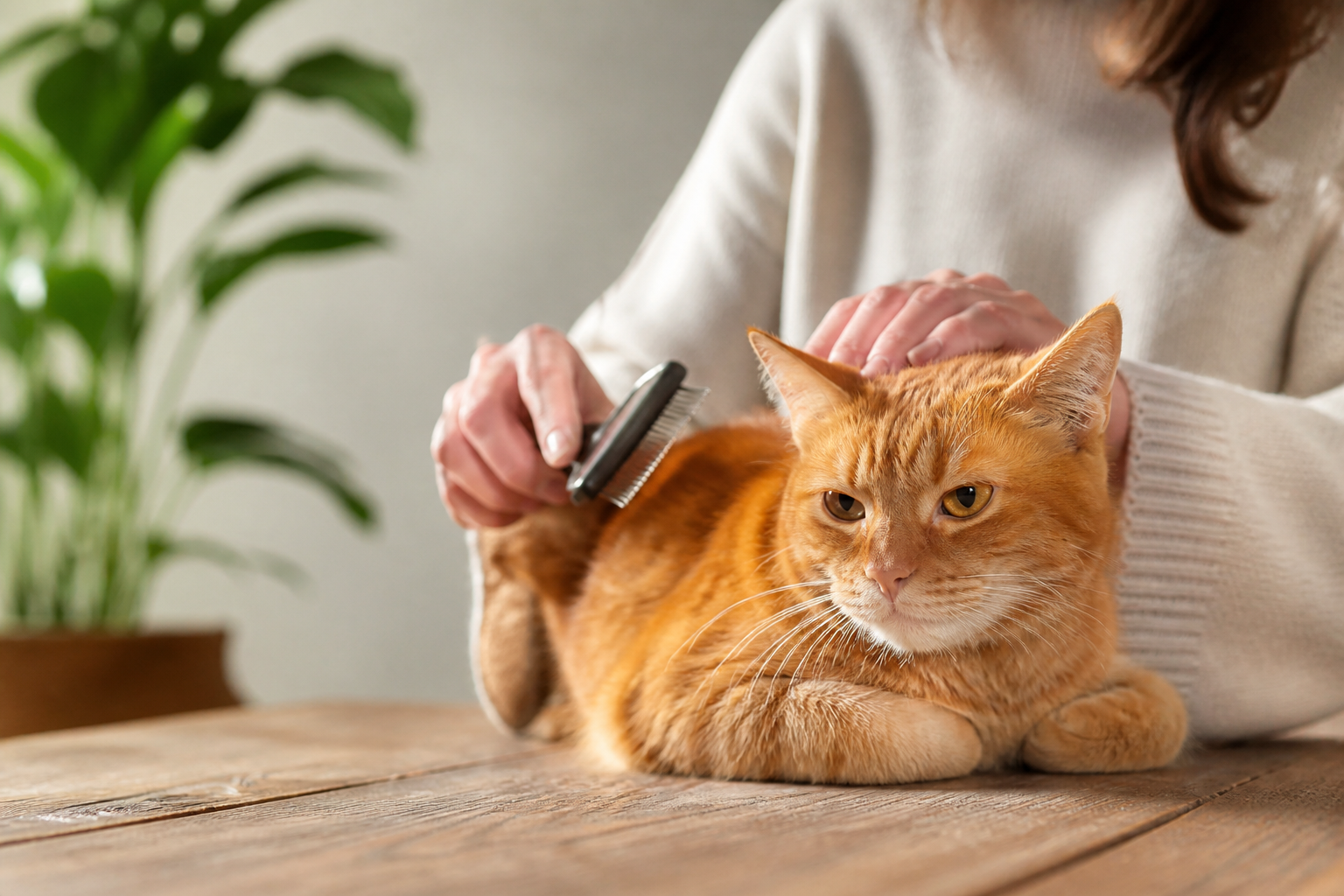
Step 1: Increase Grooming Sessions. If your cat cannot reach certain spots, you must do it for them. Use a soft brush daily. This helps distribute natural oils and removes dead skin cells before they clump into flakes. A specific option is the U-Groom Combo Brush for Dogs and Cats, which is designed for home grooming.
Step 2: Improve the Diet. Switching to a high quality food with named protein sources is a great start. Look for recipes that specifically mention skin and coat support. These usually contain added fish oils or flaxseed.
Step 3: Encourage Hydration. Try a pet fountain. Many cats prefer running water over a still bowl. Adding a little water to their canned food can also increase their daily intake.
Step 4: Use Targeted Supplements. Fish oil supplements can be very effective. Always choose a product made specifically for cats. Human supplements may contain flavors or concentrations that are not safe for felines.
Key Takeaway: Consistent grooming and high quality nutrition are the foundations of a flake free coat for most healthy cats.
When to See a Veterinarian
While a few flakes can be normal, you should not ignore significant changes. You know your cat best. If their skin looks different or they seem uncomfortable, a professional opinion is necessary.
Warning Signs
If the dandruff is accompanied by hair loss, it is time for a visit. You should also look for redness, sores, or a foul odor coming from the skin. If your cat is scratching so much that they are breaking the skin, they likely have an infection or a severe allergy.
Diagnostic Tests
Your vet might perform a skin scraping to look for mites under a microscope. They may also suggest blood work. This helps rule out internal issues like diabetes or kidney disease. Finding the root cause is the only way to ensure the treatment actually works.
Vet Tip: Never use human dandruff shampoos on your cat. These products often contain ingredients like zinc or salicylic acid that can be toxic if your cat licks them off their fur. Only use products specifically labeled for feline use and recommended by your vet.
Specific Breed Considerations
Some cats are genetically predisposed to skin issues. Knowing your cat's background can help you stay ahead of potential problems.
Persian Cats
Persians are prone to a condition called primary seborrhea. This is an inherited disorder where the skin cells produce at an abnormally fast rate. This results in a very greasy coat and heavy dandruff. These cats often need lifelong management with special shampoos.
Hairless Breeds
Breeds like the Sphynx do not have fur to absorb their skin oils. While they do not have traditional dandruff in the form of flakes on fur, they can develop a waxy buildup on their skin. This buildup can flake off if they are not bathed regularly.
Long Haired Breeds
Cats with very thick undercoats can trap dead skin cells close to the body. If they are not brushed down to the skin, this buildup can lead to irritation and heavy flaking. Regular professional grooming can be very helpful for these breeds.
The Connection Between Stress and Skin
It might sound strange, but stress can cause a cat to develop dandruff. Cats are very sensitive to changes in their environment. A move to a new house, a new baby, or even a new piece of furniture can cause anxiety.
Over-Grooming vs Under-Grooming
Stress can cause a cat to go either way. Some cats will groom obsessively, leading to bald spots and irritated skin. Others will stop grooming entirely. When a stressed cat stops grooming, the flakes appear quickly.
Physical Reaction to Stress
Stress triggers the release of hormones like cortisol. These hormones can affect the immune system and the health of the skin barrier. If your cat's dandruff appeared suddenly after a big change, stress might be the primary driver. Providing a calm environment and consistent routine can help their skin return to normal.
Using the BaxterBoo Pharmacy for Skin Support
Many skin conditions require more than just a better brush. If your cat has a bacterial or fungal infection like ringworm, they will need medication. Our pharmacy for cats provides a convenient way to get these necessary treatments.
Prescription Diets
For cats with severe food allergies, your vet might prescribe a hydrolyzed protein diet. These specialized foods break down proteins so small that the immune system does not recognize them as a threat. We can fulfill these prescription food orders through our pharmacy partnership, making it easy to get everything your cat needs in one place.
Medicated Topicals
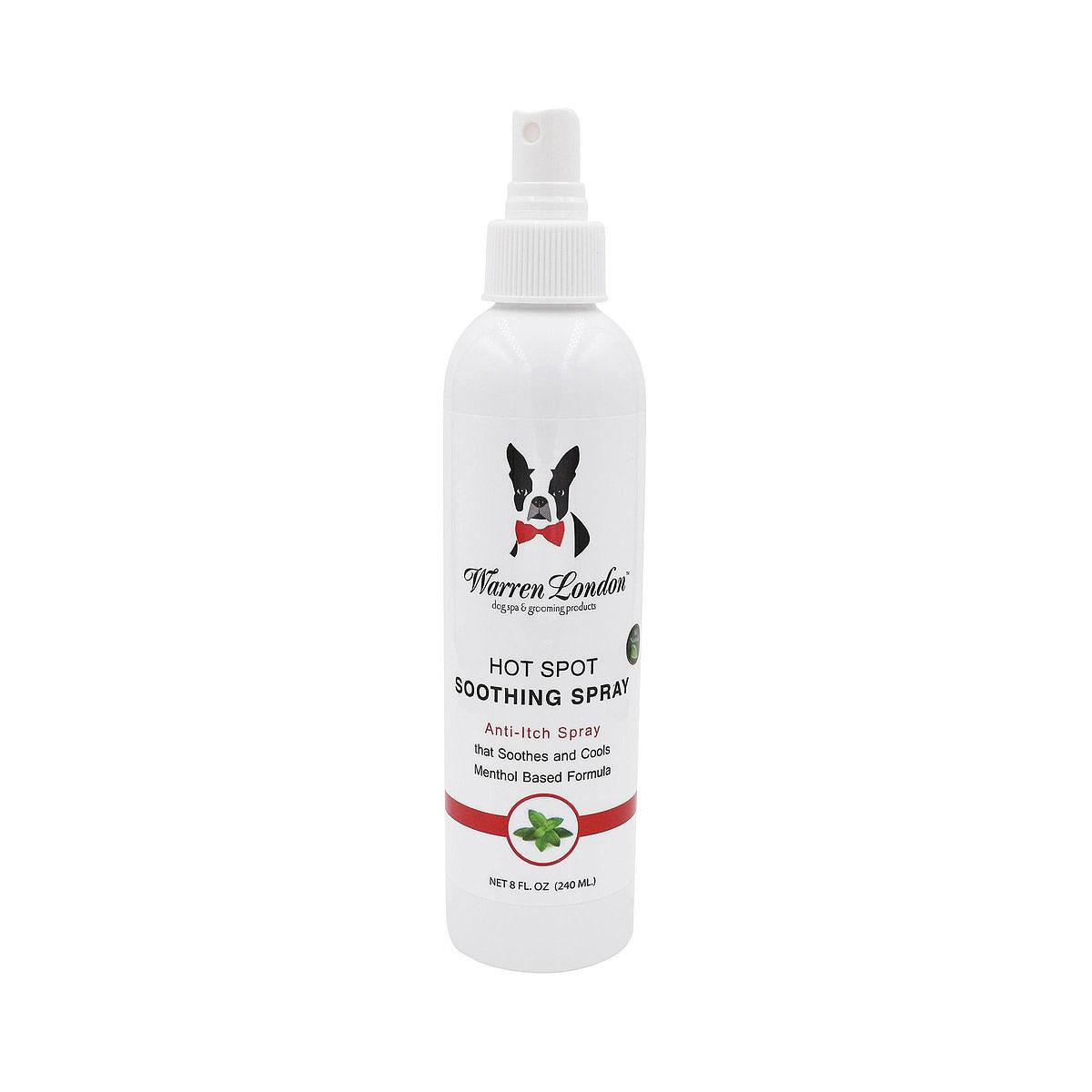
Sometimes the best way to treat dandruff is from the outside. Your vet may prescribe medicated mousses or sprays. These are often easier to use than traditional baths. They contain ingredients to soothe inflammation and kill harmful bacteria or yeast.
Bottom line: Treating the underlying cause of dandruff is more effective than simply trying to brush the flakes away.
Maintaining a Flake Free Future
Once you have cleared up the dandruff, the goal is to keep it from coming back. This requires a commitment to routine care.
- Stick to a grooming schedule that matches your cat's coat type.
- Keep up with year round flea and tick preventives.
- Monitor your cat's weight to ensure they can reach all grooming spots.
- Ensure fresh water is always available and easily accessible.
By staying proactive, you can ensure your cat's coat remains as soft and glossy as it was meant to be. Our MVP Rewards program can help you save on the grooming tools, premium food, and supplements you need for long term maintenance. We are here to support you in every stage of your pet's life, from playful kittenhood to the senior years.
FAQ
Is cat dandruff the same thing as fleas?
No, but they can look similar. Dandruff consists of white or gray skin flakes, while flea eggs are tiny white ovals and flea dirt looks like black pepper. If you see movement or your cat is itching intensely, it is likely a parasite issue rather than simple dry skin.
Can I use coconut oil to treat my cat's dandruff?
While coconut oil is generally safe, it is very greasy and can lead to a messy coat if applied topically. It is much better to address the issue through their diet with Omega 3 fatty acids. Always consult your vet before adding oils to your cat's food, especially if they have a history of sensitive stomach or pancreatitis.
Does a cat's age affect how much dandruff they have?
Yes, senior cats are much more likely to have dandruff. This is usually because of mobility issues like arthritis that prevent them from grooming properly. Older cats also have thinner skin and may have underlying health conditions like kidney disease that contribute to dryness.
How often should I brush my cat to prevent dandruff?
For a short haired cat, a thorough brushing once or twice a week is usually enough to remove dead skin cells. Long haired cats often need daily brushing to prevent mats and keep the skin healthy. Regular brushing is the most effective way to distribute natural skin oils across the entire coat.






- Site & Contents BaxterBoo.com. BaxterBoo is located in the United States.
- Privacy & Security
- Terms of Use
- Accessibility Statement
