
 Save 15% on your 1st Autoship learn more

 Email us
 Live Chat
 FAQs
FAQs





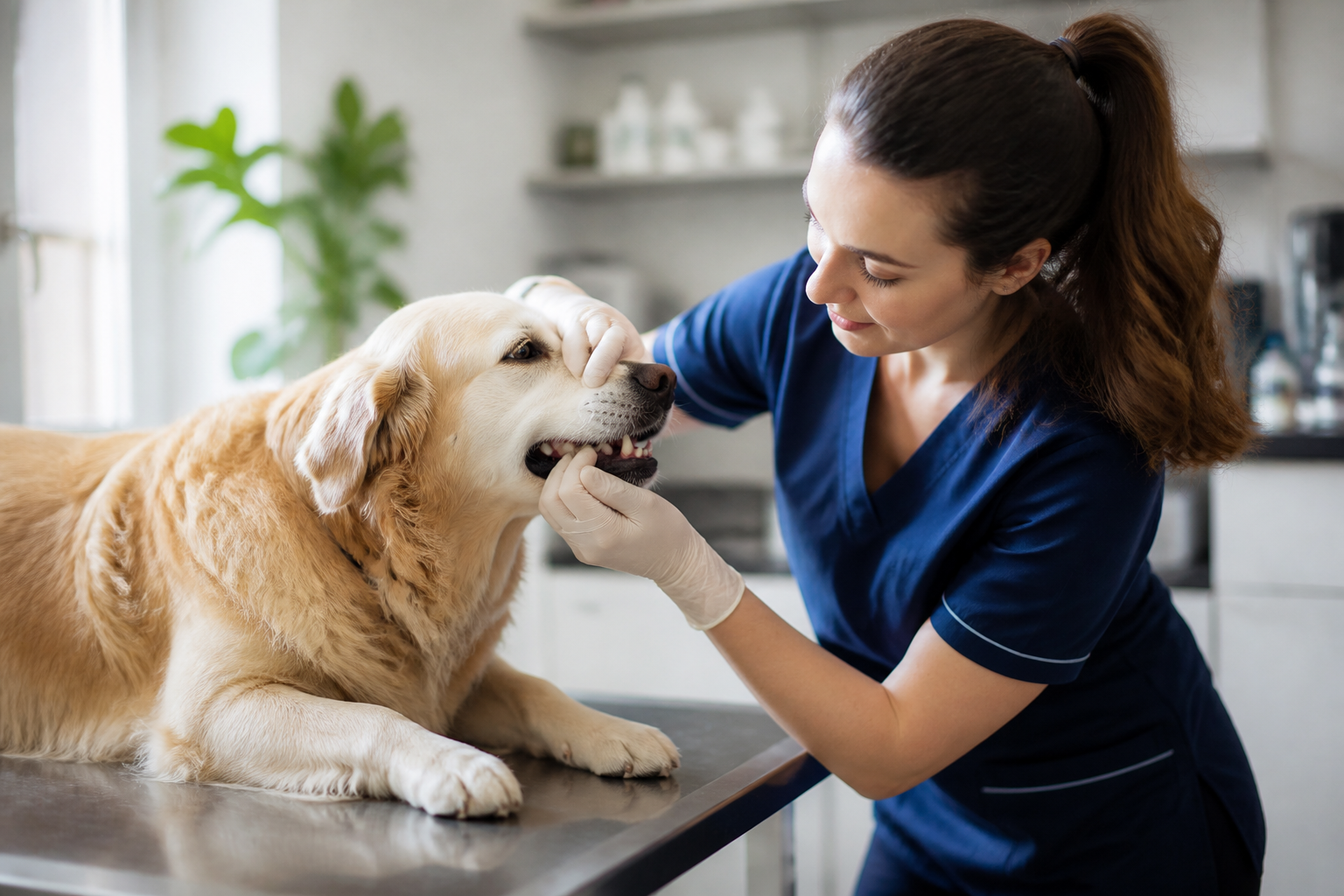
Introduction
You lean in for a happy dog kiss only to be met with a scent that reminds you of old socks and swamp water. Bad breath in dogs is more than just a minor annoyance for owners. It is often the first sign that plaque and tartar have taken hold. While we might brush our own teeth twice a day, our dogs often go years without a proper cleaning. At BaxterBoo, we talk to pet owners every day who are surprised to find that a professional dental cleaning is one of the more significant expenses in a dog's routine healthcare.
This post covers what you can expect to pay for a professional dental cleaning. We will look at why prices vary so much between clinics and states. We will also explore the difference between a basic scale and polish and a complex surgical procedure. Understanding these costs helps you plan your budget and make the best decisions for your dog's long-term health.
Quick Answer: A routine professional dog teeth cleaning typically costs between $300 and $700. This price usually includes anesthesia, basic scaling, and polishing. If your dog requires dental X-rays, bloodwork, or tooth extractions, the total cost can easily reach $1,000 to $1,500 or more.
Breaking Down the Basic Dental Cleaning Costs
The price of a dental cleaning is rarely a flat fee. Most veterinary clinics provide a base estimate that covers the essential steps of the procedure. This base price usually accounts for the professional time of the veterinarian and the veterinary technicians. It also covers the use of specialized equipment like ultrasonic scalers and polishing tools.
In the United States, a routine cleaning at a general practice veterinarian often starts around $300. This is the price for a dog with relatively healthy gums and no visible signs of broken teeth. If you live in a large city or a high cost of living area, this starting price may be closer to $500. Rural clinics often have lower overhead and might offer the same service for less.
It is important to remember that this starting price is for a "best case scenario." Most dogs who need a cleaning have some level of periodontal disease. This means the vet will likely find issues that were not visible during a quick exam in the lobby.
What is Included in the Procedure?
When you receive a quote for a dental cleaning, it is helpful to know exactly what happens behind the scenes. A professional cleaning is a clinical procedure that requires several distinct steps. Each of these steps contributes to the final cost.
Anesthesia and Monitoring
Unlike humans, dogs will not sit still and keep their mouths open for a vibrating metal tool. General anesthesia is required for a thorough and safe cleaning. This allows the vet to clean deep under the gumline where the most damage occurs.
The cost of anesthesia includes the sedative drugs and the induction agent. It also covers the cost of a dedicated staff member to monitor your dog's heart rate, oxygen levels, and blood pressure. This monitoring is vital for safety.
Scaling and Polishing
Scaling is the process of removing hardened tartar from the surface of the teeth. Vets use ultrasonic tools that vibrate at high speeds to break up the buildup. They must also use hand instruments to clean under the edge of the gums. After the tartar is gone, the teeth are polished. Polishing smooths the enamel so it is harder for new plaque to stick.
Dental X-rays
Many clinics now include or strongly recommend full-mouth dental X-rays. Over 60 percent of a dog's tooth structure is hidden below the gumline. X-rays can reveal bone loss, abscesses, or "dead" teeth that look fine on the surface. While X-rays add $100 to $250 to the bill, they prevent you from paying for a second procedure later to fix a hidden problem.
Vet Tip: Always ask if dental X-rays are included in your initial estimate. Without X-rays, your veterinarian cannot see infections or root damage that may be causing your dog significant pain.
Factors That Increase the Final Bill
The gap between a $300 cleaning and a $1,500 surgery is usually defined by what the vet finds once the dog is asleep. Several variables can quickly change your estimate.
Pre-Anesthetic Bloodwork
Most vets require a blood test before any procedure involving anesthesia. This test checks the health of the liver and kidneys. These organs are responsible for processing the anesthesia drugs. For a young, healthy dog, this might cost $75. For a senior dog, a more comprehensive panel might cost $200 or more.
Tooth Extractions
Extractions are the most common reason for a high dental bill. If a tooth is loose, infected, or has significant bone loss, it must come out. Extracting a dog's tooth is a surgical procedure. It involves cutting the gums and sometimes drilling into the jawbone to remove deep roots.
- Simple extractions: $50 to $150 per tooth.
- Complex multi-rooted extractions: $200 to $500 per tooth.
- Surgical closure of the extraction site: $50 to $100.
Medications and Aftercare
If your dog has teeth removed, they will need pain medication and possibly antibiotics. These are often sent home with you. Your vet might also use a local nerve block during the surgery. This helps keep the dog comfortable while they wake up.
Key Takeaway: The state of your dog's mouth at the time of the appointment is the biggest driver of cost. Regular preventive cleanings are much cheaper than waiting until a dog has multiple infected teeth that require surgery.
How Dog Size and Age Affect Pricing
Your dog's physical characteristics play a role in the total cost. Larger dogs are generally more expensive to treat than small dogs. This is primarily due to the amount of anesthesia required. A Great Dane needs significantly more medication than a Chihuahua to stay safely asleep. The procedure also takes longer for a larger dog, which increases the labor cost.
Age is another important factor. Senior dogs often have more advanced dental disease. They are also more likely to have underlying health issues that require extra caution. A vet may recommend IV fluids during the procedure for a senior dog to support their blood pressure. This adds another layer of safety but also adds to the expense.
| Expense Type | Estimated Cost Range |
|---|---|
| Basic Routine Cleaning | $300 – $700 |
| Pre-Anesthetic Bloodwork | $75 – $200 |
| Dental X-rays | $100 – $250 |
| Complex Extractions | $200 – $1,200 |
| Post-Surgery Medications | $40 – $100 |
The Truth About Anesthesia-Free Cleaning
You may see advertisements for "anesthesia-free" dental cleanings. These are often much cheaper, ranging from $150 to $300. While the lower price is tempting, it is important to understand the limitations.
Anesthesia-free cleaning is purely cosmetic. A technician scrapes the visible tartar off the parts of the teeth you can see. However, they cannot clean under the gumline or on the inside surfaces of the teeth. This is where the bacteria that cause heart and kidney disease live.
Because the dog is awake, the technician cannot take X-rays or perform extractions. This can give owners a false sense of security. The teeth look white, but the dog may still have a painful infection deep in the bone. Most veterinarians do not recommend this as a replacement for a professional cleaning.
Bottom line: Anesthesia-free cleaning only addresses the visible crown of the tooth and does not treat or prevent periodontal disease.
The Role of the Specialist
Sometimes, a general veterinarian will refer you to a board-certified veterinary dentist. This usually happens if your dog needs a root canal or has an oral tumor. Specialists have advanced training and high-tech imaging equipment.
A cleaning performed by a specialist will be significantly more expensive. You can expect to pay $1,500 to $3,000 for specialized dental surgery. While this is a high cost, it is often necessary for saving a specific tooth or managing complex oral health issues.
How to Manage the Costs of Dental Care
Dental health is a long-term investment. While the upfront cost is high, there are ways to make it more manageable.
Pet Insurance and Wellness Plans
Standard pet insurance often excludes routine dental cleanings. However, many companies offer "Wellness Add-ons" that provide a set amount of money each year for dental care. If your dog develops an injury, like a fractured tooth from a chew toy, a standard accident-and-illness policy may cover the extraction.
National Pet Dental Health Month
Many veterinary clinics offer discounts in February. This is National Pet Dental Health Month. You might find clinics offering 10 to 20 percent off dental procedures during this time. It is a good idea to call your local vet in January to see if they have any upcoming specials.
Prevention is the Best Savings Plan
The most effective way to lower your dental bills is to keep your dog's mouth clean at home. Every day that you brush your dog's teeth is a day you are pushing back the need for a professional cleaning. For additional guidance, read our tips for maintaining your pet’s dental care routine.
- Brush daily. Use a dog-specific toothpaste. Human toothpaste contains xylitol or fluoride, which are toxic to dogs.
- Use dental chews. Products like Greenies help mechanically scrape plaque from the teeth. They are a great supplement to brushing.
- Try water additives. These can help reduce the bacteria load in the mouth.
- Buy quality chew toys. Kong rubber toys and other durable chews encourage gnawing. This action helps keep the gums healthy.
At BaxterBoo, we offer a wide variety of dog dental care products to help you maintain your dog's smile. Our Autoship program is a great way to save on recurring items like dental treats and toothbrushes. You get a discount on your first order and stay stocked up so you never skip a day of care.
Prescription Needs and the Pharmacy
If your vet discovers a deep infection during a dental exam, they may prescribe specific antibiotics or medicated oral rinses. These are necessary to clear the infection before or after the procedure. Our pet pharmacy carries a full range of FDA-approved medications for pets.
Through our partnership with Pet's Choice, we can help you fulfill these prescriptions easily. If your dog needs a specialized prescription diet to manage dental health or other conditions, we can help with that too. Having a reliable source for these medications ensures your dog recovers quickly and comfortably.
Knowing When to Schedule a Cleaning
You should not wait for a "dental month" if your dog is in pain. Dental disease is progressive. The longer you wait, the more expensive and difficult the treatment becomes. For more information about warning signs, read how to recognize signs of bad teeth in dogs.
Look for these signs that your dog needs a professional exam:
- Extremely bad breath that does not go away.
- Red, swollen, or bleeding gums.
- Yellow or brown crust on the teeth.
- Dropping food while eating or a sudden preference for soft food.
- Pawing at the face or mouth.
If you notice these symptoms, the first step is always a consultation with your veterinarian. They can provide an accurate diagnosis and a detailed estimate based on your dog's specific needs.
Summary of Dental Costs
Caring for your dog's teeth is a vital part of being a pet owner. While the professional dog teeth cleaning cost can feel like a lot at once, it prevents much more serious health problems. Infections in the mouth can spread to the heart, liver, and kidneys.
- Expect to pay $300 to $700 for a basic cleaning.
- Be prepared for costs to rise if extractions are needed.
- Always include bloodwork for safety.
- Commit to daily at-home care to save money in the long run.
Key Takeaway: Regular dental care can extend your dog's life by several years. The cost of a yearly cleaning is far less than the cost of treating heart disease or chronic infections later in life.
The next step for many owners is to start a daily hygiene routine. You can find everything from finger brushes to enzymatic toothpastes in our dental care section. Keeping those teeth clean today means a smaller vet bill tomorrow.
FAQ
Is dog teeth cleaning really worth the money?
Yes, it is one of the most important preventive measures you can take for your pet. Untreated dental disease causes chronic pain and can lead to serious systemic health issues like heart and kidney failure. A professional cleaning removes the bacteria that you cannot reach with a toothbrush at home.
Why is anesthesia necessary for a dog's dental cleaning?
Anesthesia allows the veterinarian to perform a thorough and pain-free exam. It is the only way to safely scale under the gumline where the most harmful bacteria live. It also ensures the dog remains still so the vet can take accurate X-rays and use sharp instruments without the risk of injury.
Will my pet insurance pay for a dental cleaning?
Most standard pet insurance policies do not cover routine preventive cleanings. However, many providers offer wellness plans as an add-on that will cover a portion of the cost. If your dog has a dental injury, like a broken tooth from an accident, your standard policy might cover the treatment or extraction.
How often should I get my dog's teeth professionally cleaned?
Most veterinarians recommend a professional dental cleaning once a year starting around age two or three. Small breeds and flat-faced dogs like Pugs or Bulldogs often need cleanings more frequently because their teeth are crowded. Your vet will assess your dog's oral health during their annual physical to give you a specific recommendation.






