Save 15% on your 1st Autoship learn more

 Email us
 Live Chat
 FAQs
FAQs






Introduction
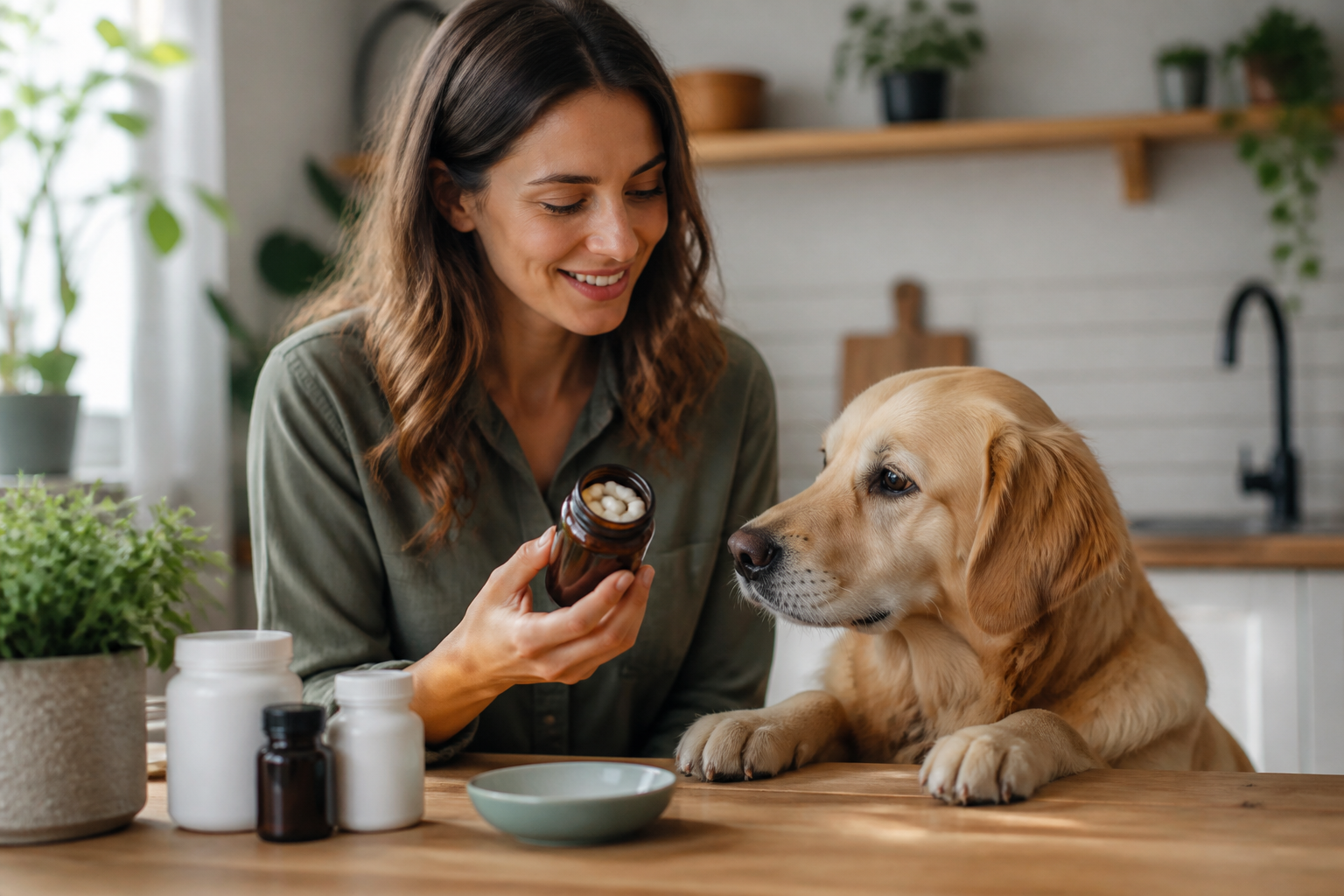
You wake up in the middle of the night to the sound of your dog pacing. A few moments later, you find the mess on the rug. Sudden digestive upset is one of the most common reasons pet owners reach out for help. When your dog has a sensitive stomach or acute diarrhea, you need a solution that works quickly and is easy to give. This is where a dog probiotics syringe becomes an essential part of your pet care toolkit.
At BaxterBoo, we have helped thousands of owners navigate these messy moments since 2006. We know that a dog with a rumbly tummy often loses their appetite. This makes powders or pills difficult to use. An oral syringe allows you to deliver concentrated digestive support directly and accurately. This post covers how these syringes work, when to use them, and why the specific ingredients in the paste matter for your dog's recovery. Understanding these tools helps you support your dog's gut health with confidence.
What Is a Dog Probiotics Syringe?
A dog probiotics syringe is a plastic, needle-less applicator filled with a concentrated nutritional paste. Unlike daily maintenance supplements that come in chews or powders, these pastes are formulated for rapid support. They usually contain high concentrations of beneficial bacteria, prebiotics, and binding agents. The syringe design is not for injection. Instead, it is a delivery system that allows you to place the supplement directly into the side of your dog's mouth.
The paste inside is typically flavored to be highly palatable. Most brands use artificial beef or liver flavors. This ensures that even a dog feeling under the weather will accept the taste. The consistency is thick enough to stay in the mouth but smooth enough to swallow easily. Because the paste is concentrated, a small volume provides a massive dose of colony forming units (CFUs). This is critical when you need to rebalance the gut microbiome quickly.
Quick Answer: A dog probiotics syringe is a calibrated delivery tool used to provide concentrated probiotic paste directly into a dog's mouth. It is designed for acute digestive issues like diarrhea or stress-related stomach upset where fast-acting support is needed.
The Role of Probiotics and Prebiotics
Probiotics are live, beneficial microorganisms. They live in your dog's gastrointestinal tract and perform several vital jobs. They help break down food, produce essential vitamins, and support the immune system. A healthy gut is a balance between these "good" bacteria and potentially "bad" bacteria. When that balance shifts, your dog may experience gas, bloating, or loose stools.
Prebiotics are the second half of the equation. These are non-digestible fibers that act as a food source for the probiotics. Including prebiotics in a syringe paste ensures that the beneficial bacteria have the energy they need to thrive once they reach the intestines. This combination is often called a "synbiotic." Using them together is more effective than using probiotics alone because it supports the entire life cycle of the beneficial microbes.
Key Ingredients in Probiotic Pastes
When you look at the label of a probiotic syringe, you will see a list of active ingredients designed to stabilize the gut. Most high-quality pastes, such as those from Proviable or Nutramax, focus on a few specific components. Understanding these helps you choose the right product for your dog's specific needs.
Beneficial Bacteria Strains
The most common strain found in these syringes is Enterococcus faecium. This particular bacterium is hardy and can survive the acidic environment of the dog's stomach. Once it reaches the intestines, it colonizes quickly. Other common strains include Lactobacillus acidophilus and Bifidobacterium animalis. These strains work together to crowd out harmful bacteria and restore the natural pH balance of the gut.
For a product that combines paste with probiotic capsules, consider the Nutramax Proviable Digestive Health Supplement Kit.
Binding Agents and Absorbing Clays
What sets a syringe paste apart from a standard probiotic powder is the inclusion of binders. Ingredients like Kaolin and Pectin are frequently used. Kaolin is a type of clay that helps absorb excess fluid in the intestines. This helps firm up loose stools quickly. Pectin is a soluble fiber that soothes the lining of the digestive tract.
Some advanced formulas use Bentonite or Montmorillonite clay. These are highly absorbent materials. They work by "binding" to toxins and pathogens in the digestive system. This allows the dog to pass those irritants safely in their stool. These ingredients provide the immediate relief owners want while the probiotics work on the long-term balance.
Nutritional Support
Many pastes also include vitamins and minerals to help a dog recover from a bout of illness. Vitamin B12 is often added because dogs with digestive issues frequently struggle to absorb enough of it. You might also see Beta-glucans. These are compounds that help support the immune system's natural defenses.
Key Takeaway: Probiotic syringes provide a dual-action approach. They use clays and binders to provide immediate stool firming while delivering live bacteria to fix the underlying microbial imbalance.
When to Use a Probiotic Syringe
A probiotic syringe is not typically meant for every-day use over months at a time. It is a targeted tool for specific situations. Having one on hand in your pet's first aid kit can save you a lot of stress when symptoms suddenly appear.
Sudden Dietary Changes
If your dog gets into the trash or eats a rich human snack they should not have had, their gut may react poorly. We often call this "garbage gut." The sudden influx of fats or sugars can cause a bacterial bloom that leads to diarrhea. A probiotic syringe helps neutralize those effects and firms the stool.
For more information about food-related digestive upset, read Can Dry Food Cause Diarrhea in Dogs?
Stress and Anxiety
Stress has a direct impact on a dog's digestive system. Changes like boarding at a kennel, moving to a new home, or traveling can trigger "stress colitis." This often results in soft or mucousy stools. Giving a probiotic paste a day before a known stressor and for a few days after can prevent these symptoms from starting.
Antibiotic Recovery
Antibiotics are life-saving medications, but they do not distinguish between good and bad bacteria. They often wipe out the beneficial microbes in the gut. This leads to antibiotic-associated diarrhea. A probiotic syringe helps replenish the gut during or after a course of antibiotics.
Vet Tip: If you are using probiotics while your dog is on antibiotics, give them at least two hours apart. This prevents the antibiotic from killing the beneficial bacteria in the supplement before they can work.
How to Administer the Paste Safely
Using a syringe might seem intimidating if you have never done it before. However, most brands design these tools with pet owners in mind. They feature a "dose wheel" or "locking ring" on the plunger. This ensures you cannot accidentally give too much at once.
Step-by-Step Administration
Step 1: Check the dosage chart. / Look at the packaging to determine the correct milliliters (ml) for your dog's weight.
Step 2: Set the dose wheel. / Rotate the ring on the syringe plunger until it reaches the correct mark for the dose you need.
Step 3: Prepare your dog. / Gently lift your dog's upper lip near the corner of the mouth. You do not need to pry the entire jaw open.
Step 4: Insert and depress. / Place the tip of the syringe into the gap behind the canine teeth. Aim toward the back of the tongue and slowly depress the plunger until it stops at the ring.
Step 5: Reward and monitor. / Allow your dog to swallow and offer a small pet-safe treat or praise. Watch them for a few minutes to ensure they do not spit the paste out.
Note: Most probiotic syringes are intended to be given twice daily. Always follow the specific instructions on the label or the advice of your veterinarian.
Managing Chronic Digestive Issues
While a probiotic syringe is excellent for short-term relief, some dogs deal with ongoing digestive challenges. These might include food sensitivities, chronic allergies, or inflammatory conditions. In these cases, your vet might recommend a more permanent shift in their routine.
Our pet pharmacy provides access to FDA-approved medications and prescription pet foods through our partnership with Pet's Choice. If your dog needs more than just a quick probiotic boost, a prescription diet might be the answer. Brands like Farmina Vet Life offer specialized formulas for gastrointestinal management. These diets are carefully balanced to be highly digestible. They often contain the same prebiotics and probiotics found in syringes but in a form meant for daily feeding.
If your dog's symptoms are severe, persistent, or accompanied by vomiting and lethargy, it is time for a vet visit. Chronic diarrhea can lead to dehydration and nutrient deficiencies. A veterinarian can help determine if the issue is a simple bacterial imbalance or something more complex like parasites or an underlying illness.
For additional guidance on nutrition for sensitive stomachs, read Best Dog Food for Dogs With Sensitive Stomachs.
Storing and Maintaining Your Probiotic Syringe
Most probiotic pastes are shelf-stable at room temperature. However, they should be kept out of direct sunlight and away from extreme heat. Heat can kill the live bacteria, making the supplement less effective. Always check the expiration date before use. Live cultures have a limited lifespan.
After you use the syringe, wipe the tip clean with a damp paper towel. Replace the cap firmly. This prevents the paste from drying out and keeps the applicator hygienic for the next dose. If the paste changes color or develops an unusual odor, discard it and start with a fresh syringe.
Choosing the Right Size
Probiotic syringes usually come in several sizes, typically 15ml, 30ml, and 60ml. Choosing the right one depends on your dog's weight. A large breed dog like a Labrador will require a much larger dose per serving than a Toy Poodle.
- 15ml Syringes: Best for cats and small dogs under 15 pounds.
- 30ml Syringes: Ideal for medium-sized dogs between 15 and 60 pounds.
- 60ml Syringes: Most cost-effective for large and giant breeds over 60 pounds.
Buying a larger syringe for a small dog is possible, but the increments on the plunger may be harder to read for very small doses. It is usually best to stick to the size recommended for your pet's weight class to ensure accuracy.
Comparing Syringes to Other Probiotics
You might wonder why you should choose a syringe over a chew or a powder. Each format has its place in a dog's health routine.
| Feature | Syringe Paste | Probiotic Chew | Sprinkle Powder |
|---|---|---|---|
| Best Use | Acute upset / Diarrhea | Daily maintenance | Picky eaters / Daily use |
| Speed | Fast-acting (with binders) | Slower (digestive support) | Moderate |
| Administration | Directly by mouth | Give as a treat | Mix with food |
| Palatability | High (flavored paste) | High (treat-like) | Variable |
| Contains Binders | Yes (Kaolin/Pectin) | Usually no | Usually no |
The main advantage of the syringe is the inclusion of those binding agents. If your dog has liquid or very soft stools, a chew or powder may not provide the immediate firming action that a paste offers. The paste is also the best choice if your dog has lost their appetite and refuses to eat their normal kibble.
You can also compare syringe options with Nutramax Proviable digestive health capsules.
Why Quality Matters
Not all probiotics are created equal. The pet supplement industry is not as strictly regulated as the pharmaceutical industry. This means some products may not actually contain the number of live bacteria promised on the label.
We prioritize brands that use clinically researched strains and provide guaranteed analysis of their CFUs. Brands carried by us, such as Nutramax, follow high manufacturing standards to ensure the bacteria remain viable until the expiration date. This gives you peace of mind that you are giving your dog a product that actually works.
Bottom line: For immediate digestive relief, a probiotic syringe is superior to powders or chews because it contains binding clays that firm stools while delivering beneficial bacteria.
Supporting Your Dog's Recovery
Recovering from a stomach upset takes time. Even after the stools begin to firm up, your dog's gut lining may still be sensitive. It is often helpful to feed a bland diet for 24 to 48 hours. This might include boiled chicken and white rice or a specific prescription gastrointestinal canned food.
Continue the probiotic syringe for as long as directed, even if the symptoms seem to have cleared up. This ensures the bacterial balance is fully restored. You might also consider transitioning to a daily probiotic chew once the acute phase is over. This provides long-term support for their immune system and overall vitality.
The BaxterBoo Difference
We believe that every pet deserves high-quality care backed by expertise. Our team handpicks the products we carry to ensure they meet our standards for safety and effectiveness. Whether you are dealing with a one-time tummy ache or a lifelong digestive sensitivity, we are here to help.
Our MVP Rewards program allows you to earn points on every purchase, including digestive supplements and pharmacy needs. If you find a probiotic your dog does well on, our Autoship program offers a convenient way to keep it in stock while saving money. This ensures you are never caught off guard when a digestive emergency happens.
Conclusion
A dog probiotics syringe is a practical and effective tool for managing sudden digestive issues. By combining live beneficial bacteria with soothing binders like kaolin and pectin, these pastes provide the rapid relief your dog needs to feel better. They are easy to dose, highly palatable, and perfect for dogs who have lost their appetite.
Always remember that digestive health is a journey. While a syringe is a great quick fix, long-term wellness comes from quality nutrition and regular veterinary care. For pets with chronic needs, our pet pharmacy is ready to assist with prescription options through Pet's Choice. Keep a probiotic syringe in your cupboard so you are prepared for the next time your dog's stomach acts up.
Key Takeaway: Keep a probiotic syringe on hand for acute digestive stress, and consult your veterinarian for a long-term plan if your dog has recurring stomach issues.
FAQ
How long does it take for a probiotic syringe to work?
Most owners notice an improvement in stool consistency within 24 to 48 hours. The binding agents like kaolin and pectin work quickly to absorb excess fluid, while the probiotics begin to rebalance the gut flora over several doses. If you see no improvement after three days, you should contact your veterinarian.
Can I give my dog a probiotic syringe every day?
While safe, these syringes are designed for short-term, acute care. For daily digestive support, a probiotic chew or powder is usually more convenient and cost-effective. Use the syringe for specific events like diarrhea, antibiotic use, or high-stress situations.
Does a dog probiotic syringe need to be refrigerated?
Most modern probiotic pastes are formulated to be shelf-stable at room temperature. You should store the syringe in a cool, dry place away from direct sunlight. Always check the specific storage instructions on the product packaging, as some specialized formulas may require different conditions.
What should I do if my dog has bloody diarrhea?
If you notice blood in your dog's stool, you should skip the at-home treatments and call your veterinarian immediately. While probiotics can help with many issues, blood can indicate more serious conditions like parvovirus, severe parasites, or hemorrhagic gastroenteritis. Professional diagnosis is essential in these cases.