
 Save 15% on your 1st Autoship learn more

 Email us
 Live Chat
 FAQs





Introduction
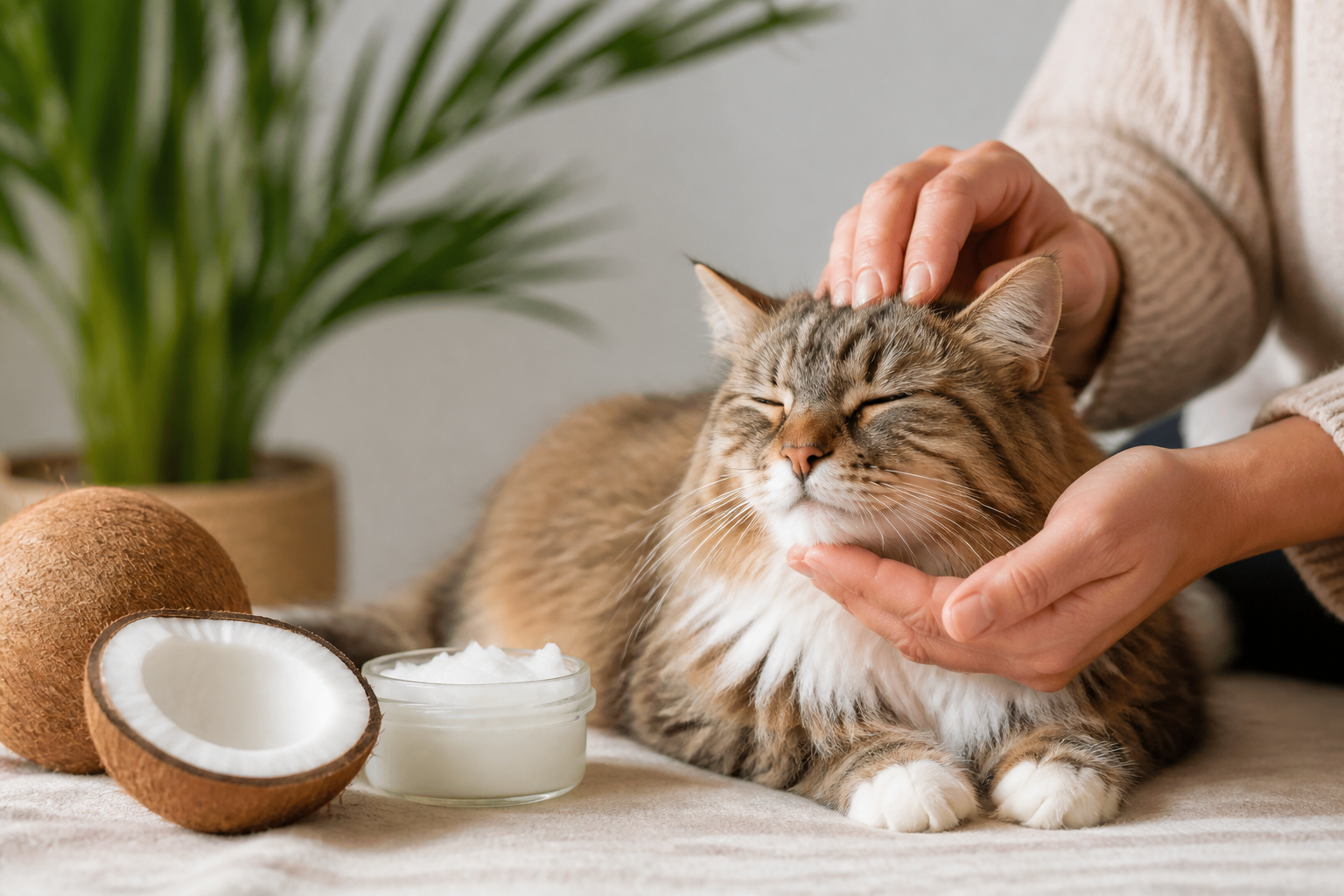
You run your hand down your cat's back and notice a dusting of white flakes. It looks like a tiny snowstorm has settled on their glossy fur. This is a common sight for many owners, especially during dry winter months or seasonal changes. At BaxterBoo, we know how frustrating it is to see your cat deal with itchy or flaky skin. Many people are turning to natural remedies to help their feline friends feel more comfortable. One of the most popular options is coconut oil. This post covers the benefits, risks, and proper ways to use coconut oil for cat dandruff. We want to help you decide if this natural approach is right for your pet. Coconut oil can be a safe and effective way to manage dry skin when you follow the right steps.
Quick Answer: Coconut oil can help cat dandruff by moisturizing the skin and providing fatty acids that support coat health. You can apply a tiny amount topically to dry patches or add a small dose (about 1/8 teaspoon) to their food. Always start with very small amounts to avoid digestive upset or weight gain.
What Causes Dandruff in Cats?
Before reaching for the jar of oil, it helps to understand why those flakes are appearing. Cat dandruff is simply dead skin cells that have shed prematurely. While a small amount of shedding is normal, excessive flaking often points to an underlying issue.
Environmental factors are a leading cause. Low humidity in your home can sap moisture from your cat's skin. This is especially common when the heater is running during the winter. Diet also plays a huge role. If a cat is not getting enough omega-3 fatty acids, their skin may become dry and brittle.
Age and weight can also contribute to the problem. If a cat is overweight or has arthritis, they may struggle to groom their back properly. This leads to a buildup of oils and dead skin in hard to reach places. In more serious cases, dandruff can be a sign of allergies or skin infections.
Key Takeaway: Most cat dandruff is caused by dry air or minor nutritional gaps. However, it can also stem from grooming struggles or underlying health conditions that require a veterinarian's attention.
Cat Skin & Coat Care





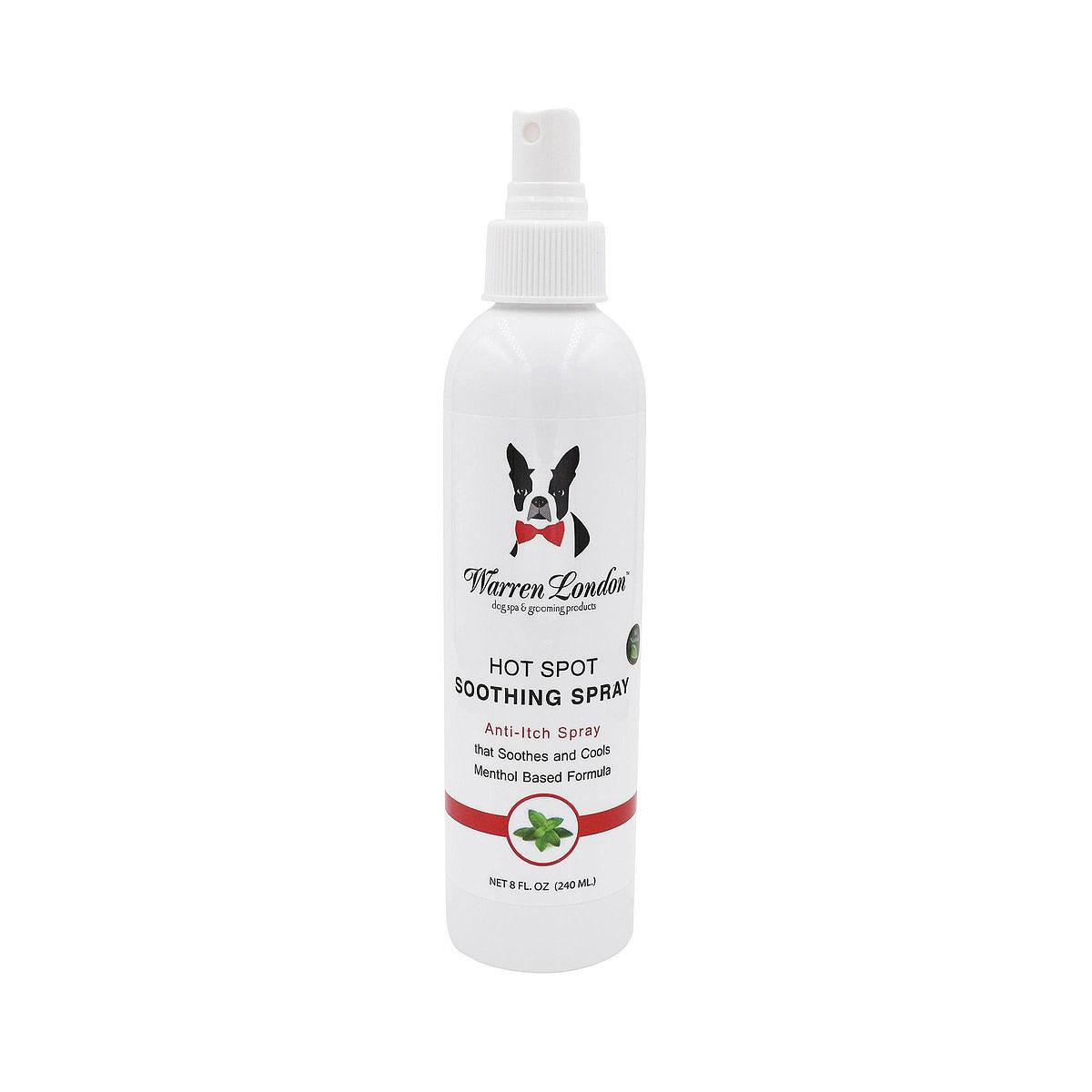

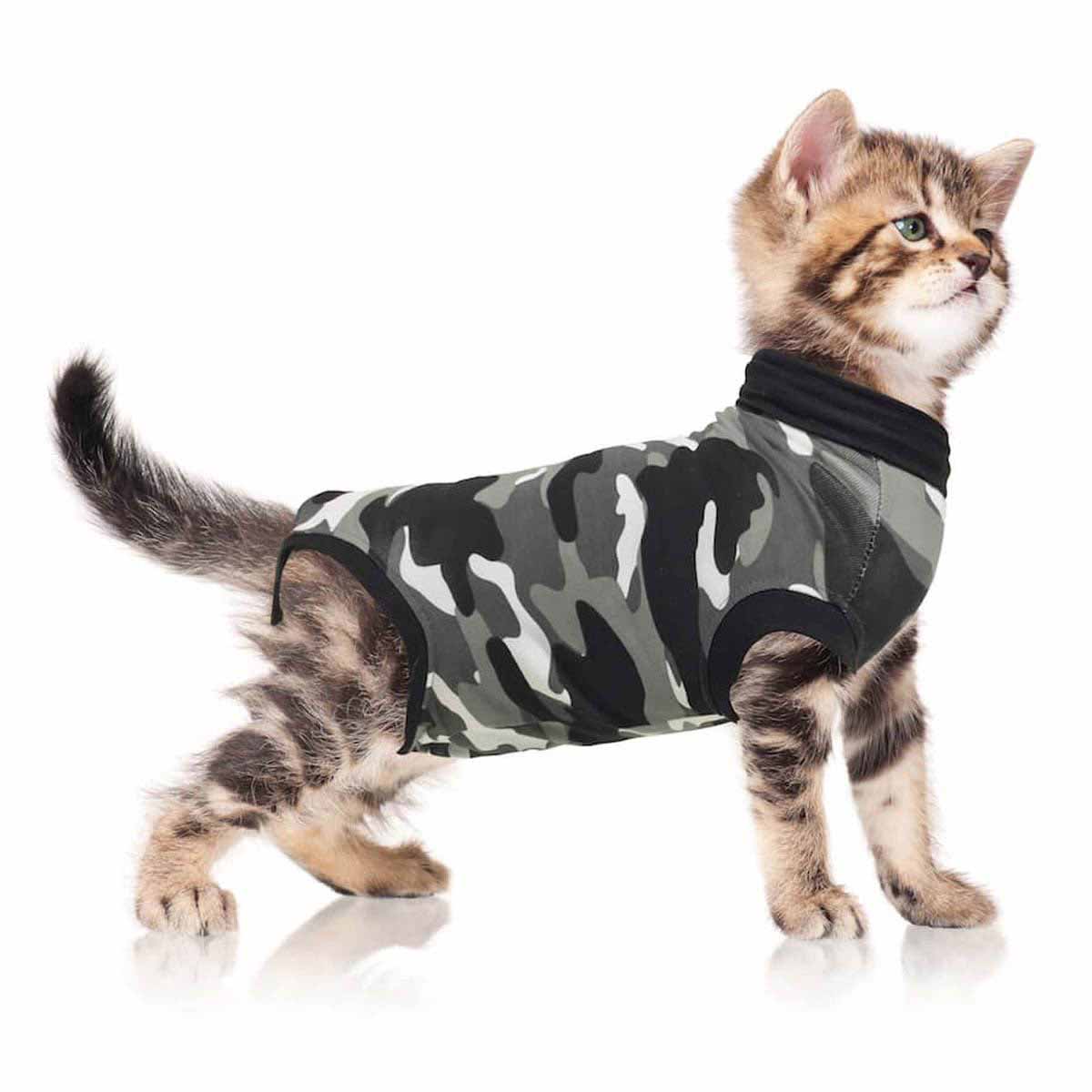


How Coconut Oil Works for Skin Health
Coconut oil is unique because it is rich in medium chain triglycerides or MCTs. These are healthy fats that the body can use efficiently. The most important component is lauric acid. This fatty acid has natural antimicrobial and anti-inflammatory properties.
When applied to the skin, coconut oil acts as a barrier. It helps lock in moisture and prevents the skin from drying out further. It also helps soothe the itching that often comes with dandruff. When cats stop scratching, their skin has a better chance to heal and regenerate.
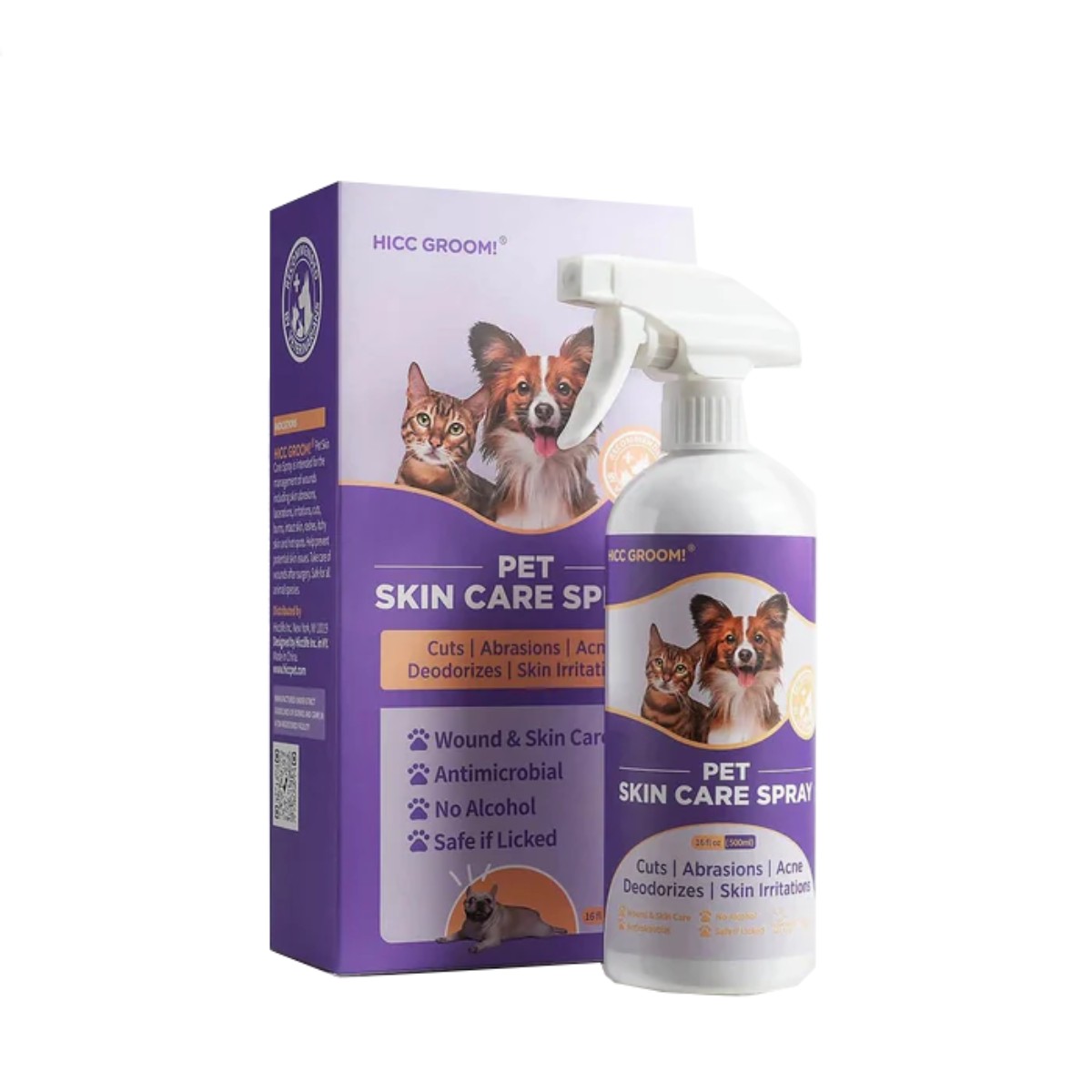
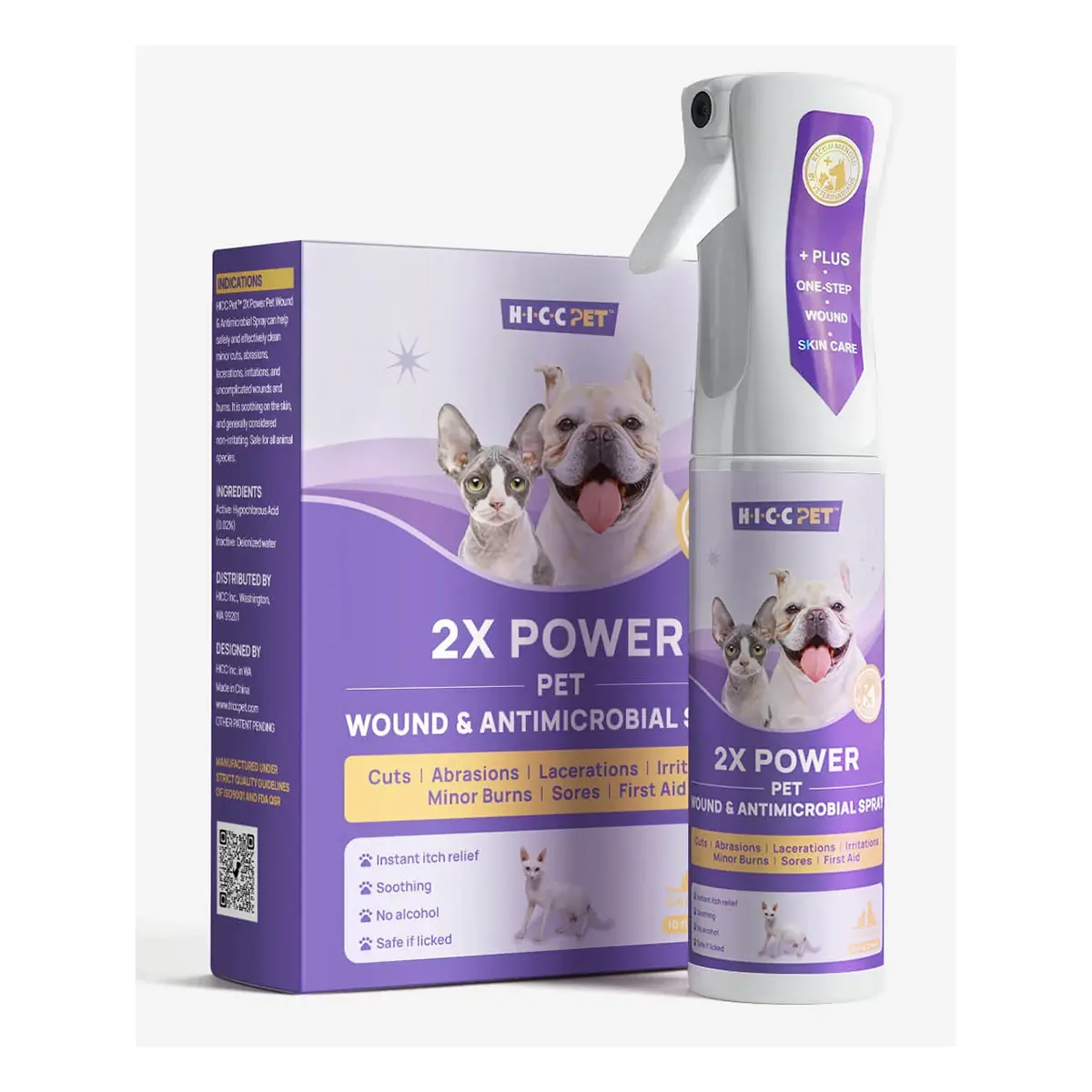
If your cat eats a small amount of coconut oil, it can help from the inside out. The fats support the production of natural skin oils. This can lead to a softer coat and fewer flakes over time. We carry many cat skin and coat care products that use these types of healthy fats to support feline wellness.
Topical Application vs. Oral Supplementation
You can use coconut oil for your cat in two main ways. Each method has its own benefits depending on the severity of the dandruff.
Topical Application
This involves rubbing the oil directly onto the skin. It provides immediate relief for dry, itchy patches. It is a great choice if the dandruff is concentrated in one area, like the base of the tail.
Step 1: Scoop a tiny amount of oil. Use an amount about the size of a pea.
Step 2: Rub it between your palms. Your body heat will melt the oil into a liquid.
Step 3: Gently massage it into the skin. Move the fur aside so the oil actually reaches the skin surface.
Step 4: Distract your cat. Give them a treat or a toy so they do not immediately lick the oil off.
Oral Supplementation
Feeding the oil to your cat supports their overall skin health. This is better for cats with general flakiness across their entire body. Most cats enjoy the taste of coconut oil and will lick it right off a spoon. You can also mix it into their favorite wet food.
Bottom line: Topical use provides fast relief for specific itchy spots, while oral use helps improve long term skin and coat quality.
Choosing the Right Coconut Oil
Not all coconut oil is created equal. If you are going to use it on your cat, quality is the most important factor. You should look for oil that is labeled as "unrefined," "virgin," or "extra virgin."
Refined coconut oil is often processed with heat or chemicals. This can strip away the beneficial lauric acid and MCTs. It may also contain additives that are not safe for cats. Cold-pressed oil is the best choice because it is extracted without high heat. This preserves the nutrients that help soothe your cat's skin.
Always check the ingredient list. The only ingredient should be 100 percent coconut oil. Avoid anything with added scents, flavorings, or preservatives. At our warehouse in Vernon Hills, we prioritize carrying products that use clean, simple ingredients for this very reason.
| Feature | Virgin/Unrefined Oil | Refined Oil |
|---|---|---|
| Processing | Cold-pressed, no chemicals | Heat or chemical extraction |
| Nutrients | High in lauric acid | Lower nutrient profile |
| Scent | Mild coconut aroma | Odorless |
| Safety | Best for pets | May contain additives |
Proper Dosage and Safety Precautions
Coconut oil is very high in fat and calories. Even though the fats are healthy, too much can lead to problems. You must introduce it slowly to your cat's routine.
Starting Small
For most cats, a daily dose of 1/8 teaspoon is a good starting point. Watch your cat closely for a few days. If they have loose stools or seem to have an upset stomach, reduce the amount. You can gradually increase the dose to 1/4 teaspoon for an average sized cat once they are used to it.
The Risk of Weight Gain
Since coconut oil is calorie-dense, it can contribute to weight gain if you are not careful. If your cat is already overweight, you may need to reduce their regular food portions slightly to make room for the oil. Maintaining a healthy weight is vital for overall feline health.
Pancreatitis Concerns
This is a serious condition where the pancreas becomes inflamed. It is often triggered by high-fat meals. If your cat has a history of pancreatitis, do not give them coconut oil without talking to your vet first. Even a small amount of fat can be dangerous for these sensitive cats.
Vet Tip: If your cat's dandruff is accompanied by redness, hair loss, or a foul odor, please consult your veterinarian. These symptoms often require medicated treatments or prescription diets rather than a simple home remedy.
Using Coconut Oil for Other Skin Issues
Beyond simple dandruff, coconut oil can help with several minor skin problems. Its antibacterial properties make it a versatile tool for your pet's first aid kit.
Soothing Cracked Paw Pads
If your cat spends time on rough surfaces or in cold weather, their paw pads can become dry and cracked. A tiny dab of coconut oil can soften the pads and prevent further cracking. It is much safer than human lotions which often contain chemicals that cats should not ingest.
Managing Feline Acne
Some cats develop small black bumps on their chins known as feline acne. This is often caused by bacteria from plastic food bowls. While you should switch to ceramic or stainless steel bowls, coconut oil can help. Dabbing a little on the chin can help reduce the bacteria and soothe the inflammation.
Relief for Minor Scratches
If your cat gets a small scratch during play, coconut oil can act as a natural protective layer. It keeps the area moist and may help it heal faster. However, never apply it to deep wounds or surgical incisions without professional advice.
When Coconut Oil Isn't Enough
Sometimes, dandruff is a symptom of a problem that coconut oil cannot fix. If the flaking persists after a few weeks of treatment, it is time to look deeper.
Allergies are a frequent cause of skin issues. Cats can be allergic to ingredients in their food or environmental triggers like dust mites. In these cases, your vet might recommend a prescription diet. We offer a wide range of these specialized foods through our pet pharmacy. This includes brands like Farmina Vet Life and Royal Canin that are formulated for sensitive skin.
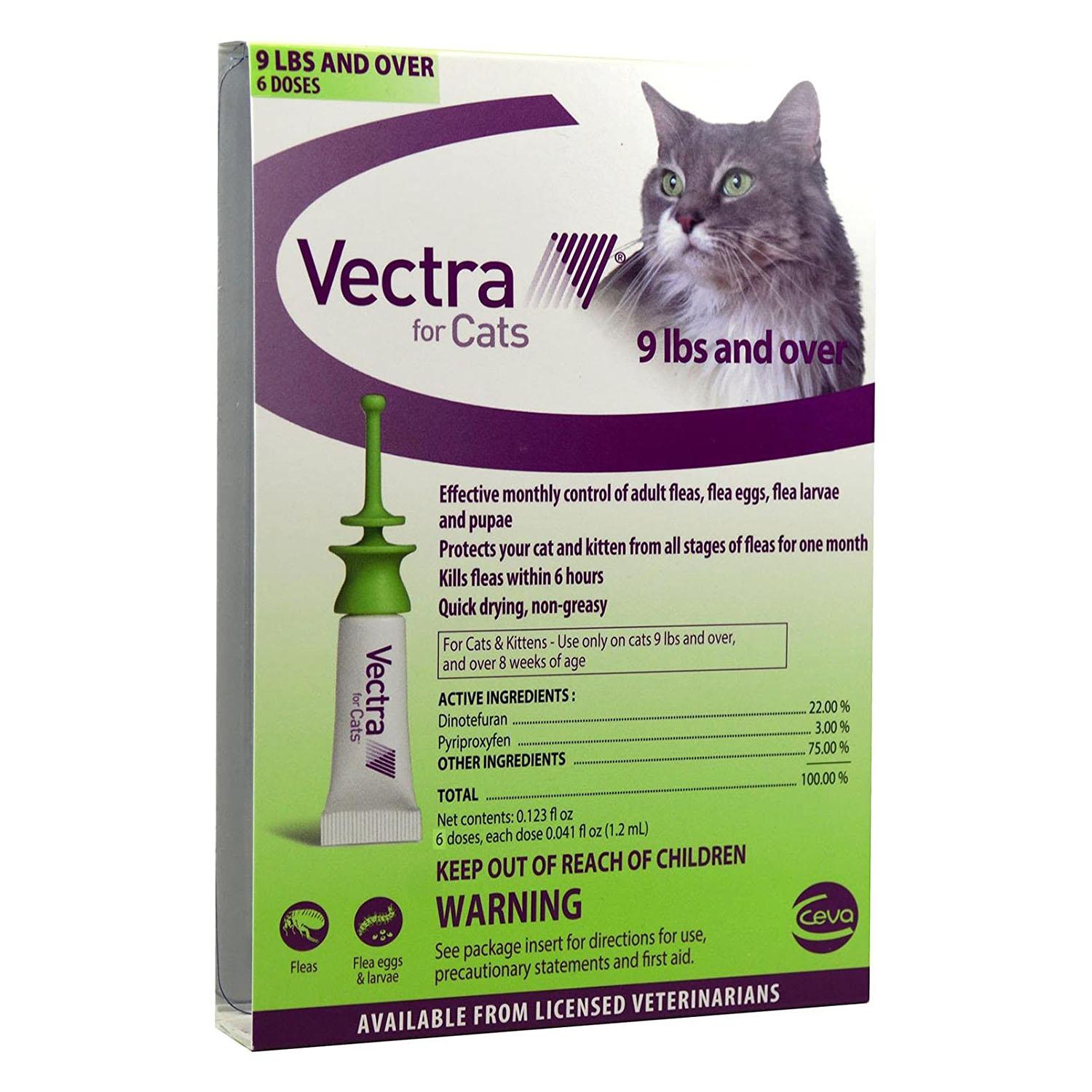
Parasites can also cause dry, flaky skin. Fleas and mites often irritate the skin and lead to excessive scratching. If you suspect pests, you will need a dedicated flea and tick treatment collection. Our pharmacy carries FDA-approved preventives like Frontline and NexGard to help clear up these infestations.
Key Takeaway: Coconut oil is a wonderful supplement for general dryness, but it cannot cure allergies or parasite infections. Always address the root cause of the skin irritation.
Better Grooming Habits to Reduce Flakes
Using coconut oil is only one part of the solution. A good grooming routine will help keep dandruff away for good. Regular brushing is the most effective way to manage skin health.
Brushing removes dead hair and distributes natural skin oils across the coat. This prevents the oils from piling up in one spot and causing flakes. For cats with dandruff, a soft bristle brush or a grooming glove is often best. These tools are gentle on irritated skin. We carry brands like Kong that make excellent grooming tools designed for feline comfort.
Try to groom your cat at least two or three times a week. If they have long hair, daily brushing may be necessary. This routine also helps you spot any new skin issues or lumps before they become serious problems.
Steps for a Successful Grooming Session
Step 1: Choose a quiet time. Wait until your cat is relaxed and sleepy.
Step 2: Start slowly. Brush in the direction of hair growth using very light pressure.
Step 3: Focus on the back and base of the tail. These are the most common areas for dandruff.
Step 4: End with a reward. Use a healthy treat to make the experience positive for your cat.
Alternatives to Coconut Oil
If your cat does not like coconut oil or if you want to try something else, there are other great options for skin health.
Fish oil is one of the best alternatives. It is packed with omega-3 fatty acids like EPA and DHA. These fats are even more potent than the ones found in coconut oil for reducing inflammation. Many owners find that a high-quality fish oil supplement works wonders for stubborn dandruff. Brands like Zesty Paws or Honest Paws offer excellent omega-3 options.
Specific skin and coat treats are another convenient choice. These often combine healthy fats with vitamins like biotin and zinc. They are easy to feed and can be part of your cat's daily routine. Using these products alongside our Autoship programme ensures you never run out of the supplies your cat needs to stay flake-free.
Maintaining a Hydrated Home
Since dry air is a major trigger for dandruff, changing your environment can make a big difference. This is especially true during the winter months.
A humidifier can be a lifesaver for cats with dry skin. By adding moisture back into the air, you prevent your cat's skin from losing its natural hydration. Aim to keep the humidity in your home between 30 and 50 percent.
You should also ensure your cat is drinking enough water. Dehydration shows up on the skin very quickly. If your cat is a picky drinker, try a pet fountain. Many cats prefer running water over a still bowl. Providing plenty of fresh water helps keep their skin supple from the inside out.
Bottom line: A healthy coat requires both internal hydration and a moisture-rich environment. Coconut oil works best when your cat's basic needs are met.
Summary of Best Practices
Using coconut oil for cat dandruff is a simple and affordable approach. To get the best results, remember these core tips:
- Always use organic, unrefined, virgin coconut oil.
- Start with a very small dose to prevent stomach upset.
- Monitor your cat's weight to ensure the extra calories aren't causing weight gain.
- Use topical application for itchy spots and oral doses for overall coat health.
- Combine oil usage with regular brushing and a hydrated environment.
Managing your cat's skin health takes a little bit of patience. You might not see a change overnight, but with consistent care, those white flakes will begin to disappear. Your cat will be much more comfortable, and their coat will return to its natural, soft state.
If your cat's skin issues seem to be part of a larger health problem, we are here to help. Our pharmacy offers access to prescription medications and specialized diets. You can also earn rewards on these purchases through the MVP Rewards programme, making it easier to keep your pet healthy.
FAQ
Can I use the coconut oil from my kitchen on my cat?
Yes, as long as it is unrefined, virgin coconut oil with no added ingredients. Avoid any oils that contain preservatives, scents, or flavorings, as these can be harmful to your cat. Always check the label to ensure it is 100 percent pure coconut oil.
Will coconut oil make my cat's fur greasy?
If you apply too much topically, it can definitely leave the coat looking oily. To avoid this, use only a tiny amount and massage it deeply into the skin rather than just letting it sit on the fur. Most of the greasiness will resolve as the cat grooms themselves, but moderation is the key to keeping them looking clean.
How long does it take for coconut oil to work on dandruff?
You may notice a slight improvement in skin softness within a few days of topical use. For internal use to make a visible difference in the coat, it usually takes two to four weeks of consistent supplementation. If you don't see any change after a month, your cat may have an underlying issue that needs a veterinary exam.
Is coconut oil safe if my cat licks it off their skin?
Yes, pure coconut oil is safe for cats to ingest in small amounts. In fact, most cats will immediately groom themselves after you apply it. This is why it is so important to only use a tiny bit, as ingesting too much at once can lead to loose stools or an upset stomach.






- Site & Contents BaxterBoo.com. BaxterBoo is located in the United States.
- Privacy & Security
- Terms of Use
- Accessibility Statement
