Save 15% on your 1st Autoship learn more

 Email us
 Live Chat
 FAQs
FAQs





Introduction
You wake up to a mess on the rug and a dog with a tucked tail. Diarrhea is one of the most common reasons pet owners reach out to us at BaxterBoo. It is stressful to see your pup uncomfortable and even more stressful to keep cleaning the carpet. Many owners turn to probiotics to help firm things up and restore balance. These beneficial bacteria are powerful tools for digestive health. However, using them correctly is the key to seeing results. In this post, we will cover how probiotics work for diarrhea and why they sometimes cause a temporary upset. We will also explain how to choose the right strains for your dog's specific needs. Understanding the link between gut health and stool quality helps you get your dog back to their happy self faster.
How Probiotics Work for Dog Diarrhea
The digestive tract of a dog is home to billions of microorganisms. This community of bacteria, yeast, and viruses is called the microbiome. When a dog is healthy, the "good" bacteria keep the "bad" bacteria in check. This balance is vital for absorbing nutrients and maintaining a strong immune system. When the balance shifts, diarrhea is often the first sign of trouble.
Probiotics are live, beneficial bacteria that you can add to your dog's diet. When you introduce these cultures, they help crowd out harmful pathogens like Salmonella or E. coli. They also produce short-chain fatty acids. These acids help inhibit the growth of harmful bacteria and provide energy to the cells lining the gut.
The Role of the Microbiome
A dog’s gut handles about 70 percent of their immune system. This makes the microbiome the front line of defense against illness. When your dog eats something they shouldn't or experiences high stress, the gut environment changes. The acidity might shift, allowing harmful bacteria to multiply. Probiotics help reset this environment to its natural, healthy state.
Fighting the Bad Bacteria
Harmful bacteria compete for the same nutrients as beneficial bacteria. By flooding the gut with healthy strains, you leave less "food" for the pathogens. This competition is a natural way to reduce the population of bad bacteria to a level your dog’s body can handle.
Key Takeaway: Probiotics work by restoring the natural balance of the gut microbiome, which helps the immune system fight off harmful pathogens that cause loose stools.
Can Probiotics Make Diarrhea Worse?
It feels counterintuitive to give a supplement for diarrhea only to see the stool get softer. However, this is a relatively common occurrence during the first few days of treatment. We often hear from owners who are worried that the supplement is making their dog sick. Usually, this is just the body adjusting to a new influx of bacteria.
The Adjustment Phase
When you introduce billions of new organisms into a dog’s digestive tract, the internal environment shifts. This transition can cause temporary gas, bloating, or even mild diarrhea. This phase typically lasts between two and five days. If your dog is otherwise acting normal, eating well, and staying hydrated, this is usually not a cause for alarm.
Prebiotic Sensitivity
Many probiotic supplements also contain prebiotics. Prebiotics are types of fiber that feed the good bacteria. While prebiotics are beneficial, a sudden high dose of fiber can cause loose stools in sensitive dogs. If the supplement contains a high amount of inulin or fructo-oligosaccharides, it may cause a bit of wind and softer movements initially.
Quick Answer: Probiotics can cause temporary diarrhea or gas during the first 48 to 72 hours as the gut microbiome adjusts. This is usually mild and should resolve quickly as the beneficial bacteria colonize the digestive tract.
When to Call Your Veterinarian
While mild loose stool during a probiotic transition is often normal, you must know when the situation requires professional help. Diarrhea can quickly lead to dehydration, especially in small breeds, puppies, or senior dogs. Probiotics are a support tool, not a substitute for medical intervention when a dog is truly ill.
If the diarrhea is watery and lasts more than 48 hours, call your vet. You should also look for "red flag" symptoms that suggest a more serious underlying issue.
- Blood in the stool: Look for bright red streaks or black, tarry stools.
- Vomiting: If your dog cannot keep water or food down, they need immediate care.
- Lethargy: A dog that is unusually tired, unresponsive, or hiding is in distress.
- Signs of dehydration: Check if their gums feel tacky or dry rather than slippery and wet.
- Loss of appetite: Refusing more than two meals is a sign of a significant problem.
Vet Tip: Never wait out diarrhea in a puppy or a senior dog. These age groups can become dangerously dehydrated in a matter of hours. Contact your veterinarian immediately if a young or old pet has multiple bouts of watery diarrhea.
Selecting the Right Probiotic Strains
Not all probiotics are the same. Different strains of bacteria perform different jobs in the gut. When you are looking for a product to help with diarrhea, you want to see specific names on the label. A quality supplement will list the exact genus, species, and strain of the bacteria. Browse our dog digestive health category to compare available options.
Enterococcus Faecium
This is one of the most well-researched strains for dogs. It is particularly effective at shortening the duration of acute diarrhea. It is often found in high-quality powders and chews. It helps normalize stool consistency quickly by competing with harmful bacteria for space on the intestinal walls.
Lactobacillus Acidophilus
This strain is excellent for general digestive support. It helps improve stool quality and frequency. It is a hardy bacterium that can survive the acidic environment of the dog's stomach to reach the intestines where it is needed most.
Bifidobacterium Animalis
If your dog has diarrhea caused by stress, this strain is a great choice. It has been shown to help with gut issues related to boarding, moving, or changes in the household. It also supports the immune system during times of physical or emotional strain.
Bottom line: Look for products that list a high number of Colony Forming Units (CFUs) and include well-studied strains like Enterococcus faecium and Lactobacillus acidophilus.
How to Start Your Dog on Probiotics
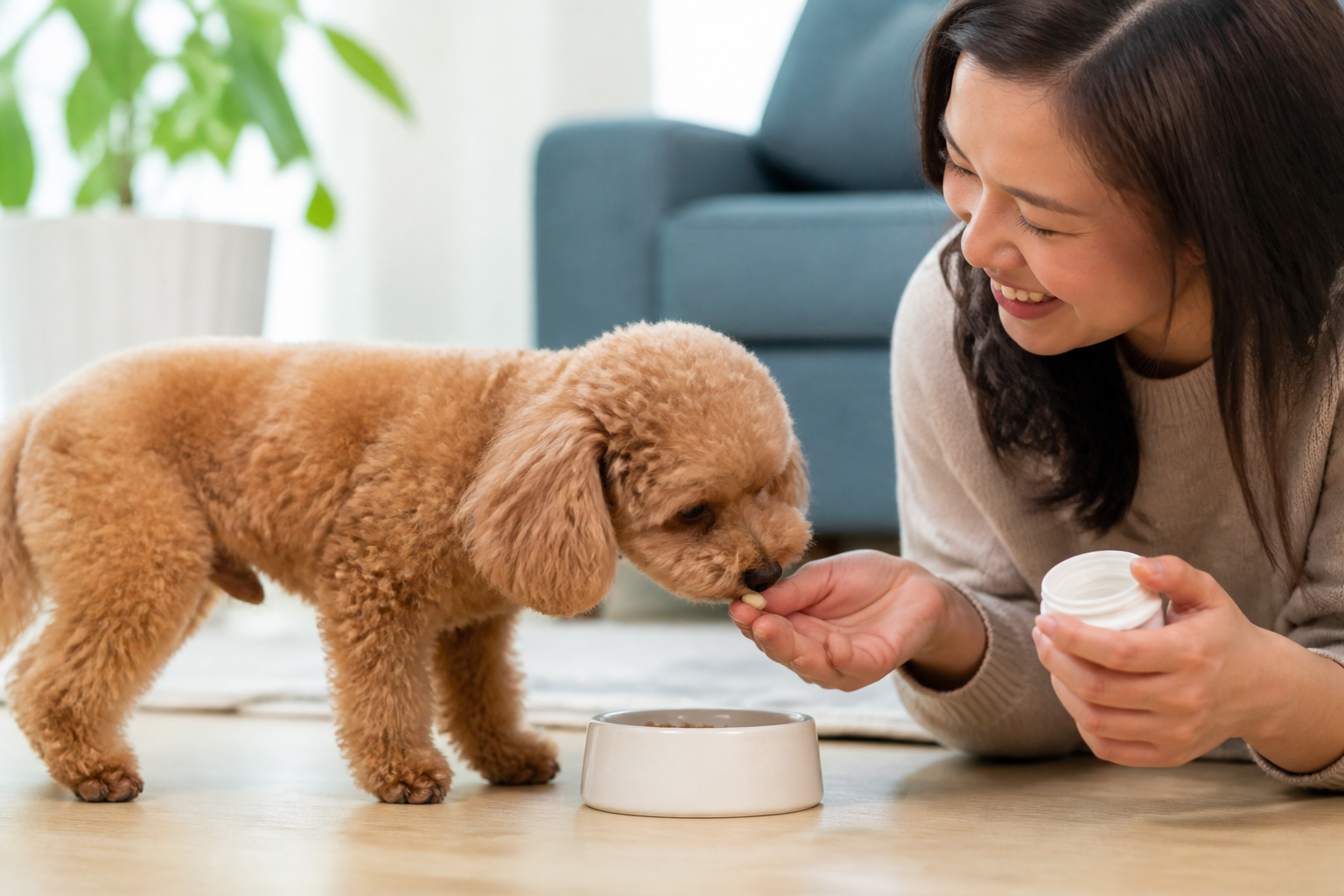
The way you introduce a probiotic can determine how well your dog tolerates it. Jumping straight to a full dose can overwhelm a sensitive stomach. We recommend a gradual approach to give the microbiome time to shift without causing extra mess.
Step 1: Start with a quarter dose. Give this small amount once a day with a meal for three days.
Step 2: Monitor your dog's stool and behavior. Look for any signs of excessive gas or increased urgency.
Step 3: Increase to a half dose. If your dog is doing well, stay at this level for another three days.
Step 4: Move to the full recommended dose. By this point, the gut should be adjusted to the new bacteria.
Step 5: Be consistent. Probiotics work best when given at the same time every day. These bacteria are transient, meaning they move through the system. They need to be replenished daily to keep the gut balanced.
For additional guidance on choosing and introducing supplements, read our pet supplement guide.
The Role of Prescription Diets and the Pharmacy
Sometimes, diarrhea is a symptom of a chronic condition like Inflammatory Bowel Disease or severe food allergies. In these cases, a standard over-the-counter probiotic may not be enough. Your veterinarian might recommend a prescription diet or specific medications to calm the inflammation in the gut.
Our pharmacy at BaxterBoo offers a specialized selection of FDA-approved medications and prescription pet foods. We facilitate these orders through our partnership with Pet's Choice. If your vet determines that your dog needs a therapeutic diet from brands like Royal Canin or Farmina Vet Life, we can help fulfill those needs. These prescription foods often contain optimized fiber levels and specific probiotic strains designed for medical management of GI distress. You can explore our pet pharmacy when your veterinarian recommends prescription support.
Note: Prescription diets and medications require a valid prescription from your veterinarian. Always consult your vet before switching to a therapeutic food for chronic digestive issues.
Quality and Safety in Probiotic Supplements
The pet supplement industry is not as strictly regulated as the medication industry. This means that quality can vary wildly between brands. Some products may not contain the number of live bacteria listed on the label. Others may include filler ingredients that could trigger allergies in sensitive dogs.
When shopping at BaxterBoo, we look for brands that offer transparency. A good manufacturer will provide an expiration date and a guarantee for the number of live organisms at the time of that expiration date. They should also be able to point to studies or trials that show their product is effective.
Avoid products that use "proprietary blends" without listing the actual amount of each strain. You want to know exactly what you are putting into your dog’s body. Check for common allergens like wheat, corn, or artificial colors if your dog has a history of food sensitivities.
- Check for CFU counts: A standard dose is usually between 1 and 10 billion CFUs.
- Look for live cultures: The label should confirm the bacteria are alive and active.
- Verify the source: Choose brands that use third-party testing for purity and potency.
- Storage requirements: Some probiotics require refrigeration, while others are shelf-stable. Make sure you can follow the storage instructions.
For a product with multiple strains and listed CFUs, consider Nutramax Proviable Digestive Health Supplement Kit with Multi-Strain Probiotics and Prebiotics.
Tips for Managing Diarrhea at Home
While the probiotics are doing their work, there are other things you can do to support your dog’s recovery. Keeping your dog comfortable and hydrated is the priority.
First, ensure your dog has constant access to fresh, clean water. Diarrhea pulls moisture out of the body quickly. If your dog isn't drinking much, you can add a little low-sodium chicken broth to their bowl to encourage them.
Second, consider a bland diet for a few days. Boiled, skinless chicken mixed with plain white rice is a classic remedy. This is very easy for the gut to process while it is inflamed. Once the stool starts to firm up, you can gradually mix their regular kibble back in over several days.
Third, keep things calm. Stress can make digestive issues worse. Avoid long hikes, noisy playdates, or unnecessary car rides until your dog’s stomach has settled. A quiet environment helps the body focus its energy on healing.
Key Takeaway: Support probiotic therapy with a bland diet, plenty of hydration, and a low-stress environment to help your dog recover faster.
Conclusion
Dealing with a dog's diarrhea is never fun, but probiotics provide a science-backed way to help. By restoring the balance of the microbiome, you support your dog's natural defenses and help them get back to normal movements. Remember that a short adjustment period of gas or soft stool can happen. Use a gradual introduction to keep your pup comfortable. If you see red flags like blood, vomiting, or extreme lethargy, stop the supplement and call your vet immediately. For those managing chronic issues, our pharmacy can assist with prescription diets and medications through our Pet's Choice partnership. We are here to help you navigate every stage of your pet's health journey.
- Start with a low dose and increase gradually over one week.
- Look for specific strains like Enterococcus faecium for fast results.
- Always provide plenty of fresh water to prevent dehydration.
- Consult your vet for any diarrhea that lasts longer than 48 hours.
Bottom line: Probiotics are a safe and effective way to manage dog diarrhea when used correctly and paired with professional veterinary guidance when needed.
Ready to support your dog's digestive health? Visit our dog probiotic selection to find the right probiotic for your pup. For even more convenience, sign up for our Autoship programme to save on your first order and ensure you never run out of the supplements your dog needs.
FAQ
Can I give my dog human probiotics for diarrhea?
While human probiotics are generally not toxic to dogs, they are not the best choice. Dogs have a different gut microbiome than humans, so the strains they need are different. Species-specific supplements are formulated to survive the canine digestive tract and provide the correct number of CFUs for a dog’s size.
How long does it take for probiotics to stop dog diarrhea?
You may see an improvement in stool consistency within 24 to 48 hours, but it often takes longer for the gut to fully stabilize. Most experts recommend continuing the probiotic for at least four weeks to ensure the beneficial bacteria have firmly established themselves. If you are using them for a specific event like boarding, start them a few days before the event begins.
Do probiotics have any side effects for dogs?
The most common side effects are mild digestive upset, gas, and bloating during the first few days of use. These are usually a sign that the microbiome is changing and are not a reason to stop the supplement unless they become severe. In very rare cases, a dog may have an allergic reaction to an inactive ingredient in the chew or powder.
Can puppies take probiotics for diarrhea?
Yes, probiotics are safe for puppies and can be very helpful during the weaning process or when they are transitioning to a new home. Because puppies have developing immune systems, they are more prone to bouts of diarrhea from stress or new foods. Always check with your vet for the correct dosing, as puppies need smaller amounts than adult dogs.