Save 15% on your 1st Autoship learn more

 Email us
 Live Chat
 FAQs
FAQs






Introduction
It is late at night and the sound of thumping paws and rhythmic licking fills the room. Your dog is scratching again. You have checked for fleas and changed their shampoo, but the red, irritated skin persists. This cycle of itching and scratching is one of the most common reasons pet owners seek help. At BaxterBoo, we have helped thousands of owners since 2006 find practical solutions for these exact moments. While many people look at topical treatments first, the real solution often starts from the inside. This post covers how probiotics support the immune system to reduce skin irritation and why gut health is the secret to a calmer coat. Understanding the link between digestion and the skin is the first step toward helping your dog feel comfortable again.
Quick Answer: Probiotics help with dog itching by balancing the gut microbiome and regulating the immune system. This reduces the overactive inflammatory responses that lead to allergic skin reactions and constant scratching.
Why Do Dogs Get So Itchy?
Itching is rarely just a surface problem. While external triggers like pollen or dust are often the culprits, the way your dog's body reacts to those triggers is what causes the misery. Canine atopic dermatitis is a chronic inflammatory skin disease. It often stems from an overactive immune system that sees harmless environmental factors as major threats.
When a dog has a flare-up, their skin barrier weakens. This allows allergens to penetrate more deeply. This leads to redness, hot spots, and secondary infections. Common triggers include:
- Seasonal pollens and grasses
- Dust mites inside the home
- Specific proteins in their diet
- Mold spores in damp environments
Many owners try to fix this by only treating the skin. They use medicated shampoos or ointments. These are helpful for immediate relief, but they do not address the root cause of why the immune system is overreacting. This is where the internal environment becomes critical for long-term health.
The Secret Connection Between the Gut and Skin
Scientists often refer to the gut-skin axis. This is a complex communication network between the digestive tract and the skin. Roughly 70 percent of a dog’s immune system lives in the gastrointestinal tract. If the bacteria in the gut are out of balance, the immune system can become hyper-sensitive.
When a dog’s gut flora is healthy, it acts as a gatekeeper. It helps the body distinguish between actual pathogens and harmless environmental particles. If the "bad" bacteria outweigh the "good" bacteria, the gut becomes leaky. This allows inflammatory markers to travel through the bloodstream and manifest as itchy, red skin.
Probiotics are live, beneficial microorganisms. When you introduce them into your dog’s diet, they work to crowd out harmful bacteria. This helps restore the integrity of the gut lining. A stronger gut lining means fewer inflammatory signals are sent to the skin. This transition from a reactive state to a balanced state is why many owners see a reduction in scratching after starting a probiotic regimen.
For additional reading, explore our guide to sensitive skin dog food and digestive health.
Understanding Probiotic Strains for Skin Health
Not all probiotics are created equal. Different strains of bacteria serve different purposes in the body. If you are specifically looking to help an itchy dog, you want strains that focus on immune modulation and inflammation.
Lactobacillus Strains
Lactobacillus acidophilus and Lactobacillus rhamnosus are two of the most researched strains for canine skin health. These bacteria help maintain a healthy acidic environment in the gut. This prevents the growth of yeast, which is a common secondary cause of itching and ear infections in dogs.
Bifidobacterium Strains
Bifidobacterium animalis and Bifidobacterium bifidum are excellent for overall immune support. They help regulate the production of certain antibodies that are responsible for allergic reactions. By keeping these antibodies in check, the dog's body is less likely to break out in hives or hot spots when they encounter a trigger.
Enterococcus Faecium
This strain is often included in high-quality supplements because it is hardy. It survives the journey through the stomach acid to reach the intestines. It is particularly effective at supporting the gut during times of stress or after a round of antibiotics.
Key Takeaway: Look for a multi-strain probiotic that includes both Lactobacillus and Bifidobacterium for the best results in managing skin allergies.
The Triple-Biotic Approach: Pre, Pro, and Post
While probiotics get most of the attention, they work best as part of a team. To truly transform your dog's skin health, you should understand the role of prebiotics and postbiotics.
Prebiotics are types of fiber that act as food for the probiotics. Without prebiotics, the beneficial bacteria might not survive long enough to make a difference. Ingredients like chicory root or flaxseed are common prebiotic sources.
Postbiotics are the beneficial byproducts left behind after the probiotics digest the prebiotics. These compounds, such as short-chain fatty acids, provide direct nourishment to the cells of the gut lining. They are the actual "tools" the body uses to lower inflammation.
At BaxterBoo, we carry several brands that use this triple-biotic approach. Brands like Zesty Paws and Honest Paws often formulate their soft chews to include these supporting ingredients. This ensures the probiotics actually stay active and effective once they enter your dog's system. Browse our dog probiotic selection to compare available formats and formulas.
Choosing the Best Form for Your Dog
You can find probiotics in several formats, including soft chews, powders, and even fortified foods. Each has its own benefits depending on your dog's lifestyle and pickiness.
Soft Chews
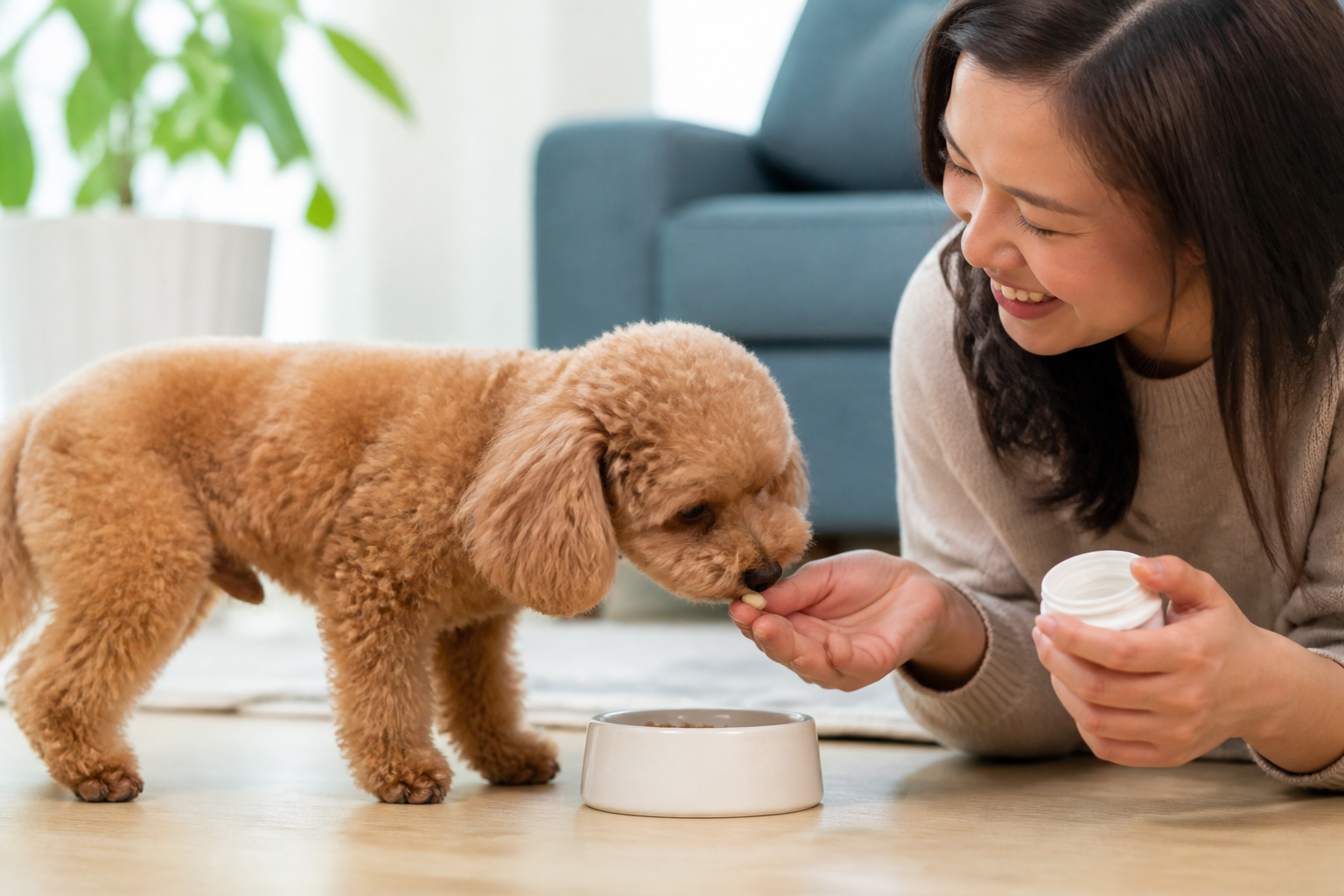
These are the most popular option because they feel like a treat. Many brands we stock, such as Pet Honesty or Glandex, flavor their chews with salmon or chicken. This makes it easy to give them daily without a struggle. Soft chews are also convenient for travel and precise dosing.
Powders
Powdered probiotics are often more concentrated than chews. You can easily mix them into wet food or sprinkle them over dry kibble. This is often the best choice for dogs with severe food sensitivities because powders usually have fewer binding agents and fillers.
Fortified Dog Food
Some premium brands like NutriSource or Farmina include probiotics directly in their kibble recipes. These are usually applied after the cooking process to ensure the bacteria remain alive. This is a great way to provide a baseline of gut support, though dogs with active itching may still need a more concentrated supplement.
Liquid Probiotics
Liquid versions are shelf-stable and can be added to water or food. They are absorbed quickly but can sometimes be more expensive per serving.
Vet Tip: Always introduce new supplements slowly. Start with a half dose for the first week to let your dog's digestive system adjust and prevent temporary gas or loose stools.
When to Use the BaxterBoo Pharmacy
Probiotics are excellent for long-term wellness and managing mild to moderate itching. However, some dogs suffer from severe atopic dermatitis or deep-seated skin infections that require medical intervention. If your dog is losing hair, has open sores, or is in visible pain, you must consult your veterinarian.
Through our pharmacy, you can access FDA-approved medications that work alongside supplements. Your vet might prescribe a medicated diet, such as Farmina Vet Life or Royal Canin Veterinary Diet, to eliminate food triggers while the probiotics heal the gut.
We also carry prescription allergy medications and flea preventatives like NexGard and Frontline. Flea allergy dermatitis is a major cause of itching. Even one bite can cause a massive reaction. Combining a strong flea preventative from our dog healthcare category with a daily probiotic provides a dual layer of protection for your pet.
How to Introduce Probiotics Safely
If you are ready to start your dog on a probiotic for itching, follow these steps to ensure a smooth transition.
Step 1: Consult your veterinarian. / Ensure there are no underlying infections that need immediate medication first.
Step 2: Choose a high-quality supplement. / Look for brands that list the specific strains and the number of CFUs (Colony Forming Units) on the label.
Step 3: Start with a small amount. / Give a partial dose for the first few days to monitor for any stomach upset.
Step 4: Be consistent. / Probiotics need time to colonize the gut. You will likely see the most significant changes in skin health after 4 to 6 weeks of daily use.
Step 5: Monitor the skin. / Keep a log of your dog's scratching levels and any changes in redness or coat shine.
Supporting the Coat from the Outside
While the probiotics work on the inside, you can help your dog feel better immediately with proper grooming. Bathing an itchy dog helps remove the pollens and allergens that get trapped in their fur.
Look for shampoos with soothing ingredients like oatmeal or aloe vera. We carry our dog grooming supplies that are gentle on sensitive skin. Avoid using human shampoos, as the pH level of a dog's skin is different from ours. Using the wrong product can strip the natural oils and make the itching worse.
Brushing is also vital. It distributes natural oils across the skin and removes dead hair that can trap heat and moisture. A regular grooming routine combined with a daily probiotic creates a comprehensive approach to skin health.
The Role of Diet in Itch Management
You cannot out-supplement a poor diet. If your dog is eating food with low-quality fillers or proteins they are sensitive to, the probiotics will have to work twice as hard. Many dogs with chronic itching benefit from a limited-ingredient diet or a high-protein formula from brands like Orijen or Acana.
Fresh or freeze-dried foods, such as Stella and Chewy's or The Honest Kitchen, are also excellent choices. These foods are less processed, which means the natural nutrients are more bioavailable. When the body spends less energy trying to digest heavy fillers, it can focus more on healing the skin.
Browse our dog food selection when comparing limited-ingredient, high-protein, and probiotic-fortified options.
Bottom line: A holistic approach involving high-quality food, targeted probiotics, and regular grooming is the most effective way to manage chronic canine itching.
Managing Itching as Your Dog Ages
Senior dogs often experience more skin issues as their immune systems naturally slow down. They may also be on other medications for joint support, such as Cosequin. Probiotics are safe to use with most joint supplements and can actually help senior dogs absorb those nutrients more effectively.
Senior pets may also have more sensitive stomachs. A gentle probiotic can help them maintain a healthy weight and consistent digestion. If you notice your older dog is scratching more, it could be a sign of a weakening skin barrier. Adding a probiotic along with an Omega-3 supplement can help restore that barrier and keep their coat looking youthful.
Our MVP Rewards program is a great way for owners of senior dogs to save on these monthly essentials. Since skin health requires consistent care, earning points on every order of supplements and food helps keep the cost manageable over time. See how the MVP Rewards programme works before your next order.
For more nutrition guidance, read how to choose the right dog food for senior pets.
Common Myths About Dog Probiotics
There is a lot of information online about probiotics, and not all of it is accurate. One common myth is that you can just give your dog human yogurt. While some plain yogurt is safe in small amounts, it often does not contain enough CFUs to make a clinical difference in a dog's skin health. Many yogurts also contain sugars or artificial sweeteners like xylitol, which is highly toxic to dogs.
Another myth is that probiotics work instantly. While you might notice better digestion within a few days, skin changes take longer. Skin cells take time to regenerate. You need to give the gut microbiome time to stabilize before the outward signs of inflammation start to fade.
Finally, some believe that all probiotics are the same. As we discussed earlier, the specific strains matter. A probiotic designed for diarrhea might not have the same effect on skin allergies as one formulated specifically for immune support. Always read the label to ensure the product matches your dog's specific needs.
Building a Long-Term Wellness Plan
Helping an itchy dog is a journey, not a quick fix. It requires patience and a willingness to look at your dog's health as a whole system. By focusing on the gut, you are supporting their immune system, their mood, and their skin.
We are proud to offer over 500 trusted brands at our Vernon Hills warehouse and online. Whether you need a prescription diet from our pharmacy or a bag of probiotic treats, our goal is to provide the expert guidance you need to make the right choice. Managing itching is about more than just stopping the scratching. It is about giving your dog the comfort they need to enjoy their life to the fullest.
Key Takeaway: Consistency is the most important factor in probiotic success. Set a daily schedule to ensure your dog never misses a dose.
Summary of Itch Support Steps
- Identify environmental triggers in the home.
- Select a probiotic with Lactobacillus and Bifidobacterium strains.
- Incorporate prebiotics to feed the beneficial bacteria.
- Bathe regularly with gentle, dog-specific shampoos.
- Consult a vet for persistent or severe symptoms.
- Consider a limited-ingredient diet to reduce food-based inflammation.
- Use the BaxterBoo pharmacy for prescription needs and flea prevention.
- Sign up for our Autoship programme to ensure you never run out of supplements.
Bottom line: Healing the gut is a proven, natural way to reduce the systemic inflammation that causes dogs to itch and scratch.
FAQ
Can I give my dog probiotics every day?
Yes, daily supplementation is actually recommended for the best results. Probiotics need to be consistently present in the digestive tract to effectively compete with harmful bacteria and regulate the immune system. Most owners find that giving the supplement at the same time each morning helps build a reliable routine.
How long does it take for probiotics to stop my dog from itching?
While every dog is different, most owners see an improvement in skin redness and scratching within four to six weeks. Digestion usually improves much faster, often within the first week. Skin takes longer to show results because it takes time for the internal inflammation to subside and for new, healthy skin cells to grow.
Are there any side effects to giving my dog probiotics?
Some dogs may experience temporary gas, bloating, or slightly loose stools when they first start a probiotic. This is usually a sign that the microbiome is shifting. These symptoms typically resolve within a few days. If they persist or seem severe, you should reduce the dosage or consult your veterinarian.
Can probiotics help with food allergies?
Probiotics can help manage the symptoms of food sensitivities by strengthening the gut lining and reducing the body's inflammatory response. However, they are not a cure for a true food allergy. If your dog is allergic to a specific protein like chicken or beef, you will still need to remove that ingredient from their diet while using probiotics to heal the damage caused by the previous reactions.
Conclusion
Managing a dog with chronic itching is a challenge that requires a multi-layered approach. By focusing on gut health with high-quality probiotics, you can address the internal inflammation that drives the urge to scratch. Whether you visit us at our Vernon Hills warehouse or order online for home delivery, we are here to support your journey. From premium foods like Stella and Chewy's to targeted supplements and FDA-approved medications through our pharmacy, you have the tools to help your pet find relief. Start with a slow introduction of a quality probiotic and watch as your dog transitions from a state of constant irritation to one of calm, healthy comfort.
Key Takeaway: A healthy gut is the foundation of a healthy coat. Combining probiotics with proper nutrition and veterinary care offers the best path to long-term itch relief.
For the most convenient way to stay consistent with your pet's health, consider our Autoship programme. You will save on your first order and receive free MVP Gold membership, ensuring your dog's skin-supporting supplements always arrive right when you need them.