Save 15% on your 1st Autoship learn more

 Email us
 Live Chat
 FAQs
FAQs





Introduction
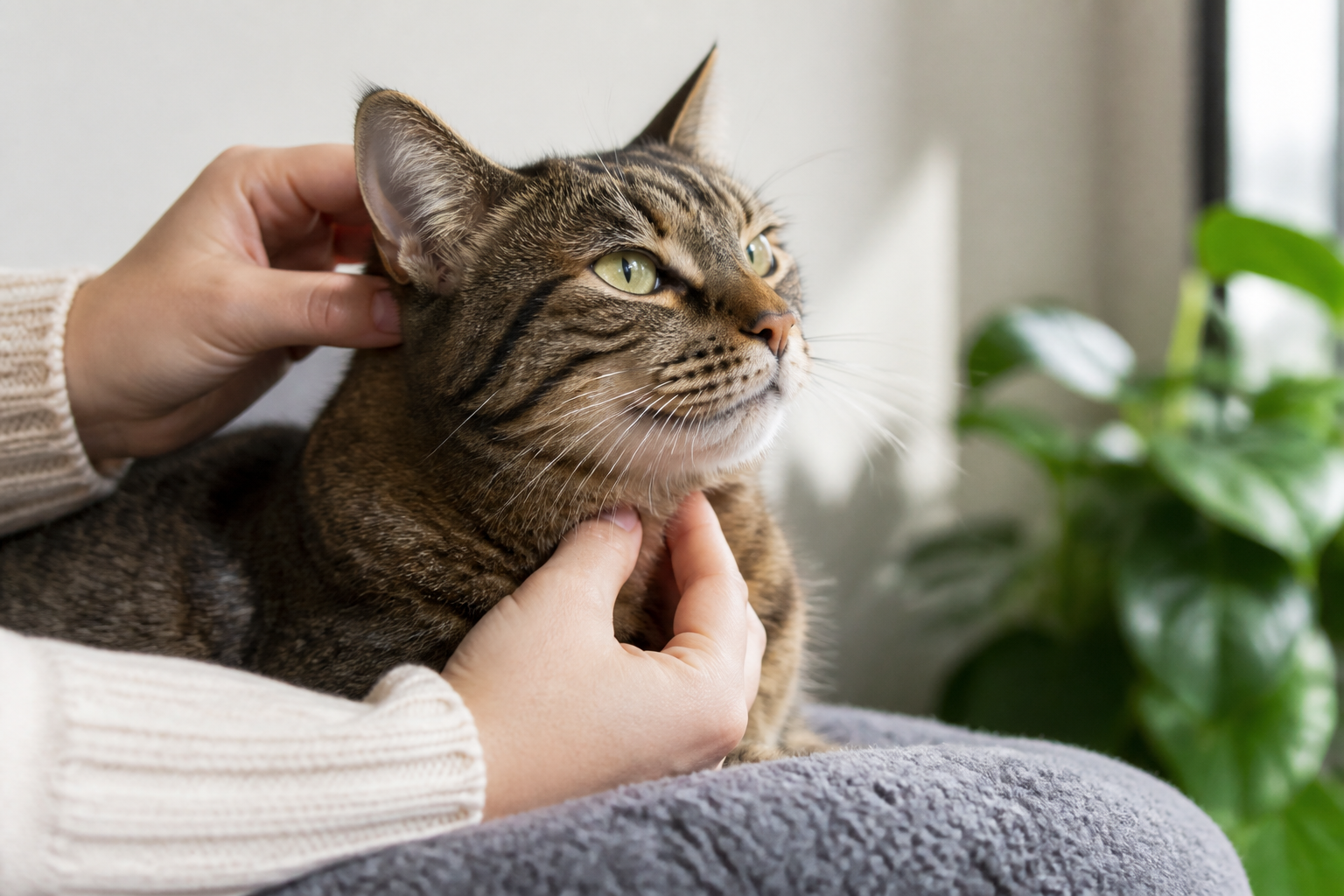
You are sitting on the sofa petting your cat when you notice small white specks on their fur. It looks like someone sprinkled salt across their back. You try to brush the flakes away, but they seem stuck to the hair or reappear quickly. At BaxterBoo, we talk to cat owners every day who are worried about these little white spots. While a few flakes might not be a major crisis, they often signal that something in your cat's environment or body needs attention.
This article explores why cats get dandruff and how you can tell if it is a minor issue or a serious health concern. We will look at environmental causes, grooming habits, and underlying medical conditions. Our goal is to provide practical steps to help your cat feel comfortable and keep their coat looking its best. Understanding the root cause is the first step toward a flake-free feline.
What Exactly Is Cat Dandruff?
Cat dandruff occurs when the skin's sebaceous glands produce too much oil or when skin cells turn over too quickly. These dead skin cells clump together and form the visible white flakes you see on the fur. In the veterinary world, this is often called seborrhea. It can make the skin feel very dry or unusually oily.
It is important to distinguish between dandruff and dander. Every cat has dander. Dander consists of microscopic skin cells that shed naturally. You cannot usually see dander with the naked eye. It is the material that often triggers allergies in humans. Dandruff is much larger and clearly visible. If you can see the flakes, you are looking at dandruff.
Quick Answer: A small amount of dandruff is often harmless and caused by dry air or minor grooming lapses. However, excessive dandruff can signal parasites, allergies, or internal health issues like diabetes or kidney disease. If the flakes are accompanied by itching, hair loss, or lethargy, a vet visit is necessary.
Is All Cat Dandruff Bad?
The short answer is that a little bit of dandruff is not always an emergency. Just like humans, cats can have dry skin. This is especially common in the winter when the heater is running and the air inside your home is very dry. If your cat is acting normally, eating well, and grooming themselves, a few flakes might just be a cosmetic issue.
However, dandruff is often a symptom rather than a disease itself. It is the way your cat’s body tells you that the skin is not staying hydrated or healthy. If you see a sudden increase in flakes, it is time to investigate. You should look for other changes in their behavior or appearance.
Common Causes of Feline Dandruff
There are many reasons why a cat might start flaking. Some are easy to fix at home, while others require professional help. We see these common culprits frequently in our warehouse store and through our online customer inquiries.
Environmental Factors and Dry Air
Low humidity is one of the most common causes of dry, flaky skin. This is a major issue in colder climates during the winter months. Forced-air heating systems strip moisture from the air. This dries out your cat's skin, leading to irritation and flakes. You might notice the dandruff is worse on their lower back or near the base of the tail.
Grooming Challenges
Cats are famous for being meticulous groomers. They usually lick away loose hair and dead skin cells before you ever see them. If a cat stops grooming, dandruff builds up quickly. This often happens for two main reasons:
- Obesity: If a cat is carrying too much weight, they literally cannot reach certain parts of their body. Flakes usually accumulate on the middle of the back and the base of the tail because the cat cannot bend far enough to clean those spots.
- Arthritis: Senior cats often suffer from joint pain. Moving into the positions required for grooming can be painful. If your older cat has a "staring" coat or lots of flakes, they might be struggling with mobility.
If excess weight may be affecting your cat’s grooming routine, our guide to helping an indoor cat lose weight offers a related topic to discuss with your veterinarian.
Nutritional Deficiencies
Healthy skin requires specific nutrients to stay supple. If a cat’s diet is low in essential fatty acids, their skin is the first place you will see the impact. Omega-3 and Omega-6 fatty acids are vital for maintaining the skin's moisture barrier. We carry many premium brands like Tiki Cat, Fussie Cat, and Stella and Chewy’s that focus on high-quality proteins and healthy fats to support skin health.
Explore our cat food category when reviewing your cat’s current diet.
Parasites and Mites
External parasites are a common cause of skin irritation. Fleas are the most obvious culprit, but there is also a specific mite called Cheyletiella. This condition is often called "walking dandruff." The mites are white and can look like moving flakes of skin. This is highly contagious and requires specific treatment from a veterinarian.
For additional information about parasite prevention, read our guide to flea and tick prevention products.
Vet Tip: If you see dandruff that appears to move or if your cat is scratching intensely, consult your veterinarian immediately. They can perform a skin scraping to check for mites or fleas. Our pharmacy offers FDA-approved flea and tick preventives through our partnership with Pet's Choice to help clear up these infestations.
Identifying Symptoms That Require a Vet Visit
While a few flakes might be okay, you should watch for "red flag" symptoms. These indicate that the dandruff is a sign of a bigger problem.
- Excessive Itching: If your cat is constantly scratching, biting, or over-grooming one area, the skin is likely inflamed.
- Hair Loss: Known as alopecia, hair loss alongside dandruff often points to a fungal infection like ringworm or a severe allergy.
- Red or Scabby Skin: Healthy skin should be pale and smooth. Redness or sores suggest an infection that needs medication.
- Changes in Thirst or Urination: Internal diseases like diabetes or hyperthyroidism can affect the skin and coat. If your cat is drinking much more water than usual, get them checked out.
- Greasy Fur: If the coat feels oily or clumped, the skin glands are overproducing sebum.
For products intended to support common feline wellness needs, browse our cat healthcare category.
Key Takeaway: Dandruff is usually a symptom of an underlying issue such as poor nutrition, environmental stress, or a medical condition. Always look at the "big picture" of your cat's health rather than focusing only on the flakes.
How to Manage Cat Dandruff at Home
If your vet has ruled out serious illness, there are several things you can do to improve your cat's skin health. Most of these steps are simple and involve improving the cat's daily routine.
Improve Your Grooming Routine
If your cat cannot groom themselves properly, you need to step in. Regular brushing helps in several ways. It removes dead hair and loose skin flakes. It also stimulates the skin to produce natural oils and helps distribute those oils across the coat.
- Use a soft-bristled brush for short-haired cats.
- Use a metal comb or slicker brush for long-haired cats to prevent mats.
- Focus on the areas your cat cannot reach, like the lower back.
You can find brushes, combs, wipes, and other supplies in our cat grooming collection.
Adjust the Humidity
Adding moisture to your home can make a big difference for both you and your pet. A simple room humidifier in the area where your cat sleeps can help keep their skin from drying out. This is a very effective solution for cats who only experience dandruff during the winter.
Evaluate the Diet
Check the label of your cat's food. Ensure it meets the nutritional standards for their life stage. Some cats benefit from switching to a diet with higher levels of fish-based proteins, which are naturally rich in oils. Brands like Farmina and Ziwi Peak offer excellent options for coat support.
Consider Supplements
If a diet change is not enough, supplements can provide a boost. Fish oil or krill oil supplements are popular choices. These are easy to add to wet food and help rebuild the skin's natural barrier. We carry brands like Zesty Paws and Honest Paws that offer high-quality skin and coat support.
For options focused on feline skin and coat care, visit our skin and coat health selection.
The Role of the BaxterBoo Pharmacy
Sometimes, home remedies are not enough. If your cat has a skin infection, a parasitic infestation, or a chronic health condition, they may need prescription medication. Through our partnership with Pet's Choice, we provide access to a full pharmacy. This includes FDA-approved medications and prescription pet foods.
If your vet diagnoses a condition like hyperthyroidism or diabetes, managing those diseases is the only way to clear up the dandruff. We carry prescription diets like Farmina Vet Life and Royal Canin that are formulated for these specific health needs. Having a pharmacy integrated with our warehouse model makes it easier for you to get everything in one place.
Learn more about our cat pharmacy when your veterinarian recommends prescription treatment.
Bottom line: Medical causes for dandruff require professional diagnosis and often involve prescription treatments to fully resolve the skin issues.
Bathing Your Cat: Is It Necessary?
Most cats do not need regular baths. In fact, bathing a cat too often can strip away natural oils and make dandruff worse. However, if your cat is very greasy or has a fungal infection, a medicated bath might be required.
Always use a shampoo specifically formulated for cats. Human shampoos have a different pH balance and can be very irritating to feline skin. If your cat is stressed by water, you can try waterless shampoo foams or grooming wipes. These can help remove surface flakes without the trauma of a full bath.
Steps for a Flake-Free Cat
If you are ready to tackle those white flakes, follow these steps to get started:
Step 1: Inspect the skin. / Look for redness, sores, or moving specks. Check for fleas using a fine-toothed comb.
Step 2: Increase grooming sessions. / Brush your cat for five to ten minutes every day. This moves oils around and removes loose debris.
Step 3: Check your home environment. / If the air feels dry, set up a humidifier. Make sure your cat has plenty of fresh water to stay hydrated.
Step 4: Consult your veterinarian. / If the dandruff persists or if your cat seems uncomfortable, get a professional opinion. Ask about potential allergies or systemic issues.
Step 5: Review their nutrition. / Ensure they are eating a high-quality diet. Consider adding a skin and coat supplement if your vet approves.
Conclusion
Cat dandruff is usually a sign that your cat needs a little extra care. Whether it is a simple fix like more frequent brushing or a more complex medical issue, staying observant is key. We have been helping pet owners since 2006, and we know that a healthy coat starts with good nutrition and a safe environment.
By addressing the root cause of the flakes, you can help your cat return to their sleek, shiny self. For most cats, a combination of better food, regular grooming, and a humid environment will do the trick. If things do not improve, remember that our pharmacy is here to support your vet's treatment plan.
Key Takeaway: Most cat dandruff is manageable with better grooming and nutrition, but never ignore excessive flaking accompanied by behavioral changes.
Your next step should be to check your cat’s current grooming tools and food quality. If you find they need a boost in nutrition or a better brush, browse our cat grooming and food categories to find the right fit for your home.
FAQ
Why does my cat have dandruff on her lower back?
The lower back and the base of the tail are the hardest spots for a cat to reach during grooming. If a cat is slightly overweight or has stiff joints from arthritis, they may skip these areas entirely. Dead skin cells and loose fur build up there, creating visible dandruff. Regular brushing in these specific spots can help clear the flakes.
Can I use human dandruff shampoo on my cat?
No, you should never use human dandruff shampoo on a cat. Human skin has a different pH level than cat skin, and the active ingredients in human shampoos can be toxic if your cat licks their fur. Always use a shampoo specifically designed for felines or a product recommended by your veterinarian.
Is cat dandruff contagious to humans?
Regular dandruff caused by dry skin or poor grooming is not contagious. However, if the "dandruff" is actually caused by Cheyletiella mites (walking dandruff) or a fungal infection like ringworm, it can spread to humans and other pets. If you notice skin irritation on yourself or other family members, see a doctor and take your cat to the vet.
How long does it take for cat dandruff to go away?
The timeline depends on the cause. If the dandruff is due to dry air, a humidifier might show results in a week or two. If it is caused by a nutritional deficiency, it can take four to six weeks for a new diet or supplement to change the skin's health. For parasitic infections, the flakes usually clear up shortly after the mites or fleas are eliminated.