
 Save 15% on your 1st Autoship learn more

 Email us
 Live Chat
 FAQs





Introduction
You are petting your cat after a long day when you notice a dusting of white flakes along their lower back and tail. It looks just like human dandruff. While a few flakes might not seem like a major problem, they often signal that your cat's skin barrier is struggling. At BaxterBoo, we talk to cat owners every day who are looking for practical ways to restore that glossy, soft coat their pets used to have. Fish oil is one of the most effective tools for managing feline skin health from the inside out. This article covers why cats get dandruff, how Omega-3 fatty acids work to fix it, and the best ways to choose a supplement for your feline friend. Understanding the relationship between nutrition and skin health can help you turn a flaky coat back into a healthy one.
Quick Answer: Fish oil helps cat dandruff by providing essential Omega-3 fatty acids like EPA and DHA. These nutrients strengthen the skin barrier and reduce inflammation. Most cats see improvements in skin hydration and coat shine within three to six weeks of consistent supplementation.
What Exactly Is Cat Dandruff
Dandruff in cats occurs when the skin becomes overly dry or irritated, causing dead skin cells to shed in visible white clumps. It is different from dander, which consists of microscopic skin cells that all cats shed naturally. When you can see the flakes with your naked eye, it usually means the natural oil production on the skin is out of balance.
The skin is the largest organ of a cat's body. It requires a significant amount of protein and healthy fats to maintain its integrity. When those nutrients are missing, the skin becomes brittle. It loses its ability to hold onto moisture. This leads to the flaking you see when your cat jumps into your lap or grooms themselves.
In many cases, dandruff is most visible along the spine and near the base of the tail. These are areas where cats might have a harder time grooming if they are older or have limited mobility. If the flakes are accompanied by red skin, hair loss, or intense itching, it is time to look deeper into the cause.
Cat Skin & Coat Care












Common Causes of Flaky Skin in Cats
Before starting any new supplement, it helps to understand why the flakes appeared in the first place. Several factors can cause a cat's skin to dry out.
Dietary Deficiencies
Many commercial cat foods provide the basic nutrients for survival but may lack the high levels of fatty acids needed for optimal skin health. If a diet is too low in fat, the skin is often the first place to show signs of trouble. The body prioritizes internal organs over the appearance of the coat.
For moisture-rich meal options, explore our cat food collection.
Low Humidity
During the winter months, indoor heating strips moisture from the air. This environmental change can dry out a cat's skin just as it does for humans. If your cat only has dandruff during the cold months, the environment is a likely culprit.
Over-Grooming or Under-Grooming
Cats that groom too much can irritate the skin surface. Conversely, cats that cannot reach certain spots due to arthritis or weight issues will have a buildup of dead skin and natural oils. This buildup eventually flakes off as dandruff.
Regular brushing and other coat-care routines can help, so browse our cat grooming supplies for tools suited to your cat's needs.
Underlying Health Issues
Sometimes dandruff is a secondary symptom of a bigger problem. Allergies, parasites like Cheyletiella mites, or fungal infections can all cause flaking. Conditions like diabetes or kidney disease can also affect coat quality because they impact how the body processes nutrients.
Vet Tip: If your cat's dandruff is accompanied by sores, a foul odor, or patches of missing fur, consult your veterinarian. They can rule out medical conditions like mites or infections that require specific medications rather than just a supplement.
Why Fish Oil Is the Solution for Cat Dandruff
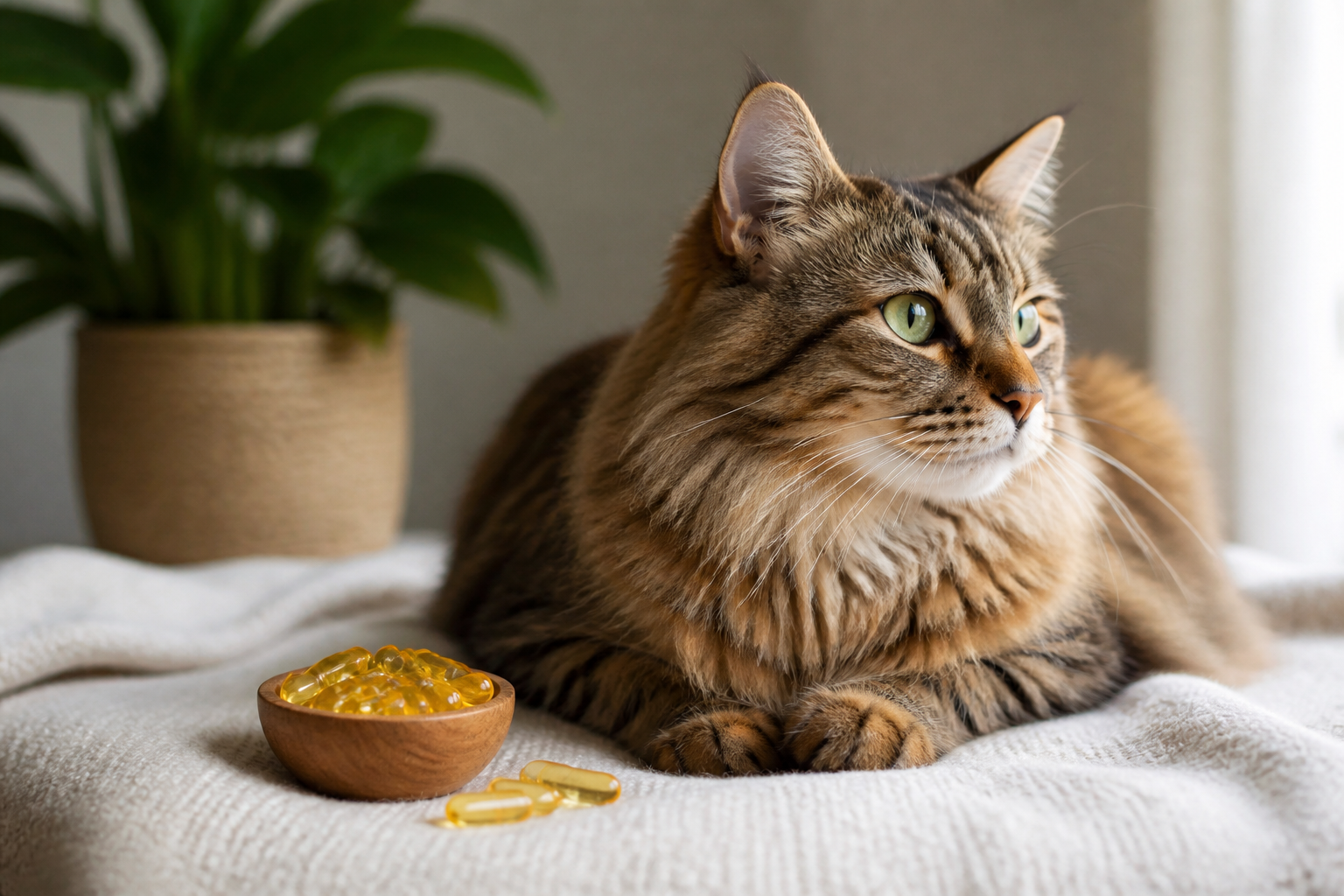
Fish oil is highly effective because it contains two specific types of Omega-3 fatty acids: Eicosapentaenoic acid (EPA) and Docosahexaenoic acid (DHA). Cats cannot produce these fats on their own in sufficient quantities. They must get them from their diet.
EPA is known for its anti-inflammatory properties. It helps soothe the skin and reduce the urge to itch. When the skin is less inflamed, it can heal more effectively. DHA is a structural component of the skin. It helps create a healthy barrier that seals moisture in and keeps irritants out.
Using a high quality fish oil supplement provides a concentrated dose of these fats. This is much more effective than relying on the small amounts found in standard kibble. Within a few weeks, the skin becomes more elastic and the coat feels silkier.
Choosing the Best Fish Oil for Your Cat
Not all oils are created equal. When you are browsing for a supplement, you will see options like salmon oil, pollock oil, and blends made from small fish like anchovies and sardines.
For additional feline wellness products, visit our cat healthcare collection.
Salmon Oil vs. Small Fish Oil
Salmon oil is very popular because cats usually love the taste. It is rich in EPA and DHA. However, some owners prefer oils made from smaller fish like sardines and anchovies. Smaller fish are lower on the food chain, which means they often have lower levels of heavy metals like mercury compared to larger, longer lived fish.
Purity and Processing
Look for oils that have been molecularly distilled. This process removes impurities and toxins while keeping the fatty acids intact. The oil should be clear and have a mild fish scent. If it smells extremely rancid or sour, it may have oxidized and should not be used.
Liquid vs. Capsules
Liquid fish oil is easy to pump directly onto your cat's food. It is convenient but can oxidize faster because it is frequently exposed to air. Capsules keep the oil fresh for longer, but many cats are difficult to pill. You can poke a hole in a capsule and squeeze the oil onto food if your cat refuses to swallow the pill.
One liquid option is Zesty Paws Wild Alaskan Omega-3 Blend Pollock & Salmon Oil Supplement for Dogs & Cats.
How to Introduce Fish Oil to Your Cat
Cats can be very sensitive to changes in the smell or texture of their food. If you add a full dose of fish oil to their bowl immediately, they might refuse to eat it.
Step 1: Start with a tiny amount. / Use just a drop or two of the oil on their favorite wet food. This allows them to get used to the new scent.
Step 2: Watch for digestive changes. / Monitor your cat's litter box habits. High doses of oil can sometimes cause loose stools if introduced too quickly.
Step 3: Gradually increase the dose. / Over the course of two weeks, slowly work up to the recommended amount on the product label.
Step 4: Maintain consistency. / Skin cells take time to regenerate. You need to give the oil every day to see the best results.
Wet food can be a useful base for supplements, and our wet cat food selection includes many textures and flavors.
Key Takeaway: Patience is vital when treating skin issues. It takes about 21 to 30 days for new, healthy skin cells to reach the surface, so do not expect the dandruff to vanish overnight.
Proper Dosing for Feline Supplements
The correct dose of fish oil depends on your cat's weight and the concentration of EPA and DHA in the product. Most manufacturers provide a weight based chart on the bottle.
A general rule for cats is roughly 30 to 50 mg of combined EPA and DHA per kilogram of body weight. However, this can vary based on your cat's specific health needs. If your cat is managing a condition like arthritis or kidney disease, your vet might recommend a higher therapeutic dose.
Never guess the dosage. Giving too much oil can lead to vitamin E depletion over time, as the body uses vitamin E to process the fatty acids. Many premium fish oils, like those from Nordic Naturals or Zesty Paws, include added vitamin E to prevent this issue.
For more supplement options, explore our cat vitamins and supplements.
Safety and Potential Side Effects
Fish oil is very safe for most cats, but there are a few things to keep in mind. The most common side effect is digestive upset. If your cat develops diarrhea, reduce the dose and see if it clears up.
Another thing to watch for is a fishy smell. If your cat's skin or breath starts to smell strongly of fish, you might be giving too much. Scaling back the dosage usually fixes this problem quickly.
There is also a slight risk of blood thinning at very high doses. If your cat is scheduled for surgery or is taking blood thinning medication, you should stop fish oil a few days before the procedure. Always inform your veterinarian about any supplements your cat is taking.
Supporting Skin Health Beyond Fish Oil
While fish oil is a powerhouse for treating dandruff, it works best when combined with good grooming habits and proper hydration.
Regular Brushing
Brushing your cat twice a week helps remove dead skin cells and loose fur. It also stimulates the production of natural oils and distributes them across the coat. For cats with dandruff, a soft bristle brush or a rubber grooming tool is often better than a harsh metal comb.
Hydration and Wet Food
Dry skin can be a sign of mild dehydration. Since cats have a low thirst drive, they may not drink enough water to keep their skin hydrated. Adding wet food to their diet is an excellent way to increase their water intake. We carry many premium wet food brands like Tiki Cat and Fussie Cat that are high in moisture.
Managing Allergies
If the dandruff is caused by an allergy, you may need more than just a supplement. Flea allergies are a leading cause of skin irritation in cats. Ensuring your cat is on a consistent flea preventive is essential for skin health. Our pharmacy carries FDA-approved flea and tick preventives through our partnership with Pet's Choice, including options that require a veterinarian's prescription.
When to See a Veterinarian
Dandruff is often a cosmetic issue, but it can be a sign of discomfort. If your cat is constantly scratching, licking themselves raw, or has visible scabs, it is time for a professional opinion.
A veterinarian can perform a skin scraping to look for mites or yeast. They can also run blood work to ensure the dry skin isn't a symptom of an endocrine disorder like hyperthyroidism. If your cat requires a prescription diet or specific medication for a skin condition, our pet pharmacy can help fulfill those needs once you have a prescription from your vet.
Vet Tip: Always consult your vet before starting supplements if your cat has a history of pancreatitis or liver issues. These conditions can make it difficult for the body to process high levels of dietary fat.
The Benefits of Fish Oil for Senior Cats
If you have an older cat, fish oil provides benefits that go far beyond fixing dandruff. Many senior cats suffer from osteoarthritis, which makes it painful for them to reach their back and tail to groom. This results in more dandruff in those areas.
Omega-3 fatty acids are excellent for joint health. They reduce the enzymes that break down cartilage and help keep the joints lubricated. By reducing joint pain, fish oil can help your senior cat feel mobile enough to start grooming themselves properly again.
Furthermore, DHA supports cognitive function. This can help older cats who may be experiencing feline cognitive dysfunction, which often presents as confusion or vocalizing at night. A healthy coat is a wonderful perk, but the internal benefits are just as important for aging pets.
For more feline wellness ideas, visit our pet care blog.
Storing Your Fish Oil Correctly
Fish oil is sensitive to light, heat, and air. To keep it effective, you must store it properly. Most liquid fish oils should be kept in a cool, dark place. Some manufacturers recommend refrigeration after opening to extend the shelf life.
Always check the expiration date. Oxidized oil will not help your cat's dandruff and could actually cause inflammation. If the oil changes color or develops a very strong, unpleasant odor, throw it out and start a new bottle.
Tips for Freshness:
- Buy smaller bottles if you only have one cat.
- Keep the lid or pump tightly closed between uses.
- Wipe the nozzle of the pump to prevent dried oil from building up.
- Choose products in opaque bottles that block out light.
Why Quality Matters
It can be tempting to buy the cheapest fish oil available, but quality matters significantly for skin health. Lower quality oils may contain fillers or may not be purified to remove environmental toxins. They might also have lower concentrations of EPA and DHA, meaning you have to give your cat a larger volume of oil to see results.
At BaxterBoo, we carefully curate the brands we carry to ensure they meet high standards for purity and potency. Brands like Nordic Naturals and Grizzly are well known for their commitment to sourcing and testing. When you use a high quality product, you are more likely to see a reduction in flakes and an increase in shine without the risk of contaminants.
Bottom line: High quality fish oil is an investment in your cat's overall health that provides visible results through a healthier skin barrier and a flake-free coat.
Summary of Benefits for Feline Dandruff
Using fish oil is a proactive way to manage your cat's skin health. It addresses the root cause of dryness rather than just masking the symptoms. By strengthening the skin barrier, you are helping your cat stay comfortable and protected from environmental irritants.
- Reduces inflammation and itching.
- Hydrates the skin from the inside.
- Strengthens the hair follicles to reduce shedding.
- Provides essential nutrients that many diets lack.
- Supports joint and heart health in addition to skin.
If you are ready to start your cat on a skin health journey, we recommend checking out our cat skin and coat care collection. You can also sign up for our Autoship programme to ensure you never run out of your cat's daily oil, saving you money and keeping your pet's routine consistent.
Conclusion
Cat dandruff is a common but treatable issue that often stems from a lack of essential fatty acids. By adding a high quality fish oil supplement to your cat's daily routine, you can significantly improve their skin hydration and coat quality. Remember to start with a small amount and be patient, as it takes several weeks for the skin to fully regenerate. If the flaking is severe or accompanied by other symptoms, please reach out to your veterinarian for a checkup. Our pharmacy is available to help with any prescription needs your vet may recommend. Taking these small steps today will lead to a much more comfortable and flake-free future for your feline friend.
FAQ
How long does it take for fish oil to work on cat dandruff?
You should begin to see a difference in your cat's coat shine within two weeks, but it usually takes four to six weeks to see a significant reduction in dandruff. This is because the skin needs time to produce new, hydrated cells and shed the old, dry ones. Consistency is key, so make sure to give the supplement every day as directed.
Can I give my cat human fish oil capsules for their dandruff?
While the fish oil itself is often the same, human supplements can sometimes contain flavorings or additives like lemon or xylitol that are toxic to cats. Additionally, human capsules are usually much larger than what a cat needs, making dosing difficult. It is always safer to use a product specifically formulated for cats to ensure the concentration and ingredients are appropriate.
Does fish oil help with cat shedding as well as dandruff?
Yes, fish oil can help reduce excessive shedding by nourishing the hair follicles. When the skin is healthy and hydrated, the fur is less likely to become brittle and break or fall out prematurely. While all cats shed to some degree, a significant decrease in "clump" shedding is a common benefit of Omega-3 supplementation.
My cat hates the smell of fish oil, what should I do?
If your cat is picky, try a different source of Omega-3, such as a green-lipped mussel powder or a flavored chew. Some cats prefer the taste of pollock oil or krill oil over salmon oil because the scent is slightly different. You can also try mixing a very small amount of oil into a highly palatable "treat" food like tuna juice or a lickable cat treat to mask the scent.






- Site & Contents BaxterBoo.com. BaxterBoo is located in the United States.
- Privacy & Security
- Terms of Use
- Accessibility Statement
