
 Save 15% on your 1st Autoship learn more

 Email us
 Live Chat
 FAQs





Introduction
You likely know the sound of a dog with an upset stomach. The loud gurgling, the sudden pacing by the door, and the messy cleanup that follows are parts of pet ownership we all dread. When your dog eats something they shouldn't or deals with a sudden bout of loose stools, you want a solution that actually works. Many pet owners are turning to probiotics to help manage these digestive hurdles. At BaxterBoo, we see many customers looking for ways to support their dog's gut health beyond just high quality kibble. This post covers exactly how these beneficial bacteria work and when your dog might need them. Understanding what dog probiotics are good for can help you keep your best friend feeling their best.
Quick Answer: Dog probiotics are beneficial bacteria that help balance your pet's gut microbiome. They are primarily used to improve digestion, stop diarrhea, support the immune system, and may even help reduce anxiety.
Understanding the Canine Microbiome
The microbiome is a complex community of trillions of microorganisms living in your dog's digestive tract. This includes bacteria, fungi, and viruses that work together to keep the body functioning. When this community is balanced, your dog thrives. When it gets out of whack, you see symptoms like gas, bloating, and poor skin quality.
Probiotics are the "good" guys in this scenario. They are live microorganisms that provide health benefits when consumed in the right amounts. They work by competing with harmful bacteria for space and nutrients in the gut. They also help produce essential vitamins and short chain fatty acids that nourish the intestinal lining.
Most of your dog's immune system, roughly 70 percent, lives in the gut. This means the health of their digestive tract directly impacts their ability to fight off infections. Keeping the microbiome stable is a major part of preventative care.
Key Takeaway: A balanced gut microbiome is essential for digestion and immune function, as most of a dog's immune cells reside in the intestinal tract.
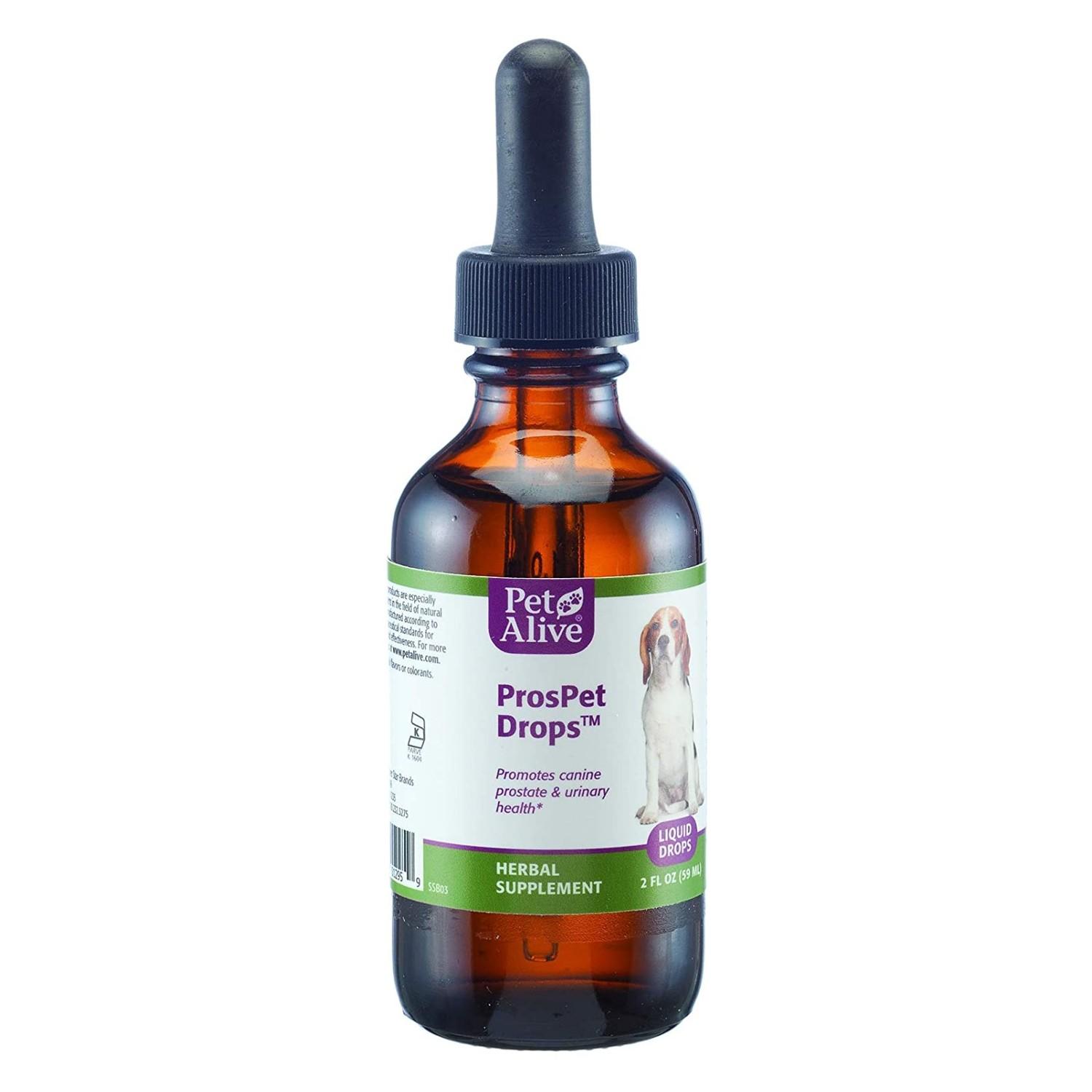
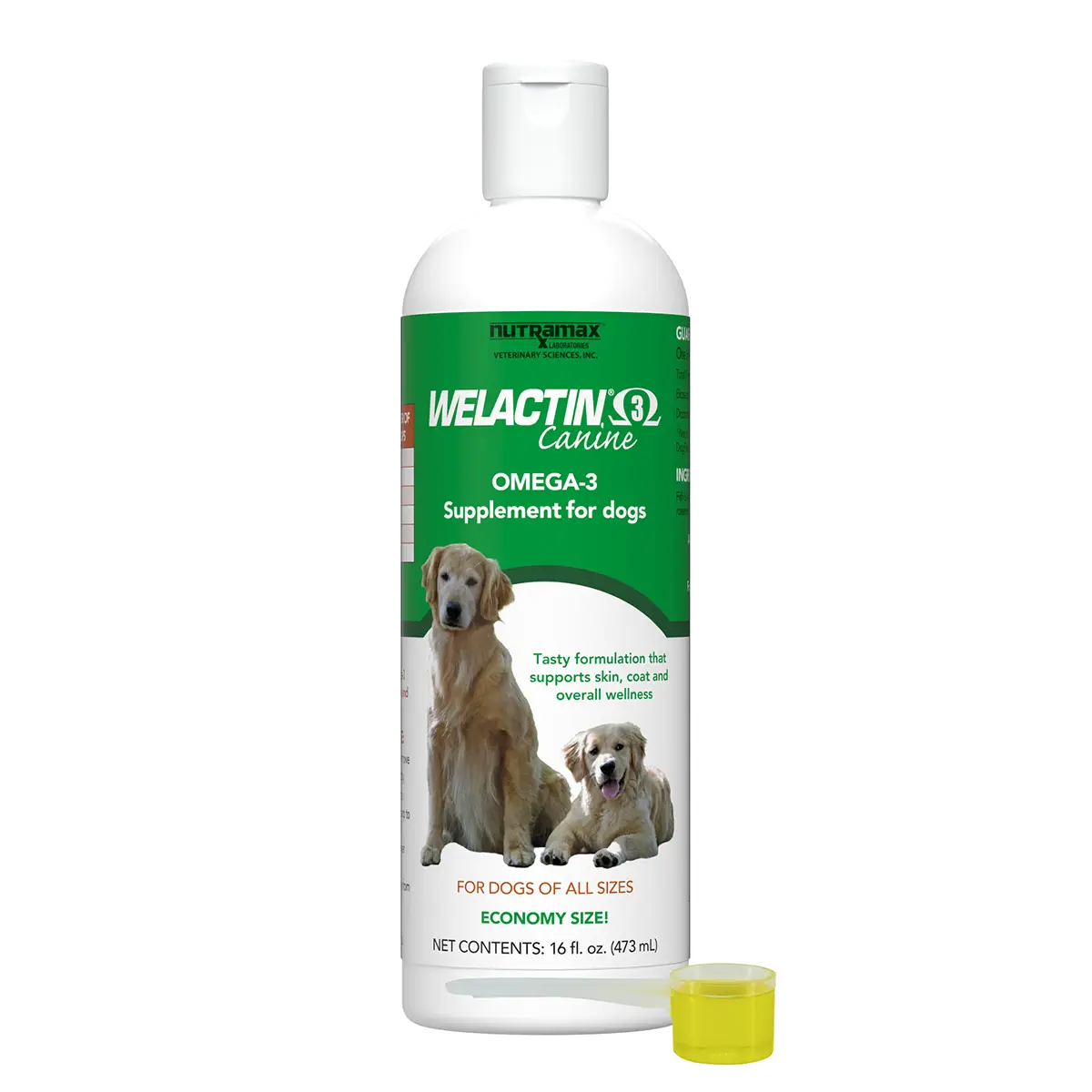
Dog Digestive & Urinary Aids









The Main Benefits of Dog Probiotics
Probiotics are versatile tools for pet health. While most people think of them only for "tummy trouble," their impact reaches much further. Here are the primary areas where these supplements make a difference.
Managing Diarrhea and GI Upset
The most common reason veterinarians recommend probiotics is to manage diarrhea. This could be caused by "garbage gut" from eating something outside, or from the stress of boarding and travel. Certain strains like Enterococcus faecium have been shown to shorten the duration of acute diarrhea significantly. They help firm up stools and restore order to the digestive tract. For more context about food-related digestive upset, read our guide to dry food and diarrhea in dogs.
Support During Antibiotic Treatment
Antibiotics are lifesavers for infections, but they are not selective. They kill both the bad bacteria causing the illness and the good bacteria your dog needs. This often leads to antibiotic associated diarrhea. Giving a probiotic during and after a course of medication helps replenish the beneficial populations and prevents secondary digestive issues.
Reducing Gas and Bloating
If your dog can clear a room with their gas, it is a sign that their digestion is inefficient. Excess gas often happens when food ferments in the colon because it was not broken down properly in the small intestine. Probiotics help break down nutrients more effectively, which reduces the production of smelly gasses. You can compare options in our dog digestive health collection.
Helping with Allergies and Skin Health
It might seem strange to treat skin with a gut supplement, but the connection is strong. Chronic skin inflammation and itching can be signs of an overactive immune system. By balancing the gut, you can sometimes reduce the systemic inflammation that leads to hot spots and itchy paws.
Vet Tip: If your dog has chronic diarrhea, bloody stools, or significant weight loss, consult your veterinarian for a full diagnosis before relying on supplements. They may require a prescription diet or medication from our pharmacy.
The Gut-Brain Axis: Probiotics for Anxiety
One of the most interesting areas of pet health is the link between the gut and the brain. The gut-brain axis is a two way communication street between the central nervous system and the enteric nervous system in the gut.
Research has shown that certain strains of bacteria can actually influence a dog's mood. For example, Bifidobacterium longum (strain BL999) has been studied for its ability to help dogs stay calm. Dogs taking this specific probiotic were less likely to bark, spin, or pace in stressful situations.
If you have a dog that suffers from separation anxiety or noise phobias, a probiotic might be a helpful part of a behavior management plan. While it is not a "magic pill," it can provide the internal stability your dog needs to respond better to training. For broader supplement ideas, explore our pet supplement guide.
Different Forms of Probiotics for Dogs
You can find probiotics in several formats. The best one for your pet depends on their pickiness and your daily routine.
- Powders: These are usually very concentrated and easy to mix into wet food or kibble.
- Chews: Many brands like Zesty Paws or Honest Paws make soft chews that dogs think are treats.
- Capsules: These protect the bacteria from stomach acid and can be hidden in a pill pocket.
- Fortified Foods: Some premium kibbles include probiotics, but they may not always survive the high heat of manufacturing or long shelf lives.
Check labels for the "Guaranteed Analysis." You want to see the number of Colony Forming Units (CFUs) listed. A common recommendation is between 1 billion and 10 billion CFUs per day for an average adult dog, but your vet can give a more specific target.
Checklist for Choosing a Probiotic
- Look for specific strain names (like Lactobacillus acidophilus).
- Check the expiration date to ensure the bacteria are still live.
- Ensure the product is specifically formulated for dogs.
- Avoid products with excessive artificial colors or sugars.
- Look for brands that use third party testing for purity.
When to Use the BaxterBoo Pharmacy
Sometimes, a standard over the counter probiotic is not enough. If your dog is managing a chronic condition like Inflammatory Bowel Disease (IBD) or kidney issues, they might need a more specialized approach.
Our pharmacy provides access to FDA approved medications and prescription pet foods through our partnership with Pet's Choice. This includes prescription strength probiotic formulations and therapeutic diets from brands like Farmina Vet Life or Royal Canin. These diets are specifically designed to support the gut in ways that standard retail food cannot.
If your vet has written a script for a therapeutic digestive diet or a high potency probiotic, you can fulfill those needs directly through our pet pharmacy. This ensures you are getting genuine medical grade products that are handled with care.
Bottom line: Prescription probiotics and therapeutic diets are often necessary for managing chronic digestive diseases under veterinary supervision.
How to Introduce Probiotics to Your Dog
Introducing a new supplement should always be a gradual process. Even though you are adding "good" bacteria, a sudden influx can sometimes cause temporary gas or soft stools as the microbiome shifts.
Step 1: Consult your veterinarian. / They can help you choose the right strain for your dog's specific symptoms.
Step 2: Start with a half dose. / Give your dog a small amount for the first three to five days to let their system adjust.
Step 3: Monitor for changes. / Look for improvements in stool consistency, energy levels, and gas.
Step 4: Increase to the full recommended dose. / Once your dog is stable, move to the amount suggested on the packaging or by your vet.
Most owners see a difference in digestive issues within a few days. For behavioral or skin changes, it can take four to six weeks of consistent use to see the full benefit. If you are also changing foods, our guide to transitioning your dog during a move offers another gradual-transition perspective.
Prebiotics vs. Probiotics: What is the Difference?
You will often see these two terms used together. It is helpful to think of them as a team. Probiotics are the live bacteria. Prebiotics are a type of fiber that serves as food for those bacteria.
Common prebiotics include chicory root, inulin, and beet pulp. When you provide both, it is called a synbiotic. This combination ensures that the good bacteria have the fuel they need to grow and thrive once they reach the colon. Many high quality supplements, like those from NutriSource or PureVita, will include both to maximize the effectiveness.
Key Takeaway: Prebiotics feed the probiotics, making the supplement more effective at colonizing the gut with healthy bacteria.
Probiotics for Different Life Stages
The needs of a puppy are very different from those of a senior dog. Probiotics can be tailored to these life stages.
Puppies
Puppies have developing immune systems. They are often prone to diarrhea from parasites or the stress of moving to a new home. Probiotics can help build a strong foundation for their immune health and make transitions to new foods much easier. For additional puppy nutrition ideas, see our article about holistic ingredients for puppies.
Seniors
As dogs age, their digestion often becomes less efficient. Senior dogs may also be on more medications that can disrupt the gut. Probiotics can help them absorb nutrients from their food more effectively and support their aging immune systems. Some studies even suggest that gut health plays a role in cognitive function in older pets.
Safety and Potential Side Effects
Probiotics are remarkably safe for the vast majority of dogs. Because they are a natural part of the body, adverse reactions are rare. However, there are a few things to keep in mind.
If your dog has a severely compromised immune system, check with your vet before starting any live culture supplement. In very rare cases, the body might not be able to manage the introduction of new bacteria.
The most common side effect is a temporary increase in gas or a slight change in stool consistency during the first few days. This usually resolves quickly. If your dog develops vomiting or severe discomfort, stop the supplement and call your vet.
Vet Tip: Never give your dog human probiotics without checking the label for Xylitol. This common human sweetener is highly toxic to dogs, and it is sometimes found in chewable human supplements.
Why Choose BaxterBoo for Gut Health?
We have been operating since 2006, and we have seen many trends in pet health come and go. Probiotics have remained a staple because they are backed by real science and provide visible results for pet owners. We carry over 500 trusted brands, and our team handpicks every product to ensure it meets our standards for quality and value.
Whether you are looking for a daily treat to keep your dog's stools firm or you need a prescription diet from our pharmacy, we are here to help. Our hybrid model means you can order online for home delivery or visit our warehouse in Vernon Hills if you are local to Illinois. Plus, when you sign up for our Autoship programme, you save on your first order and get a free MVP Gold membership, making it easier to stay consistent with your dog's health routine.
Summary of Probiotic Benefits
Probiotics are more than just a remedy for an upset stomach. They are a foundational tool for overall wellness.
- They help stop diarrhea caused by stress or dietary changes.
- They replenish the gut after a course of antibiotics.
- They support the immune system where it lives.
- They may help calm anxious dogs through the gut-brain axis.
- They can improve skin health by reducing systemic inflammation.
If you are ready to support your dog's health from the inside out, exploring our dog probiotic selection is a great place to start. Keeping a bottle on hand for those unexpected "garbage gut" moments can save you a lot of stress and cleanup time.
FAQ
Can I just give my dog human yogurt for probiotics?
While plain, unsweetened yogurt contains live cultures, it may not have the specific strains that dogs need most. Many dogs are also lactose intolerant, so the dairy in yogurt can actually cause the diarrhea you are trying to fix. It is usually better to use a dog-specific supplement that is dairy-free and more concentrated.
How long does it take for dog probiotics to work?
For digestive issues like gas or loose stools, you might see an improvement in as little as one to three days. For more complex issues like skin allergies or anxiety, it can take up to six weeks of daily use. Consistency is the most important factor in seeing long-term results.
Do probiotics help with a dog's bad breath?
Bad breath often starts in the gut or the mouth. If your dog's breath smells like old trash, it could be due to an imbalance of bacteria in the digestive tract. Probiotics can help balance those populations, though they should be used alongside regular dental care and professional cleanings.
Can my dog stay on probiotics forever?
Yes, many owners give their dogs a daily probiotic as a preventative measure. It is particularly helpful for dogs with sensitive stomachs or those who frequently deal with environmental stress. Daily use is considered safe for most healthy dogs, though you should always check with your vet during regular wellness exams.






- Site & Contents BaxterBoo.com. BaxterBoo is located in the United States.
- Privacy & Security
- Terms of Use
- Accessibility Statement
