
 Save 15% on your 1st Autoship learn more

 Email us
 Live Chat
 FAQs
FAQs





Introduction
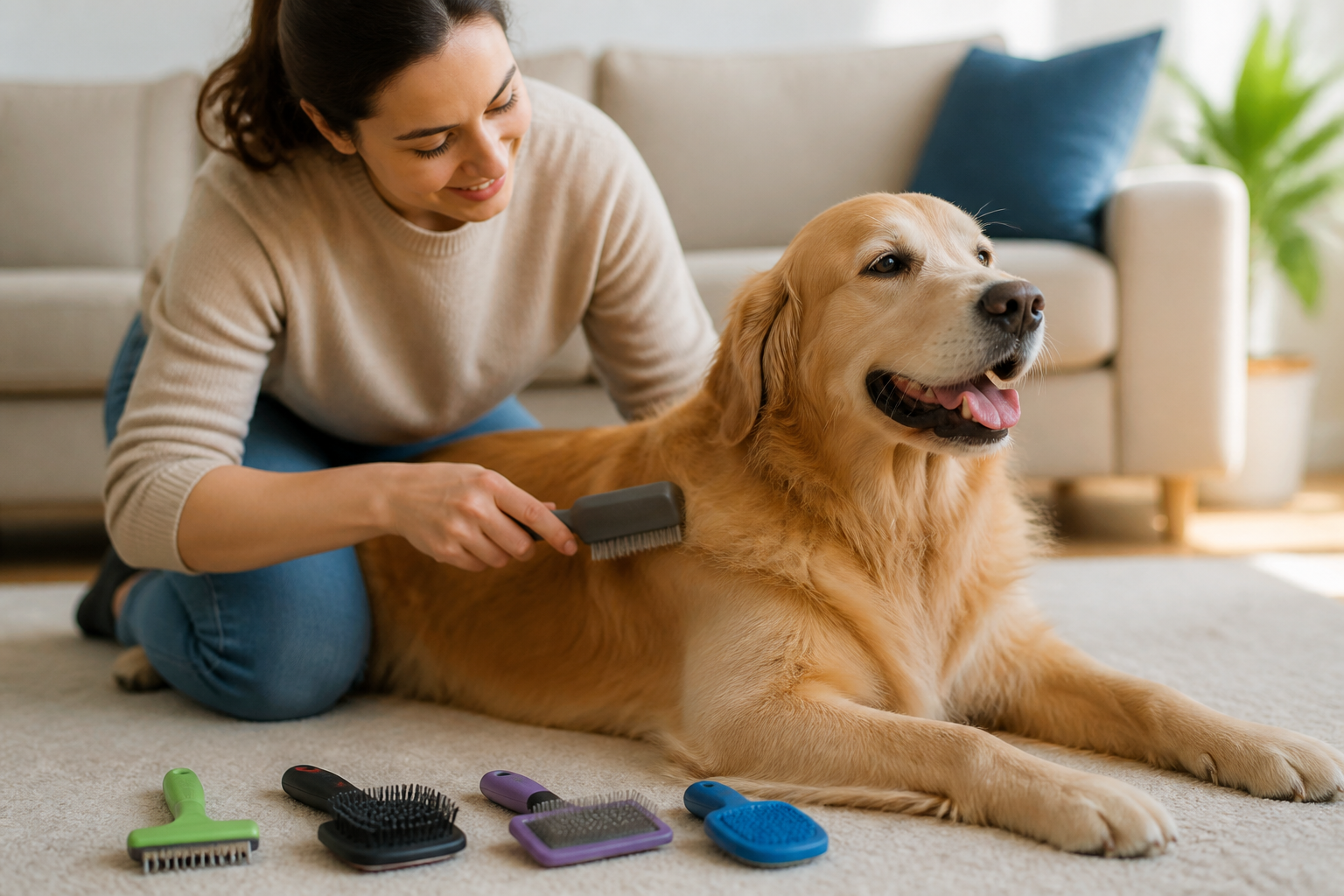
You just finished vacuuming the living room, and five minutes later, a fresh tuft of fur drifts across the hardwood floor like a tiny tumbleweed. It is a familiar sight for many pet owners. At BaxterBoo, we know that the right tool makes the difference between a house covered in hair and a well-groomed dog. Choosing the best brush is not just about finding the most popular brand. It is about matching the tool to your dog's specific coat length, texture, and skin sensitivity. This guide will help you identify which grooming tools are worth your time and how to use them effectively. The best dog brushes are the ones that keep your pet comfortable while keeping your home cleaner.
Understanding Your Dog's Coat Type
Before you can choose the right brush, you must understand what you are working with. Not all fur is created equal. A tool that works wonders on a Golden Retriever might be useless or even painful for a short-haired Boxer. Most dogs fall into one of five main coat categories.
Short and Smooth Coats
These dogs have hair that lies close to the body. Think of Labradors, Beagles, or Greyhounds. They do not get mats, but they do shed. Their grooming needs focus on removing loose hair and dander while distributing natural skin oils.
Double Coats
Dogs like Huskies, German Shepherds, and Great Pyrenees have a dense undercoat protected by a coarser topcoat. These dogs are heavy shedders. They require tools that can reach deep through the top layer to pull out the "dead" undercoat before it ends up on your sofa.
Long or Silky Coats
Yorkies, Afghan Hounds, and Setters have hair that grows continuously. This hair is prone to tangles and requires daily maintenance. The tools for these dogs must be gentle enough to avoid breaking the delicate strands.
Curly or Wooly Coats
Poodles and Doodles fall into this category. Their hair traps shed fur within the curls, which leads to quick matting. These coats require a combination of tools to ensure the hair stays separated and tangle free.
Wire Coats
Terriers often have a rough, wiry outer coat and a soft undercoat. These coats need tools that can handle the coarse texture without irritating the skin underneath.
Key Takeaway: Always identify your dog's coat type before buying a brush. Using the wrong tool can cause skin irritation or fail to remove the hair that causes shedding.
The Slicker Brush: The All-Purpose Workhorse
The slicker brush is perhaps the most recognizable tool in the grooming world. It features a flat or slightly curved head with rows of thin, bent wire pins. These pins are designed to grab loose hair and break up small tangles.
If you have a dog with medium to long hair, a slicker brush is likely your primary tool. It is excellent for removing surface debris and smoothing out the coat. Because the pins are wire, you must use a light touch. Pressing too hard can cause "slicker burn," which is a painful scraping of the skin.
At BaxterBoo, we often suggest slicker brushes for Doodles and other curly breeds. These brushes help "fluff" the coat and separate hairs that are starting to twist together. Many professional groomers use a slicker brush as their first step before moving on to more specialized tools. Explore our dog brushes and combs to compare slicker, pin, curry, and de-shedding options.
Vet Tip: If you notice your dog's skin looks red or irritated after brushing, you may be applying too much pressure. Always test the brush on the inside of your own forearm. If it feels scratchy or painful to you, it is too rough for your dog.
Undercoat Rakes and De-shedders
For owners of double-coated dogs, a standard brush is rarely enough. This is where the undercoat rake and the de-shedding tool come into play. These tools are designed specifically for the heavy lifting of grooming.
The Undercoat Rake
An undercoat rake looks like a small garden rake with a single or double row of metal pins. These pins are long enough to pass through the topcoat and reach the dense layer underneath. The goal is to pull out the loose "wool" that has already detached from the skin but is trapped by the outer fur.
De-shedding Tools
De-shedding tools, like the Furminator, use a fine-toothed metal edge to reach deep into the coat. These tools are highly effective but must be used with caution. They are designed to grab the loose undercoat, but if used too aggressively or in the same spot for too long, they can cut or damage the healthy topcoat.
Step 1: Ensure the coat is completely dry. Brushing a wet double coat can lead to pulling and discomfort.
Step 2: Use long, gentle strokes in the direction of hair growth.
Step 3: Work in sections, starting from the head and moving toward the tail.
Step 4: Watch for the "fur pile." These tools remove an incredible amount of hair, so have a bin or vacuum nearby.
Quick Answer: The best brush for heavy shedding is an undercoat rake or a specialized de-shedding tool. These reach the dense underlayer where most shed hair originates, unlike standard brushes that only clean the surface.
Bristle Brushes for Shine and Short Hair
If you have a short-haired dog, you do not need wire pins or rakes. In fact, those tools could hurt a dog with a thin coat. Instead, look for a bristle brush. These brushes use natural or synthetic bristles that are packed closely together.
The bristle brush serves two main purposes. First, it removes loose surface hair and dander. Second, it acts as a polisher. As you brush, the bristles distribute the natural oils from the skin down the hair shaft. This creates a healthy, glossy shine.
Bristle brushes are also excellent for finishing a groom on a long-haired dog. After you have removed the tangles with a slicker or pin brush, a quick pass with bristles will smooth everything down and add that final touch of luster. For additional options, browse our dog grooming supplies.
Pin Brushes for Delicate Coats
A pin brush looks very similar to a human hair brush. It has oval-shaped metal pins, often with rounded tips or "balls" on the ends to protect the skin. These are the best dog brushes for dogs with long, silky hair that does not have a thick undercoat.
Because the pins are widely spaced, they glide through the hair without causing static or breaking the long strands. They are not intended for heavy de-shedding. Think of the pin brush as a daily maintenance tool to keep long hair looking tidy and prevent the initial formation of tangles.
- Ideal for Yorkies, Maltese, and Setters.
- Gentle on the skin.
- Reduces static in dry weather.
- Great for sensitive dogs who dislike the feeling of wire slickers.
Bottom line: Use a pin brush for daily maintenance of long, silky coats to prevent tangles without damaging the hair.
Rubber Curry Combs and Grooming Mitts
Sometimes the best brush is not a brush at all. Rubber curry combs and grooming mitts are fantastic for short-haired dogs and for use during bath time. These tools are made of flexible rubber or silicone with nubs that massage the skin.
At BaxterBoo, we recommend rubber tools for dogs who are nervous about grooming. The sensation feels more like petting than brushing. These tools are also incredible at the "magnet effect." The rubber creates a small amount of static that pulls loose hair right out of a short coat. You can also compare our cleaning mitts and scrubbers for bath-time grooming.
During a bath, you can use a rubber curry comb to work shampoo deep into the coat. This helps break up dirt and ensures the skin gets cleaned, not just the fur. It also helps loosen hair that is ready to shed, so it washes down the drain instead of ending up on your carpet later.
Specialized Tools for Mats and Tangles
Despite your best efforts, mats can happen. This is especially true behind the ears, under the armpits, and where the collar rubs. When a mat forms, a regular brush will only pull on it, causing your dog pain. You need specialized tools for these situations.
De-matting Combs
A de-matting comb has sharp, serrated blades. It is designed to cut through the mat rather than pull it out. You must use extreme caution with these tools. The blades are sharp enough to cut the skin if the dog moves suddenly or if you are not careful with your angles.
Mat Zappers
Some high-end slicker brushes are designed with specific wire patterns to break up mats. These are often called mat zappers. They work by "splitting" the mat into smaller pieces that can then be brushed out normally.
Vet Tip: If your dog has mats that are tight against the skin, do not try to cut them out with scissors. It is very easy to accidentally cut the dog's thin skin. If a mat is too tight for a de-matting tool, it is time to visit a professional groomer or your veterinarian for a safe shave.
For home grooming, our selection of dematting tools includes combs and tools designed for working through coats carefully.
Building Your Home Grooming Kit
Most dogs benefit from having more than one tool. If you are starting from scratch, we suggest building a basic kit tailored to your dog's needs. This ensures you are prepared for seasonal shedding changes or the occasional tangle.
- A Primary Brush: A slicker for long/curly hair, or a bristle brush for short hair.
- A Fine-Toothed Metal Comb: This is the "lie detector" of grooming. After you think you are finished brushing, run a metal comb through the coat. If it snags, there is still a tangle that needs attention.
- A Cleaning Tool: Look for brushes with self-cleaning buttons that retract the pins, making it easy to wipe away the collected fur.
- Conditioning Spray: A dog-safe detangling spray makes brushing much easier and reduces hair breakage.
Our MVP Rewards program is a great way to earn points on these grooming essentials. Many owners find that having the right tools at home saves them money on professional grooming appointments over the long run. You can review the MVP Rewards programme while building your grooming kit.
How to Brush Your Dog Correctly
Even the best dog brushes will not work if your technique is wrong. Grooming should be a bonding experience, not a chore that your dog fears.
Step 1: Let your dog sniff the brush. Offer a treat so they associate the tool with something positive.
Step 2: Start in an easy area, like the back or shoulders. Avoid the sensitive face and paws until the dog is relaxed.
Step 3: Brush in the direction of hair growth. Never "back-brush" unless you are specifically trying to fluff a coat for a show.
Step 4: Use short, gentle strokes. If the brush catches, stop. Use your fingers to loosen the hair before continuing.
Step 5: End on a high note. Even if you did not finish the whole dog, stop while they are still calm and give another treat.
Managing Skin and Coat Health
While the right brush is essential, external grooming is only half of the story. A healthy coat starts from within. If you notice your dog's coat is suddenly dull, brittle, or if they are shedding excessively outside of normal seasonal changes, it may be a sign of an underlying health issue.
Allergies, skin infections, and nutritional deficiencies often show up in the coat first. If your dog is constantly itching or has red, inflamed skin, a brush will not solve the problem. In these cases, we recommend consulting your veterinarian. Our dog healthcare collection offers additional wellness and skin-care options.
Our pharmacy, operated through a partnership with Pet's Choice, carries FDA-approved medications and prescription diets that can help manage chronic skin conditions. Sometimes a medicated shampoo or a specific supplement is the missing piece of the grooming puzzle. Healthy skin provides the foundation for a healthy coat, making your grooming routine much more effective. For prescription needs, visit our pet pharmacy.
Seasonal Grooming Changes
Many dogs "blow" their coats twice a year, usually in the spring and fall. During these times, your regular grooming routine will need to ramp up. A dog that you usually brush once a week might need daily attention during a seasonal shed.
During the spring, dogs shed their heavy winter undercoat to stay cool. In the fall, they shed their lighter summer coat to make room for the thick winter layer. If you do not remove this hair, it becomes trapped against the skin. This can lead to hot spots or even fungal infections because the skin cannot "breathe" under the matted fur.
Key Takeaway: Increase your grooming frequency during the spring and fall. Using an undercoat rake during these transitions can prevent the heavy matting that often leads to a mandatory "shave-down" at the groomer.
Maintaining Your Grooming Tools
To keep your brushes working effectively, you must care for them as well. Hair, dander, and skin oils build up on the pins and bristles over time. This can harbor bacteria or simply make the brush less effective at grabbing loose fur.
- Remove hair after every session. A metal comb is great for pulling hair out of a slicker or bristle brush.
- Wash brushes periodically. Use a mild dish soap and warm water to break down skin oils.
- Dry them thoroughly. Metal pins can rust if left damp, and wooden handles can warp.
- Check for damage. Replace any brush with bent wires or missing protective tips, as these can scratch your dog's skin.
Conclusion
Finding the best dog brushes for your pet is a journey of understanding their unique needs. Whether you are managing the heavy shed of a Husky with an undercoat rake or polishing the sleek coat of a Greyhound with a bristle brush, the right tool makes the job faster and more enjoyable. Regular grooming does more than just keep your house clean. It allows you to check for lumps, bumps, or skin irritations while strengthening the bond with your dog.
- Match the brush to the coat type: slickers for curls, rakes for double coats, bristles for short hair.
- Always use a light touch to prevent skin irritation.
- Combine brushing with a healthy diet and veterinary care for the best results.
If you are dealing with persistent skin issues or need professional-grade shampoos, visit our Medical and Mobility section or check our pharmacy for expert-led solutions.
FAQ
How often should I brush my dog?
Most dogs benefit from being brushed at least two to three times a week. Long-haired or curly-coated breeds often require daily brushing to prevent mats from forming. Short-haired breeds can often go a week between sessions, though more frequent brushing will further reduce shedding in the house.
Can I use a human hair brush on my dog?
While a human brush might work for a quick surface tidy on a long-haired dog, it is generally not recommended. Dog brushes are designed with specific pin angles and tensions to reach through dense fur without scraping the skin. Human brushes often lack the necessary "grip" to remove the undercoat effectively.
What should I do if my dog hates being brushed?
Start with very short sessions, sometimes just thirty seconds, and pair the brush with high-value treats. Use a gentle tool like a rubber grooming mitt to start, as it feels more like petting. Gradually work your way up to more specialized brushes as your dog becomes more comfortable with the sensation.
Does brushing actually reduce shedding?
Yes, regular brushing is the most effective way to manage shedding. It does not stop the natural hair growth cycle, but it allows you to remove the dead hair in a controlled way. By pulling the hair into a brush, you prevent it from falling off onto your furniture, clothes, and flooring.






