
 Save 15% on your 1st Autoship learn more

 Email us
 Live Chat
 FAQs
FAQs





Introduction
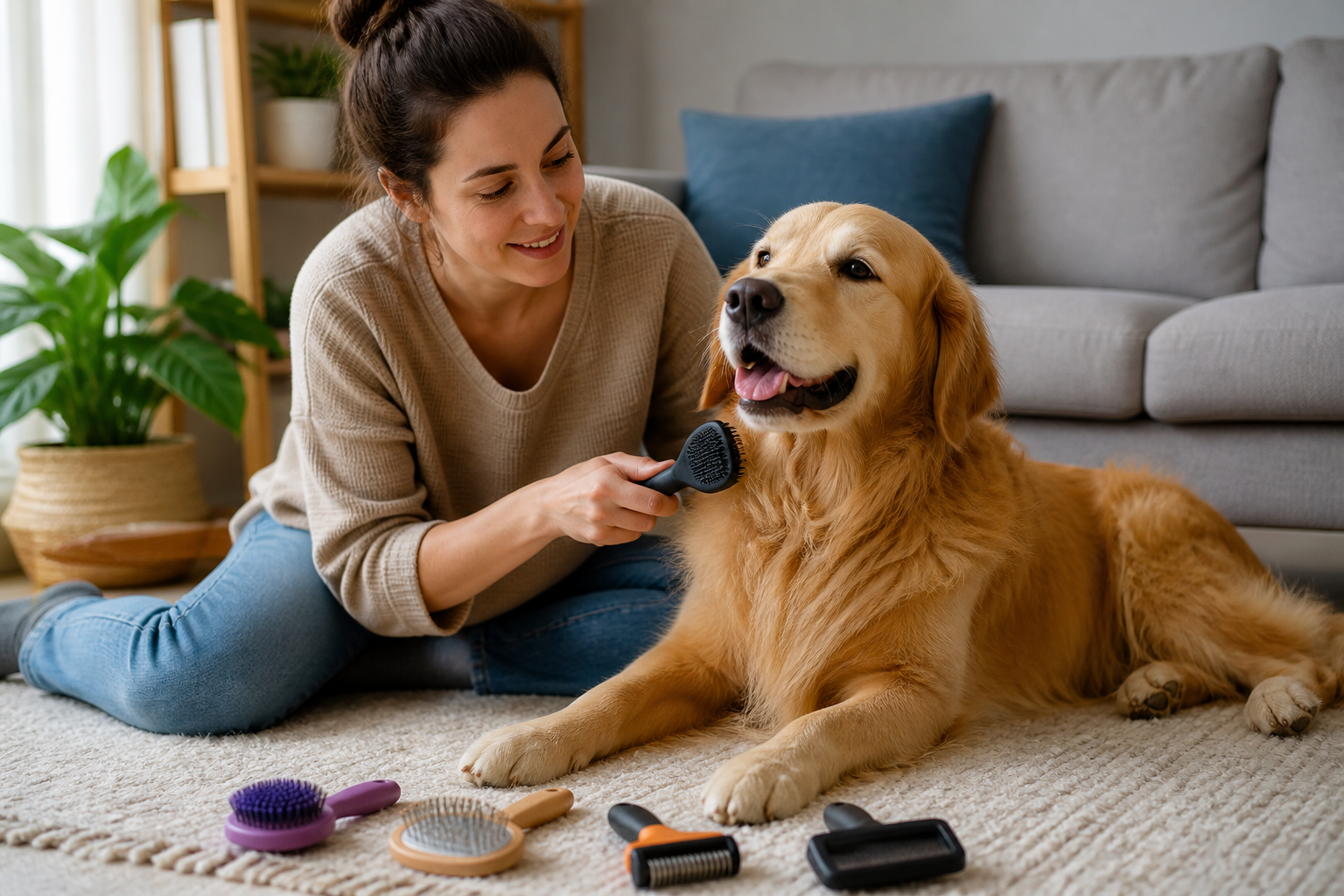
You reach down to pet your dog and feel a thick, stubborn mat behind their ear. Or perhaps you just sat on the sofa only to realize your pants are now covered in a layer of fine, white fur. Every dog owner has been there. Choosing the right tool for the job is the difference between a relaxing bonding session and a stressful struggle. At BaxterBoo, we have helped thousands of pet parents find the perfect grooming tools since 2006. Using the wrong brush can irritate your dog's skin or simply fail to remove the dead hair clogging their coat. This guide will walk you through the various brush types and help you match them to your dog's specific coat. By the end, you will know exactly which tools to keep in your grooming kit for a healthy, shiny coat.
Quick Answer: The best brush depends entirely on your dog's coat type. Slicker brushes are best for removing mats in medium to long hair, while bristle brushes work well for short-haired breeds. Double-coated dogs usually require an undercoat rake to manage heavy shedding.
Why the Right Brush Matters
Brushing is about more than just looking good. It is a vital part of your dog's physical health. When you use the correct brush, you distribute natural oils across the skin. This keeps the coat waterproof and shiny. It also helps you spot issues early. While brushing, you might find a new lump, a tick, or a patch of dry skin that needs attention.
If you use a brush that is too harsh, you can cause brush burn. This is a painful skin irritation caused by metal pins scraping the skin. If the brush is too soft, it only slides over the top of the hair. This leaves the undercoat to tangle and mat. Mats are not just an eyesore. They pull on the skin and can cause sores or infections. Regular grooming with the right tool prevents these problems before they start.
Key Takeaway: Proper grooming supports skin health, prevents painful matting, and allows for early detection of health issues like lumps or parasites.
Understanding Your Dog's Coat Type
Before you pick a brush, you must understand what you are brushing. Dogs have incredibly diverse hair types. Some have a single layer of hair, while others have a dense, fuzzy undercoat beneath a coarser top coat.
Short and Smooth Coats
Breeds like Beagles, Boxers, and Pugs have short hair that lies close to the body. They do not get mats, but they do shed. The hair is often stiff and can get stuck in fabric like little needles. You need a tool that can grab these short, loose hairs.
Double Coats
Huskies, Labradors, and Golden Retrievers have a double coat. The soft undercoat keeps them warm or cool. The outer coat protects them from water and dirt. These dogs shed heavily, especially during the spring and fall. A standard brush often cannot reach the undercoat where the real shedding happens. For more shedding guidance, read about managing seasonal shedding in dogs.
Long or Silky Coats
Maltese, Shih Tzus, and Yorkies have hair that grows continuously. This hair is prone to tangles and mats. It requires daily attention. You need tools that can detangle without breaking the delicate hair shafts.
Curly and Wiry Coats
Poodles and Doodles have curly hair that traps loose fur. Instead of falling on your floor, the dead hair stays in the coat and creates mats. Wiry coats, like those on many Terriers, are thick and coarse. They need sturdy brushes that can penetrate the dense texture. Dogs with curly coats may also benefit from this guide to grooming curly-haired dogs.
The Main Types of Dog Brushes
There are several categories of brushes available in our dog brushes and combs collection. Each one serves a specific purpose. Most owners find that a combination of two tools works best for a complete grooming routine.
Slicker Brushes
A slicker brush has a flat or slightly curved head with rows of thin, wire pins. These pins are usually angled slightly. This design allows the brush to grab loose hair and break up small tangles.
- Best for: Medium to long hair, curly coats, and removing mats.
- How to use: Use light pressure. Let the pins do the work. If you press too hard, the wires can scratch the skin.
- Pro Tip: Look for a slicker brush with a self-cleaning feature. You press a button, and the hair is pushed off the pins for easy cleanup.
Bristle Brushes
These brushes use clusters of bristles made from natural or synthetic materials. The bristles are packed tightly together. They are excellent for smoothing the coat and removing surface debris.
- Best for: Short-haired dogs and as a finishing tool for long hair.
- Benefits: They stimulate the skin and spread natural oils for a high-shine finish.
- Selection: For dogs with longer hair, choose longer and more widely spaced bristles. For short hair, stiff, short bristles work best.
Pin Brushes
A pin brush looks very much like a human hairbrush. It usually has an oval head with flexible wire pins tipped with plastic or rubber. These are gentler than slicker brushes but less effective at removing mats.
- Best for: Long, silky coats and dogs with sensitive skin.
- Purpose: They are great for a quick daily brush-through to keep hair organized and clean.
- Note: If your dog has a thick undercoat, a pin brush will likely only glide over the surface.
Undercoat Rakes
An undercoat rake features one or two rows of long metal T-shaped pins. It is designed to go through the top coat and pull out the dead hair from the undercoat.
- Best for: Heavy shedders and double-coated breeds.
- Selection: Ensure the pins are long enough to reach the skin but not so long that they are clumsy to use.
- Impact: This tool is the best way to reduce the amount of fur on your furniture during shedding season.
Rubber Grooming Gloves and Tools
These are made of soft rubber or silicone with short nubs. They are often used during bath time or for dogs who are afraid of traditional brushes.
- Best for: Short-haired dogs and nervous pets.
- Mechanism: The rubber creates friction that pulls loose hair away from the coat.
- Bonus: They provide a massage that most dogs find very relaxing.
How to Match a Brush to Your Breed
To make it easier, we can look at common breeds and the tools they require.
| Coat Type | Common Breeds | Primary Brush | Secondary Tool |
|---|---|---|---|
| Short/Smooth | Beagle, Boxer, Lab | Bristle Brush | Rubber Curry Brush |
| Heavy Double | Husky, Shepherd | Undercoat Rake | Slicker Brush |
| Curly | Poodle, Bichon | Slicker Brush | Metal Comb |
| Long/Silky | Yorkie, Maltese | Pin Brush | Metal Comb |
| Wiry | Terrier types | Slicker Brush | Stripping Comb |
Step-by-Step Guide to Effective Brushing
Brushing is a skill. Doing it correctly ensures your dog stays comfortable and your house stays cleaner. Follow these steps for the best results.
Step 1: Inspect the coat. / Run your hands over your dog to feel for any large mats, bumps, or sore spots before you start with a tool.
Step 2: Detangle gently. / If you find a mat, do not pull on it. Use a slicker brush or a detangling spray to work the knot from the ends of the hair up toward the skin.
Step 3: Brush in sections. / Start at the head and work your way back. Brush in the direction of hair growth. Divide the coat into small sections so you do not miss any spots.
Step 4: Reach the skin. / For long-haired or double-coated dogs, make sure you are reaching down to the skin. Part the hair with your hand to see if you are actually getting the undercoat.
Step 5: Reward your pet. / Give your dog treats throughout the process. This helps them associate grooming with something positive.
Vet Tip: If you notice your dog is excessively itchy, has red skin, or is losing hair in patches, consult your veterinarian. These can be signs of allergies or parasites. Our pharmacy carries FDA-approved treatments for skin conditions and flea prevention through our partnership with Pet's Choice.
Managing Shedding and Skin Health
While the right brush is the first step, your dog's skin health starts from the inside. A coat that is brittle or skin that is flakey might need more than just a brush. Proper nutrition is essential. We carry many premium foods and supplements that support skin and coat health. Explore our dog skin and coat care category for additional grooming and coat-care options.
If your dog is shedding more than usual, consider their environment. Central heating in the winter can dry out their skin. In the summer, allergies can cause them to scratch, which damages the coat. Using a gentle shampoo and a moisturizing conditioner can help. Always make sure the coat is completely dry after a bath before you use an undercoat rake or slicker brush. Damp hair is more elastic and can break or pull more easily.
Our Autoship program is a great way to stay stocked on grooming supplies and skin supplements. You can save on your first order and earn MVP Rewards points on every purchase. This ensures you never run out of the tools you need to keep your dog looking their best. Consider our Autoship programme for eligible repeat-purchase items.
When to Seek Professional Help
Sometimes, a coat gets beyond what you can handle at home. If your dog is severely matted, do not try to cut the mats out with scissors. A dog's skin is very thin and easy to cut. A professional groomer has the tools and experience to safely remove mats.
Additionally, if your dog shows aggression or extreme fear during grooming, a professional might be necessary. They can often handle the dog more safely or suggest ways to desensitize them to the process. If skin issues persist even after changing brushes or diet, your vet can provide a diagnosis. They may prescribe medicated shampoos or topical treatments available through the BaxterBoo pharmacy.
Checklist for a Successful Grooming Session
- A quiet, well-lit space.
- The correct brush for the coat type.
- A metal comb for checking your work.
- High-value treats for rewards.
- Patience and a calm attitude.
Bottom line: Matching the right brush to your dog's coat type makes grooming more effective and much more comfortable for your pet.
Conclusion
Finding the best brush for your dog is a small investment that pays off in a cleaner home and a happier pet. Whether you have a short-haired Beagle or a fluffy Husky, the right tool makes the job easier. Remember to start slow, especially with puppies, and make the experience rewarding. Regular grooming is a great way to bond and stay on top of your dog's overall health. Browse our dog grooming category to find high-quality brushes from brands like Kong and Jackson Galaxy.
FAQ
How often should I brush my dog?
Most dogs benefit from being brushed at least two to three times a week. However, long-haired breeds or heavy shedders may require daily brushing to prevent mats and manage loose fur. Short-haired dogs can often go a week between sessions, but more frequent brushing helps keep the coat shiny.
Can I use a human hairbrush on my dog?
It is not recommended to use human brushes on dogs. Human hair is different from dog fur, and the bristles on a human brush are often too soft to reach a dog's skin or too stiff for their sensitive hide. Dog-specific brushes are designed to handle the texture and density of canine coats without causing irritation.
What should I do if my dog hates being brushed?
Start with very short sessions, even just one or two minutes at a time. Use a soft rubber brush or grooming glove to get them used to the sensation. Pair every grooming session with high-value treats and praise to create a positive association. Gradually increase the time as your dog becomes more comfortable.
Does brushing help with dog allergies?
Yes, regular brushing can reduce the amount of dander and loose fur in your home, which are common triggers for human allergies. For the dog, brushing removes environmental allergens like pollen or dust that get trapped in their coat after walks. If your dog has skin allergies, consult your vet about medicated grooming products available through our pharmacy. You can also explore the MVP Rewards programme while shopping for eligible grooming supplies.






