
 Save 15% on your 1st Autoship learn more

 Email us
 Live Chat
 FAQs
FAQs





Introduction
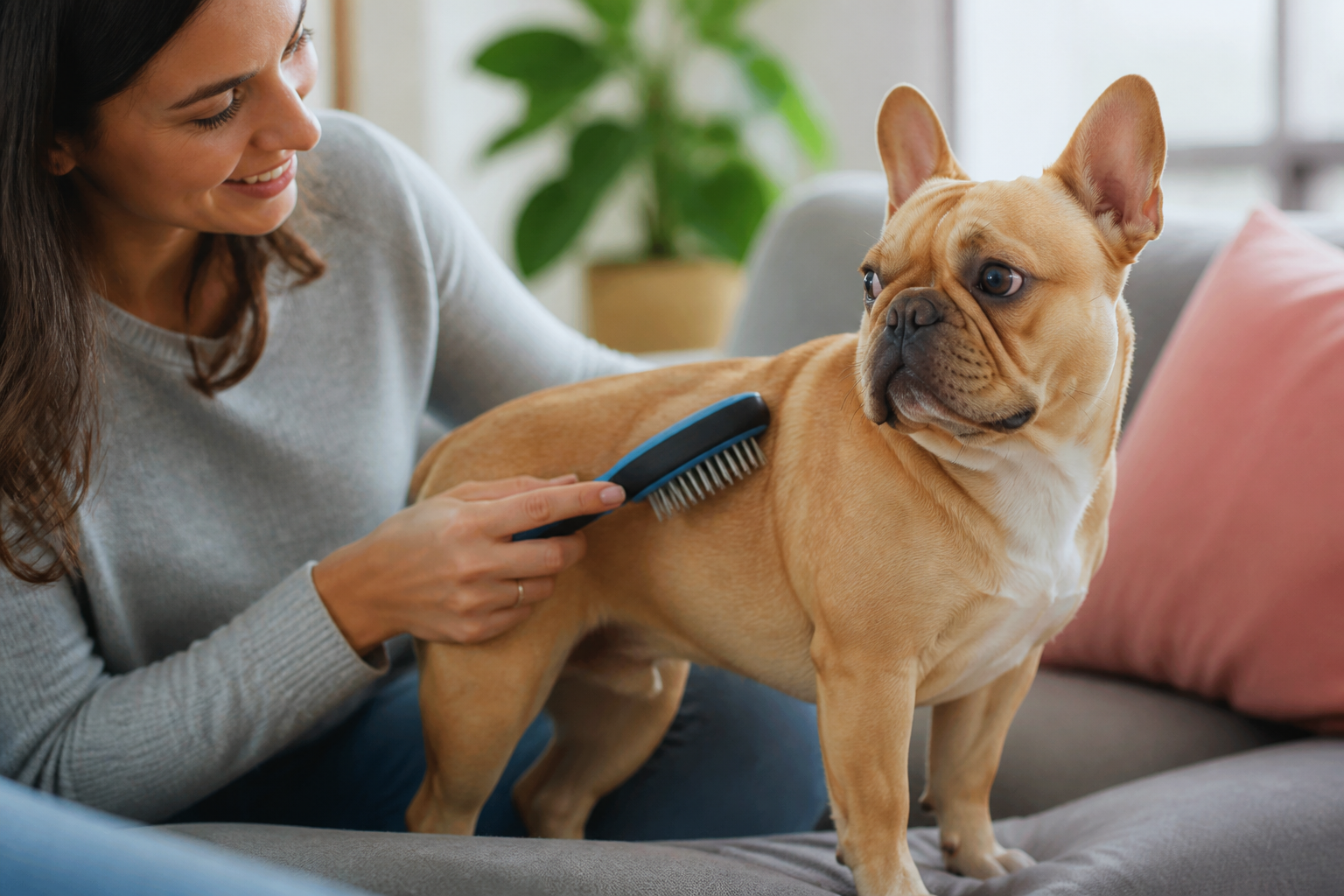
You notice it every time you wear a dark shirt or sit on your favorite sofa. Those tiny, stiff hairs from your Beagle or Boxer seem to weave themselves into every fabric you own. Many people think short-haired dogs are low maintenance, but without the right tools, the shedding can feel constant. At BaxterBoo, we know that a sleek, healthy coat requires more than just an occasional bath. We have helped pet parents since 2006 find the exact gear they need to keep their homes fur-free and their pets comfortable. This post covers the specific brush types designed for short coats and how to use them for the best results. Choosing the right brush involves understanding your dog's unique skin sensitivity and shedding cycle.
Quick Answer: The best brush for most short-haired dogs is a rubber curry brush. This tool massages the skin and effectively lifts loose fur from the coat. For a finished, shiny look, follow up with a soft bristle brush to distribute natural oils across the hair.
Why Short-Haired Dogs Need Regular Brushing
It is a common myth that short hair means no shedding. In reality, some short-haired breeds like Labrador Retrievers and Pugs shed more than long-haired breeds. Their hair cycles through growth and rest phases quickly. This results in a constant rain of small hairs that are difficult to vacuum. Regular brushing is the most effective way to manage this cycle before the hair ends up on your carpet. For more ways to manage seasonal shedding, read about how Australian Shepherds shed.
Beyond hair management, brushing is vital for skin health. Short-haired dogs have less protection from the elements. Brushing stimulates blood flow and moves natural oils from the skin down the hair shaft. This process prevents dry, flaky skin and gives the coat a natural luster. It also gives you a chance to check for lumps, ticks, or hidden skin irritations.
Key Takeaway: Brushing is not just for aesthetics: it is a health check and a way to support the skin's natural oil production.
The Rubber Curry Brush: The Best All-Around Choice
The rubber curry brush is the gold standard for short-haired breeds. These tools are usually made of soft, flexible rubber with thick nubs. Unlike metal brushes, they do not have sharp edges that could scratch your dog's skin. This makes them ideal for breeds with very thin coats, such as Greyhounds or Whippets. One example is the KONG Zoom Groom Natural Rubber Dog Grooming Brush.
When you use a rubber brush, you should move it in circular motions. This action creates a mild vacuum effect that pulls loose hair out of the coat. It also feels like a massage to most dogs. Many pets who hate traditional brushing actually enjoy the sensation of a rubber curry brush. You can even use these brushes in the bath to help work shampoo down to the skin and remove even more hair.
Benefits of the Rubber Curry Brush
- Safety: No sharp pins to irritate sensitive skin.
- Massage: Promotes circulation and relaxation.
- Versatility: Works well on dry coats or during bath time.
- Easy Cleanup: Hair usually clumps together or stays on the brush for easy removal.
Bristle Brushes for Shine and Finish
If your goal is a coat that looks like it belongs in a dog show, you need a bristle brush. These brushes use natural or synthetic bristles packed tightly together. They are not designed to reach deep into an undercoat. Instead, they work on the surface of the hair to remove fine dander and dust. You can compare options in our dog brushes and combs collection.
The bristle brush is the perfect second step in your grooming routine. After using a rubber brush to remove the bulk of the loose hair, the bristle brush smooths everything down. It acts as a polisher. For dogs with very fine, smooth hair like Boxers or Weimaraners, a soft bristle brush might be the only tool you need for daily maintenance.
Vet Tip: If you notice your dog's skin looks red or they are constantly itching, a brush might not be the only thing they need. Consult your veterinarian to rule out environmental allergies or food sensitivities. Our pet pharmacy carries FDA-approved medications for skin conditions through our partnership with Pet's Choice.
Managing Heavy Shedders with De-shedding Tools
Some short-haired dogs have a double coat. This means they have a stiff outer coat and a soft, dense undercoat. Labradors, Beagles, and Corgis are famous for this. A simple rubber brush might not be enough during the spring and fall when these dogs blow their coats.
A de-shedding tool features a fine metal edge that reaches beneath the topcoat to grab loose undercoat hair. You must use these tools with caution. They are highly effective, but applying too much pressure can cause brush burn. Use short, gentle strokes and avoid going over the same spot too many times. These tools should generally be used once a week rather than every day. Our short-hair shedding comb is one option for this type of grooming.
Best Practices for De-shedding Tools
- Check for dryness: Only use these tools on a completely dry coat.
- Angle the tool: Follow the natural curve of your dog's body.
- Check the skin often: Stop immediately if you see any redness or irritation.
- Avoid bony areas: Be very careful around the spine, hips, and elbows.
Grooming Mitts for Sensitive Pets
Some dogs are "brush-shy." They might be intimidated by the sight of a grooming tool or had a bad experience with a sharp brush in the past. Grooming mitts are an excellent solution for these pets. A mitt fits over your hand like a glove and has rubber nubs on the palm. For gentle alternatives, explore our grooming tools.
The dog feels like they are simply being petted while you are actually removing dead hair. This is a great way to introduce puppies to grooming. It builds trust while keeping the coat clean. Since the mitt follows the shape of your hand, it is very easy to get into hard-to-reach areas like the belly and the back of the legs.
Comparison of Short Hair Grooming Tools
| Tool Type | Best Breed Match | Primary Purpose | Frequency |
|---|---|---|---|
| Rubber Curry | Boxers, Frenchies, Pugs | Lifts loose hair and massages | 2-3 times per week |
| Soft Bristle | Dobermans, Great Danes | Polishes and adds shine | Daily if desired |
| De-shedding Tool | Labs, Beagles, Corgis | Removes thick undercoat | Once per week |
| Grooming Mitt | Nervous dogs, Puppies | Gentle hair removal | 2-3 times per week |
When Shedding Indicates a Health Issue
While shedding is natural, excessive hair loss or bald patches are not. If your dog is losing hair in clumps or has dry, crusty skin, it is time for a vet visit. Skin health starts from the inside out. Sometimes a change in diet or a high-quality supplement can make a massive difference. You can browse our dog skin and coat care options for grooming and nutritional products.
We often recommend products with Omega-3 fatty acids to support a healthy skin barrier. If your vet prescribes a specific medicated shampoo or a prescription diet for skin issues, we can help. Through our partnership with Pet's Choice, we offer a wide range of pharmacy products to manage chronic skin conditions. A healthy coat is much easier to brush and maintain.
Key Takeaway: A shiny coat is a sign of good internal health. Combine regular brushing with high-quality nutrition for the best results.
Step-by-Step: The Perfect Short-Hair Grooming Routine
Follow these steps to keep your dog's coat in peak condition. This routine works for most short-haired breeds and helps minimize the hair in your home.
Step 1: Start with the rubber curry brush. / Use firm, circular motions over the entire body to loosen dirt and dead hair.
Step 2: Wipe down with a damp cloth. / This step picks up the loose hair the brush brought to the surface.
Step 3: Finish with the bristle brush. / Brush in long, smooth strokes in the direction of hair growth to add shine.
Step 4: Reward your pet. / Give them a small treat or extra praise so they look forward to the next session.
Professional Results at Home
You do not always need a professional groomer to keep a short-haired dog looking great. With the right selection of tools from BaxterBoo, you can handle most maintenance yourself. Consistency is the most important factor. Brushing for five minutes three times a week is much more effective than brushing for thirty minutes once a month.
If you find that your grooming tools are filling up with hair faster than you can clean them, consider our Autoship programme. You can get regular deliveries of grooming wipes, shampoos, and even treats to keep your kit stocked. Plus, you get a free MVP Gold membership with your first Autoship order. This makes it easier to stay on top of your dog's care without extra trips to the store.
Bottom line: The right tools combined with a consistent routine will drastically reduce shedding and improve your dog's skin health.
Conclusion
Finding the best brush for your short-haired dog changes the grooming experience from a chore into a bonding moment. While a rubber curry brush is usually the best starting point, adding a bristle brush or a grooming mitt can help you achieve that perfect shine. Remember to keep sessions positive and watch for signs of skin sensitivity.
- Use rubber brushes for massage and hair lifting.
- Use bristle brushes for a polished finish.
- Introduce tools slowly to nervous pets using grooming mitts.
- Consult a vet for any unusual skin changes or hair loss.
Key Takeaway: Successful grooming for short-haired dogs relies on using soft, flexible tools that protect their skin while managing their specific shedding needs.
If your dog needs more than just a brush to stay healthy, check out our selection of supplements and skin care. For pets with chronic allergies or skin conditions, visit our pet pharmacy to see how we can help with prescription needs.
FAQ
Can I use a slicker brush on a short-haired dog?
You should be very careful with slicker brushes on short hair. The fine wire pins can easily scratch the skin if the coat is not thick enough to provide a buffer. A rubber curry brush or a soft bristle brush is a much safer and more comfortable choice for most short-haired breeds.
Why does my dog still shed so much after I brush them?
Short-haired dogs have a high volume of hair per square inch. If they have a double coat, you might be removing the top layer but leaving the loose undercoat behind. Try using a rubber brush in circles followed by a de-shedding tool once a week to reach the deeper layers of fur.
How often should I brush my short-haired dog?
Most short-haired dogs benefit from being brushed two to three times per week. During seasonal shedding periods in the spring and fall, you may want to brush them daily to keep up with the increased hair loss. Regular sessions prevent the hair from becoming embedded in your furniture and clothing.
What should I do if my dog hates being brushed?
Start by using a grooming mitt, which feels more like petting than a medical or grooming procedure. Keep the sessions very short, perhaps only thirty seconds at a time, and offer high-value treats. Gradually increase the time as your dog becomes more comfortable with the sensation of the tool.






