
 Save 15% on your 1st Autoship learn more

 Email us
 Live Chat
 FAQs
FAQs





Introduction
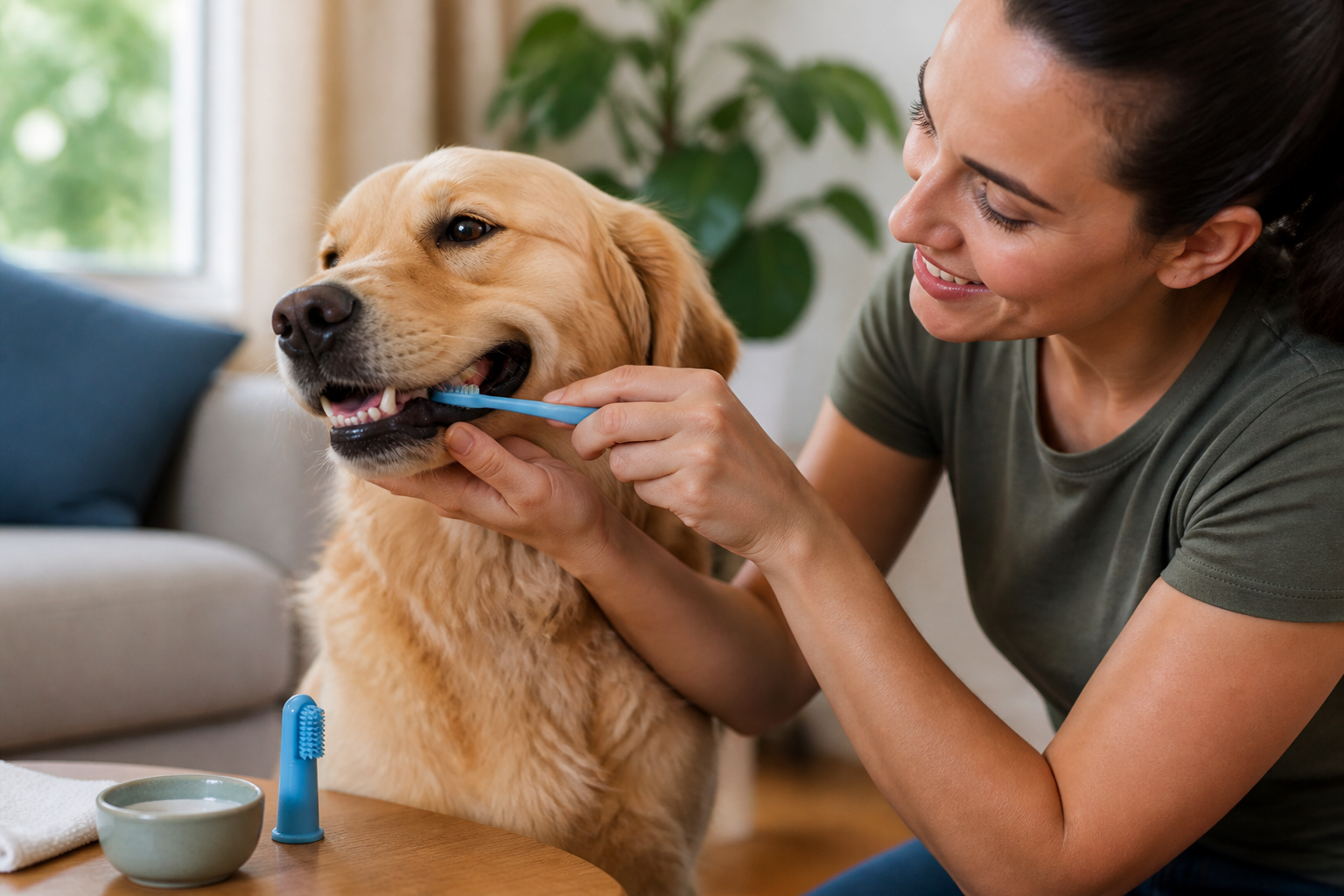
You lean in for a morning snuggle, and instead of a sweet greeting, you get a face full of "dog breath." It is a common moment for every pet owner. We often joke about it, but that smell is usually the first sign of plaque and tartar buildup. Keeping those pearly whites clean is about more than just fresh kisses. It is a vital part of your dog’s overall health and comfort.
At BaxterBoo, we have helped pet parents find the right tools for dental care since 2006. We know that every dog is different. Some will sit perfectly for a toothbrush, while others act like you are trying to perform surgery. This post covers the best tools, treats, and additives you can use to maintain your dog's oral hygiene. From enzymatic toothpastes to prescription diets, we will help you build a routine that works for your lifestyle.
Quick Answer: You can use dog-specific toothbrushes, enzymatic toothpastes, dental chews, and water additives to clean your dog’s teeth. For advanced needs, veterinarians may recommend prescription dental diets or professional cleanings under anesthesia.
The Gold Standard: Brushing with Dog-Specific Tools
Brushing remains the most effective way to remove plaque before it hardens into tartar. Plaque is a sticky film of bacteria that forms on the teeth after eating. If you do not remove it within 48 to 72 hours, it mineralizes into tartar. You cannot brush tartar away at home. Only a professional cleaning can remove that hard, brown buildup.
For toothbrushes, toothpaste, and other supplies, explore our dog dental health collection.
Choosing the Right Toothpaste
Never use human toothpaste on your dog. Most human brands contain fluoride and xylitol. These ingredients are toxic to dogs when swallowed. Since dogs cannot spit, they will ingest everything you put in their mouth.
Look for enzymatic toothpastes made specifically for pets. Formulas such as Vets Preferred enzymatic dog toothpaste are made for pets and come in appealing flavors. This makes the experience feel like a treat rather than a chore.
Picking a Toothbrush Style
The tool you use matters as much as the paste. You have several options depending on your dog’s comfort level.
- Dual-Headed Brushes: These have long handles and two different brush head sizes. They allow you to reach the back molars without putting your hand too deep into the mouth.
- Finger Brushes: These are small silicone or rubber caps that slip over your finger. They are excellent for puppies or dogs who are nervous about long objects.
- 360-Degree Brushes: These have bristles all the way around the head. They are helpful for dogs who wiggle, as they clean multiple surfaces at once.
A dual-ended Virbac C.E.T. pet toothbrush can be a practical option when you want different brush sizes in one tool.
Key Takeaway: Enzymatic toothpaste is the most important part of the brushing process because it continues to work on bacteria after the brushing session ends.
Dental Chews and Edible Solutions
Not every dog is a fan of the toothbrush. If your dog struggles with brushing, dental chews are a fantastic supplement. These are designed to scrub the teeth mechanically as the dog bites down.
For more ideas, read our guide to the best dental chews for dogs.
The Importance of the VOHC Seal
When you browse the dental aisle, look for the Veterinary Oral Health Council (VOHC) seal. This seal means the product has undergone testing to prove it actually reduces plaque or tartar. Many popular brands like Greenies carry this seal.
You can browse our selection of Greenies products when comparing dental treat options.
Dental chews work by encouraging prolonged chewing. The texture is often porous or ridged. As your dog’s teeth sink into the chew, the material scrapes against the surface of the tooth. This action mimics the effect of a toothbrush on the areas your dog uses for heavy chewing.
Natural Chews: Carrots and Apples
You can also use some common vegetables and fruits to help. Raw carrots are a popular choice. They are crunchy and require significant chewing, which provides a mild cleaning effect. Apples can also help, but you must remove the core and seeds first.
While these are healthy snacks, they are not a replacement for dedicated dental products. They do not contain the enzymes or the specific textures found in formulated dental treats. Use them as a healthy addition to a broader dental plan.
The Role of Water Additives and Supplements
If you need a "hands-off" approach, water additives and oral supplements are excellent tools. These are ideal for senior dogs who might have sensitive gums or for pets who are highly resistant to handling.
Our dog dental and breath care supplies include water additives, oral gels, dental chews, and other options.
How Water Additives Work
Dental water additives are liquids you pour into your dog’s daily water bowl. They typically contain ingredients like chlorhexidine or stabilized chlorine dioxide. These components help kill the bacteria in the mouth that lead to plaque and bad breath.
It is a passive way to improve oral health. Every time your dog takes a drink, they are rinsing their mouth with a mild antiseptic. This is particularly helpful for cleaning the tongue and the roof of the mouth, which are areas toothbrushes often miss.
Oral Powders and Supplements
Some supplements come in powder form and are sprinkled over food. These often contain kelp or specific probiotics. Once ingested, these ingredients work through the dog’s saliva to soften existing tartar and prevent new plaque from sticking. Brands like Honest Paws offer various wellness supplements that support overall health, including oral hygiene.
Vet Tip: If your dog has a history of thyroid issues, talk to your veterinarian before using kelp-based dental powders. Some seaweeds are very high in iodine, which can interfere with certain health conditions or medications.
Mechanical Cleaning with Dental Toys
Toys can be a secret weapon in the fight against dental disease. Certain materials and shapes are specifically designed to clean teeth while your dog plays.
Rope Toys and Rubber Textures
Rope toys act like floss. As the cotton fibers slide between the teeth, they can help dislodge food particles. However, you must monitor rope toys closely. If your dog starts to shred and swallow the fibers, it can lead to digestive blockages.
Rubber toys with "nubs" or ridges are also effective. Products from brands like Kong are durable and provide a great surface for scrubbing. You can even smear a little enzymatic toothpaste into the grooves of a rubber toy. This encourages your dog to lick and chew, applying the toothpaste to their own teeth through play.
For additional ideas, see our roundup of dental chews and toys for dogs.
The Bone Debate
Many owners use bones to clean teeth. Raw, meaty bones can be very effective at scaling teeth naturally. However, they come with risks.
- Cooked Bones: Never give your dog a cooked bone. They become brittle and can splinter, causing internal punctures.
- Hard Bones: Very hard items like antlers or marrow bones can actually cause tooth fractures. If a bone is too hard to dent with your fingernail, it might be too hard for your dog’s teeth.
- Supervision: Always supervise your dog when they are chewing on a bone to ensure they do not swallow large chunks.
When to Use the BaxterBoo Pharmacy and Prescription Diets
Sometimes, standard over-the-counter options are not enough. If your dog already has significant dental issues or a breed predisposition to decay, you may need a medical approach.
Prescription Dental Diets
Specialized pet foods, such as those from Farmina Vet Life or Royal Canin, are often prescribed for dental health. These kibbles are usually much larger than standard food. They are designed to stay intact longer so the dog must chew them thoroughly. They also have a specific fiber matrix that scrubs the tooth instead of crumbling immediately.
Our pet pharmacy for dogs offers prescription medications and veterinary products with a valid prescription from your veterinarian.
Medications and Professional Care
If your dog has an active oral infection or severe gingivitis, a vet may prescribe antibiotics or medicated oral rinses. These are FDA-approved medications that address the root of the infection.
Key Takeaway: Our pharmacy provides a convenient way to get FDA-approved dental medications and prescription diets delivered to your door once your vet provides the necessary prescription.
Signs Your Dog Needs Professional Dental Help
Even with the best home care, some dogs will still need professional intervention. It is important to know the signs of dental disease so you can act before your dog is in pain.
For more warning signs, read how to recognize bad teeth in dogs.
Identifying Dental Disease
Check your dog's mouth at least once a week. Look for these red flags:
- Persistent Bad Breath: A "doggy" smell is normal, but a foul or rot-like odor indicates infection.
- Discolored Teeth: Yellow or brown crust near the gum line is tartar.
- Bleeding Gums: If you see blood on a chew toy or in the water bowl, their gums are inflamed.
- Changes in Eating Habits: If your dog starts dropping food, chewing on only one side, or refusing dry kibble, they may be in pain.
- Swelling: Any lumps or bumps on the gums or swelling under the eye can indicate a tooth root abscess.
The Veterinary Dental Exam
A professional cleaning is a medical procedure. It involves scaling the teeth above and below the gumline while the dog is under general anesthesia. This is the only way to treat the bacteria that cause bone loss and systemic health issues.
Veterinarians use anesthesia to ensure the dog remains still and pain-free. It also allows them to take X-rays to see what is happening beneath the surface. Many dental problems are hidden under the gums where you cannot see them.
Creating a Sustainable Dental Routine
The best way to clean your dog’s teeth is to use a combination of methods. Consistency is more important than perfection. If you can only brush once a week, supplement with dental chews and water additives on the other days.
For broader guidance, review these pet dental care tips.
Step-by-Step Brushing Introduction
Step 1: Get them used to touch. / Spend a few days just lifting your dog's lips and touching their teeth with your finger. Give them a treat afterward so they associate the touch with something positive.
Step 2: Introduce the toothpaste. / Let your dog lick a small amount of enzymatic toothpaste off your finger. The taste should be appealing to them.
Step 3: Introduce the brush. / Put a little paste on the brush and gently rub just the front teeth. Do not worry about the back teeth yet.
Step 4: Gradually increase the time. / Slowly work your way toward the back molars. Focus on the outside of the teeth, as this is where most plaque builds up.
Long-Term Success
Remember that dental care is a marathon. Using a mix of toys, treats, and brushing will provide the best results. We carry a wide variety of these products at BaxterBoo to make this process easier for you and your dog. You can also sign up for our Autoship programme to ensure you never run out of dental chews or toothpaste.
Bottom line: A multi-modal approach combining mechanical cleaning, chemical enzymes, and regular veterinary checkups is the most effective way to prevent dental disease.
FAQ
Can I use baking soda to clean my dog's teeth?
It is best to avoid using baking soda regularly. While it is not strictly toxic in tiny amounts, it has a very high alkaline content that can upset a dog’s stomach if swallowed. It also has a salty taste that most dogs dislike, which can make them fight the brushing process. It is much safer and more effective to use a flavored enzymatic toothpaste designed for pets.
How often should I clean my dog's teeth?
Ideally, you should brush your dog's teeth every single day. Plaque can turn into tartar in as little as 36 to 48 hours. If daily brushing is not possible, aim for at least three times a week. Supplementing with dental chews or water additives on the "off" days can help bridge the gap and keep bacteria levels lower.
Are dental wipes as effective as brushing?
Dental wipes are a good alternative for dogs who absolutely will not tolerate a toothbrush. They are effective at removing surface plaque from the flat sides of the teeth. However, they cannot reach the crevices between teeth or the deep grooves in the back molars as well as bristles can. They are a great "better than nothing" tool but work best when combined with other methods.
Do dental chews really work?
Yes, high-quality dental chews can significantly reduce plaque and tartar. The best ones have a specific texture that encourages the tooth to sink in, providing a scrubbing action. For the best results, look for products with the VOHC seal of approval. Remember that chews add calories to your dog's diet, so you may need to adjust their meal portions accordingly.






