
 Save 15% on your 1st Autoship learn more

 Email us
 Live Chat
 FAQs





Introduction
You are relaxing on the sofa with your cat when you notice something odd in their fur. As you run your hand along their back or scratch their chin, you see tiny black specks that look like ground pepper. It is a common moment of worry for many pet owners. You might wonder if your cat has developed a strange form of cat black dandruff or if something else is hiding in their coat. While real dandruff is typically white or gray, these dark flakes are almost always a sign of a specific skin issue or a parasite.
At BaxterBoo, we know that keeping your cat’s coat healthy is a top priority for any pet parent. This post covers the most likely causes for those dark specks, how to tell them apart, and what steps you can take to clear them up. Understanding whether you are dealing with fleas or feline acne is the first step toward a happy, flake-free cat.
Quick Answer: Cat black dandruff is usually flea dirt or feline acne rather than actual skin flakes. Flea dirt appears as peppery specks that turn red when wet, while feline acne looks like blackheads specifically on the chin.
What Exactly Is Cat Black Dandruff?
When we talk about dandruff in pets, we are usually talking about seborrhea. This is a condition where the skin sheds dead cells too quickly. In most cases, these skin cells are white or yellowish. If you are seeing black specks, you are likely looking at debris rather than shed skin.
There are two primary reasons a cat will have black material in their fur. The first is flea dirt, which is actually the waste left behind by fleas. The second is feline acne, which involves clogged pores that form blackheads. While they might look similar to the naked eye, their causes and treatments are very different.
Actual skin flakes that are dark are very rare. Some cats with high pigment in their skin might shed darker cells, but this is not common. If the specks are scattered through the fur or concentrated on the chin, they are almost certainly not skin. We recommend checking the location and texture of the specks before deciding on a treatment.
Cat Skin & Coat Care








Flea Dirt: The Most Common Culprit
If you see black specks on your cat’s back, neck, or tail base, fleas are the most likely cause. Even if you do not see a single live bug, the evidence is often left behind in the form of flea dirt. This material is actually digested blood. Fleas feed on your cat and leave waste behind that looks exactly like black pepper or dark dandruff.
Flea dirt is often the first sign of an infestation. Cats are excellent groomers and will often lick away live fleas before you ever see them. However, they cannot always get rid of the waste trapped deep in their coat. This debris stays stuck to the skin and hair until it is brushed out or washed away.
The Paper Towel Test
There is a simple way to tell if those black specks are flea dirt. This is a standard trick used by grooming professionals and veterinarians. It helps you confirm a flea problem in seconds.
Step 1: Use a fine-toothed flea comb to brush your cat. / Focus on the area around the base of the tail and the neck.
Step 2: Collect any black specks from the comb. / Place them on a white, damp paper towel.
Step 3: Wait a few minutes and watch for a color change. / If the specks dissolve and create a reddish-brown stain, it is flea dirt.
The red color is the blood that the flea has digested. If the specks stay black and do not change color, they might be regular dirt or feline acne.
Why Flea Prevention Matters
Finding flea dirt means there are live fleas nearby. A single flea can lay dozens of eggs every day. These eggs fall off your cat and into your carpets, furniture, and bedding. This creates a cycle that can be hard to break without the right products.
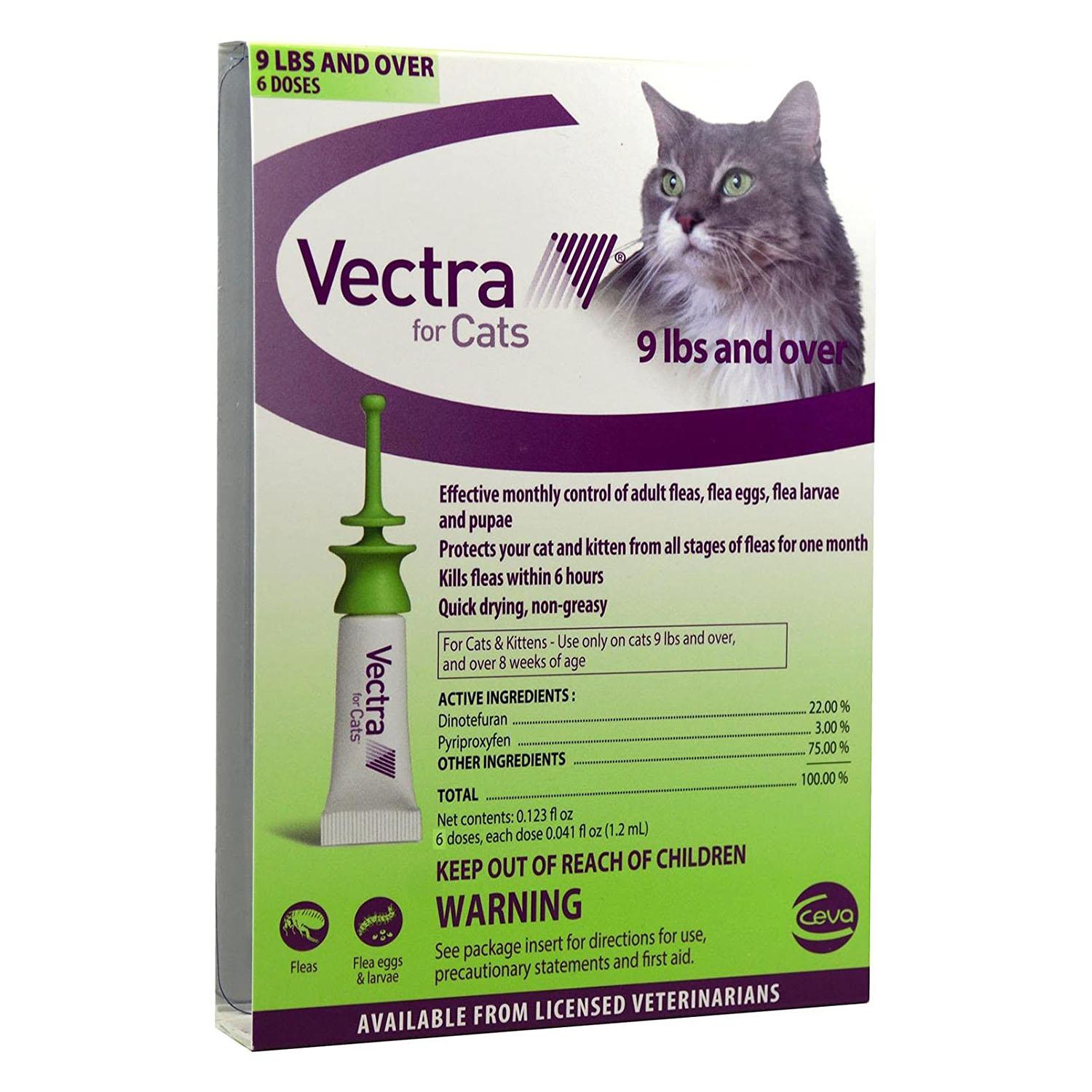
Our pharmacy carries FDA-approved flea and tick preventives through our partnership with Pet's Choice. These medications are essential for stopping the flea life cycle. We carry trusted brands like Frontline and NexGard to help protect your home and your pet. It is always best to consult your veterinarian to find the specific dose and product that fits your cat's weight and health history. Explore our cat flea and tick collection for prevention and home-care options.
Key Takeaway: Black specks that turn red on a wet paper towel are flea dirt. This confirms a flea infestation that requires both pet and home treatment.
Feline Acne: Blackheads and Clogged Pores
If the black specks are concentrated only on your cat's chin or around their lips, they likely have feline acne. This condition occurs when the hair follicles on the chin become clogged with excess oil and keratin. These clogs form blackheads, also known as comedones.
Feline acne can look like small black seeds stuck to the skin. In mild cases, it just looks like your cat has a dirty chin. If the condition gets worse, the area can become red, swollen, or even develop pimples that bleed. Unlike flea dirt, you cannot easily brush these specks away because they are often rooted in the pore.
Common Causes of Chin Acne
Several factors can lead to a breakout on your cat's face. While every cat is different, these are the most frequent triggers:
- Plastic Food Bowls: Plastic is porous and can trap bacteria. When your cat eats, their chin rubs against the bowl, transferring that bacteria to their skin.
- Poor Grooming: Some cats are less diligent about cleaning their faces. This allows oils to build up over time.
- Stress: High stress levels can change oil production in the skin.
- Hormonal Imbalances: Much like human teenagers, some cats have hormonal shifts that trigger acne.
To help manage this, we suggest switching to stainless steel or ceramic bowls. These materials are easier to sanitize and do not harbor bacteria like plastic does. Regularly washing these bowls in hot water can make a big difference in your cat's skin health.
Vet Tip: If your cat's chin becomes red, loses hair, or develops painful bumps, see your veterinarian. They may need to prescribe a medicated wash or an antibiotic to treat a secondary infection.
Environmental and Lifestyle Factors
Sometimes, what looks like cat black dandruff is actually just dirt from the environment. If your cat spends time outdoors or enjoys rolling in a dusty corner of the basement, they might just be picking up debris. However, there are other lifestyle factors that can make a cat's coat look flaky or dirty.
Obesity and Mobility Issues
Cats are famously clean animals, but they have to be able to reach their fur to keep it that way. Overweight cats often struggle to reach their lower back and tail area. When a cat cannot groom these spots, natural oils and dead skin cells build up. This creates a greasy, flaky appearance.
Senior cats with arthritis face similar challenges. If it hurts to bend or twist, they will stop grooming those hard-to-reach areas. This lack of maintenance can lead to a coat that looks dull and full of dark debris. If you notice your cat is grooming less, it may be a sign of physical discomfort.
Indoor Air Quality
Low humidity can also play a role in skin health. During the winter, indoor heating can dry out a cat's skin. This usually leads to white dandruff, but the dry skin can also become itchy. If your cat scratches excessively due to dry skin, they may cause small scabs or skin damage. These scabs can look like dark specks as they heal and flake off.
Bottom line: A cat that cannot groom itself effectively will develop a buildup of skin cells and oils that can mimic dandruff or trap dirt.
Nutritional Support for Healthy Skin
A cat's skin is their largest organ. It requires a lot of nutrients to stay healthy and supple. If their diet is lacking in certain areas, the skin and coat are often the first things to suffer. High-quality food is the foundation of a flake-free coat.
The Role of Fatty Acids
Omega-3 and Omega-6 fatty acids are essential for maintaining the skin barrier. These fats help the skin retain moisture and stay flexible. We carry several supplements, including options from Zesty Paws and Honest Paws, that are formulated to support healthy skin. Adding a small amount of fish oil to your cat’s food can often reduce dryness and improve the overall shine of their fur. You can browse our cat skin and coat care selection for nutritional and topical support.
Protein and Hydration
Cats are obligate carnivores, meaning they need high levels of animal protein. The keratin that makes up their hair and skin is built from these proteins. A diet low in quality protein can lead to a brittle coat and flaky skin.
Hydration is also a major factor. Cats that do not drink enough water may have chronically dry skin. Since cats often have a low thirst drive, feeding wet food from brands like Tiki Cat or Fussie Cat can help increase their moisture intake. This keeps the skin hydrated from the inside out.
Managing the Condition at Home
Once you have identified the cause of the black specks, you can take steps to clear them up. The approach will depend on whether you are dealing with parasites, acne, or general skin health.
Grooming Routines
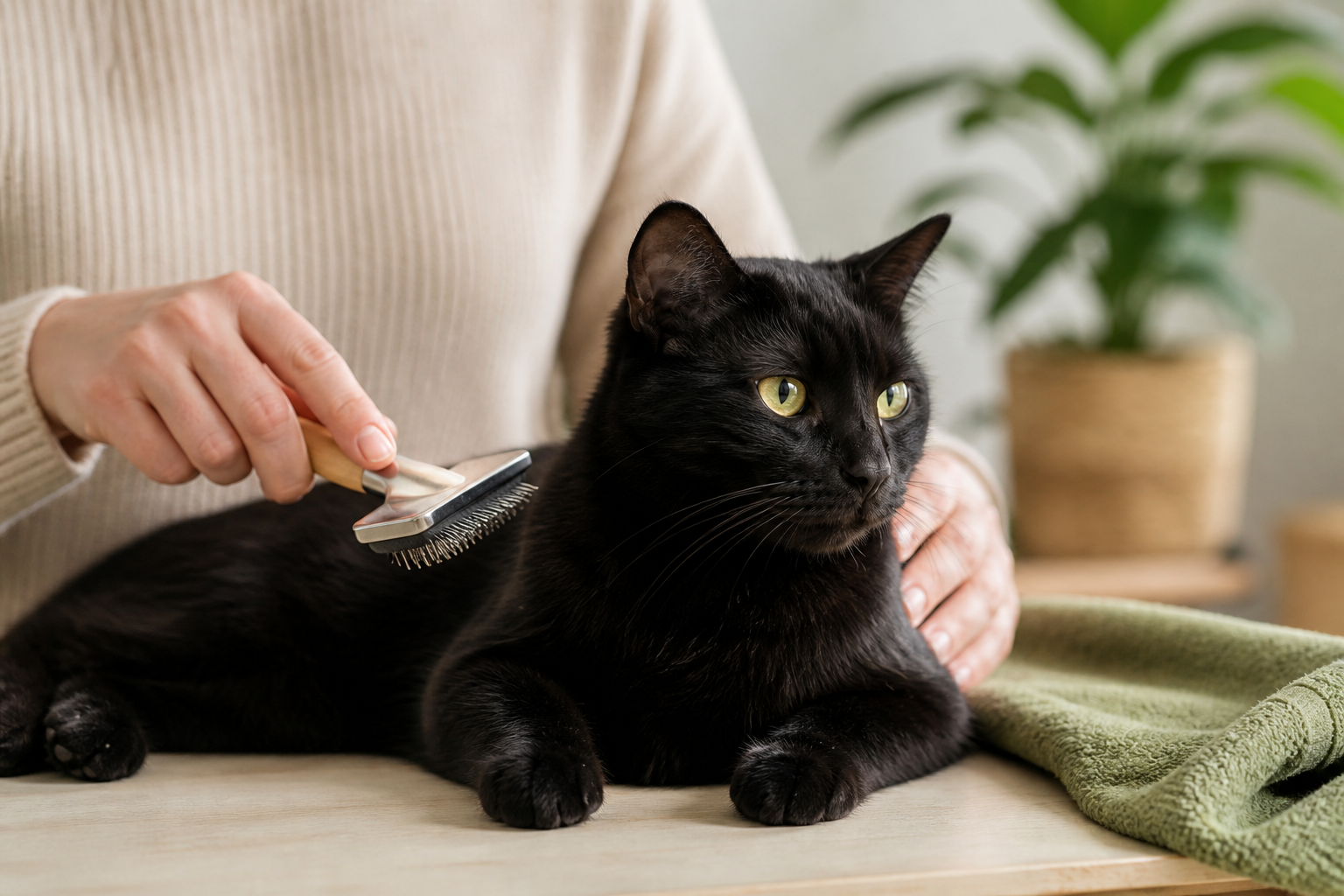
Regular brushing is one of the best things you can do for your cat’s coat. It removes loose hair, spreads natural oils, and gets rid of debris. For cats with flea dirt, a fine-toothed flea comb is the best tool. It is designed to pull small particles away from the skin. A U-Groom Contoured Grip Flea Comb for Dogs and Cats can be a useful addition to a regular grooming routine.
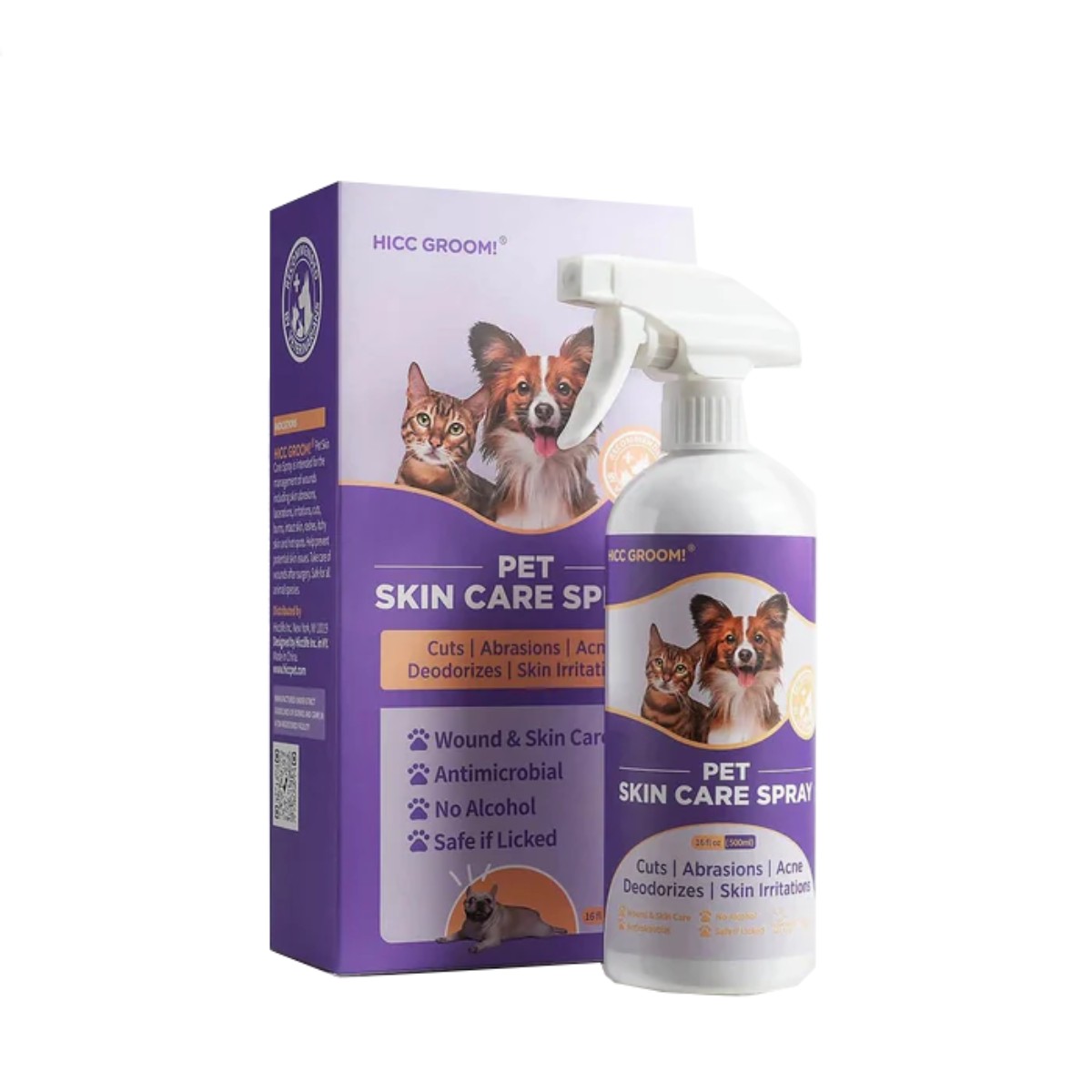
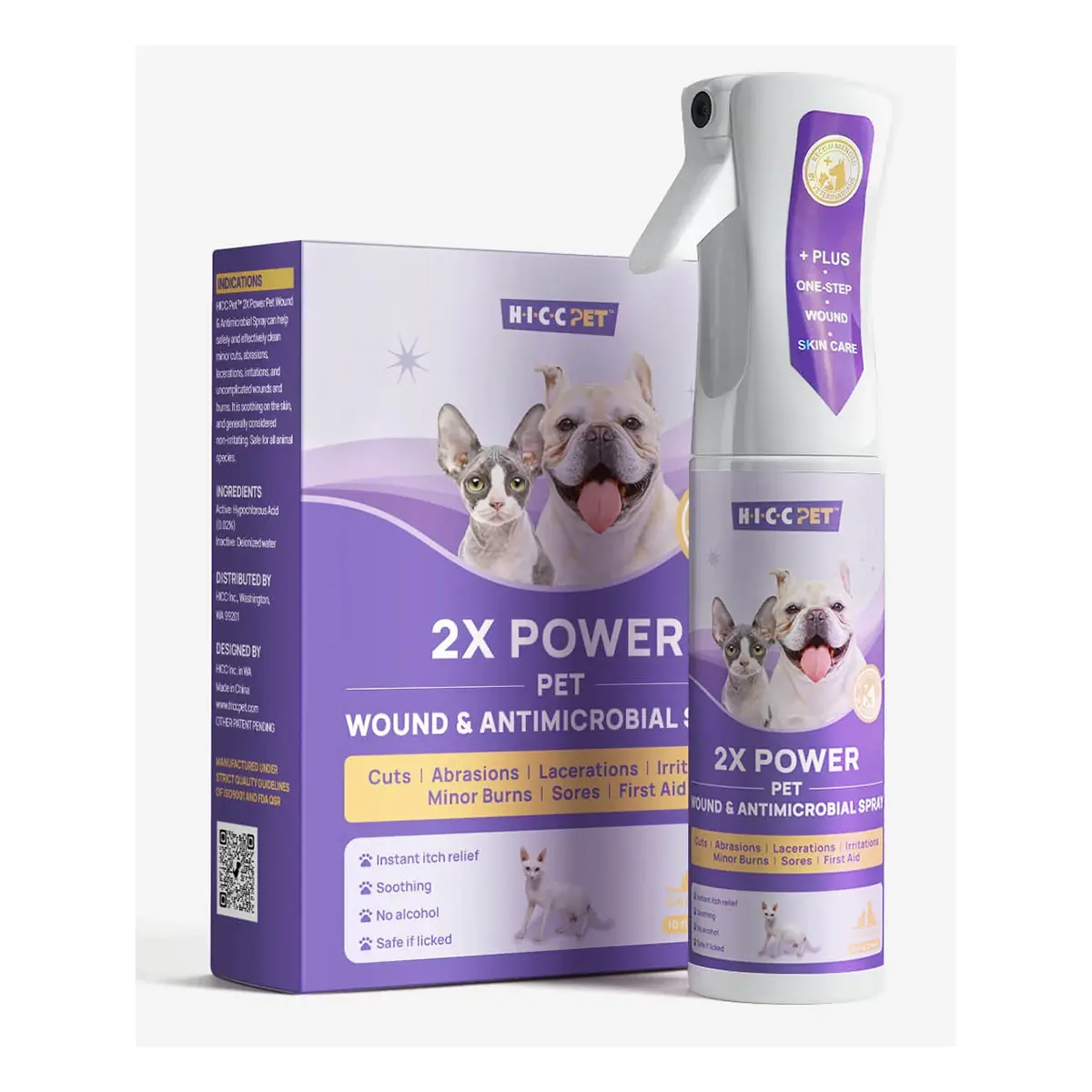
If your cat has feline acne, you can gently wipe their chin with a warm, damp cloth once a day. This helps loosen the blackheads and remove excess oil. Do not squeeze the blackheads, as this can lead to a painful infection.
Treating the Environment
If the cause is fleas, treating the cat is only half the battle. You must also treat your home. Flea eggs can survive for a long time in carpets and cracks in the floor.
- Vacuum all carpets and upholstered furniture daily.
- Wash all pet bedding in hot water.
- Empty your vacuum container outside immediately after use.
- Consider using an environmental spray if the infestation is heavy.
Consistency is key when dealing with fleas. It often takes three months of continuous treatment to fully clear an infestation because of the way flea eggs hatch in waves. For additional guidance, read our guide to flea and tick prevention products.
Key Takeaway: Success requires a two-pronged approach: treating the cat's skin directly and cleaning the environment where the problem started.
When to Consult Your Veterinarian
While many cases of cat black dandruff can be managed with home care and better grooming, some situations require professional help. Skin issues can sometimes be a symptom of a deeper health problem. It is important to know when a simple flake is actually a warning sign.
You should make an appointment with your vet if you notice:
- The skin is red, inflamed, or bleeding.
- Your cat is losing patches of hair.
- There is a foul odor coming from the skin or ears.
- Your cat is scratching so much they are causing self-injury.
- The black specks appear alongside weight loss or lethargy.
Some medical conditions, such as hyperthyroidism or diabetes, can change the way a cat's skin looks. A vet can perform skin scrapings or blood tests to rule out these issues. They can also provide prescription-strength shampoos or medications if the acne or flea problem has led to a secondary infection.
Our pharmacy partnership with Pet's Choice makes it easy to fill these prescriptions. Once your vet provides a script for medicated shampoos or oral treatments, we can help you get those items delivered right to your door. This saves you a trip to the clinic for refills and ensures your cat gets the exact medicine they need. Our cat healthcare collection includes products for a variety of everyday wellness needs.
Comparing "Black Dandruff" Causes
| Feature | Flea Dirt | Feline Acne | Regular Dirt |
|---|---|---|---|
| Location | Anywhere, usually tail/neck | Primarily the chin/lips | Anywhere on the coat |
| Appearance | Peppery specks | Blackheads or "seeds" | Irregular grains or dust |
| Wet Test | Turns reddish-brown | Stays black/gray | Stays the same color |
| Grooming | Can be brushed out | Often stuck in pores | Brushes out easily |
| Behavior | Intense scratching | Usually no itching | No behavior change |
Conclusion
Seeing black specks in your cat's fur can be a surprise, but it is a problem you can solve. Whether it is a sign of uninvited fleas or just a few clogged pores on the chin, identifying the cause is the first step. By using the paper towel test and checking the location of the specks, you can determine the best course of action.
Regular grooming, high-quality nutrition, and switching to non-porous food bowls are simple ways to keep your cat's skin healthy. For ongoing protection, consistent flea prevention is the most effective tool in your kit. We are here to help you find the right supplies for your pet’s wellness journey.
Our pharmacy through Pet's Choice offers a wide range of FDA-approved flea treatments and prescription diets to help manage your cat’s skin health. Consider setting up an Autoship order for your favorite grooming supplies and preventives. This ensures you never run out of the essentials while saving you money on every delivery.
FAQ
Why does my cat have black specks on their chin?
These specks are most likely feline acne, which consists of blackheads formed by clogged pores. It often happens when bacteria from plastic food bowls or poor grooming habits irritate the skin. Switching to stainless steel or ceramic bowls and gently wiping the chin can help clear it up.
How do I tell if black specks are flea dirt?
Collect some of the specks and place them on a white, damp paper towel. If the specks dissolve and leave behind a reddish-brown or rusty smear, it is flea dirt. This color comes from the digested blood that fleas leave behind as waste.
Is cat black dandruff contagious to humans?
If the "dandruff" is actually flea dirt, then the fleas themselves are the concern. While feline fleas prefer cats, they can bite humans and jump to other pets in the house. Feline acne is not contagious to humans or other animals, as it is a localized skin reaction.
Can I get rid of cat black dandruff with a bath?
A bath can help wash away flea dirt or environmental grime, but it may not solve the underlying problem. If the specks are flea dirt, you still need to treat the fleas with a preventive. If it is feline acne, a standard bath might not be as effective as a targeted medicated wash recommended by your vet.






- Site & Contents BaxterBoo.com. BaxterBoo is located in the United States.
- Privacy & Security
- Terms of Use
- Accessibility Statement
