
 Save 15% on your 1st Autoship learn more

 Email us
 Live Chat
 FAQs





Introduction
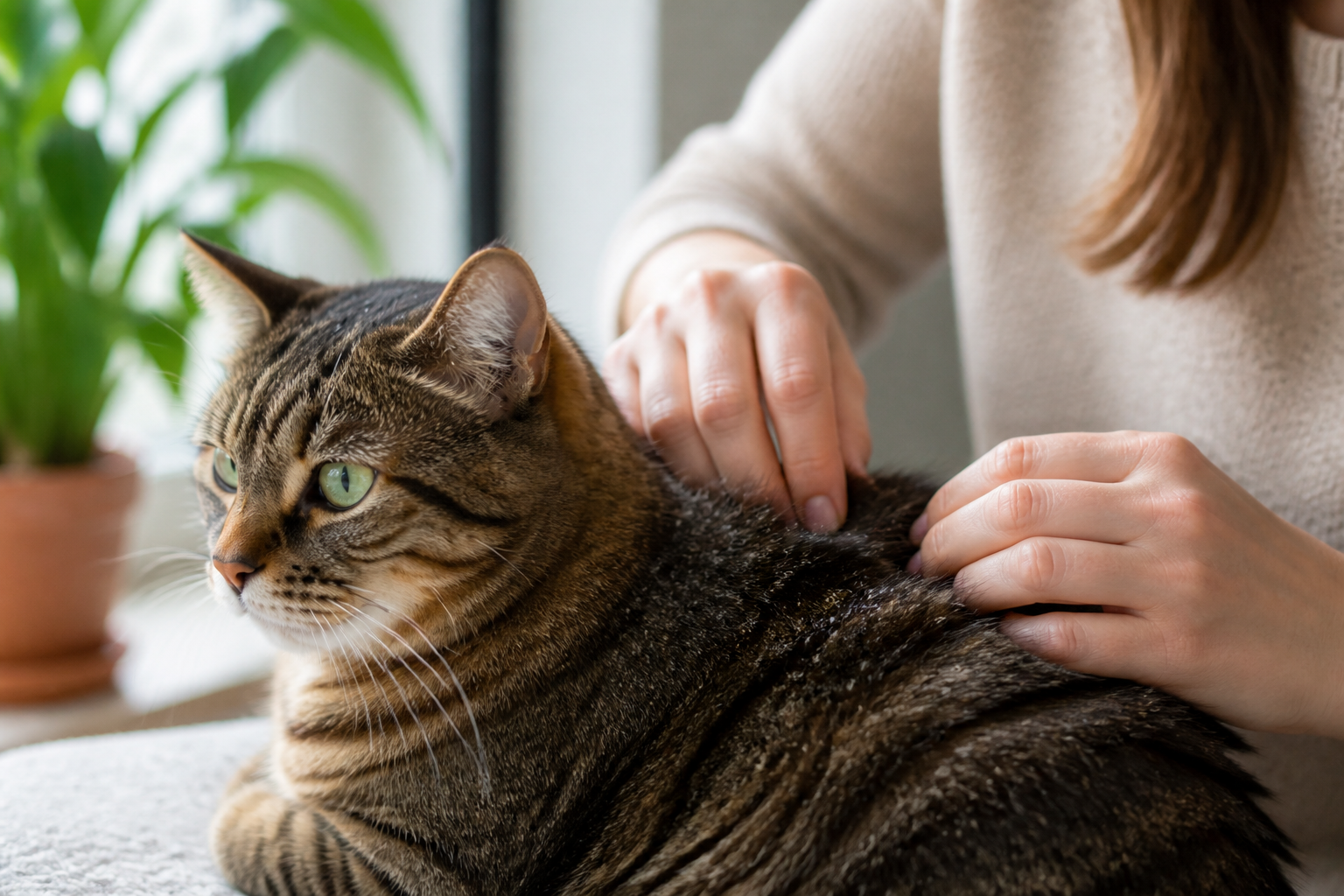
You are relaxing on the couch with your favorite feline when the light catches their coat just right. Instead of a sleek, glossy surface, you notice a dusting of white flakes along their lower back. This discovery often leaves owners wondering if their pet is simply dirty or if something is wrong. At BaxterBoo, we know that your cat's skin is a window into their overall health. While a few flakes might seem like a minor cosmetic issue, they often signal an underlying imbalance. This post covers the various environmental, physical, and medical reasons behind these flakes. We will help you understand when to reach for a brush and when it is time to call the veterinarian.
Quick Answer: Cat dandruff is the visible buildup of dead skin cells on the fur. It can be caused by dry air, poor grooming due to obesity or arthritis, parasites like mites, or internal health issues like diabetes and allergies.
The Difference Between Dandruff and Dander
Many pet owners use the terms dandruff and dander interchangeably, but they are not the same thing. Every cat produces dander as a part of their normal, healthy skin cycle. Dander consists of microscopic skin cells that shed naturally and are usually invisible to the naked eye. This is the material that often triggers allergies in humans because it carries proteins from the cat's saliva.
Dandruff is different because it is visible. These are larger flakes of dead skin that have clumped together. If you can see white or gray specks on your cat’s fur or their bedding, you are looking at dandruff. While dander is healthy and expected, dandruff is a sign that the skin turnover process is happening too quickly or that dead cells are not being removed properly.
Cat Skin & Coat Care





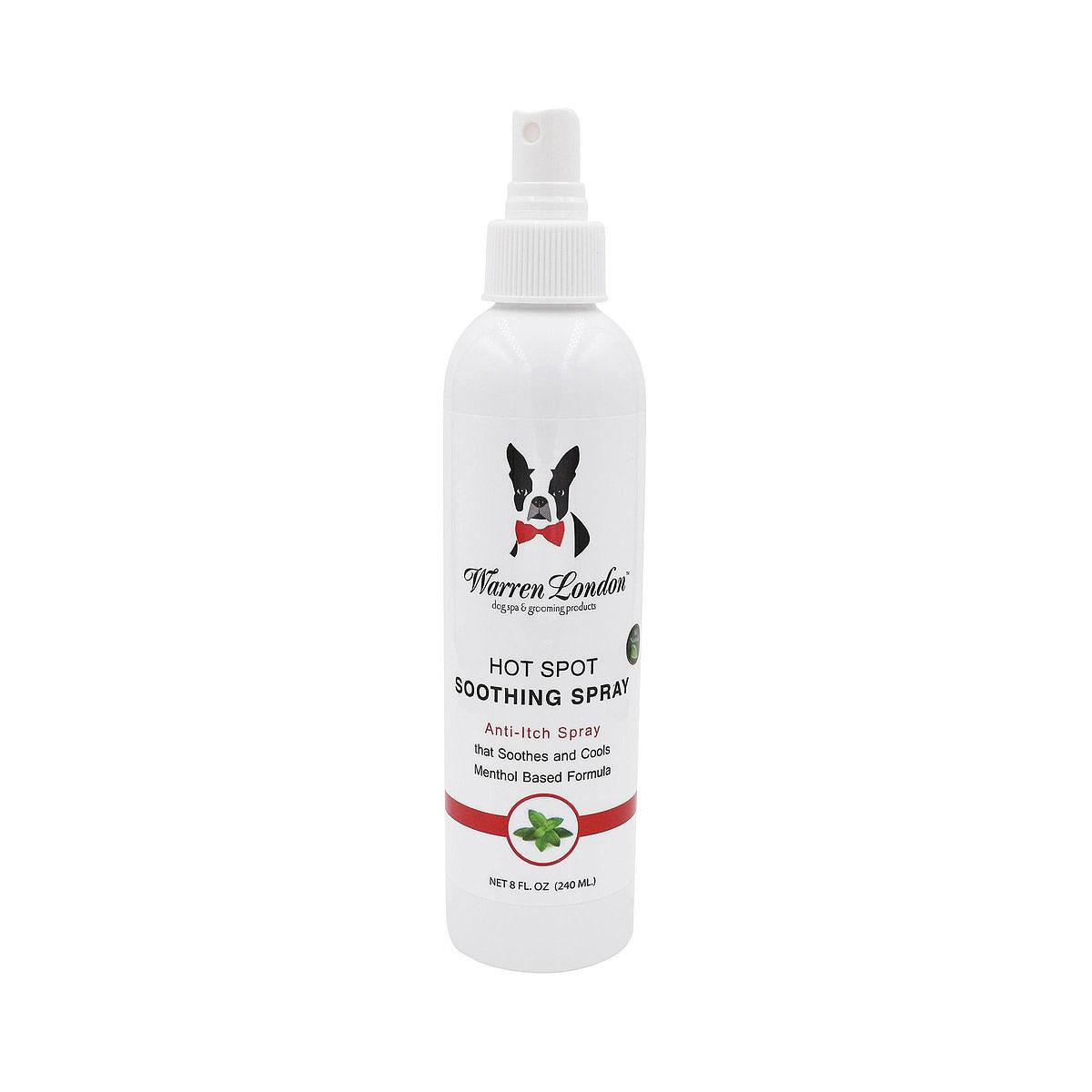

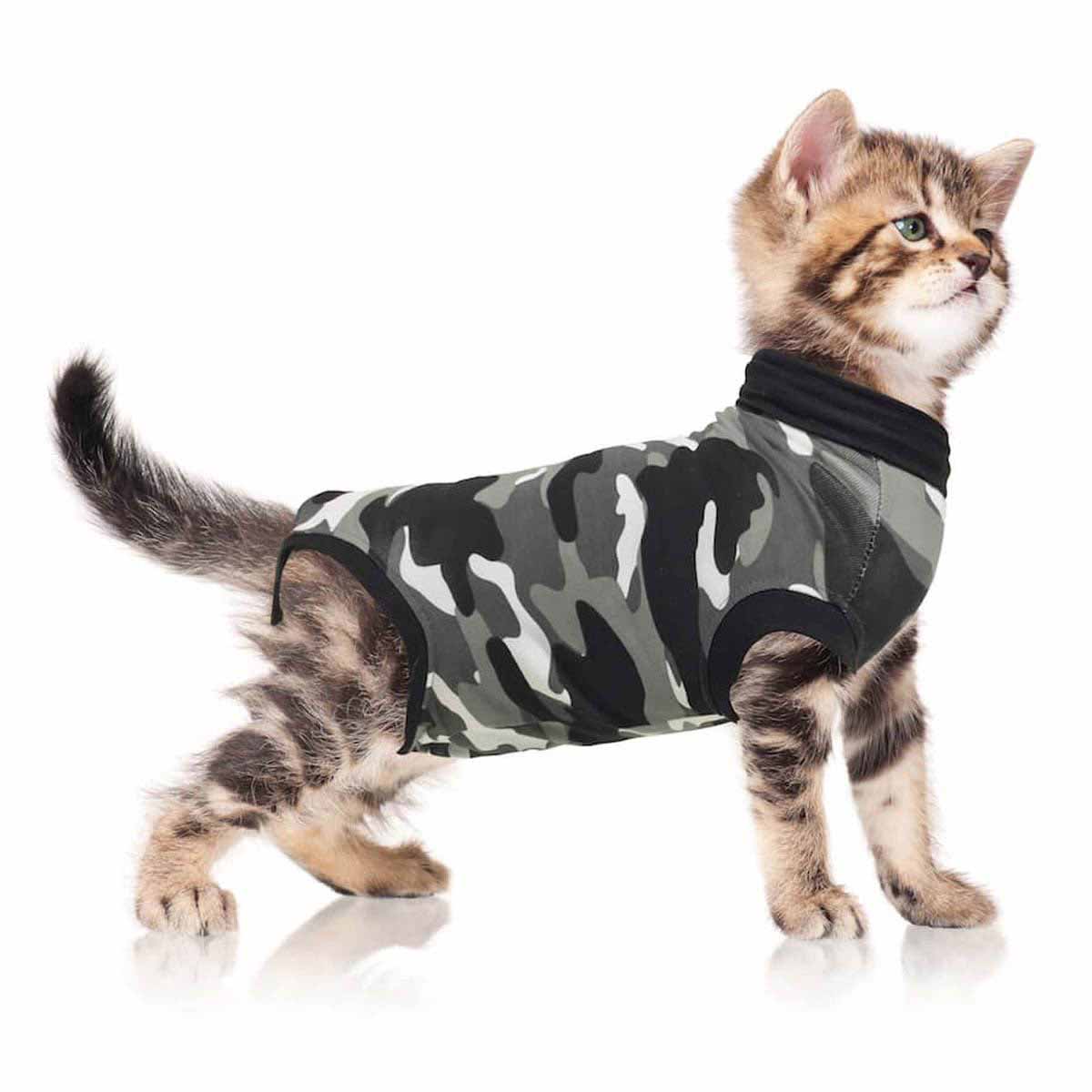


Environmental Factors and Dry Air
One of the most common causes of feline dandruff is the environment. Low humidity levels can zap moisture from your cat's skin, leading to a dry and flaky coat. This is especially prevalent during the winter months when heaters are running constantly. Forced air heat can create a very dry indoor climate that affects cats just as much as humans.
If your cat spends a lot of time near a radiator or a heat vent, their skin may dry out faster in those specific areas. You might notice the flaking is worse along their spine or the base of their tail. Using a humidifier in your home can often provide relief. This adds moisture back into the air and helps keep the skin barrier hydrated.
Physical Barriers to Proper Grooming
Cats are famously fastidious about their cleanliness. They spend a significant portion of their waking hours licking and smoothing their fur. This grooming process does more than just clean the coat. It distributes natural oils called sebum across the skin and removes dead cells before they can clump into dandruff.
If a cat stops grooming effectively, dandruff is one of the first signs you will notice. There are two primary physical reasons why a cat might struggle to maintain their coat. For additional coat-care options, explore our cat grooming supplies.
Obesity and Weight Issues
Overweight cats often have a hard time reaching certain parts of their body. If a cat cannot reach their lower back or the base of their tail, dead skin cells and loose hair will begin to accumulate. This creates a buildup of debris that eventually flakes off as dandruff. We often see this in cats who have lost their flexibility due to excess weight.
Arthritis and Joint Pain
Senior cats often suffer from arthritis or general joint stiffness. Bending and twisting to groom the hindquarters can become painful. If your older cat has dandruff concentrated on their back and rump, it may be because it hurts them to reach those areas. Managing their pain is the first step in restoring their coat health.
Vet Tip: If you notice your cat is grooming less or seems stiff when moving, consult your veterinarian. They can diagnose conditions like arthritis and may suggest prescription joint support or pain management through our cat pharmacy.
Skin Parasites and Walking Dandruff
External parasites are a common culprit for skin irritation. Fleas are the most frequent offenders. Even if you do not see a live flea, your cat could be reacting to flea saliva. This reaction, known as flea allergy dermatitis, causes intense itching, redness, and heavy flaking.
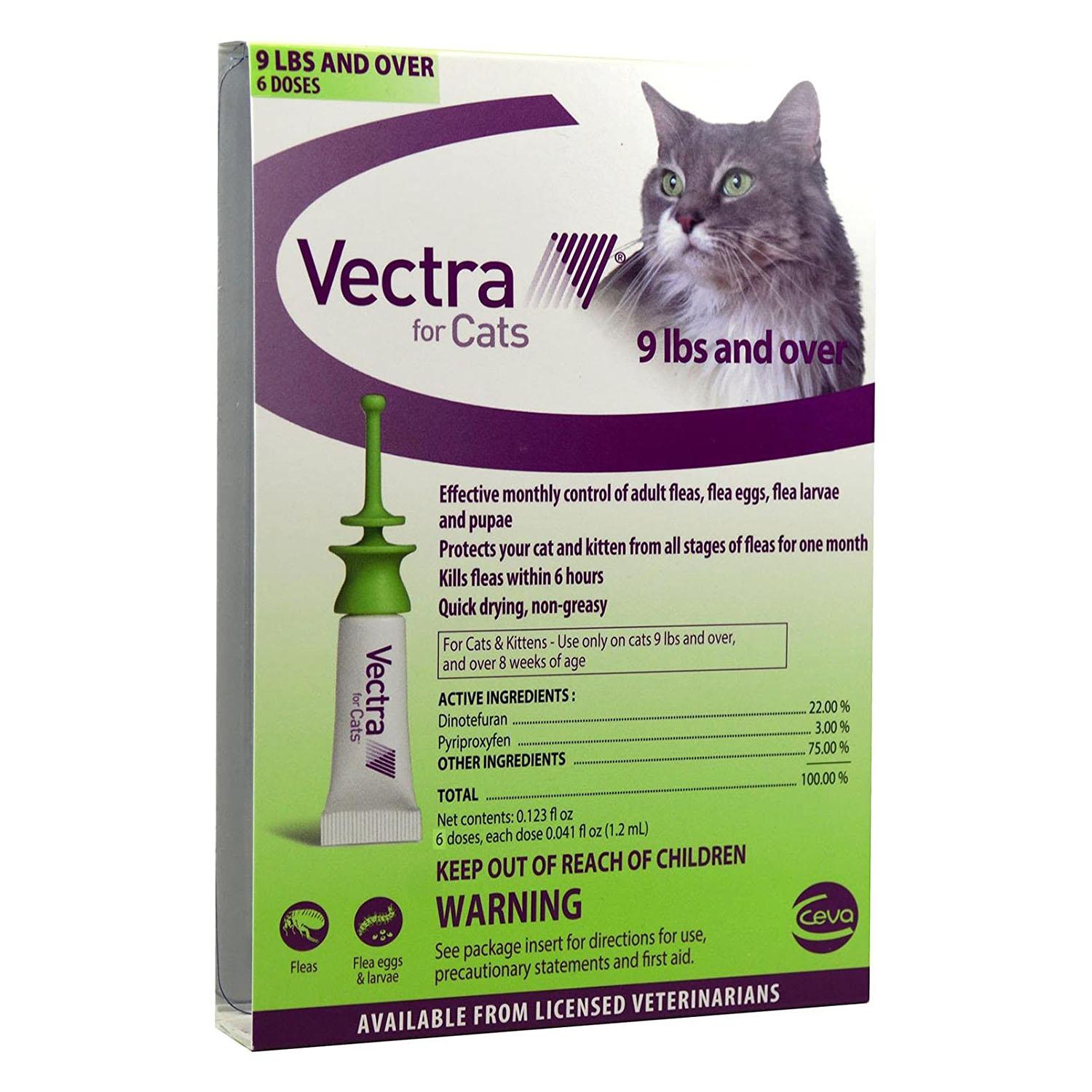
There is also a specific parasite called the Cheyletiella mite. This condition is often nicknamed walking dandruff. The mites are large enough to be seen with the naked eye, and as they move beneath the scales of the skin, the flakes appear to be moving on their own. This parasite is highly contagious between pets and requires specific medical treatment. Consistent prevention options are available in our cat flea and tick collection.
Common Parasite Indicators
- Small black specks in the fur (flea dirt)
- Intense scratching or biting at the skin
- Red, crusty bumps or lesions
- Flakes that appear to shift or move
Key Takeaway: Parasites like fleas and mites are major drivers of feline dandruff. Consistent, year-round prevention is the best way to protect your cat's skin barrier.
For more information about parasite prevention, read our guide to flea and tick prevention products.
Nutritional Deficiencies and Diet
What your cat eats directly impacts the quality of their skin. The skin is the largest organ in the body, and it requires a significant amount of protein and healthy fats to stay supple. If a cat's diet is low in essential fatty acids, their skin may become dry, brittle, and prone to flaking.
Omega-3 and Omega-6 fatty acids are crucial for maintaining the moisture barrier of the skin. Many premium brands we carry, such as Tiki Cat or Fussie Cat, formulate their recipes with high-quality proteins and fats that support coat health. If you are feeding a low-fat or lower-quality commercial diet, your cat might not be getting the nutrients they need for a shiny, flake-free coat.
Bottom line: A balanced diet rich in essential fatty acids is vital for preventing dry skin and dandruff in cats of all ages.
Underlying Systemic Health Issues
Sometimes dandruff is a symptom of a deeper internal problem. When the body is stressed by a chronic illness, it may redirect nutrients away from the skin to more vital organs. Several systemic conditions can lead to poor coat quality and excessive flaking. You can browse our cat healthcare collection while discussing appropriate care with your veterinarian.
Diabetes Mellitus
Diabetes affects how a cat's body processes glucose and maintains hydration. Dehydration is a hallmark of feline diabetes, and a dehydrated cat will almost always have dry, flaky skin. If you notice your cat is drinking more water and using the litter box more frequently alongside their dandruff, a vet visit is necessary.
Hyperthyroidism
An overactive thyroid gland can speed up a cat's metabolism, leading to changes in the skin and hair. Cats with hyperthyroidism often have a greasy or unkempt appearance. The skin may produce too much oil, which causes skin cells to clump and flake off in large, oily patches.
Kidney Disease
Chronic kidney disease is common in older cats. As the kidneys struggle to filter waste and conserve water, the cat becomes chronically dehydrated. This lack of internal moisture reflects quickly on the skin surface, resulting in a dull, flaky coat.
Allergies and Skin Sensitivity
Cats can suffer from allergies just like people do. When a cat has an allergic reaction, their skin often becomes inflamed. This inflammation disrupts the normal shedding process and leads to dandruff.
- Food Allergies: Some cats develop sensitivities to specific proteins like chicken or beef. This often manifests as itchy skin around the head and neck, along with body-wide flaking.
- Environmental Allergies: Pollen, dust, and mold can trigger skin reactions. These are often seasonal, meaning the dandruff might get worse in the spring or fall.
- Contact Allergies: Certain shampoos, detergents used on cat beds, or even specific floor cleaners can irritate a cat’s skin upon contact.
How to Manage and Treat Cat Dandruff
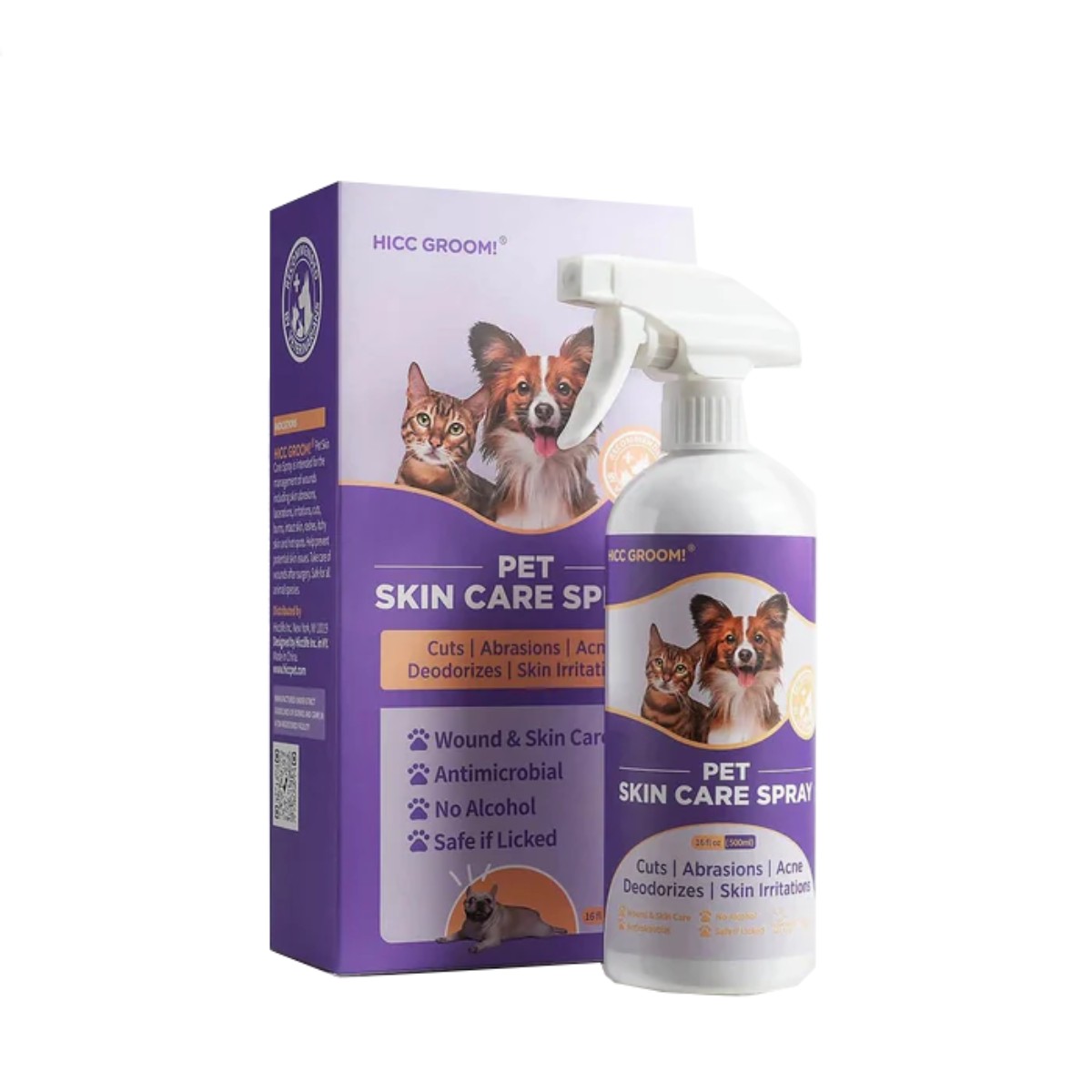
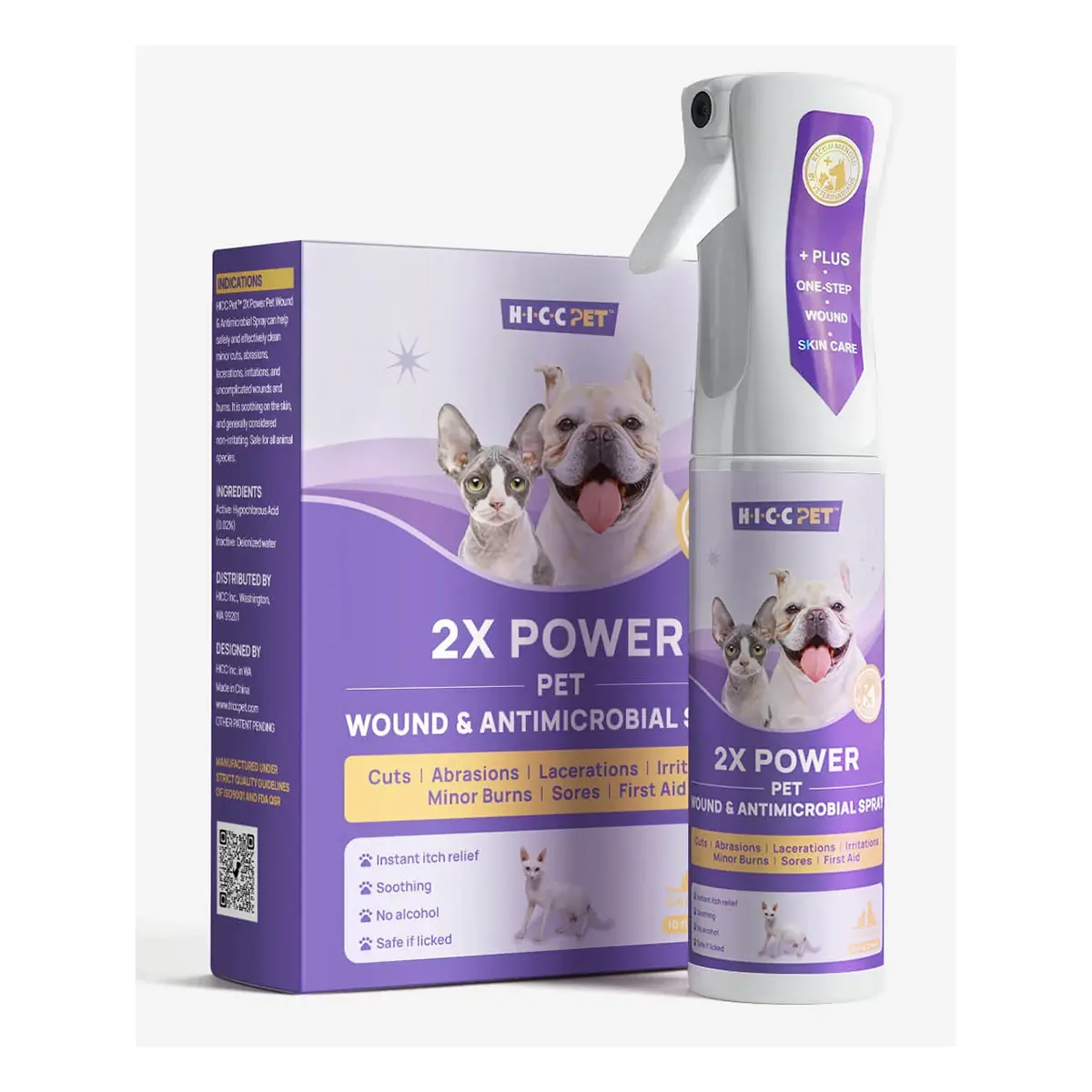
Once you have identified the likely cause with your veterinarian, you can start a management routine. Most cases of dandruff require a multi-pronged approach that includes grooming, environmental changes, and medical support. Our cat skin and coat care options can support an everyday care routine.
Step-by-Step Grooming Routine
Step 1: Choose the right tool. / Use a soft-bristled brush or a fine-toothed comb designed for cats. We recommend brands like Kong for durable grooming tools that remove loose fur without irritating the skin.
Step 2: Brush in the direction of hair growth. / Work in short, gentle strokes. This distributes natural oils and removes dead skin cells that have already detached.
Step 3: Focus on hard-to-reach areas. / Pay special attention to the lower back and the base of the tail if your cat is older or overweight.
Step 4: Wipe the coat. / Use a damp cloth or pet-safe grooming wipes to pick up remaining flakes. This is a great alternative to a full bath, which most cats dislike.
Hydration and Nutrition
Increasing your cat's water intake is one of the easiest ways to improve skin health. If your cat only eats dry kibble, consider adding wet food to their daily routine. Wet food provides much-needed moisture that helps hydrate the skin from the inside out. You can also add a salmon oil supplement to their meals to boost their intake of Omega-3 fatty acids.
Utilizing the Pharmacy
For cats with medical causes for their dandruff, home care alone is not enough. Our pharmacy services offer prescription medications with veterinary authorization. This includes prescription diets for weight management, insulin for diabetic cats, and specialized flea and tick preventives that treat mites. If your vet prescribes a medicated shampoo or a systemic treatment, you can find those options through our dedicated pharmacy services.
Note: Never use human dandruff shampoos on a cat. These products often contain ingredients like zinc or salicylic acid that can be toxic if your cat licks their fur.
When to See the Veterinarian
While a few white flakes are usually benign, some symptoms indicate a more serious problem. If the dandruff is accompanied by any of the following, schedule a checkup immediately.
- Redness or Lesions: If the skin beneath the flakes looks raw, red, or has open sores.
- Patchy Hair Loss: If your cat is losing clumps of fur or has bald spots.
- Intense Itching: If your cat is constantly scratching, biting, or over-grooming to the point of self-injury.
- Behavioral Changes: If your cat is lethargic, has a decreased appetite, or is drinking excessive amounts of water.
- Odor: If the skin or coat has a foul or musty smell, which could indicate a bacterial or yeast infection.
Protecting the Skin Barrier
At BaxterBoo, we believe that a healthy coat starts with a healthy lifestyle. This means providing a high-quality diet, keeping your cat at a lean weight, and staying consistent with parasite prevention. Regular grooming is not just about looks. It is a time for you to check for lumps, bumps, or changes in skin texture.
If your cat's dandruff persists despite daily brushing and adding a humidifier to your home, it is time to look deeper. Many cats manage chronic conditions like allergies or thyroid issues for years with the right medical support. By addressing the root cause, you can help your cat feel more comfortable and get their coat back to its natural, glossy state.
Summary of Home Care Strategies
Managing dandruff at home is often about consistency. Small changes in your daily routine can make a big difference for your cat's comfort.
- Daily Brushing: Removes flakes and stimulates oil production.
- Humidity Control: Prevents the skin from drying out during winter.
- Weight Management: Ensures your cat can reach all areas for self-grooming.
- Water Access: Multiple water bowls or a fountain to encourage drinking.
- High-Quality Fats: Supplements or foods rich in fish oils.
Key Takeaway: Cat dandruff is a signal from the body. Whether the cause is environmental dryness or a medical condition like diabetes, addressing it early prevents discomfort and secondary skin infections.
For another practical parasite-care resource, see how flea collars work.
FAQ
Is cat dandruff contagious to humans?
Standard cat dandruff is just dead skin and is not contagious. However, if the dandruff is caused by parasites like Cheyletiella mites (walking dandruff) or a fungal infection like ringworm, these can be passed to humans. If you notice skin lesions on yourself or other family members, consult both a doctor and a veterinarian.
Can I use coconut oil on my cat's dandruff?
While coconut oil is generally safe, it can be very messy and may cause your cat to over-groom the area to remove the oil. It is often more effective to provide healthy fats through their diet rather than applying them topically. If you do use a topical oil, use only a tiny amount and ensure it is pure, food-grade oil.
Why is my cat's dandruff only at the base of the tail?
Dandruff concentrated at the base of the tail is usually a sign of a grooming issue. This is the most common area for flakes to build up in cats that are overweight or have arthritis, as it is the hardest spot to reach. It can also be a sign of flea activity, as fleas often congregate near the tail head.
How long does it take for cat dandruff to go away?
The timeline for improvement depends on the cause. If the dandruff is due to dry air, you may see improvement within a week of using a humidifier and brushing. If it is caused by a nutritional deficiency or a medical condition, it may take 4 to 6 weeks for the skin to fully regenerate and for the coat to clear up.






- Site & Contents BaxterBoo.com. BaxterBoo is located in the United States.
- Privacy & Security
- Terms of Use
- Accessibility Statement
