
 Save 15% on your 1st Autoship learn more

 Email us
 Live Chat
 FAQs
FAQs





Introduction
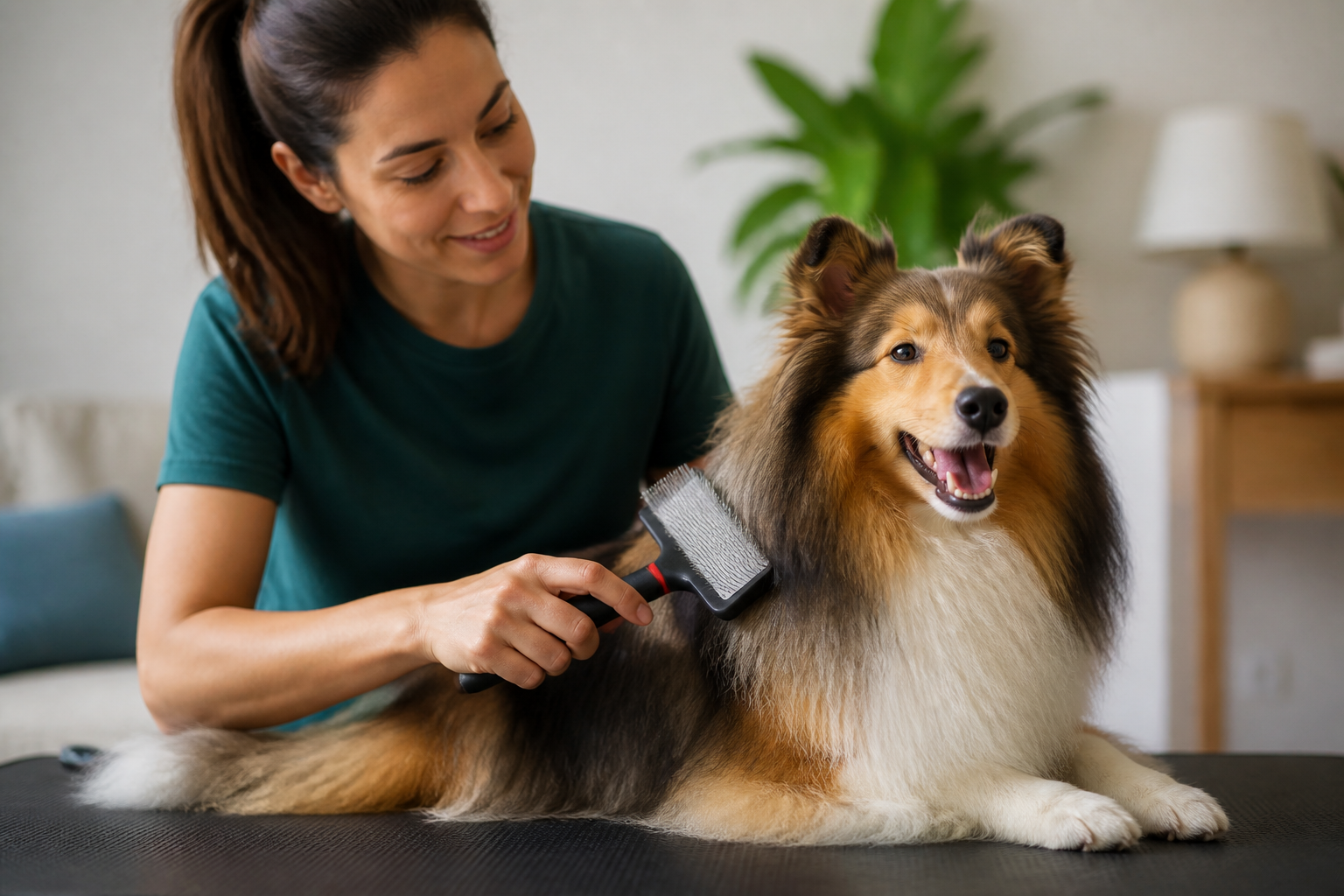
You might have just returned from a long hike or a trip to the park only to find your dog has brought half the forest home in their coat. Burrs, dried leaves, and small tangles have a way of clinging to long or curly fur like magnets. In these moments, you need a tool that can penetrate the coat without pulling too hard on the skin. At BaxterBoo, we see many pet owners reaching for a slicker brush to handle these everyday messes and to keep shedding under control.
A slicker brush is often the most important tool in a grooming kit for certain breeds. It is designed specifically to tackle the unique needs of medium to long-haired dogs. This article explains exactly what a slicker brush does, which dogs benefit from it the most, and how to use it safely to keep your pet comfortable. We want to help you understand the mechanics of this tool so you can maintain a healthy, shiny coat at home.
The Design and Purpose of a Slicker Brush
A slicker brush usually has a wide, flat, or slightly curved head. The surface is covered in hundreds of fine wire pins. These pins are often angled slightly to help them grab onto dead hair and debris without scratching the surface of the skin. Most of these brushes have a cushioned base. This cushion allows the pins to retract slightly or flex when they meet resistance.
The main purpose of a slicker brush is to remove mats and tangles from the coat. Because the pins are so close together, they can catch small knots that a standard comb or a pin brush might skip over. It is also an excellent tool for removing the loose undercoat that causes so much shedding around the house.
Quick Answer: A slicker brush uses fine wire pins to remove mats, tangles, and loose hair from a dog's coat. It is primarily used for dogs with medium to long or curly fur to prevent matting and distribute natural skin oils.
What Does a Slicker Brush Do for the Coat?
The primary job of this tool is detangling. If you have a dog with a thick double coat or curly hair, you know how quickly small tangles can turn into painful mats. A slicker brush works by separating individual hairs. This action breaks up the beginnings of a mat before it tightens against the skin.
Beyond just removing knots, the brush acts as a debris magnet. After a dog plays outside, their fur often traps dust, dirt, and plant matter. The fine wire pins pull these particles out of the coat more effectively than a soft bristle brush. This keeps the coat cleaner and reduces the frequency of full baths.
Another benefit is the distribution of natural oils. Your dog's skin produces oils that keep the hair healthy and shiny. However, these oils often get trapped at the base of the hair in thick coats. Brushing helps pull those oils from the skin down the length of the hair shaft. This process protects the hair from breakage and gives the coat a natural luster.
Key Takeaway: Regular use of a slicker brush prevents painful matting and promotes a shiny coat by moving natural skin oils through the fur.
Which Dog Breeds Need a Slicker Brush?
Not every dog needs a slicker brush. If you have a short-haired breed like a Beagle or a Boxer, the wire pins might be too stimulating or even uncomfortable for their skin. For those breeds, we usually recommend rubber curry brushes or soft bristle brushes.
The slicker brush is the gold standard for dogs with long, flowing hair or dense undercoats. This includes breeds like Golden Retrievers, Collies, and Saint Bernards. The long pins are necessary to reach through the top layer of fur to the skin. You can compare different tools in our dog brushes and combs collection.
Curly-coated breeds also rely heavily on this tool. Poodles and Doodles have hair that doesn't stop growing and can easily trap shed fur within the curls. If that shed hair stays in place, it creates massive mats. A slicker brush pulls that dead hair out so the curls stay light and bouncy.
- Double-Coated Breeds: Huskies, Malamutes, and German Shepherds.
- Curly or Wavy Breeds: Poodles, Labradoodles, and Bichon Frises.
- Long-Haired Breeds: Yorkies, Maltese, and Cavalier King Charles Spaniels.
- Wire-Haired Breeds: Many Terriers use slicker brushes to manage their coarse texture.
How to Use a Slicker Brush Safely
Because the pins are made of wire, you must use a light touch. Pressing too hard can cause what professional groomers call brush burn. This is a red, irritated patch of skin caused by the metal tips scratching the surface.
Always brush in the direction of hair growth. Start at the ends of the hair and work your way toward the skin. If you hit a knot, do not yank the brush. Instead, use short, gentle strokes to tease the knot apart. If the mat is too tight, you may need to use a detangling spray or a specialized dematting tool.
The Line Brushing Technique
For very thick coats, we recommend the line brushing method. This ensures you are getting all the way to the skin rather than just skimming the surface.
- Lift a section of hair up with your free hand.
- Brush the hair underneath that section downward.
- Slowly drop a small amount of the hair you are holding and brush it into the lower section.
- Work your way up the body in rows.
Vet Tip: While grooming, always check your dog's skin for new lumps, bumps, or red patches. If you notice persistent skin irritation or unexplained hair loss, consult your veterinarian to rule out allergies or infections.
Managing the Undercoat and Shedding
Many pet owners find the amount of hair in their homes overwhelming during the spring and fall. This is when double-coated dogs blow their coats to prepare for a change in temperature. A slicker brush is one of the best defenses against this seasonal shedding.
When you brush your dog, the wire pins trap the loose undercoat hair before it can fall onto your furniture. You will notice that the brush fills up quickly during these sessions. We carry several self-cleaning models in our dog grooming collection. These brushes have a button that retracts the pins, allowing you to simply wipe the collected hair into the trash.
Using a slicker brush regularly can reduce the amount of loose hair in your home by a significant margin. For heavy shedders, a daily five-minute session is much more effective than a long one-hour session once a week. For another option suited to longer coats, consider the Warren London Long Hair De-Shedding Pet Brush.
Brushing as a Wellness Check
Grooming is more than just an aesthetic choice. It is a vital part of your dog's health routine. When you use a slicker brush, you are forced to look closely at your dog's skin and coat. This is the best time to look for parasites like fleas or ticks.
If you find evidence of fleas, such as small black specks known as flea dirt, it is time to act. Our pharmacy carries a variety of FDA-approved flea and tick preventives. Through our partnership with Pet's Choice, we can help you manage these prescription needs for your pet. You can browse our dog pharmacy when your veterinarian recommends medication.
Signs Your Dog Has Skin Issues
- Excessive scratching or biting at the skin.
- Black specks or moving insects in the fur.
- Red, inflamed skin under the mats.
- A strong, musty odor from the coat.
Bottom line: A slicker brush is an essential diagnostic tool that helps you catch skin problems and parasites early.
Comparing Slicker Brushes to Other Tools
It can be confusing to see so many different brushes on the shelves. Each tool has a specific job, and often you will need more than one.
A pin brush looks similar to a human hairbrush. It has straight metal pins with rounded tips. These are gentler than slicker brushes but less effective at removing mats. They are best for daily maintenance on dogs with very long, silky hair where you want to avoid breakage.
Undercoat rakes are different because they have long, heavy teeth. These are designed specifically to pull out thick undercoat without touching the top coat. While a slicker brush handles the whole coat, a rake is more of a heavy-duty shedding tool for breeds like Huskies.
| Brush Type | Best Use Case | Hair Type |
|---|---|---|
| Slicker Brush | Detangling and Mat Removal | Medium to Long, Curly |
| Pin Brush | Finishing and Silky Hair | Long, Silky (Maltese, Yorkie) |
| Bristle Brush | Shine and Dust Removal | Short Hair (Beagle, Lab) |
| Rubber Brush | Massage and Shedding | Short Hair (Pug, Boxer) |
Cleaning and Maintenance of Your Brush
To keep your slicker brush working effectively, you must keep it clean. Hair left in the pins will prevent the brush from grabbing new hair and debris. After every session, remove the hair from the pins. If the brush is not a self-cleaning model, you can use a fine-tooth comb to pull the hair out of the wire base.
Occasionally, the pins may get dirty or sticky from skin oils and debris. You can wash most slicker brushes with warm water and a drop of mild dish soap. Use an old toothbrush to scrub between the pins. Make sure to dry the brush thoroughly with the pins facing down. This prevents water from getting trapped in the cushioned base, which could lead to mold or rust.
If you notice that the pins are bent, broken, or missing, it is time to replace the brush. Damaged pins can scratch your dog's skin or cause painful tugging on the hair. A high-quality brush should last a long time if cared for properly.
Tips for Anxious Dogs
Some dogs are wary of the grooming process. The sound of the wire pins or the feeling of the brush can be intimidating. At BaxterBoo, we recommend starting slowly, especially with puppies or rescue dogs.
Let your dog sniff the brush before you start. Give them a treat so they associate the tool with something positive. Start by brushing a less sensitive area, like the back or the sides. Avoid the face, paws, and tail until the dog is relaxed. Keep the first few sessions very short.
If your dog is extremely anxious, you might consider calming aids. We carry a range of anxiety and calming products that can help take the edge off before grooming. For dogs with severe grooming phobias, a visit to the veterinarian is a good idea. They can offer guidance or medications through our pharmacy to make the process safer for everyone.
- Use high-value treats during the session.
- Keep your own energy calm and quiet.
- Take frequent breaks.
- Never scold your dog for being afraid of the brush.
Grooming and MVP Rewards
Maintaining your dog's coat is an ongoing responsibility. Since you will likely need to replace brushes or buy detangling sprays and shampoos regularly, it helps to be part of a rewards program. Our MVP Rewards program allows you to earn points on every purchase. These points can be used to save on future grooming supplies, food, or treats.
If you find a specific shampoo or brush brand you love, our Autoship program is a great way to ensure you never run out. You can save on your first order and receive ongoing discounts. It is a simple way to keep your grooming kit fully stocked without having to remember to reorder.
Summary of Slicker Brush Benefits
A slicker brush is a versatile and powerful tool for the modern dog owner. It handles the heavy lifting of pet care by removing mats, reducing shedding, and keeping the skin healthy. While it requires a gentle hand, the results are a happier dog and a cleaner home.
When you choose a slicker brush, you are investing in your dog's comfort. Mats can pull on the skin and cause constant pain, so removing them is a matter of health, not just vanity. Whether you are prepping for a dog show or just trying to manage the daily shed, this tool is a warehouse staple for a reason.
Bottom line: Using a slicker brush correctly prevents painful mats and keeps your dog's coat in peak condition.
Conclusion
Understanding what a slicker brush does for dogs helps you provide better care for your pet. These brushes are the best solution for medium to long-haired breeds that struggle with tangles and debris. By using light, short strokes and checking for skin health along the way, you can turn grooming into a bonding experience.
We carry a wide selection of grooming tools at BaxterBoo, from basic slickers to professional-grade equipment. We invite you to explore our grooming collection to find the right size and pin firmness for your dog. If your grooming sessions reveal a need for skin support or allergy management, remember that our pharmacy is here to help with FDA-approved solutions. Keeping your dog's coat healthy is a team effort, and we are happy to be part of your pet's wellness journey.
FAQ
Can I use a slicker brush on a puppy?
Yes, you can use a slicker brush on a puppy, but you should choose a soft version with flexible pins. It is important to start very gently so the puppy learns to enjoy grooming rather than fearing the sensation of the wire pins. Keep the sessions short and use plenty of praise to build a positive association with the tool.
Will a slicker brush hurt my dog's skin?
A slicker brush should not hurt your dog if it is used correctly with a very light touch. However, if you press too hard or brush the same spot repeatedly, you can cause brush burn, which is a form of skin irritation. Always test the pins against your own skin first to understand how much pressure is being applied.
How often should I use a slicker brush on my dog?
For dogs with long or curly hair, we recommend using a slicker brush at least two to three times a week. If your dog is prone to heavy matting or is currently shedding their seasonal undercoat, daily brushing may be necessary. Regular maintenance is much easier than trying to remove large mats that have formed over several weeks.
Can I use a slicker brush on a wet coat?
It is generally better to use a slicker brush on a dry coat. Brushing wet hair can sometimes cause it to stretch and break, and it can also tighten existing knots into more difficult mats. If you must brush a wet coat, use a detangling spray first to provide some slip and protect the hair shafts from damage.






