
 Save 15% on your 1st Autoship learn more

 Email us
 Live Chat
 FAQs





Introduction
You are petting your cat on a sunny afternoon when you notice something unusual. A dusting of tiny white specks covers their sleek fur, especially along the lower back. You try to brush them away, but more appear as your hand moves across their coat. This is a common moment of realization for many pet owners. While it might look like a simple cosmetic issue, those flakes can tell you a lot about your cat's internal health and environment. At BaxterBoo, we believe that understanding these small physical changes is the first step toward better feline wellness. This post covers how to identify dandruff, differentiate it from normal dander, and address the root causes. Understanding what these flakes mean helps you decide if your cat needs a simple grooming change or a trip to the vet.
Visual Signs of Cat Dandruff
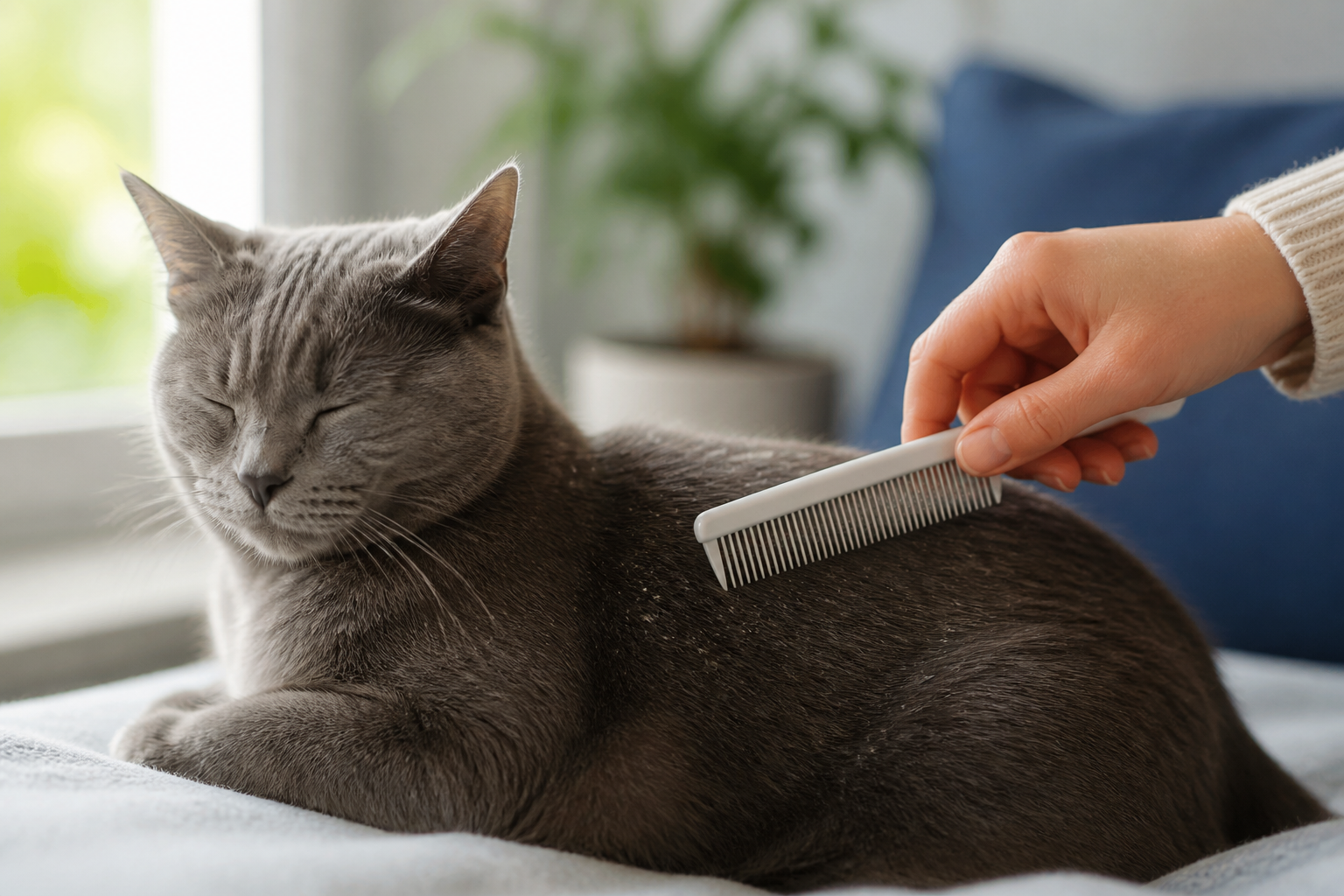
Cat dandruff is visible to the naked eye. It usually appears as white, gray, or tan flakes that sit on top of the fur or cling to the hair shafts. Unlike dust from the environment, these flakes originate from the skin itself. You will often see them most clearly on cats with dark coats, where the contrast makes the white specks pop.
In many cases, the skin underneath the flakes may look perfectly normal. However, if the condition is more advanced, you might notice that the skin is red, irritated, or unusually oily. The texture of the flakes can vary. Some cats have dry, papery dandruff that falls off easily. Others have greasy flakes that feel slightly waxy to the touch.
The location of the dandruff is a significant clue. It most frequently appears along the spine and at the base of the tail. This is because these areas are the hardest for a cat to reach during their daily grooming routine. If a cat is struggling with mobility or weight, these spots are the first to show signs of neglect.
Quick Answer: Cat dandruff looks like visible white or gray flakes scattered throughout the fur. It is most often found on the lower back and tail base, where it may be accompanied by dry or oily skin.
Cat Skin & Coat Care












Cat Dandruff vs. Cat Dander
It is very common for pet owners to use the terms dander and dandruff interchangeably. However, they are quite different in the world of feline health. Understanding the distinction helps you communicate better with your veterinarian.
Dander consists of microscopic skin cells that all cats shed naturally. Every cat produces dander as part of the normal cycle of skin renewal. You cannot see dander without a microscope. It is the protein found in dander that usually triggers allergies in humans. If your cat has a healthy coat and you see no flakes, they are still producing dander.
Dandruff is a visible accumulation of those skin cells. It happens when the skin's renewal process goes into overdrive or when the cat stops removing dead cells through grooming. While dander is a sign of a healthy body at work, dandruff is often a signal that something is off balance.
- Dander: Microscopic, invisible, and completely normal for all cats.
- Dandruff: Visible flakes, often white or gray, and usually suggests an underlying issue.
Identifying Walking Dandruff
There is a specific condition that looks like dandruff but is actually caused by a parasite. It is called Cheyletiellosis, but most people know it as walking dandruff. This is caused by tiny mites that live on the surface of the skin.
If you look closely at these "flakes," you might actually see them moving. The mites are white and roughly the size of a grain of dandruff. This condition is highly contagious between pets. If you have multiple cats or dogs in the home and one starts showing these moving specks, you must treat all the animals.
Walking dandruff usually causes intense itching. You might see your cat scratching their neck or back frequently. Because this is a parasitic infestation, it requires specific medical treatment rather than just a change in shampoo. We carry several cat flea and tick preventatives that can help manage external parasites, and our pharmacy partnership offers stronger options if your vet provides a prescription.
Key Takeaway: If the white flakes on your cat appear to be moving or are accompanied by intense scratching, it is likely a mite infestation known as walking dandruff.
Common Environmental and Lifestyle Causes
Sometimes the reason for flaky skin is simply the world around your cat. Low humidity is a frequent culprit, especially during the winter months when the heater is running constantly. This dry air pulls moisture from the cat's skin, leading to a brittle texture and flaking.
Hydration also plays a major role. Cats are notorious for having a low thirst drive. If they are slightly dehydrated, their skin is often the first place to show it. Switching to a wet food diet or adding a water fountain can sometimes clear up mild dandruff by improving internal hydration.
Grooming habits are the most common lifestyle factor. Cats are usually meticulous about their hygiene. If a cat becomes overweight, they may lose the flexibility needed to reach their lower back. Similarly, senior cats with joint stiffness from arthritis may find the twisting motions of grooming too painful. This leads to a buildup of dead skin and natural oils that eventually flakes off as dandruff.
Medical Conditions Linked to Flaky Skin
When dandruff is persistent, it may be a symptom of a deeper health concern. Skin allergies are a top reason for feline flakes. These can be caused by something in the air, like pollen, or something in their bowl. Food sensitivities often manifest as itchy, flaky skin.
Other systemic issues can affect the coat as well:
- Hyperthyroidism: Overactive thyroid glands can cause the coat to look greasy or unkempt.
- Diabetes: This metabolic condition can lead to poor skin quality and dehydration.
- Fungal Infections: Conditions like ringworm cause circular patches of hair loss and heavy scaling.
- Obesity: As mentioned, weight impacts a cat's ability to self-groom effectively.
Vet Tip: If your cat has dandruff along with changes in thirst, appetite, or litter box habits, schedule a veterinary exam. These symptoms often point to systemic issues like diabetes or kidney disease that require professional diagnosis.
Nutrition and Skin Health
A cat's coat is a direct reflection of what they eat. The skin is the largest organ in the body, and it requires a significant amount of protein and healthy fats to stay supple. If a diet is low in essential fatty acids, the skin's moisture barrier begins to fail.
Omega-3 and Omega-6 fatty acids are crucial for skin health. We carry several premium brands like Farmina and The Honest Kitchen that prioritize these nutrients. Many owners find that adding a fish oil supplement to their cat's routine helps reduce flakiness within a few weeks. Explore our cat skin and coat health selection for supplements and other supportive products.
The quality of protein also matters. Cats are obligate carnivores, meaning they need animal-based proteins to thrive. Diets that are too heavy in fillers may not provide the amino acids necessary for healthy skin cell production. If you suspect diet is the cause, consider transitioning to a high-quality, grain-free option or a limited-ingredient diet.
How to Transition to a New Skin-Supportive Food
Step 1: Consult your veterinarian. / Ensure the new food meets your cat's specific health requirements.
Step 2: Mix the foods. / Start with 25 percent of the new food and 75 percent of the old food for three days.
Step 3: Increase the ratio. / Move to a 50-50 mix for the next three days to avoid digestive upset.
Step 4: Complete the switch. / If your cat is doing well, move to 100 percent of the new food by the end of the week.
Grooming Tools and Techniques
While you work on the internal causes, you can help your cat manage the flakes externally. Regular brushing is the most effective way to handle dandruff. Brushing mimics the grooming action of a cat's tongue. It helps distribute natural oils across the hair shafts and removes dead skin before it can clump into visible flakes.
For short-haired cats, a soft bristle brush or a rubber grooming mitt works well. For long-haired cats, you may need a slicker brush or a comb to get through the undercoat. Our cat grooming collection includes brushes, combs, shampoos, and other coat-care supplies.
Bathing a cat is usually a last resort, but it can be helpful for severe dandruff or oily skin. Use a shampoo specifically formulated for felines. Human shampoos have a different pH balance and can actually make the dryness worse. Look for ingredients like oatmeal or aloe vera to soothe irritation.
Key Takeaway: Daily brushing is a practical way to support your cat’s skin health by distributing natural oils and removing dead cells.
When to Seek Veterinary Care
Most cases of cat dandruff are minor, but you should not ignore them if they are paired with other symptoms. Redness, sores, or patches of missing fur are clear signs that the skin is in distress. If your cat is hiding more often or seems lethargic, the dandruff might be a side effect of a systemic illness.
A veterinarian can perform a "skin scrape" to look for mites or fungal spores under a microscope. They may also suggest blood work to check organ function. This is especially important for senior cats, as dandruff can be an early warning sign of kidney issues or thyroid changes.
If your vet determines that the skin issue is caused by an infection or an underlying disease, they may prescribe medication. This is where our partnership with Pet's Choice becomes a valuable resource for you. Through our pet pharmacy, we offer access to FDA-approved medications and prescription diets.
Managing Health with the BaxterBoo Pharmacy
When a vet diagnoses a condition like a skin infection or a flea allergy, they often prescribe specific treatments. Our pharmacy provides a streamlined way to get these essential supplies delivered to your door. We carry a wide range of prescription items, including medicated shampoos and specialized diets like Royal Canin Veterinary Diet or Farmina Vet Life.
Using the pharmacy is a natural next step for owners managing chronic conditions. Whether your cat needs ongoing flea prevention like NexGard or a prescription food for weight management, we help you keep those supplies consistent. This is particularly useful for cats with mobility issues. When you can get their medication and food in one place, it makes managing their health much simpler.
We also offer our Autoship programme. This is a great way to ensure you never run out of the supplements or prescription foods that keep your cat's skin healthy. Plus, it comes with savings on your first order and a free MVP Gold membership.
Bottom line: The BaxterBoo pharmacy, in partnership with Pet's Choice, is a trusted source for the prescription medications and diets your cat needs to resolve persistent skin issues.
Supporting the Skin Barrier at Home
Beyond food and medicine, you can make small changes to your home environment. If you live in a dry climate, a humidifier in the room where your cat sleeps can make a huge difference. You should also ensure your cat has multiple sources of fresh water.
Check your cat's weight regularly. If you cannot easily feel their ribs, they may be overweight. Helping your cat reach a healthy weight is one of the best ways to improve their skin health, as it allows them to return to their normal grooming habits. We carry various interactive toys and low-calorie treats to help with weight management goals.
Keep up with preventative care. Even indoor cats can get fleas or mites brought in on your clothing or by other pets. Consistent use of over-the-counter preventatives like Frontline can stop many skin issues before they start. For more information, read our guide to flea and tick prevention products.
- Boost humidity: Use a humidifier during winter.
- Increase water: Add a fountain or wet food.
- Monitor weight: Ensure your cat can reach their back to groom.
- Prevent parasites: Use monthly flea and tick protection.
Conclusion
Seeing white flakes on your favorite feline can be a bit worrying, but it is a very manageable condition. In most cases, what cat dandruff looks like is simply a signal that your cat needs a little extra support with their grooming or nutrition. By identifying the flakes early and watching for other symptoms like itching or lethargy, you can take action before a small problem becomes a larger health issue. Whether you need a high-quality brush, a skin-supporting supplement, or a prescription diet from the BaxterBoo pharmacy, we have the expert-curated tools to help. Keeping your cat's coat glossy and flake-free is about more than just looks. It is about ensuring they feel comfortable and healthy every single day. Start by checking our cat healthcare collection or talk to your vet about a specialized diet plan.
FAQ
Is cat dandruff the same as dander?
No, they are different. Dander consists of microscopic skin cells that all cats shed naturally as part of their skin's renewal process. Dandruff refers to visible flakes of skin that have clumped together, often due to dry skin, poor grooming, or underlying health issues.
Can I use human dandruff shampoo on my cat?
You should never use human dandruff shampoo on a cat unless specifically instructed by a veterinarian. Human products have a different pH balance and often contain ingredients that are toxic to cats if licked off the fur. Always use a shampoo specifically formulated for feline skin.
Why does my cat only have dandruff on their lower back?
The lower back and the base of the tail are the hardest areas for a cat to reach. If a cat is overweight, has arthritis, or is simply feeling stiff, they may stop grooming these spots effectively. This leads to a buildup of dead skin cells and oils, resulting in visible dandruff.
Does cat dandruff mean my cat has fleas?
Not necessarily, but fleas can be a cause. Fleas and other parasites like mites irritate the skin and cause inflammation, which leads to flaking. If you see black specks along with the white flakes, those could be "flea dirt," and you should begin a flea treatment immediately.






- Site & Contents BaxterBoo.com. BaxterBoo is located in the United States.
- Privacy & Security
- Terms of Use
- Accessibility Statement
