Save 15% on your 1st Autoship learn more

 Email us
 Live Chat
 FAQs
FAQs





Introduction
Petting your cat is usually a relaxing experience for both of you. You might be running your hand down their back when you notice small white specks scattered through their fur. These specks often look like a dusting of salt or tiny flakes of paper. At BaxterBoo, we know how much you care about your cat's comfort and health. While a few flakes might seem like a minor cosmetic issue, they are often a signal that your cat's skin needs a little extra attention. This post covers how to identify different types of flakes, what causes them, and how you can help your cat feel better. Understanding what you are seeing is the first step toward restoring that healthy, glossy coat your cat is known for. It is usually more than just a surface problem.
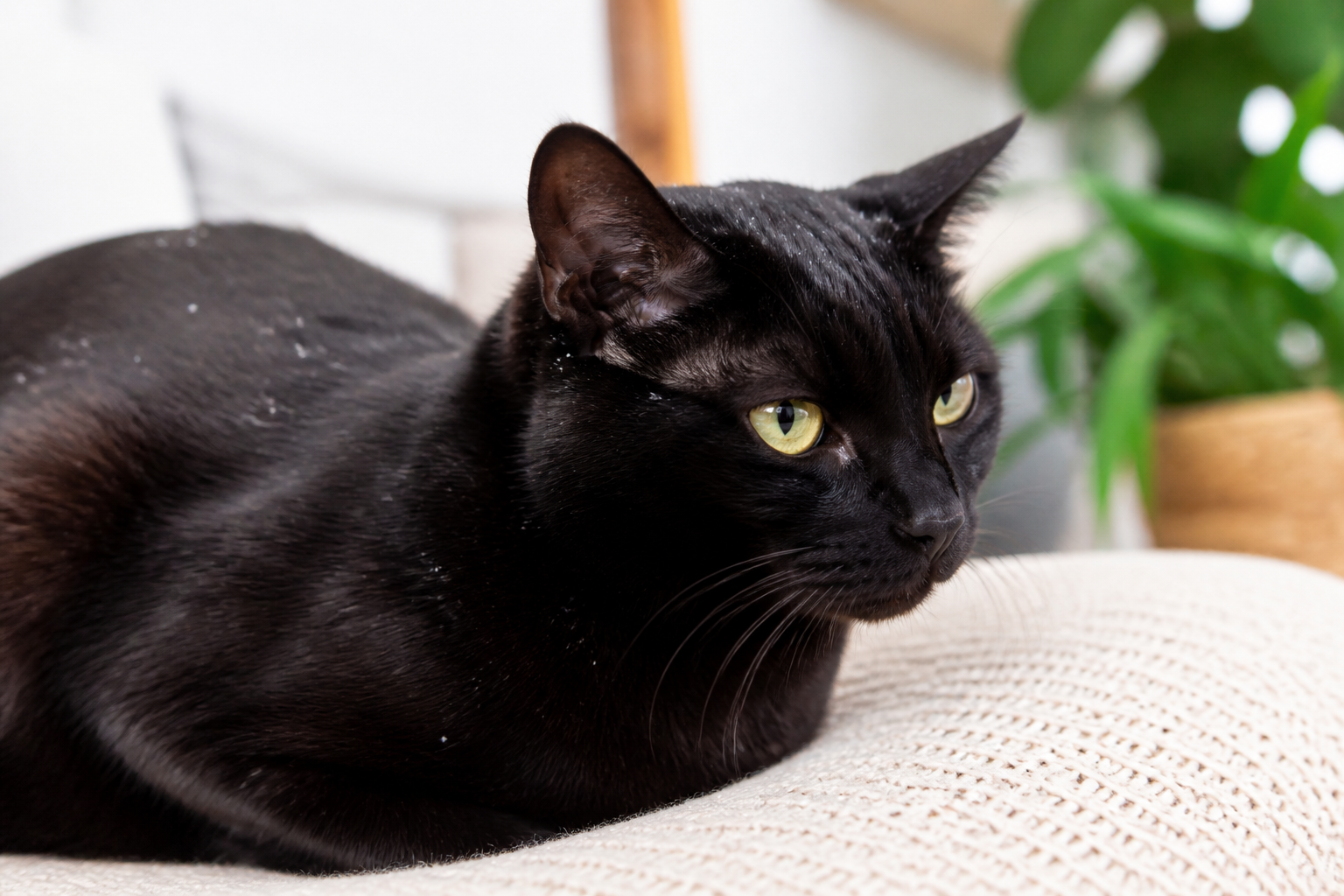
Quick Answer: Cat dandruff looks like small, white or gray flakes of dead skin trapped in the fur. It is most commonly found along the lower back and the base of the tail where cats may struggle to groom themselves effectively.
The Visual Signs of Cat Dandruff
When you look closely at your cat's coat, dandruff usually stands out against the hair. On dark-colored cats, the contrast makes the white flakes very obvious. On white or light-colored cats, you may need to part the fur to see the flakes sitting near the skin. These flakes are dead skin cells that have clumped together and shed all at once.
The size of the flakes can vary. Sometimes they look like tiny grains of sand or salt. In other cases, you might see larger, thin sheets of skin. The color is typically white, cream, or a light gray. If the skin is very oily, the flakes might look slightly yellow or greasy. They might stick to the hair shafts rather than falling off the cat.
Location matters when you are identifying dandruff. You will often find the highest concentration of flakes along the spine. The base of the tail is another common hotspot. These areas are harder for many cats to reach during their daily tongue-baths. If you see flakes only in these spots, it might be a sign that your cat is having trouble reaching them.
Dandruff vs. Dander
Many people use the terms dander and dandruff interchangeably. However, they are not the same thing. Every cat has dander. Dander consists of microscopic skin cells that shed naturally as part of the skin's healthy renewal process. You cannot see dander with the naked eye. It is the protein in this dander that often triggers allergies in humans.
Dandruff is visible. It is a sign that the skin cycle is moving too fast or that the dead cells are not being cleared away. While dander is a normal part of being a cat, dandruff usually indicates an underlying issue. This could be anything from dry air to a medical condition that needs a vet's attention.
Key Takeaway: All cats produce microscopic dander as a healthy function of skin renewal, but visible dandruff is a sign of an imbalance that needs to be addressed.
Walking Dandruff: When the Flakes Move
There is a specific condition called Cheyletiellosis that every cat owner should know about. It is commonly called walking dandruff. At first glance, it looks just like regular dry skin flakes. However, if you watch the flakes closely, you might see them moving.
This movement is caused by tiny mites called Cheyletiella. These mites live on the surface of the skin and move around under the scales of dead skin. This condition is highly contagious between pets. It can also cause itchy red bumps on humans. If you suspect your cat has walking dandruff, you should contact your veterinarian immediately.
Vet Tip: If you see flakes that appear to move on their own, keep your cat away from other pets and schedule a vet visit. This is likely a parasite infestation rather than simple dry skin.
Distinguishing Dandruff from Fleas and Flea Dirt
It is easy to confuse skin flakes with other debris in a cat's coat. Fleas and their waste, called flea dirt, are often found in the same areas as dandruff. Knowing the difference is vital for choosing the right treatment.
Flea dirt looks like tiny specks of black pepper. It is actually digested blood. You can test for this by picking up a few specks and placing them on a damp white paper towel. If the specks dissolve and leave a reddish-brown stain, it is flea dirt. White dandruff flakes will not change color when wet.
Flea eggs are also white and small, but they are oval and smooth. They look more like tiny grains of salt than the flat, irregular flakes of dandruff. If you see both white specks and black specks, your cat likely has a flea problem that is causing skin irritation and flakiness. For prevention options, explore our cat flea and tick collection.
Common Environmental and Lifestyle Causes
Sometimes the environment is the primary culprit. Cats living in dry climates or homes with heavy central heating often suffer from dry skin. Low humidity strips the natural oils from the coat. This makes the skin brittle and prone to flaking. This is especially common during the winter months.
Diet also plays a huge role in skin health. To maintain a supple skin barrier, cats need specific nutrients. Omega-3 and Omega-6 fatty acids are essential for coat shine and skin elasticity. If a cat is eating a low-quality diet, their skin may become dry and dull. We often see improvements when owners switch to premium brands like Farmina, Stella and Chewy's, or Orijen.
Hydration is the third environmental factor. Cats are not naturally driven to drink large amounts of water. If a cat is slightly dehydrated, their skin is often the first place it shows. Providing a water fountain or adding wet food to their diet can help keep their skin hydrated from the inside out.
When Grooming Habits Change
Cats are famously clean animals. They spend a large portion of their day grooming. This process removes loose hair and spreads natural oils across the skin. If a cat stops grooming effectively, dandruff will quickly build up.
Several factors can interfere with grooming:
- Obesity: If a cat is overweight, they simply cannot reach their back or tail base.
- Arthritis: Joint pain makes it difficult for senior cats to twist and reach certain spots.
- Dental Pain: If a cat's mouth hurts, they will stop using their tongue to clean themselves.
- Sickness: A cat that feels lethargic will often let their grooming routine slide.
If you notice your cat has a greasy coat along with dandruff, it is a strong sign that they are not grooming. This requires a two-step approach. You need to help them with manual brushing, and you need to find out why they stopped cleaning themselves. Regular grooming can help maintain your cat's coat.
Medical Conditions Linked to Flaky Skin
While dry air or poor grooming are common, dandruff can also be a symptom of internal health issues. Skin is the body's largest organ. It often reflects what is happening inside the cat.
Conditions like hyperthyroidism can cause the skin to become thin and flaky. Diabetes is another common cause of poor coat quality in cats. In some cases, persistent dandruff can even be a sign of kidney issues or certain types of skin cancer.
If the dandruff is accompanied by redness, sores, or patches of hair loss, it is time for a professional diagnosis. Your vet may perform a skin scrape to look for fungal infections like ringworm. They may also suggest blood work to check for systemic diseases. You can also browse our cat healthcare products for general care supplies.
Using the BaxterBoo Pharmacy for Support
If your veterinarian diagnoses your cat with a specific health condition or a parasitic infestation, targeted treatment is necessary. Our pet pharmacy offers a reliable way to get the medications and specialized diets your cat needs. Through our partnership with Pet's Choice, we provide FDA-approved medications and prescription pet foods.
We carry brands like Royal Canin and Farmina Vet Life that offer formulas specifically for skin support or weight management. If your cat needs a prescription flea and tick preventive like NexGard or a medicated shampoo, we can help you fulfill those orders easily. Having a dedicated pharmacy partner ensures you get the exact products your vet recommends to clear up skin issues.
Home Care and Solutions
Once you have ruled out serious medical issues, you can take several steps at home to manage your cat's dandruff. Consistency is key to seeing results.
Step 1: Establish a Brushing Routine
Brushing is the most effective way to remove existing flakes and distribute skin oils. Use a soft-bristled brush or a fine-toothed comb. Be gentle, as skin with dandruff can sometimes be tender or inflamed. Our cat grooming supplies include brushes, combs, shampoos, and other helpful tools.
- Brush short-haired cats once or twice a week.
- Brush long-haired cats daily to prevent mats that trap dandruff.
- Pay extra attention to the base of the tail and the lower back.
Step 2: Improve the Atmosphere
If your home is dry, consider adding a humidifier. This is particularly helpful in the room where your cat sleeps. Adding moisture to the air helps prevent the skin from drying out in the first place.
Step 3: Upgrade Nutrition
Look for foods that list high-quality animal proteins as the first ingredient. Many owners find success with freeze-dried raw options or high-moisture canned foods. Adding a supplement like fish oil can also provide the fatty acids needed to repair the skin barrier. Always consult your vet before adding new supplements to your cat's routine.
Bottom line: Managing cat dandruff requires a combination of regular grooming, high-quality nutrition, and addressing any underlying health or environmental triggers.
Summary of Care
Dandruff on a cat is a visible sign that the skin is struggling. Whether it is due to a dry winter or a more serious health concern, it is something you should monitor closely. Start by checking for parasites and ensuring your cat can reach all areas of their body. If the flakes persist or you see other symptoms, your veterinarian is your best resource for a path forward.
By staying proactive with grooming and nutrition, you can keep your cat's coat looking its best. Our MVP Rewards program can help you save on the premium foods and grooming tools you need for ongoing care. We are here to support you in keeping your feline friend comfortable and flake-free.
FAQ
Can I use human dandruff shampoo on my cat?
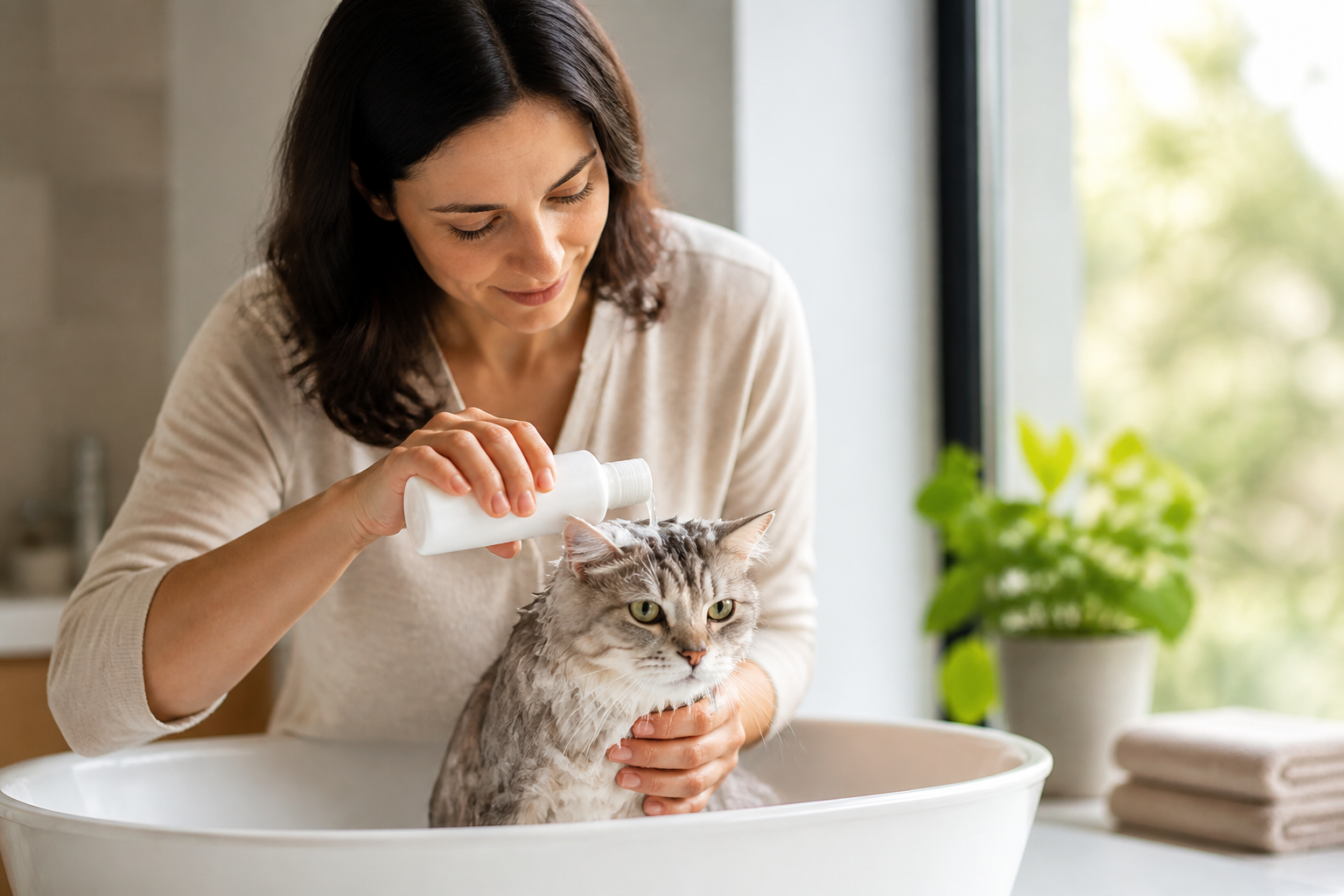
No, you should never use human dandruff shampoos on cats. These products are formulated for the pH levels of human skin and often contain ingredients that are toxic to cats if licked. Always use a shampoo specifically designed for felines and consult your vet before the first bath.
Why does my cat only have dandruff on their lower back?
The lower back and base of the tail are the most common spots for dandruff because they are the hardest areas for a cat to reach. If your cat has limited mobility due to age or weight, they may stop grooming these spots entirely. This leads to a buildup of dead skin cells and oils.
Is cat dandruff contagious to other pets or humans?
Standard dandruff caused by dry skin or diet is not contagious. However, if the "dandruff" is actually caused by parasites like Cheyletiella mites (walking dandruff) or fungal infections like ringworm, it can spread to other animals and people. A vet can help you determine if the flakes are infectious.
How long does it take for cat dandruff to go away?
The timeline for clearing up dandruff depends on the cause. If it is caused by dry air, a humidifier might show results in a week or two. If it is related to diet or a medical condition, it may take four to six weeks for the skin to fully regenerate and for the coat to look healthy again.