
 Save 15% on your 1st Autoship learn more

 Email us
 Live Chat
 FAQs





Introduction
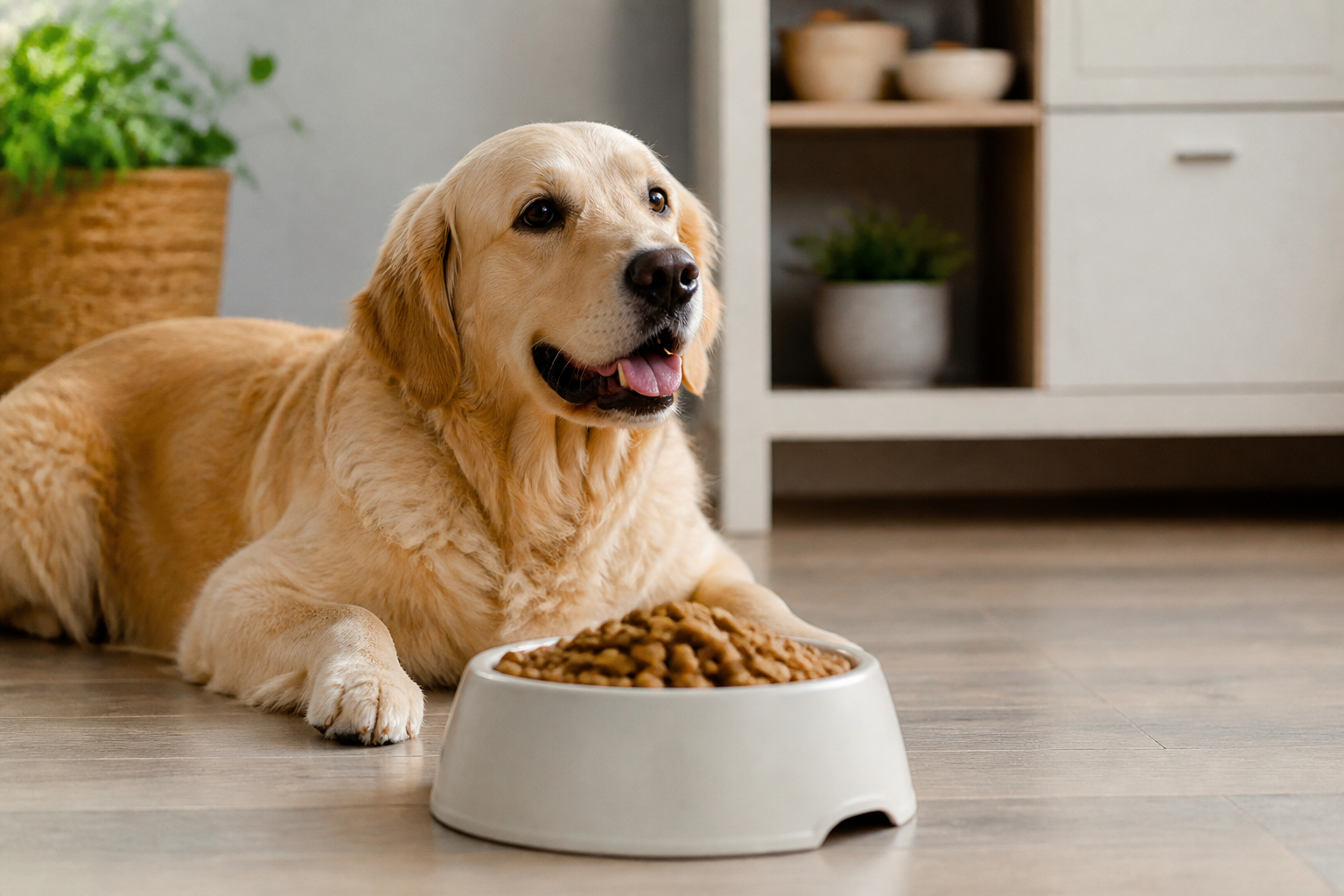
You are likely familiar with that telltale sound of a gurgling stomach coming from your dog as they rest at your feet. Perhaps you have noticed more gas than usual during your evening walks, or your dog seems to struggle with inconsistent stools. These small signs often point to an imbalance in the gut. When owners ask what dog food has probiotics, they are usually looking for a practical way to support their pet's digestive health through every meal.
At BaxterBoo, we know that gut health is the foundation of your dog's overall wellness. This article covers how probiotics work, which specific strains to look for on a label, and the best food options to keep your dog's microbiome in balance. We will also look at when a prescription diet from our pet pharmacy might be the right next step for pets with chronic issues. Understanding the science behind these "friendly" bacteria helps you make more informed choices at the food bowl.
Quick Answer: Probiotics are live, beneficial bacteria that support a dog's digestive system and immune health. Many premium kibbles, freeze-dried raw foods, and toppers now include these active cultures to maintain a balanced gut microbiome.
What Are Probiotics for Dogs
Probiotics are living microorganisms that provide health benefits when consumed in the right amounts. They are often called "good" or "friendly" bacteria. Your dog's gastrointestinal tract is home to billions of microbes, including bacteria and fungi. This internal community is known as the microbiome. When the microbiome is healthy, these organisms work together to digest food, produce vitamins, and keep harmful pathogens at bay.
Problems arise when the balance of the microbiome shifts. This is called dysbiosis. It can happen because of stress, a sudden change in diet, or a round of antibiotics. When the "bad" bacteria outnumber the "good," your dog might experience diarrhea, bloating, or excessive gas. Adding probiotics back into their diet through high-quality food helps restore that vital equilibrium.
For additional options, explore our dog digestive health selection, which includes probiotic supplements and digestive support products.
It is important to note that probiotics are sensitive. They are living things that can be destroyed by heat or moisture. Many manufacturers of premium dog food add probiotics after the cooking process. This ensures the bacteria remain alive and active when they reach your dog's bowl.
Key Takeaway: Probiotics are active, living cultures that must survive the manufacturing and storage process to benefit your dog's gut health.
Dog Food with Probiotics







The Difference Between Prebiotics and Probiotics
You will often see both prebiotics and probiotics listed on a bag of dog food. While they sound similar, they perform very different roles in the gut. Probiotics are the actual live bacteria you are introducing into the system. Prebiotics are the fuel that feeds them.
Prebiotics are a type of non-digestible fiber. Because they are not broken down in the small intestine, they travel to the large intestine where the beneficial bacteria live. Common prebiotic ingredients in dog food include chicory root, inulin, and beet pulp. Without prebiotics, the probiotics in your dog's gut may not have the energy they need to thrive and multiply.
There is also a third piece to this puzzle called postbiotics. These are the beneficial byproducts created when probiotics ferment prebiotic fiber. Postbiotics include short-chain fatty acids that help strengthen the lining of the gut and reduce inflammation. Choosing a food that supports this entire cycle ensures the best results for your pet.
| Feature | Probiotics | Prebiotics |
|---|---|---|
| Form | Live beneficial bacteria | Non-digestible plant fibers |
| Role | Balance the gut microbiome | Feed and nourish good bacteria |
| Common Sources | Fermented foods, supplements | Chicory root, pumpkin, oats |
| Benefit | Digestion and immunity | Supports probiotic growth |
Identifying Probiotic Strains on Food Labels
When you look at the back of a dog food bag, do not just look for the word "probiotics." Look for specific names in the ingredient list or the Guaranteed Analysis section. Each strain of bacteria has a different job. Some are better at firming up stools, while others focus on the immune system or skin health.
Common beneficial strains for dogs include:
- Enterococcus faecium: This is a hardy strain that helps inhibit the growth of harmful bacteria like E. coli. It is excellent for supporting bowel health.
- Lactobacillus acidophilus: One of the most common strains, it helps protect against unhealthy organisms and assists in nutrient absorption.
- Bifidobacterium animalis: This strain is often used to help manage acute diarrhea and improve stool quality.
- Lactobacillus casei: This bacteria supports the immune system and helps maintain a healthy environment in both the mouth and the intestines.
- Bacillus coagulans: This is a spore-forming bacteria that is very stable. It can survive high temperatures, making it a popular choice for kibble manufacturers.
Vet Tip: If your dog has chronic digestive issues, skin allergies, or frequent infections, consult your veterinarian. They can help determine if a specific probiotic strain or a prescription diet is necessary to address the underlying cause.
Premium Brands with Added Probiotics
We carry a variety of brands that prioritize gut health by including active cultures in their formulas. Because we handpick every product, we look for manufacturers that use tested, reliable strains.
NutriSource and PureVita
Our selection of NutriSource products includes formulas with the brand's proprietary Good 4 Life system. This system includes specifically formulated probiotics and prebiotics designed to support gut health and reduce gas. Their PureVita line often features single-protein recipes which are helpful for dogs with sensitive stomachs who also need probiotic support.
Farmina Vet Life and N&D
Farmina is known for its science-backed approach to nutrition. Their N&D (Natural & Delicious) lines often include high-quality animal proteins paired with functional ingredients for digestion. For dogs with diagnosed medical conditions, Farmina Vet Life offers prescription options that manage gastrointestinal disorders. These are available through our pharmacy partnership with Pet's Choice.
Stella and Chewy’s
For owners who prefer raw or freeze-dried options, Stella and Chewy’s is a standout. Their freeze-dried raw coated kibble and raw patties naturally contain beneficial enzymes and added probiotics. Since these products are processed with minimal heat, the probiotic integrity is often very high.
You can also compare freeze-dried options in our freeze-dried pet food selection.
Vital Essentials
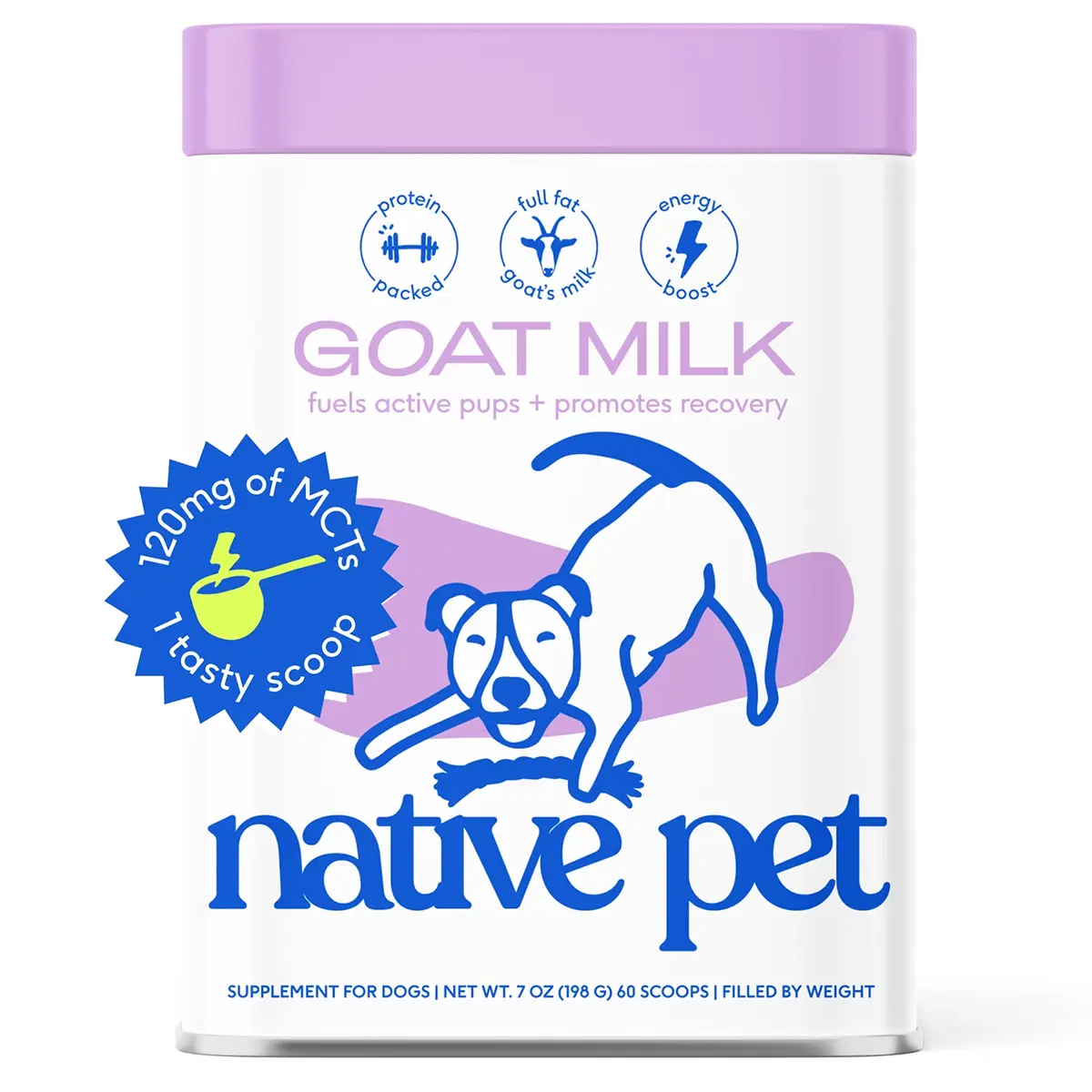
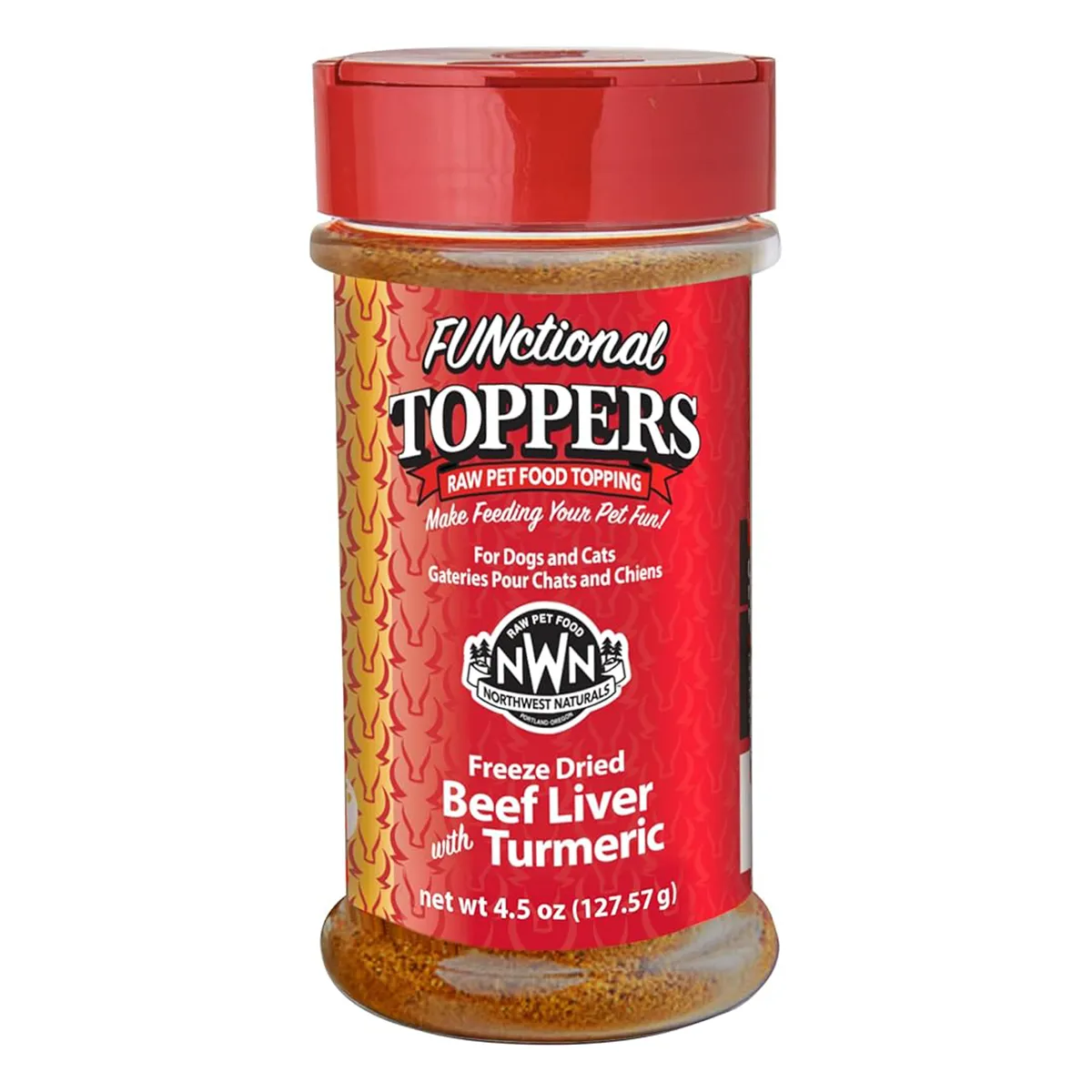
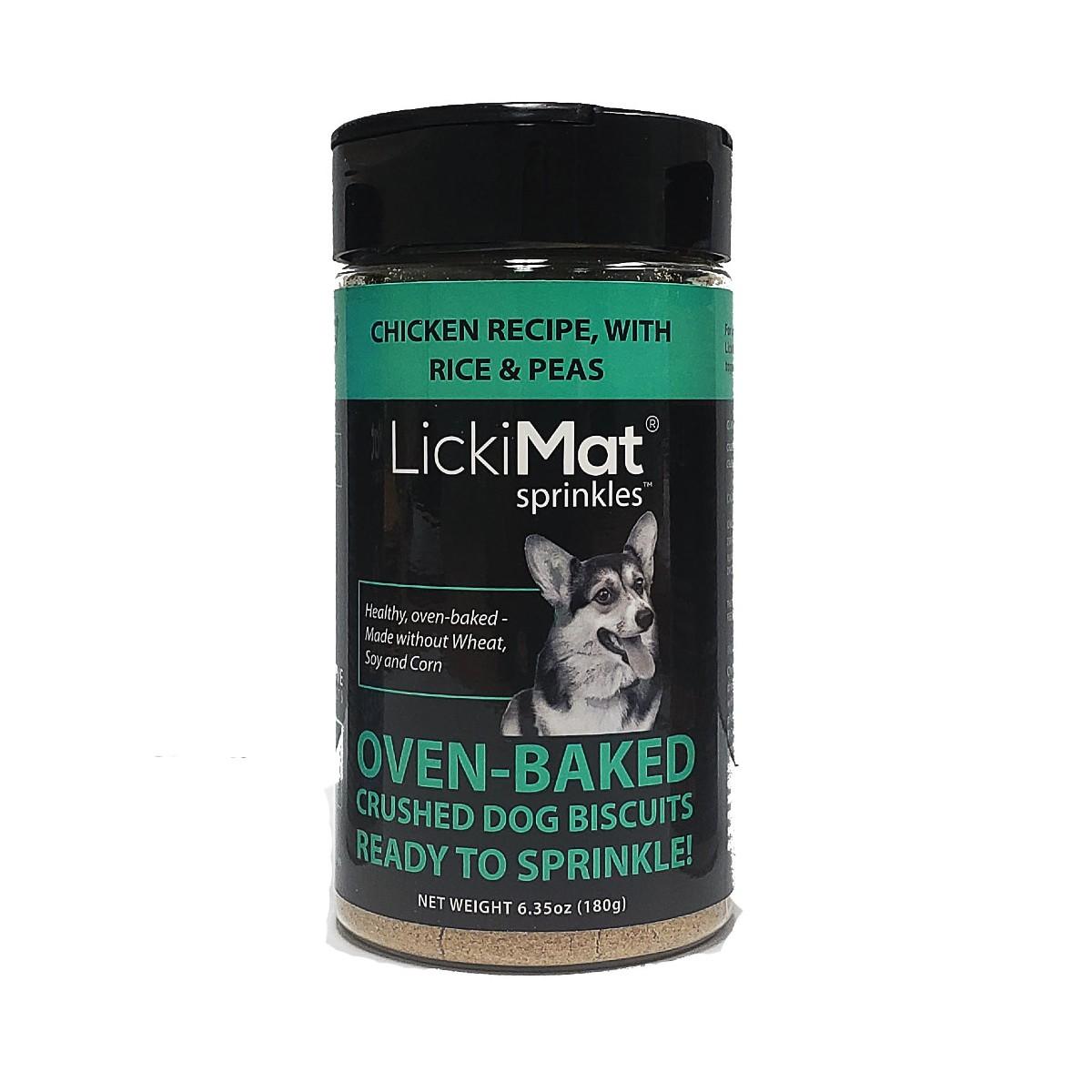
Vital Essentials focuses on the "alpha" diet. Their freeze-dried treats and food toppers are a great way to add probiotics to a standard kibble diet. These products use limited ingredients, which makes them a safe choice for dogs with multiple food sensitivities.
How to Read the Guaranteed Analysis
To know how many probiotics are in a specific food, you must check the Guaranteed Analysis on the packaging. Most manufacturers will list the amount of probiotics in Colony Forming Units (CFUs). This tells you the number of live, active bacteria present in each pound or kilogram of food.
A high-quality probiotic dog food will typically have millions or even billions of CFUs. However, the number of bacteria is only part of the story. The diversity of the strains also matters. A food that includes three or four different strains of bacteria often provides more comprehensive support than a food with a high count of just one strain.
Always check the "best by" date on the bag. Since probiotics are living organisms, they do lose their potency over time. Buying smaller bags more frequently can ensure the bacteria are as fresh and active as possible when your dog eats them.
Checklist for Choosing Probiotic Food
- Look for specific strain names like Lactobacillus or Bifidobacterium.
- Check the CFU count in the Guaranteed Analysis.
- Ensure the bag is airtight and stored in a cool, dry place.
- Avoid foods with excessive artificial colors or chemical preservatives.
- Verify that prebiotics like chicory root are also included.
For more guidance on choosing supportive products, read our pet supplement guide.
The Gut-Brain Axis and Your Dog's Behavior
One of the most interesting areas of pet health research is the connection between the gut and the brain. This is often called the gut-brain axis. The gastrointestinal tract and the brain are in constant communication through the nervous system.
Studies have shown that a balanced microbiome can actually help manage a dog's stress and anxiety levels. Certain strains, like Bifidobacterium longum, have been linked to calmer behavior in dogs. When the gut is in harmony, the body produces more neurotransmitters like serotonin, which regulates mood.
If your dog suffers from separation anxiety or reactiveness, improving their gut health might be a helpful part of a broader training plan. While food alone is not a cure for behavioral issues, it provides the internal stability your dog needs to learn and stay calm.
Key Takeaway: A healthy gut supports more than just digestion. It can influence your dog's mood, stress levels, and overall cognitive function.
When to Switch to a Probiotic Diet
You do not have to wait for a problem to start feeding your dog food with probiotics. Many owners use these formulas as a preventive measure to keep the immune system strong. However, there are certain times when a switch is particularly beneficial.
Step 1: Identify the signs. If your dog has frequent loose stools, excessive flatulence, or a dull coat, their microbiome might be out of balance.
Step 2: Consult your vet. Ensure there are no underlying parasites or infections causing the symptoms.
Step 3: Choose the right formula. Pick a brand like NutriSource or Farmina that matches your dog's life stage and activity level.
Step 4: Transition slowly. Mix the new probiotic food with the old food over 7 to 10 days to avoid further stomach upset.
If your dog is currently taking antibiotics, probiotics are especially important. Antibiotics are designed to kill harmful bacteria, but they often kill the beneficial bacteria at the same time. This can lead to "antibiotic-associated diarrhea." Providing a probiotic-rich food can help replenish the gut during and after medical treatment.
For more advice about dietary transitions, read our guide to dog food for sensitive stomachs.
When Prescription Diets are Necessary
Sometimes, over-the-counter probiotic foods are not enough. Dogs with chronic conditions like Inflammatory Bowel Disease (IBD), severe food allergies, or recurring pancreatitis may need more specialized care. This is where prescription diets come in.
Our pharmacy offers FDA-approved medications and prescription pet foods through our partnership with Pet's Choice. Brands like Farmina Vet Life create specific formulas for gastrointestinal support that are only available with a veterinarian's authorization. These foods are formulated with highly digestible proteins and specific fiber blends to soothe a compromised digestive tract.
If your dog's digestive issues persist despite trying premium probiotic kibbles, talk to your vet about a prescription option. You can easily manage these orders through our website, combining the convenience of online shopping with the expertise of a professional pharmacy.
Vet Tip: Never attempt to treat severe or chronic diarrhea at home without professional guidance. Dehydration can happen quickly in dogs, especially puppies and seniors. Always seek veterinary care if your dog is lethargic or refuses to eat.
Storing Your Probiotic Dog Food
Since heat and air are the enemies of probiotics, how you store your dog's food is critical. If you pour the kibble into a large plastic bin, you might be accidentally killing off the very bacteria you paid for. The original bags are designed to keep out moisture and light.
We recommend keeping the food in its original bag and then placing that bag inside a sealed container. This provides a double barrier against the elements. Store the container in a climate-controlled area of your home, like a pantry or a kitchen cabinet. Avoid storing dog food in a hot garage or a damp basement, as these environments will rapidly degrade the probiotics and the fats in the food.
For freeze-dried or air-dried foods, make sure the zipper seal is completely closed after every use. These foods are particularly sensitive to humidity. If the food starts to smell sour or the texture changes, the probiotics have likely lost their effectiveness.
Bottom line: Proper storage in a cool, dry place is the only way to ensure the probiotics in your dog's food stay alive until mealtime.
Benefits Beyond Digestion
While we mostly talk about "bathroom habits" when discussing probiotics, the benefits extend much further. About 70 percent of your dog's immune system is located in the gut. By maintaining a healthy microbiome, you are essentially training your dog's immune system to recognize and fight off threats.
Owners often report that their dogs have shinier coats and less itchy skin after switching to a probiotic-rich diet. This is because a healthy gut reduces systemic inflammation. When the gut is working properly, the body can better absorb essential fatty acids and vitamins that support skin health.
Additionally, probiotics can help with "dog breath." Some bad breath is caused by an overgrowth of bacteria in the mouth or the upper digestive tract. Strains like Lactobacillus can help balance the oral microbiome, leading to fresher breath and better dental health over time.
Conclusion
Choosing a dog food with probiotics is a practical step toward long-term wellness. From supporting the immune system to improving stool quality and even helping with anxiety, these beneficial bacteria play a massive role in your dog's life. By looking for specific strains on the label and choosing trusted brands like Farmina or NutriSource, you can provide the digestive support your pet needs.
- Probiotics restore balance to the gut microbiome.
- Prebiotics act as the necessary fuel for these bacteria.
- Look for CFUs and specific strain names in the Guaranteed Analysis.
- Always transition to new foods slowly to avoid stomach upset.
Key Takeaway: Gut health is central to your dog's overall vitality, affecting everything from their skin to their mood.
If you are ready to start your dog on a journey toward better gut health, explore our dog food selection and toppers. For pets with more complex medical needs, visit our pharmacy section to learn more about our prescription diet options through Pet's Choice. You can also save on every order and ensure you never run out of your favorite probiotic formula by signing up for our Autoship programme.
FAQ
Can I just give my dog human yogurt instead of probiotic dog food?
While plain, unsweetened yogurt contains probiotics, it is often not the best choice for dogs. Many dogs are lactose intolerant, and the dairy can cause more digestive upset than it solves. Additionally, human yogurt does not always contain the specific bacterial strains that are most beneficial for canine digestive tracts.
How long does it take to see results from probiotic dog food?
Every dog is different, but you will typically notice improvements in stool quality and gas within a few days to two weeks. For benefits like improved skin health or reduced anxiety, it may take four to six weeks of consistent feeding to see a noticeable change. Consistency is key because probiotics need time to colonize the gut.
Are probiotics safe for puppies?
Yes, probiotics are generally safe and very beneficial for puppies. Their immune systems and digestive tracts are still developing, and they are often prone to upset stomachs during weaning or when moving to a new home. Choosing a puppy-specific formula with added probiotics can help them grow strong and stay healthy during this critical stage.
Can my dog have too many probiotics?
It is very difficult to "overdose" on probiotics, but a sudden, massive increase can lead to temporary gas or loose stools. This is why we always recommend a gradual transition when moving to a new food. If your dog is severely immunocompromised, you should only provide probiotics under the direct supervision of your veterinarian.






- Site & Contents BaxterBoo.com. BaxterBoo is located in the United States.
- Privacy & Security
- Terms of Use
- Accessibility Statement
