
 Save 15% on your 1st Autoship learn more

 Email us
 Live Chat
 FAQs
FAQs





Introduction
You lean in for a morning cuddle with your dog only to be met with a puff of breath that smells like a swamp. Many of us have been there. We notice a bit of yellowing near the gum line or a sudden reluctance to chew on hard toys. While we often think of dental care as a chore involving a toothbrush, the food in your dog's bowl actually plays a significant role. At BaxterBoo, we see many pet owners searching for natural ways to keep those pearly whites clean without a daily struggle.
This post looks at the specific foods, vegetables, and treats that help scrub away plaque and support healthy gums. We will explore the difference between standard kibble and dental diets. We will also cover which fresh produce acts as nature's toothbrush. Using the right combination of diet and care can help your dog avoid painful dental issues later in life.
Quick Answer: Raw vegetables like carrots and celery provide mechanical scrubbing to remove plaque. Specialized dental kibbles and VOHC-approved treats use specific textures and enzymes to break down tartar. Always pair these with regular veterinary checkups.
The Mechanics of Dental Cleaning Through Food
To understand how food cleans teeth, we have to look at how plaque works. Plaque is a sticky film of bacteria that forms on the teeth after eating. If it stays there, it hardens into tartar within a few days. Food can help in two main ways. The first is mechanical action. This is the physical scraping of the tooth surface as your dog chews. The second is chemical or enzymatic action. This involves ingredients that break down bacteria or prevent minerals in saliva from hardening into tartar.
Many people believe that all dry food cleans teeth because it is crunchy. This is mostly a myth. Most standard kibble is small and brittle. It shatters as soon as a dog's tooth hits it. This means there is very little rubbing against the tooth. To actually clean the teeth, the food needs to stay intact longer. It should require the dog to chew multiple times. This chewing action increases saliva flow. Saliva is a natural mouthwash that helps wash away food particles and neutralizes acids.
Key Takeaway: Effective dental foods rely on a combination of physical scrubbing and increased saliva production to manage plaque buildup.
Crunchy Vegetables That Act as Natural Toothbrushes
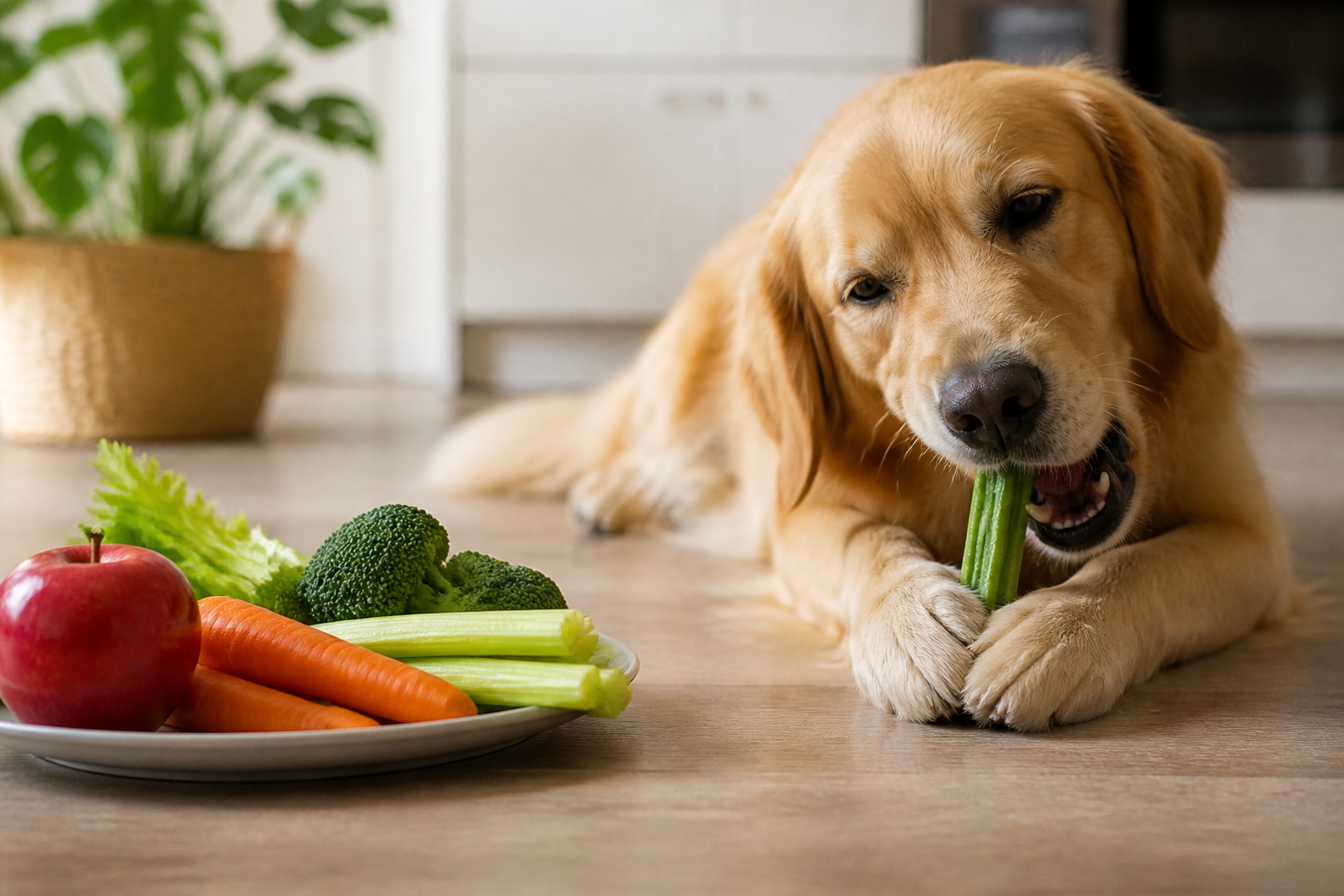
If you want to add a fresh element to your dog's diet, the produce aisle is a great place to start. Many vegetables are low in calories and high in fiber. This fibrous texture is what does the heavy lifting for dental health.
Carrots
Raw carrots are a favorite for many dogs. When a dog bites into a cold, crisp carrot, the fiber acts like a mild abrasive. This helps scrub the surface of the teeth. Carrots are also rich in Vitamin A. This supports the immune system and eye health. Always cut them into manageable chunks to prevent choking. If your dog is a fast eater, whole large carrots might be safer as they require more gnawing.
Celery
Celery is often called nature's dental floss. It has a high water content which helps with hydration and saliva flow. The long fibers in the stalks can help get into the small gaps between teeth. It also helps freshen breath naturally. Some dogs do not like the taste of celery, but you can try adding a tiny bit of plain peanut butter to the groove to encourage them.
Broccoli Stalks
Most people give their dogs the florets, but the stalks are actually better for teeth. They are much harder and require more effort to break down. This extra chewing time is excellent for cleaning the back molars. Broccoli is also packed with antioxidants that support gum health by reducing inflammation.
Sliced Apples
Apples contain malic acid. This is a natural cleaning agent that can help dissolve some of the stains on teeth. The skin of the apple provides the scrubbing action. Just make sure to remove all seeds and the core. Apple seeds contain small amounts of cyanide and are not safe for dogs.
The Truth About Dental-Specific Kibble
Some dog owners move beyond standard food to specialized dental diets. These are different from your everyday kibble. We carry brands like Royal Canin and Farmina that offer specialized formulas designed for oral health. You can compare options in our dog dental care collection.
Larger Kibble Size
Dental kibble is usually much larger than standard food. This is intentional. It forces the dog to bite into the piece rather than swallowing it whole. If the pieces are too small, they provide zero dental benefit.
Fibrous Matrix
Inside these specialized kibbles, the fibers are arranged in a specific pattern. Instead of crumbling, the kibble allows the tooth to sink into it. As the tooth moves through the kibble, the fibers scrub the entire surface of the tooth. This reaches all the way down to the gum line where most problems start.
Calcium Sequestering
Some high-quality dental foods include ingredients that bind to calcium in the saliva. This prevents the calcium from depositing onto the teeth. When calcium cannot stick, it cannot turn soft plaque into hard tartar.
Vet Tip: If your dog has existing dental pain or loose teeth, they may refuse hard kibble or crunchy vegetables. Always have a veterinarian examine your dog's mouth before starting a new dental-heavy diet to ensure they are not in discomfort.
Raw Bones and Natural Chews
The use of bones for dental health is a popular topic. For thousands of years, wild canines used bones to keep their teeth clean. However, there are rules to follow to keep your pet safe.
Step 1: Choose raw bones only. Never give your dog cooked bones of any kind. Cooking makes bones brittle and prone to splintering. These splinters can cause life-threatening punctures in the digestive tract.
Step 2: Match the bone to the dog. A small dog should not have a massive marrow bone that could break their teeth. A large dog should not have a small bone they might swallow whole.
Step 3: Supervise the session. Never leave your dog alone with a bone. Watch to see if they are chewing gently or trying to crush it. If they are an aggressive "power chewer," bones might not be the best choice for them.
Raw meaty bones, like turkey necks or beef ribs, provide a great workout for the jaw. They help remove debris from the crevices of the teeth. If you prefer to avoid raw bones, air-dried tendons or yak milk sticks are good alternatives. They offer a similar toughness without the same risk of splintering. We carry natural dog chews for long-lasting chewing that provide this long-lasting mechanical action.
Probiotics and Oral Microbiome Support
We are learning more every day about the bacteria in a dog's mouth. Not all bacteria are bad. Some are actually helpful. Probiotic-rich foods like plain, unsweetened yogurt or kefir can help balance the oral microbiome.
When your dog eats these foods, beneficial bacteria can crowd out the bacteria that cause bad breath and gum disease. Some pet owners also use kelp-based supplements. Certain types of kelp contain a bacterium called Bacillus licheniformis. This bacterium releases an enzyme that breaks down the coating of plaque. You can find these as powders to sprinkle on top of your dog's regular meal.
Foods to Avoid for Better Dental Health
Just as some foods help, others can make dental problems much worse. If you are trying to keep your dog's teeth clean, watch out for these ingredients.
- Excessive Starches: Many low-quality treats are held together with corn, wheat, or white flour. These starches turn into sugar in the mouth. Sugar feeds the bacteria that create plaque.
- Sticky Treats: Avoid treats that stick to the teeth for a long time. If a treat gets stuck in the grooves of the molars, it provides a constant food source for bacteria.
- Human Snacks: Pretzels, crackers, and sugary cereals are bad for a dog's waistline and their teeth.
- Hard Items: Avoid items that are harder than the teeth themselves. This includes antlers or plastic bones that have no give. If you cannot dent it with your thumbnail, it might be hard enough to fracture a tooth.
Key Takeaway: Reducing simple starches and sugars in your dog's diet is just as important as adding crunchy vegetables for cleaning.
Moving to a Dental-Focused Diet
If you decide to change your dog's food to support their teeth, do it slowly. A sudden change can cause stomach upset.
Step 1: Mix the new dental food with the old food. Start with about 25% of the new food and 75% of the old.
Step 2: Watch for changes in digestion. Ensure your dog is still excited about mealtime and that their stools remain firm.
Step 3: Increase the ratio over 7 to 10 days. Gradually move to 50/50, then 75/25, until you are feeding only the new diet.
During this transition, you can start introducing a "dental snack" time. This could be a carrot in the afternoon or a VOHC-approved treat after dinner. Keeping a routine helps you monitor their progress. You might notice their breath becoming fresher after just a few weeks of a dental-focused routine. For additional guidance, read how to switch your dog to a new food gradually.
Integrating Diet with Toys and Gear
Diet is a powerful tool, but it works best as part of a larger plan. Chewing on specific toys can reinforce the cleaning your dog gets from their food. We recommend durable rubber toys from brands like Kong. These toys often have ridges or nubs that massage the gums. Explore our dog toys collection for options that support active chewing.
You can even stuff these toys with dental-friendly foods. For example, stuffing a rubber toy with a mix of plain yogurt and mashed carrots, then freezing it, creates a long-lasting dental treat. As your dog licks and chews to get the food out, the toy rubs against their teeth. This provides both mental stimulation and a deeper clean.
Using high-quality collars and leashes for daily walks also helps. Exercise increases overall circulation, which is good for gum health. A healthy body often leads to a healthy mouth. Our selection of RC Pets gear is perfect for making sure your dog stays active and healthy.
The Role of the BaxterBoo Pharmacy
Sometimes, diet and over-the-counter treats are not enough. If your dog has advanced dental disease, your vet might prescribe a specific therapeutic diet. These are different from the dental foods found on regular shelves. They contain higher concentrations of active ingredients to manage severe plaque and inflammation.
Our pet pharmacy offers these prescription pet foods through our partnership with Pet's Choice. Because we are a hybrid retailer, you can manage your dog's entire wellness plan in one place. You can pick up their favorite toys and then order their prescription dental diet through our pharmacy portal. This ensures you are getting genuine, FDA-approved products handled by professionals who understand pet health.
If your vet recommends a professional cleaning, they may also prescribe medications for after the procedure. This might include antibiotics or pain relief. Having access to a trusted pharmacy makes it much easier to follow your vet's recovery plan.
Conclusion
Cleaning your dog's teeth does not have to be a daily battle with a toothbrush. By choosing the right foods, you can let your dog do most of the work themselves. Incorporating crunchy vegetables like carrots and broccoli, using specialized dental kibble, and offering safe raw bones can drastically reduce plaque. Remember to avoid starchy, sugary snacks that feed harmful bacteria.
Always consult your veterinarian if you notice bleeding gums, broken teeth, or a sudden change in eating habits. They can provide a professional cleaning and advise you on whether a prescription diet is necessary. You can earn rewards on your dental food and treats through our MVP Rewards programme, making it easier to maintain a healthy routine.
Bottom line: A diet focused on mechanical scrubbing and bacterial management is the best way to support your dog's oral health between veterinary visits.
FAQ
Does dry kibble really clean a dog's teeth better than wet food?
Standard dry kibble provides very little cleaning benefit because the pieces are usually too small and crumble too easily. However, wet food can be worse because it sticks to the teeth and gums more easily. For real dental benefits, you should look for specialized dental kibble that is designed to be larger and more fibrous. For more context, read what is better for dogs: wet or dry food.
Can I just give my dog a carrot every day instead of brushing?
While carrots are excellent for mechanical cleaning and providing vitamins, they are not a total replacement for brushing. Brushing is the only way to reach all surfaces of the teeth and under the gum line effectively. Think of carrots as a helpful supplement to a broader dental care routine that includes checkups and brushing. You can also review our guide to pet dental care tips.
Are dental treats high in calories?
Some dental treats can be quite high in calories, especially those that use starches and fats for palatability. It is important to look at the feeding guidelines on the package and adjust your dog's main meals accordingly. Many owners find success using low-calorie options like celery or sliced cucumbers as a healthy alternative to processed treats.
How do I know if a dental food is actually effective?
Look for the Veterinary Oral Health Council (VOHC) Seal of Acceptance on the packaging. This seal means the product has undergone testing and has been proven to significantly reduce plaque or tartar. We carry many VOHC-approved products because they meet these high standards for effectiveness and safety. For more ideas, explore 10 best dental chews for dogs.






