
 Save 15% on your 1st Autoship learn more

 Email us
 Live Chat
 FAQs





Introduction
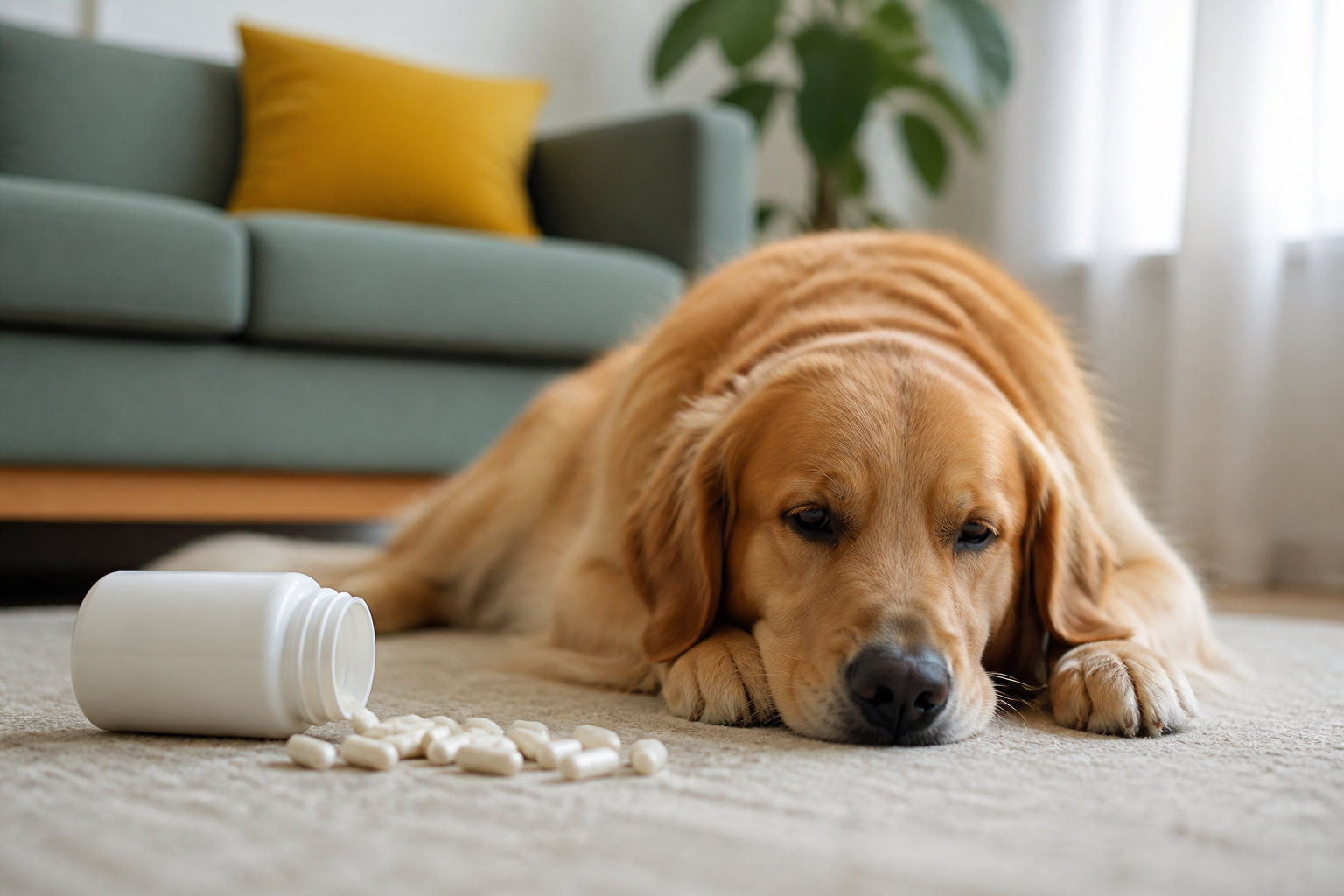
You walk into the kitchen and find an empty container of probiotic chews shredded on the floor. Your dog looks perfectly fine, but you know there were at least twenty supplements left in that bottle. If your dog gets into their supplements, you might feel a rush of panic. You may wonder if this mistake requires an emergency vet visit or if you can manage the situation at home. At BaxterBoo, we know that these "counter surfing" moments are part of life with dogs. We want to help you understand exactly how these beneficial bacteria affect your dog when they get a bit too much at once. This article covers the signs of a probiotic overload, what to do in the next 24 hours, and how to tell if it is time to call your veterinarian. Probiotics are generally very safe, but a sudden influx can definitely cause some temporary discomfort for your pup.
Quick Answer: If a dog eats too many probiotics, the most common result is temporary digestive upset like gas, bloating, or diarrhea. While a true toxic overdose is extremely rare, the sudden shift in gut bacteria can cause discomfort that usually resolves within 48 hours with rest and hydration.
Understanding the Probiotic Overload
When we talk about most medications or vitamins, the word "overdose" sounds very scary. With probiotics, it is helpful to think of it more as an "overload" of beneficial bacteria. Probiotics are live microorganisms that already exist in your dog’s digestive tract. When you give a supplement, you are adding to that existing population to support immune health and digestion.
If your dog eats a whole bottle, they have essentially invited a massive crowd of new residents into their gut all at once. The digestive system is a delicate balance of "good" and "bad" bacteria. A sudden surge of even the good kind can throw that balance off temporarily. This disruption is what leads to the symptoms you see.
The good news is that these bacteria do not typically cause organ damage or toxicity. They are not like ibuprofen or chocolate, which are toxic substances to a dog's system. Instead, the body simply has more bacteria than it can use. It will work to process them and move the excess out of the system through normal digestion.
Dog Vitamins & Supplements




Common Signs of Too Many Probiotics
Every dog reacts differently to a sudden change in their gut microbiome. A large Labrador might handle a double dose with no symptoms at all. A small Terrier who eats three times the recommended amount might have a much louder reaction. You should watch your dog closely for the first 6 to 12 hours after they ingest the extra probiotics.
Digestive Upset
This is the most common side effect. Because probiotics work directly in the intestines, that is where the most obvious symptoms occur. You might hear your dog’s stomach "gurgling" from across the room. This is often accompanied by increased gas. While smelly, this is a sign that the bacteria are active in the gut.
Changes in Stool
You may notice that your dog’s stool becomes soft or turns into diarrhea. This happens because the excess bacteria can draw more water into the colon. It can also speed up the transition time of food through the digestive tract. Usually, this is mild and should not contain blood.
Behavior and Appetite
Some dogs feel a bit "off" when their stomach is upset. Your dog might skip a meal or seem less interested in their favorite treats. They might also act a bit restless, shifting positions frequently to get comfortable. As long as they remain alert and responsive, this is usually just a sign of a temporary stomach ache.
Key Takeaway: Most symptoms of a probiotic overload are localized to the digestive tract. Gas, bloating, and soft stools are the body’s way of processing the excess bacteria and returning to a balanced state.
When to Contact Your Veterinarian
While most cases of eating too many probiotics are not emergencies, there are times when professional help is necessary. This is especially true for dogs with underlying health conditions or those who show extreme reactions.
Persistent Symptoms
If the diarrhea or vomiting lasts longer than 48 hours, you should call your vet. Prolonged digestive upset can lead to dehydration. Your vet can provide fluids or anti-nausea medication to help your dog recover.
Signs of Dehydration
Check your dog’s gums. They should be pink and moist. If they feel tacky or dry, your dog may be dehydrated. Another test is to gently pinch the skin between their shoulder blades. It should snap back into place immediately. If it stays in a "tent" shape, your dog needs medical attention.
Unusual Ingredients
Check the label of the probiotic your dog ate. Some supplements, especially those meant for humans, contain additives that are dangerous for dogs. Xylitol is a common sweetener in human chewables and is highly toxic to dogs. If the supplement contains any ingredients other than standard probiotics, binders, and flavors, share that list with your vet.
Vet Tip: Always keep the packaging of any supplement your dog ingests. Your veterinarian will need to know the specific strains of bacteria and the total number of colony-forming units (CFUs) to determine the best course of action. If your dog has a chronic condition like IBD, contact your vet immediately after an accidental overdose.
Managing the Situation at Home
If your dog is acting normally and only has mild symptoms, you can usually manage their recovery at home. The goal is to let the digestive system rest while the body clears the excess bacteria.
Step 1: Pause the supplements. / Stop giving any probiotics or other supplements for at least 48 hours. This allows the gut microbiome to settle back into its natural rhythm without adding more variables.
Step 2: Monitor water intake. / Make sure your dog has constant access to fresh, clean water. If they have diarrhea, they are losing fluids faster than usual. You want to encourage them to drink small amounts frequently.
Step 3: Offer a bland diet. / If your dog has a sensitive stomach, you might skip one meal and then offer a bland diet. Boiled chicken and plain white rice can be easier on the gut than their standard kibble.
Step 4: Gradually resume. / Once your dog’s stool has returned to normal for a full day, you can slowly start their regular food again. Do not restart the probiotic until you have cleared it with your vet or until your dog is 100% back to normal.
High-Risk Dogs and Special Considerations
Some dogs are more sensitive to changes in their gut health than others. If your pup falls into one of these categories, you should be a bit more proactive about calling your vet.
- Puppies: Their immune systems and digestive tracts are still developing. A small amount of diarrhea can lead to dehydration much faster in a puppy than in an adult dog.
- Senior Dogs: Older dogs often have more sensitive systems. They may also be on other medications that could interact with a sudden shift in gut health.
- Immunocompromised Dogs: If your dog is undergoing chemotherapy or has an autoimmune disorder, their body might not handle a massive influx of live bacteria well.
- Small Breeds: The "dose" relative to their body weight is much higher. A Chihuahua eating ten chews is a much bigger deal than a Great Dane doing the same.
Our pet pharmacy carries a wide range of FDA-approved medications and prescription diets. We offer these through our partnership with Pet's Choice. If your vet determines that your dog needs a specific prescription diet to manage a chronic digestive issue after a supplement mishap, we can help you get those supplies delivered to your door.
The Difference Between Human and Dog Probiotics
You might be tempted to share your own probiotics with your dog, or perhaps your dog got into your personal stash. It is important to know that human probiotics are formulated for a human's internal environment. A human’s stomach acidity and gut flora are different from a dog's.
Human products often have much higher concentrations of certain strains that might not be as beneficial for canines. Furthermore, human supplements sometimes include flavors or fillers like birch sugar (xylitol) that are safe for us but lethal for pets. Always stick to products specifically designed for dogs. These products use strains like Enterococcus faecium or Bacillus coagulans which have been studied specifically for canine health.
Benefits of Correct Probiotic Use
While eating a whole bottle is a problem, daily probiotic use at the correct dose is a fantastic tool for pet health. When used properly, these supplements support a strong immune system. Since a huge portion of the immune system lives in the gut, a balanced microbiome helps your dog fight off seasonal allergies and minor infections.
Probiotics can also improve skin and coat health. Many skin issues are actually a reflection of internal inflammation. By keeping the gut healthy, you often see less itching and a shinier coat. We carry over 500 trusted brands, and our team handpicks every supplement to ensure they meet high quality standards.
To make sure your dog stays on a consistent routine without the risk of running out, many of our customers use our Autoship program. This ensures you always have the right amount on hand. It also saves you money on your first order and gives you a free MVP Gold membership. Consistency is much more important than a high dose when it comes to gut health.
How to Determine the Right Dosage
If you are starting a new probiotic routine, always look at the label for weight-based instructions. Most manufacturers will tell you exactly how many chews or scoops of powder your dog needs.
- 0-20 lbs: Usually a very small dose, often half a chew or a small scoop.
- 21-50 lbs: A standard single dose.
- 51+ lbs: May require two or more doses.
If your dog is currently taking antibiotics, talk to your vet about the timing. Antibiotics kill bacteria, including the good ones in the probiotic. Your vet might suggest waiting a few hours between the medication and the supplement to ensure the probiotic actually has a chance to work.
Bottom line: Stick to the manufacturer's recommended dose on the label. Giving more will not produce faster results and only increases the risk of a messy stomach ache.
Long-Term Digestive Health
A single incident of eating too many probiotics is rarely a long-term health concern. However, it is a good reminder to keep all supplements and medications in a secure, dog-proof cabinet. Many pet supplements are flavored like beef or chicken to make them palatable. To a dog, that bottle of probiotics looks and smells like a giant bottle of treats.
If your dog frequently has digestive issues, a daily probiotic can help. But it should be part of a larger plan. High-quality food, plenty of exercise, and regular vet checkups are the foundations of health. Our warehouse in Vernon Hills, Illinois, is stocked with premium foods and health supplies that we have expertly curated for our own pets and yours.
Summary of Action Steps
If your dog just ate too many probiotics, follow these steps to stay calm and keep them comfortable:
- Check the ingredient list for toxic additives like xylitol.
- Remove the remaining supplements and secure the container.
- Provide plenty of fresh water to prevent dehydration.
- Watch for vomiting, diarrhea, or unusual lethargy over the next 48 hours.
- Consult your veterinarian if symptoms are severe or if your dog is high-risk.
- Resume the regular routine only after all symptoms have cleared.
If you want to earn rewards while keeping your dog healthy, consider joining our MVP Rewards program. You can earn up to 5% back on your purchases. This is a great way to save on the daily supplements and health gear your dog needs to stay in top shape.
FAQ
Can a dog die from eating too many probiotics?
It is extremely unlikely for a healthy dog to die from a probiotic overdose. Probiotics are not toxic. The main danger would be severe dehydration from secondary diarrhea or vomiting, or if the supplement contained a toxic additive like xylitol. If your dog is acting very sick, contact a vet immediately.
How long does it take for a probiotic overdose to wear off?
Most dogs will feel better within 24 to 48 hours. The excess bacteria usually pass through the system relatively quickly. If your dog is still having diarrhea or refuses to eat after two days, you should seek veterinary advice to rule out other issues.
My dog ate human probiotics, what should I do?
First, check the label for xylitol or other sugar substitutes. If it contains xylitol, this is an emergency. If the ingredients are safe, monitor your dog for digestive upset. Human probiotics often have different strains and higher doses, so your dog is more likely to experience gas or diarrhea.
Should I induce vomiting if my dog ate a whole bottle?
Do not induce vomiting unless specifically instructed to do so by a veterinarian or an animal poison control center. Probiotics are not corrosive or toxic, so the stress of inducing vomiting might be worse for the dog than simply letting the bacteria pass through their system naturally.






- Site & Contents BaxterBoo.com. BaxterBoo is located in the United States.
- Privacy & Security
- Terms of Use
- Accessibility Statement
