
 Save 15% on your 1st Autoship learn more

 Email us
 Live Chat
 FAQs
FAQs





Introduction
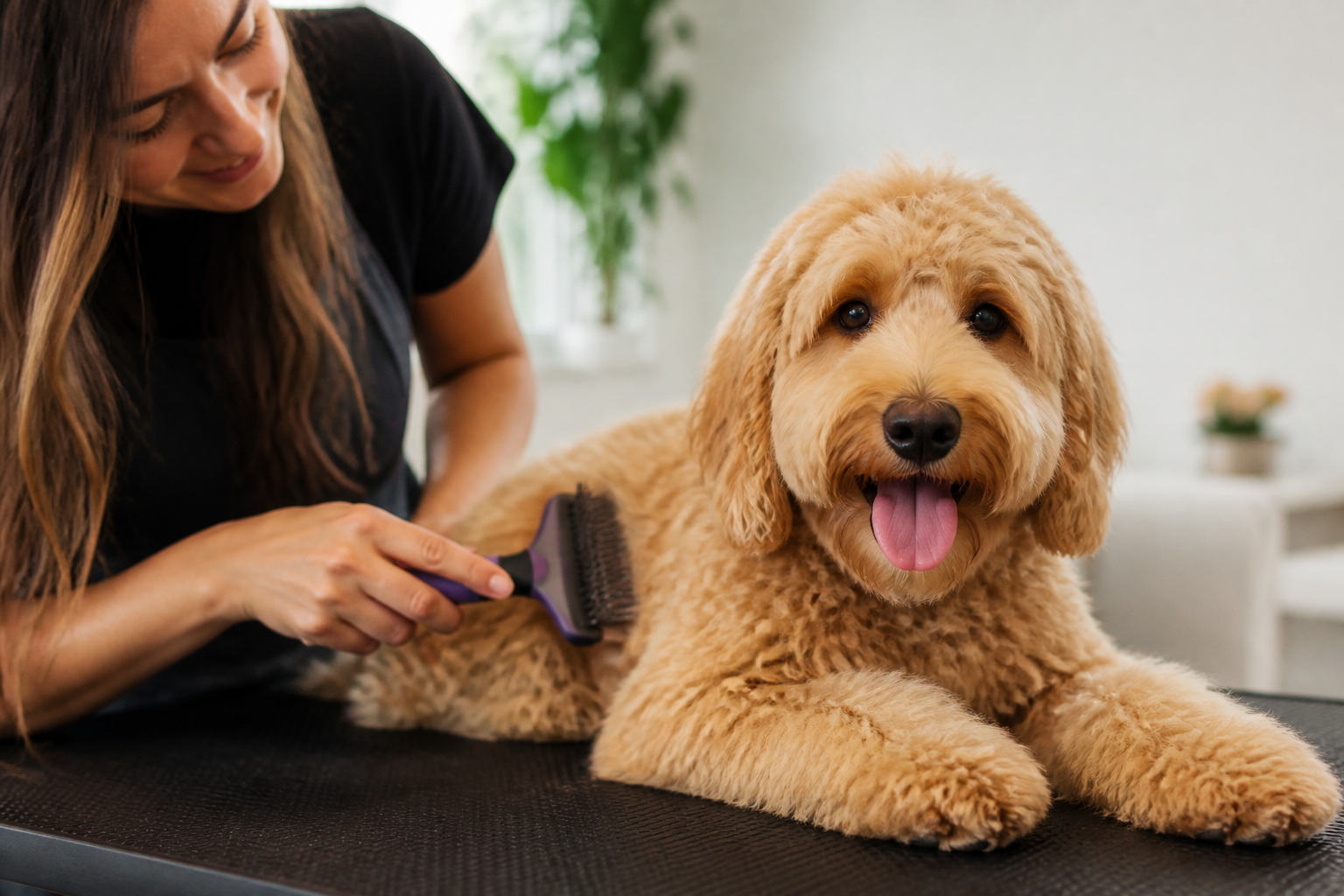
You are petting your dog after a long walk when your fingers snag on a hard, tight knot behind their ears. Or perhaps you have noticed "tumbleweeds" of fur rolling across your hardwood floors every time your pup stands up. These are the moments when a standard quick brushing at home feels like it is not enough. This is where a professional brush out dog grooming service comes into play. At BaxterBoo, we know that maintaining a healthy coat is about more than just looking good. It is a vital part of keeping your dog comfortable and healthy. A brush out is a specialized grooming process designed to remove dead hair, clear out the undercoat, and eliminate tangles. This post explains what happens during this service, the tools we use, and why it matters for your dog.
Understanding the Brush Out Service
A brush out is often part of a standard grooming package known as a "Bath and Brush." Unlike a full groom, a brush out does not usually involve cutting the length of the hair with clippers or shears. Instead, the focus is entirely on the mechanical removal of loose fur and the management of the existing coat. For many breeds, this is the most important part of their hygiene routine.
When a professional performs a brush out, they are doing more than just moving a brush over the top of the fur. They work in sections to ensure they reach the skin. This process removes the dead "shedding" hair that gets trapped against the body. If that hair stays there, it can mix with oils and dirt to form mats. A professional brush out ensures that every inch of the dog is checked for these issues.
This service is especially popular for "double-coated" breeds. These are dogs like Huskies, Golden Retrievers, and Labradors. They have a soft undercoat for temperature control and a coarser top coat for protection. A brush out specifically targets that undercoat. Without this regular maintenance, the undercoat can become "impacted." This means the dead hair is so thick that air can no longer reach the skin.
Quick Answer: A brush out is a professional grooming service that focuses on removing dead undercoat, loose fur, and tangles without cutting the hair. It involves specialized tools and techniques to ensure the coat is clean, airy, and free of mats.
The Benefits of Washing Before Brushing
Many pet owners try to brush their dogs while they are dry and dirty. While daily maintenance is good, a professional brush out often happens after or during a bath. There is a specific reason for this. Brushing a dirty coat can actually be harder on the dog and the groomer. Dirt and dander act like glue for tangles.
When we wash a dog first, the water and shampoo help loosen the dirt and oils holding the dead hair in place. Applying a high-quality conditioner is even more helpful. The conditioner smooths the hair cuticle. This allows the brush to glide through the fur more easily. It also reduces the "static" that can cause hair to snap or tangle during the process.
Using a high-velocity dryer after the bath is another professional secret. These dryers do not just dry the hair. They use a focused stream of air to literally blow the loose undercoat out of the follicle. This makes the subsequent brushing much faster and more comfortable for the dog. It also helps the groomer see the skin clearly to check for any hidden lumps or irritations.
Essential Tools for a Proper Brush Out
At BaxterBoo, we carry a wide range of tools because we know that one brush does not fit every dog. Using the wrong tool can be ineffective or even painful for your pet. Here are the primary tools used in a professional brush out.
The Slicker Brush
This is the workhorse of the grooming world. A slicker brush has a flat or slightly curved head with rows of thin, wire pins. These pins are usually bent at an angle. This design allows the brush to grab onto loose hair and pull it away from the coat. It is excellent for detangling and removing the initial layers of shed fur. Explore our dog brushes and combs to find tools suited to different coat types.
The Undercoat Rake
For dogs with thick, heavy coats, a rake is essential. These tools have long, sturdy metal pins that reach through the top coat. They pull out the "wool" of the undercoat without damaging the protective outer layer. If you have a German Shepherd or a Newfoundlander, this is likely the most important tool in the kit.
The Metal Greyhound Comb
A metal comb is the ultimate "truth teller" in grooming. After using a slicker brush, a groomer will run a fine-toothed comb through the hair. If the comb snags, it means there is still a small tangle or mat hidden deep in the coat. No brush out is complete until a metal comb can glide from the skin to the tips of the hair without stopping.
The Rubber Curry Brush
For short-haired dogs like Pugs or Pit Bulls, wire brushes can be too scratchy. A rubber curry brush uses soft rubber "fingers" to massage the skin. This pulls up loose, short hairs and stimulates the natural oils in the skin. It is a gentle way to manage shedding for dogs with sensitive skin. You can also browse our selection of BASS Brushes products for bathing and brushing tools.
Key Takeaway: The right tool depends entirely on your dog's coat type. Using a combination of a slicker brush for detangling and a metal comb for checking your work is the best way to prevent mats.
Professional Techniques: Line Brushing
If you have ever wondered why a groomer gets your dog so much fluffier than you can at home, the answer is usually "line brushing." This is a specific technique used to ensure no part of the coat is missed. It is the gold standard for brush out grooming.
To line brush, you start at the bottom of the dog, usually a back leg. You use one hand to push the hair up and out of the way. This creates a visible "line" where you can see the skin. You then brush the small section of hair below that line downward. Once that section is perfectly smooth, you drop a little more hair down and repeat the process.
This method prevents the common mistake of "top brushing." Many owners only brush the very top layer of fur. This leaves the hair near the skin to tangle and mat. Line brushing ensures that every single hair is separated and smoothed. It takes more time, but the results are far superior for the dog's comfort. For tools that support home grooming techniques, consider our UGroom grooming products.
Vet Tip: If you find a mat that is tight against the skin, do not try to cut it out with scissors. It is very easy to accidentally nick a dog's thin skin. If a mat is too tight to brush out, consult a professional groomer or your veterinarian for safe removal.
Managing Different Coat Types
Every dog has unique needs when it comes to a brush out. The frequency and intensity of the service change based on the texture and length of their fur.
- Drop Coats (Shih Tzu, Yorkie, Maltese): These coats are most similar to human hair. They do not stop growing and they tangle very easily. They require a brush out every few days to prevent mats from forming.
- Double Coats (Husky, Corgi, Lab): These dogs go through "blowing coat" seasons twice a year. During these times, a professional brush out can remove incredible amounts of fur that would otherwise end up on your furniture.
- Wire Coats (Terriers): These coats are rough and water-resistant. While they do not mat as easily as long hair, they still need regular brushing to remove dead, "blown" hairs that can make the skin itchy.
- Short Coats (Beagles, Boxers): Even though they don't mat, these dogs benefit from a brush out to manage shedding and distribute skin oils.
Health Benefits of a Regular Brush Out
A brush out is not just about vanity. It is a health check. When we spend thirty to sixty minutes focused on every inch of a dog's coat, we notice things that might be hidden by fur. This is often when we find fleas, ticks, or unusual skin bumps. If you are also managing parasites, explore our flea and tick collection for available products.
Regular brushing also improves circulation. The mechanical action of the brush against the skin acts like a massage. This brings blood flow to the surface and encourages healthy hair growth. It also helps regulate the dog's body temperature. A coat that is free of dead, trapped fur allows air to circulate. This keeps the dog cooler in the summer and warmer in the winter.
If your dog has sensitive skin or allergies, a brush out is even more important. Removing dander and environmental allergens like pollen from the fur can reduce itching. Our pharmacy carries FDA-approved medicated shampoos and skin treatments if your vet finds that your dog's skin needs extra help. Through our partnership with Pet's Choice, we can help you manage these chronic skin conditions after a professional grooming session. You can review our pet pharmacy for prescription products that require veterinary guidance.
When a Brush Out is Not Enough: Dealing with Mats
Sometimes, life gets busy and the brushing routine slips. If a dog's coat becomes severely matted, a standard brush out may no longer be an option. Mats are not just messy; they are painful. They pull on the skin with every movement. In extreme cases, they can cut off circulation to the skin or trap moisture, leading to "hot spots" or infections.
If a groomer determines that brushing out the mats would cause the dog too much pain or stress, they will recommend a "shave down." This is a reset for the coat. It is always better to shave a matted dog than to spend hours pulling on their skin with a brush. Once the coat is short, you can start a new routine to keep it healthy as it grows back.
Bottom line: Regular professional brush outs prevent the need for painful dematting or total shaves by catching tangles before they turn into mats.
How to Maintain the Results at Home
A professional brush out gives you a clean slate. To keep your dog looking and feeling great between grooming appointments, you should establish a home routine. You do not need to spend an hour every day, but consistent "mini-sessions" make a huge difference.
- Focus on high-friction areas: Tangles usually start behind the ears, in the "armpits," and where the collar or harness sits.
- Use a detangling spray: These sprays add slip to the hair and make the process more pleasant for your dog.
- Reward your pet: Make the brush out a positive experience with high-quality treats.
- Check your work: Always finish with a metal comb to ensure you reached the skin.
We offer a variety of grooming supplies at BaxterBoo to help you maintain that "just groomed" look. From professional-grade slicker brushes to soothing conditioners, having the right gear at home is the best way to support your dog's health. Browse our dog grooming supplies to build your home-care routine.
Mini Checklist for Home Maintenance
If you are starting a home grooming routine, follow these simple steps to ensure success.
- Inspect first: Run your hands over the dog to find any sensitive spots or large knots.
- Use the right tool: Start with a slicker brush for most coats.
- Work in sections: Do not try to brush the whole dog at once.
- Be gentle: Never "rake" the brush against the skin with heavy pressure.
- Use a comb: Always double-check your work with a metal comb.
Summary of the Brush Out Process
A professional brush out is an investment in your dog's long-term comfort. It goes far beyond what most owners can achieve with a standard brush at home. By using high-velocity dryers, professional conditioners, and technical line-brushing methods, a groomer can remove the deep-seated undercoat that causes most shedding and matting issues.
Whether you have a heavy-shedding Husky or a long-haired Yorkie, this service keeps the skin healthy and the home cleaner. It also provides a regular opportunity to check for health issues like lumps or parasites. If your dog is currently struggling with skin irritation or fleas, remember that we can help. Our pharmacy provides access to prescription preventives and treatments to keep your pet's skin in top shape.
Key Takeaway: A professional brush out is the most effective way to manage shedding and prevent painful mats, ensuring your dog's coat remains functional and healthy.
Conclusion
A brush out dog grooming session is one of the best things you can do for a dog with a medium to long coat. It is a specialized process that requires patience, the right tools, and a solid understanding of canine anatomy. Regular sessions will keep your dog's coat airy, light, and free of the painful knots that can lead to skin infections. At BaxterBoo, we are committed to helping you provide the best possible care for your pets. Whether you are visiting our warehouse in Vernon Hills or ordering supplies for home use, we have the expertise to guide you. To get started on a better grooming routine, explore our collection of grooming tools or consider setting up our Autoship programme for your favorite shampoos and conditioners to save time and money.
FAQ
What is the difference between a brush out and a haircut? A brush out focuses on removing dead hair and tangles from the existing coat without changing its length. A haircut uses clippers or shears to shorten the fur and change the dog's overall look. Many double-coated dogs should only receive brush outs, as cutting their fur can damage the coat's ability to regulate temperature.
How often should my dog get a professional brush out? Most dogs with medium to long hair benefit from a professional brush out every 4 to 6 weeks. However, if your dog is a heavy shedder or has a coat that mats easily, you may need to go more frequently. Regular at-home brushing can help extend the time between professional appointments.
Can a brush out stop my dog from shedding? While no service can completely stop natural shedding, a professional brush out can reduce it by up to 80 percent. By removing the dead hair in a controlled environment, there is much less fur left to fall out on your clothes and furniture. Using specialized deshedding tools during the brush out makes a significant difference.
Does a brush out hurt the dog? When done correctly by a professional, a brush out should not be painful. In fact, many dogs find the process and the accompanying massage very relaxing. However, if a dog is already heavily matted, the process of removing those mats can be uncomfortable, which is why groomers often recommend a shave in extreme cases.






