
 Save 15% on your 1st Autoship learn more

 Email us
 Live Chat
 FAQs
FAQs





Introduction
You are standing in the grooming aisle or browsing online, looking at dozens of brushes that all seem to do the same thing. One looks like a tiny bed of nails, another like a standard hairbrush, and another like a simple plastic comb. If you have a dog with a long, silky, or curly coat, you have likely come across the pin brush. It is one of the most common tools in a pet owner's kit, yet many people are unsure when or why to use it. At BaxterBoo, we know that the right tool makes the difference between a stressful chore and a bonding moment. This post covers everything you need to know about what a pin brush is, how it works, and which dogs benefit from it most. Understanding this tool will help you keep your dog's coat healthy and tangle-free.
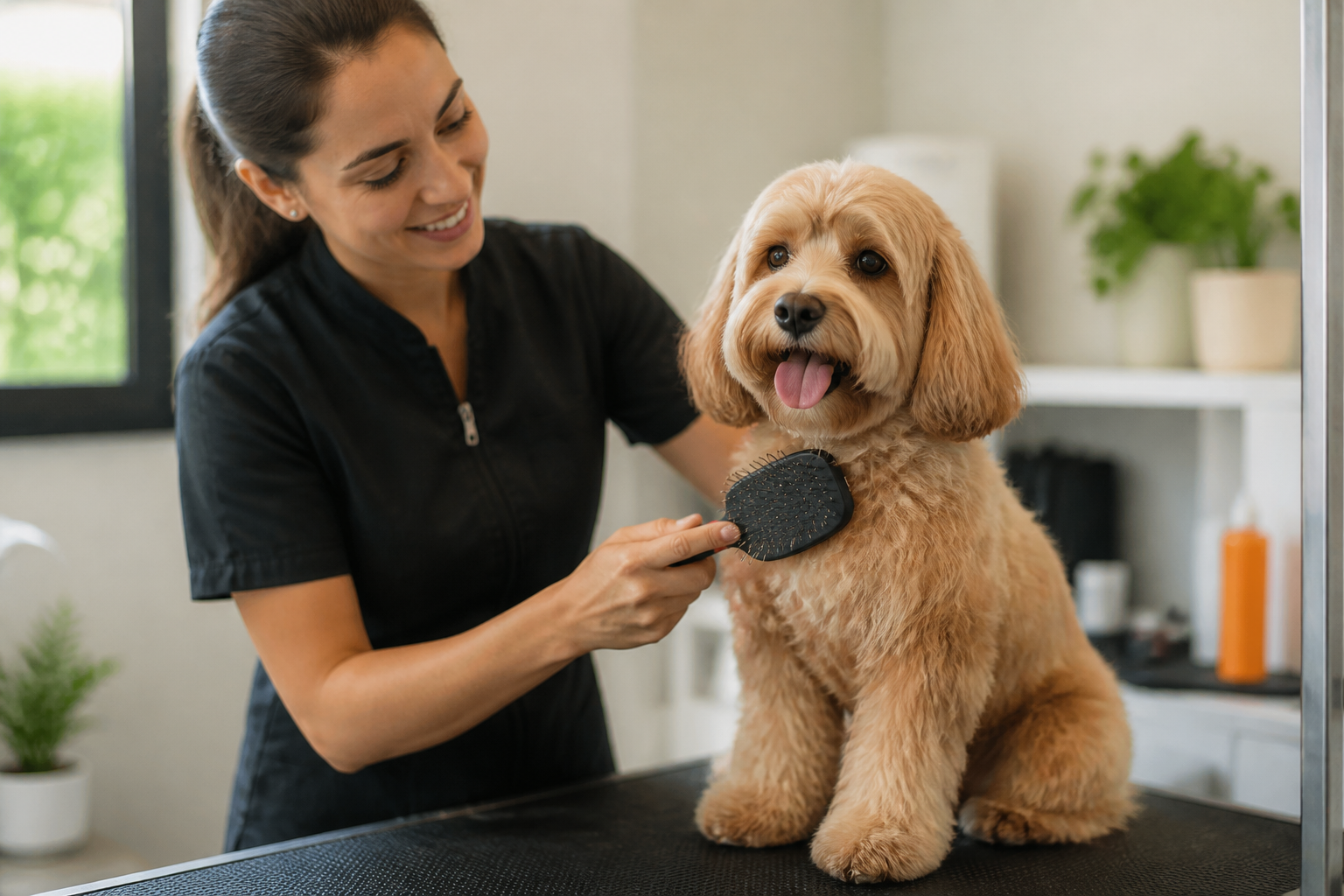
Quick Answer: A pin brush is a grooming tool with long, straight metal or wood pins set into a flexible cushion. It is designed to penetrate deep into long or thick coats to remove loose hair and dirt without damaging the fur or irritating the skin.
The Anatomy of a Quality Pin Brush
A pin brush looks remarkably like the brush you might use on your own hair. However, it is engineered specifically for the density and texture of canine fur. To understand why it works, you have to look at the individual components that make up the tool.
The Pins
The pins are the most important part of the brush. They are usually made of stainless steel, though some specialty brushes use brass or even wood. These pins are straight and lack the tiny hooks found on other brush types. Most high-quality brushes feature rounded or grounded tips. This means the ends of the metal pins are smoothed down so they do not scratch the dog's skin. Some lower-quality brushes use plastic "balls" on the tips. While these feel soft at first, they can eventually trap hair and cause breakage.
The Cushion
The pins are set into a flexible rubber or silicone pad called the cushion. This cushion is often air-vented. When you press the brush against your dog’s body, the cushion gives way. This prevents you from applying too much pressure. It allows the pins to follow the natural contours of the dog's ribs, hips, and neck. Without this flexibility, the grooming process would be much less comfortable for the animal.
The Handle
Handles are typically made of wood, such as beechwood or ash, or durable plastics with rubber grips. A lightweight handle is essential for long grooming sessions. If the brush is too heavy, your wrist will tire quickly. Ergonomic designs help you maintain a steady grip even if your dog decided to wiggle or move around.
Key Takeaway: The combination of straight pins and a flexible cushion allows the pin brush to glide through long hair while protecting the skin from accidental scratches.
Why Your Dog’s Coat Type Matters
Not every dog needs a pin brush. If you have a Doberman or a Beagle with a very short, smooth coat, a pin brush might be too much tool for the job. These brushes are specifically designed for dogs with medium to long hair.
Long and Silky Coats
Breeds like Yorkshire Terriers, Maltese, and Afghan Hounds have hair that is very similar to human hair. It can be fine and prone to breaking. A pin brush is the ideal daily tool for these dogs. Because the pins are widely spaced and straight, they can move through the silky strands without snagging or snapping the hair.
Curly and Frizzy Coats
Poodles and Bichon Frises have coats that trap loose hair instead of letting it fall to the ground. This leads to quick matting. A pin brush helps to separate these curls and lift out the loose undercoat. It is often used as a "prep" brush before a finer tool is used to finish the look. For more guidance, see our tips on how to groom a dog with curly hair.
Double-Coated Breeds
Golden Retrievers, Collies, and Australian Shepherds have a dense undercoat and a longer topcoat. A pin brush is excellent for general maintenance on these breeds. It reaches through the long topcoat to pull out loose fur from the undercoat. It also helps to distribute natural oils across the fur, which keeps the coat shiny and water-resistant.
Pin Brush vs. Slicker Brush
Many pet owners confuse the pin brush with the slicker brush. While they can look similar from a distance, their functions are quite different. We carry both at BaxterBoo, but we often advise customers to use them for different stages of the grooming process.
| Feature | Pin Brush | Slicker Brush |
|---|---|---|
| Pin Shape | Straight, long pins | Short, bent wire pins |
| Primary Use | Daily maintenance and smoothing | Removing mats and heavy tangles |
| Coat Type | Long, silky, or curly | Thick, wiry, or double coats |
| Skin Feel | Very gentle, massage-like | Can be scratchy if used poorly |
| Finish | Smooth and natural | Fluffy and volumized |
The slicker brush is your heavy-duty tool for tackling knots. The pin brush is your everyday tool for keeping the coat tidy and looking its best. If you use a slicker brush too aggressively every day, you might cause "slicker burn," which is a painful skin irritation. The pin brush is much safer for frequent use.
Bottom line: Use a pin brush for daily brushing and a slicker brush for deep deshedding or removing stubborn mats.
For more options, browse our dog grooming supplies or explore our grooming tools.
Choosing the Right Pin Length and Shape
Pin brushes come in various sizes and shapes. Choosing the right one depends on the size of your dog and the length of their fur.
Pin Length
The length of the pins usually ranges from 20mm to 35mm.
- 20mm Pins: Best for dogs with medium-length coats or shorter "puppy cuts."
- 27mm Pins: The standard size for most long-haired breeds. It is versatile enough for almost any dog that requires a pin brush.
- 35mm Pins: Reserved for very thick, long, or "heavy" coats. If you have a Great Pyrenees or an Afghan Hound with a full coat, you need these longer pins to reach all the way down to the skin.
Brush Shape
- Oval Shape: This is the most common shape. It covers a large surface area, making it efficient for brushing the back and sides of the dog.
- Oblong Shape: This shape is narrower. It is excellent for styling and straightening the hair. It is also easier to use on the legs and tail where an oval brush might be too bulky.
- Pocket or Toy Size: These are smaller versions designed for toy breeds or for carrying in a travel kit. They allow for more precision around the face and ears.
How to Use a Pin Brush Like a Pro
Using a pin brush seems simple, but there is a technique to ensure you are actually removing hair rather than just smoothing the top layer.
Step 1: Start with a dry coat / Brushing a wet coat can lead to hair breakage. Ensure your dog is dry, or use a specific wood-pin brush designed for damp hair.
Step 2: Use a detangling spray / Lightly mist your dog’s coat with a grooming spray. This reduces static and helps the pins glide through the hair without pulling.
Step 3: Brush in sections / Do not just swipe the brush across the top of the dog. Start at the bottom of a leg and work your way up in small sections. This is often called "line brushing."
Step 4: Follow the direction of hair growth / Always brush in the direction the hair naturally lays. Brushing against the grain can be uncomfortable for the dog and may cause unnecessary tangling.
Step 5: Check for mats / As you brush, use your other hand to feel for any hard clumps of hair. If the pin brush snags, do not pull. Switch to a comb or slicker brush to gently work out the knot.
Vet Tip: If your dog has sensitive skin or is prone to hot spots, check the skin frequently during brushing. Look for redness or small bumps. If you notice persistent skin issues, consult your veterinarian to rule out allergies or infections. Our pharmacy through Pet's Choice offers prescription shampoos and skin treatments that can help manage these conditions.
The Benefits of Wood Pin Brushes
While metal pins are the standard, wood pin brushes are a fantastic alternative for certain situations. Wood pins are usually made from bamboo or maple. They are thicker than metal pins and have very rounded ends.
One of the biggest advantages of wood pins is that they do not generate static. If you have a dog with fine hair that often stands on end after brushing, a wood pin brush will solve that problem. They also provide a more intense massage sensation. Many dogs that typically dislike grooming will tolerate a wood pin brush because it feels like a massage rather than a grooming session.
Wood pins are also excellent for puppies. Puppies have very delicate skin and often view grooming as a scary experience. Starting them with a soft wood pin brush helps them build a positive association with being handled. It teaches them that brushing is a relaxing part of their day.
Maintaining Your Grooming Tools
A high-quality pin brush can last for many years if you take care of it properly. Hair, skin oils, and dander can build up in the cushion and around the base of the pins.
Daily Cleaning
After every grooming session, remove the hair from the pins. You can do this by hand or by using a small comb to lift the hair out of the cushion. If you leave hair in the brush, it can trap moisture and cause the pins to rust or the cushion to degrade.
Deep Cleaning
Once a month, you should give the brush a deeper clean.
- Fill a small bowl with warm water and a drop of gentle pet shampoo.
- Use an old toothbrush to scrub around the base of the pins.
- Dip the pins in the water, but try to avoid soaking the entire cushion if it is made of natural rubber.
- Rinse the brush and pat it dry with a towel.
- Always dry the brush with the pins facing down. This allows any water that got inside the cushion to drain out through the air vent.
Grooming and Your Dog's Health
Regular brushing is about more than just looking good. It is a vital part of your dog’s overall health. When you brush your dog daily, you are checking for more than just tangles. You are feeling for lumps, bumps, ticks, or areas of tenderness.
If your dog starts to lose hair in patches or has very dry, flaky skin, the brush might not be the only thing you need. These can be signs of nutritional deficiencies or underlying health issues. We often see pet owners who use our Autoship program for premium foods like Farmina or The Honest Kitchen to ensure their dogs are getting the nutrients needed for a healthy coat.
If the skin looks inflamed or your dog is constantly scratching, it is time for a professional opinion. In addition to a vet visit, you can look into specialized supplements. We carry various skin and coat supplements for dogs that include Omega fatty acids to help support the skin's natural barrier.
Key Takeaway: Regular grooming sessions are the best time to perform a "home health check" on your dog. If you find anything unusual, your vet is the best resource for a diagnosis.
When to Replace Your Pin Brush
Even the best brushes eventually wear out. You should inspect your pin brush regularly for signs of damage. If the pins become bent or loose, they can scratch your dog's skin.
Check the tips of the pins. If the rounded ends have worn down and the pins feel sharp to the touch, it is time for a new brush. Similarly, if the cushion becomes brittle or starts to crack, it will no longer provide the necessary flexibility. A damaged brush is not just less effective; it can be painful for your pet.
Replacing your brush is a small investment in your dog’s comfort. At BaxterBoo, we stock a wide variety of brands like RC Pets and Master Grooming Tools to ensure you always have access to high-quality replacements. You can browse our selection of Master Grooming Tools products for additional grooming options.
Conclusion
A pin brush is an essential tool for any owner of a long-haired or curly-coated dog. It provides a gentle way to maintain the coat, remove loose hair, and keep the skin healthy through regular massage. By choosing the right pin length and shape for your dog's specific needs, you turn a necessary chore into a comfortable routine. Remember to keep the brush clean and replace it when the pins show signs of wear. If you notice any skin issues during your grooming sessions, always consult your veterinarian for advice.
- Choose the right pin length based on coat thickness.
- Use "line brushing" to reach the undercoat.
- Keep your tools clean to prevent bacteria buildup.
- Watch for skin changes that might require medical attention.
To find the perfect grooming tools for your dog, explore our dog brushes and combs. If you need consistent supplies like shampoo or flea prevention, consider signing up for our Autoship programme to save on every order.
FAQ
What is the difference between a pin brush and a human hairbrush?
While they look similar, a dog pin brush is designed with specific pin spacing and cushion flexibility to handle the density of pet fur. Dog brushes also feature grounded or rounded tips that are safer for a dog's thinner skin compared to the tips on many human brushes. Using a human brush on a dog can often lead to snagging and hair breakage because the bristles are not designed for canine coat textures.
Can I use a pin brush on a short-haired dog?
You can use a pin brush on short-haired dogs, but it may not be the most effective tool. For very short coats, like those on Boxers or Greyhounds, a rubber curry brush or a soft bristle brush is usually better at removing loose hair and shine. However, if your short-haired dog has a slightly thicker coat, a pin brush with short pins can provide a nice massage and help remove surface debris.
How often should I use a pin brush on my dog?
For dogs with long or silky coats, daily brushing is recommended to prevent mats from forming. For double-coated breeds, two to three times a week is usually sufficient for general maintenance. Regular use helps distribute natural skin oils throughout the coat, which keeps the fur healthy and reduces the amount of hair that ends up on your furniture.
Do pin brushes hurt dogs?
When used correctly, pin brushes are one of the most comfortable grooming tools available. The flexible cushion and rounded tips are designed to prevent scratching and pulling. However, if the brush is old and the pins have become sharp, or if you pull too hard through a mat, it can cause discomfort. Always use a light touch and pair the brush with a detangling spray for the best experience.






