
 Save 15% on your 1st Autoship learn more

 Email us
 Live Chat
 FAQs
FAQs





Introduction
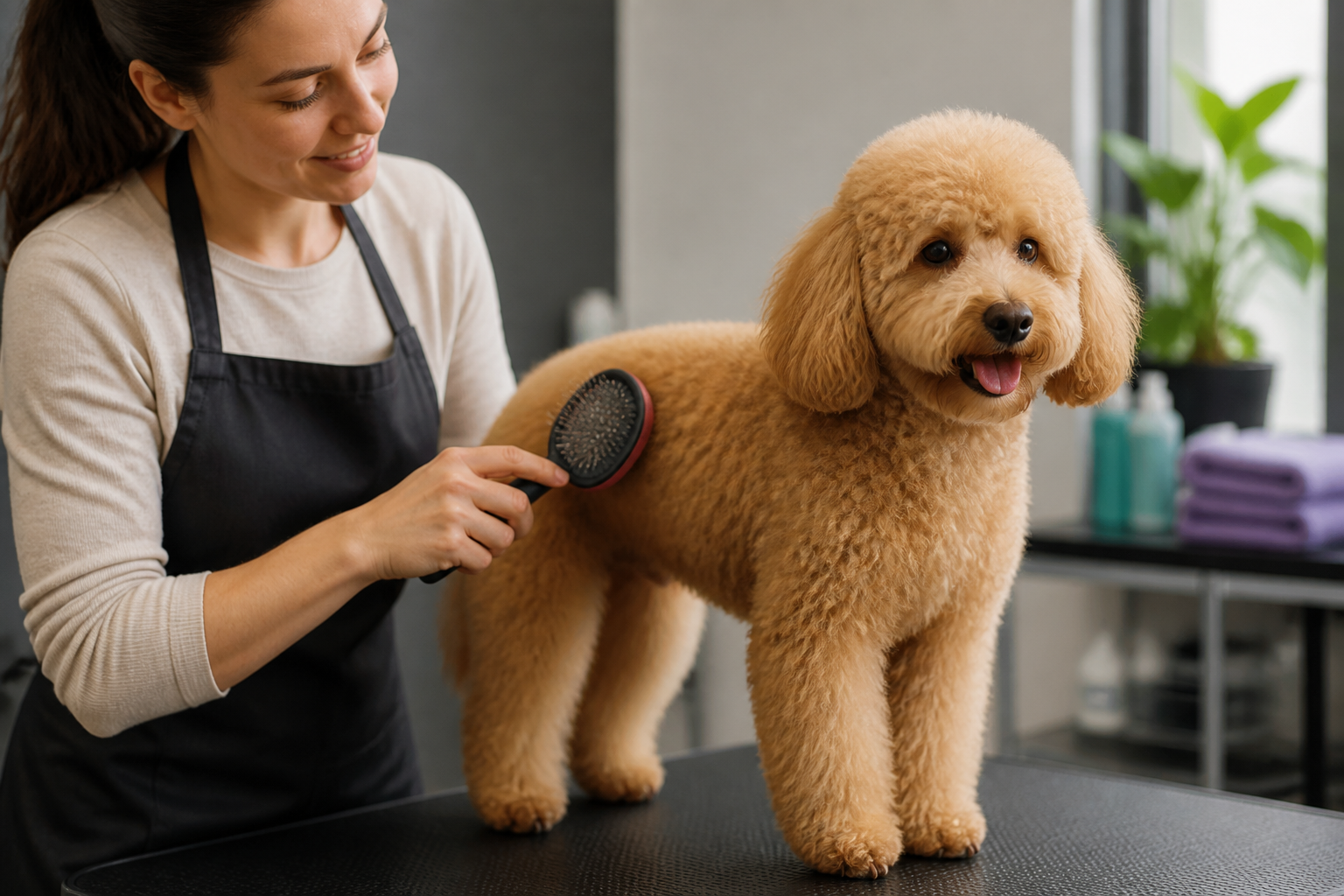
You are sitting on the floor with your Golden Retriever after a long walk, and you notice their feathers are starting to look a bit wild. You reach into your grooming kit and see a tool that looks remarkably like your own hairbrush, featuring long metal pins set into a flexible rubber pad. This is the pin brush, and while it might look simple, it is one of the most versatile tools in any pet owner's arsenal. At BaxterBoo, we know that choosing the right brush can be the difference between a stressful afternoon and a bonding session your dog actually enjoys. This post will cover everything you need to know about the pin brush, from its specific uses for different coat types to the best techniques for a professional finish. Understanding how this tool works helps you maintain a healthy, shiny coat without causing your pet discomfort.
Quick Answer: A pin brush is primarily used for daily maintenance, gentle detangling, and finishing the coats of long-haired or silky-coated dogs. It helps remove loose fur and dirt while distributing natural skin oils to create a smooth, shiny appearance.
Understanding the Design of a Pin Brush
A pin brush is easily identifiable by its straight metal pins. These pins are usually made of stainless steel or brass and are anchored into a flexible rubber or silicone cushion. This cushion is the secret to the brush's effectiveness. It allows the pins to retract slightly or bend when they encounter resistance, which prevents the brush from pulling too hard on the skin or hair.
The tips of these pins are a critical safety feature. High quality brushes feature pins that are rounded and grounded. This means the ends are polished to be smooth so they do not scratch the skin. Some versions also feature small plastic or epoxy balls on the tips for added protection. These are particularly useful for dogs with sensitive skin or very thin coats where the brush is likely to make frequent contact with the skin surface.
The handle is another important part of the design. Many professional grade brushes use lightweight woods like beechwood or thermo-treated ash. These materials are chosen to reduce hand fatigue during long grooming sessions. The shape of the head is usually oval or oblong, with each shape serving a specific purpose in the grooming process.
The Primary Uses for a Pin Brush
The pin brush is a multi-purpose tool that serves several roles in a regular grooming routine. While it is not designed to hack through heavy mats, it is the perfect choice for everyday care and the final touches of a professional groom.
Gentle Detangling and Maintenance
The main job of a pin brush is to manage light tangles and knots before they become serious mats. Because the pins are spaced further apart than the wires on a slicker brush, they glide through the hair more easily. This makes it an excellent choice for a quick daily brush through to keep the coat organized. It is particularly effective at catching loose hair that is sitting on the surface of the coat before it can fall onto your furniture.
Distributing Natural Oils
Healthy skin produces natural oils that protect the hair and give it a natural luster. A pin brush helps move these oils from the base of the hair shaft down to the ends. This process not only makes the coat look shiny and healthy but also helps to hydrate the hair, making it less prone to breaking. Regular brushing with a pin brush is often why show dogs have that signature glowing appearance.
Stimulating the Skin
The massage effect of a pin brush should not be overlooked. The rounded pins gently stimulate the skin as you brush. This increases blood flow to the surface, which can promote healthier hair growth. Many dogs find this sensation very relaxing, making the pin brush a great tool for calming an anxious pet during grooming.
Finishing and Styling
After you have used a slicker brush or an undercoat rake to remove heavy shedding, the pin brush is used as a finisher. It smooths the top layer of the hair and puts everything back in its proper place. It is the tool used to create that "fluffed" look on breeds like Poodles or the sleek, flowing look on Silky Terriers.
Key Takeaway: Use a pin brush as your primary tool for daily maintenance and as a final styling step to distribute oils and create a professional, shiny finish.
Which Breeds Need a Pin Brush?
Not every dog needs a pin brush. If you have a short-haired breed like a Beagle or a Boxer, a rubber curry brush or a bristle brush is usually a better fit. However, for dogs with specific coat types, the pin brush is indispensable.
Long and Silky Coats
Breeds with long, flowing hair that does not have a thick undercoat are the primary candidates for this tool. This includes Yorkies, Maltese, and Shih Tzus. For these dogs, a pin brush is gentle enough to use every day without damaging the delicate hair fibers. It prevents the long strands from wrapping around each other and forming knots.
Double-Coated Breeds with Long Fur
For breeds like Golden Retrievers, Collies, and Newfoundlands, a pin brush is used for the topcoat and the longer "feathers" on the legs and tail. While you will still need a rake for the dense undercoat, the pin brush is the best way to keep the long outer guard hairs looking neat and tangle-free.
Wire-Haired Breeds
Breeds like Airedale Terriers or Schnauzers often require a pin brush for finishing their furnishings, which are the longer bits of hair on their legs and faces. It provides a neat look without the harshness of a slicker brush, which can sometimes be too much for the thinner hair in those areas.
Puppies and Sensitive Dogs
A pin brush is often the best "starter" brush for a puppy. Because it feels like a massage and does not pull as aggressively as other tools, it helps the puppy build a positive association with being groomed. We often recommend wood-pin brushes for this stage, as they are exceptionally gentle.
Choosing the Right Head Shape
When you look at professional brands like Chris Christensen, you will notice three main head shapes: oval, oblong, and pocket. Each is designed for a specific task in the grooming process.
- Oval Pin Brushes: These provide the maximum coverage area. They are the best choice for general maintenance on larger dogs. If you want to brush your dog quickly and efficiently, the oval head is the standard go-to.
- Oblong Pin Brushes: These have a narrower, longer head. They are specifically designed for styling and straightening the coat. The shape allows you to be more precise, making them perfect for "line brushing" or working on specific sections of the coat like the ears or tail.
- Pocket or Toy Brushes: These are smaller versions of the oval brush. They are designed for toy breeds or for carrying in a travel kit for touch-ups at a dog show. They are also much easier to use on very small puppies.
Understanding Pin Lengths and Pad Firmness
The length of the pins and the firmness of the rubber pad determine how the brush performs on different hair depths. Choosing the wrong one can lead to a brush that either does not reach the skin or feels too stiff for the dog.
Choosing Pin Length
The general rule is that the pins should be long enough to reach through the coat to the skin, but not so long that they are difficult to control.
- 20mm Pins: Ideal for short to medium-length coats.
- 27mm Pins: The most popular length. It works for the majority of long-haired breeds and is a great all-purpose choice.
- 35mm Pins: Necessary for very thick or extremely long coats, such as those on a full-coated Afghan Hound or an Old English Sheepdog.
Pad Firmness
The "flex" of the pad determines how much the pins "give" when they hit a knot. A firm pad offers more control for thick, dense hair that needs a bit more pressure to move. A soft pad is much better for delicate, thin hair or for dogs with very sensitive skin. Some advanced lines, like the Chris Christensen Breezy Series, offer different color-coded pads so you can choose the exact flexibility required for your dog's specific coat type.
Deep Dive into the Chris Christensen Series
As a specialty retailer, we carry several lines from Chris Christensen because they are the gold standard for pin brushes. Each series has a different focus.
The Original Series
This is the quintessential maintenance brush. It features a lightweight beechwood handle and a firm pad with stainless steel pins. It is a workhorse brush that is ideal for breeds with medium to long, dense coats like the Bernese Mountain Dog or Great Pyrenees.
The Gold Series
These brushes are designed for aesthetics and performance. They feature gold-plated stainless steel pins and a soft pad. As you use the brush, the pad becomes even softer, much like a pair of high-quality leather shoes. This is the ultimate finishing brush for delicate coats like the Maltese or Papillon.
The Fusion Series
The Fusion line features brass pins instead of stainless steel. Brass is naturally anti-static, which is a major benefit when you are trying to achieve a perfect finish on a dry day. These brushes also have a more rounded, ergonomic handle and 30% more pins than the Original series, providing a very dense brushing surface.
The Wood Pin Series
Instead of metal, these pins are made from bamboo or other hardwoods. These are fantastic for puppies or dogs that have had a bad experience with grooming. The wood pins do not get hot when used with a blow dryer, and they provide a massage-like feel that does not pull the hair.
The T-Brush Series
The T-Brush is a unique hybrid. It looks like a pin brush but is designed to function more like an undercoat rake. It has an extra-firm pad and a handle that allows you to brush from any direction. It is specifically meant for double-coated breeds like Siberian Huskies or Australian Shepherds to remove loose undercoat without the cutting action of a traditional rake.
How to Use a Pin Brush Like a Professional
To get the most out of your pin brush, you need to use the correct technique. Simply dragging it over the top of the fur is not enough to maintain a healthy coat. For additional guidance on brushing curly coats, see this guide to grooming a dog with curly hair.
Step 1: Start with a clean, dry coat. / While some pin brushes like the wood pin version can be used on wet hair, most are best used on dry fur. Ensure there are no large, hard mats that need a de-matting tool first.
Step 2: Brush with the grain. / Always move the brush in the direction that the hair grows. Start at the head and work your way back toward the tail, then down the legs.
Step 3: Use short, controlled strokes. / Long, sweeping strokes are more likely to pull on a hidden knot. Short strokes allow the flexible pad to do its job and give you more control.
Step 4: Check your progress. / Periodically run a metal comb through the section you just brushed. If the comb glides through, you have successfully detangled the area.
The Line Brushing Technique
For dogs with very thick hair, like Doodles or Poodles, you should use the "line brushing" method. Lift the hair up with one hand and brush the hair underneath, working in a "line" across the dog's body. This ensures that you are reaching the hair closest to the skin, which is where most mats start to form. You can find additional options in our dog grooming tools.
Vet Tip: While grooming, always keep an eye out for skin redness, bumps, or parasites like fleas. If you notice persistent skin irritation or your dog is scratching excessively despite a clean coat, consult your veterinarian to rule out allergies or infections. Our pharmacy carries a variety of treatments for skin conditions and flea prevention.
Pin Brush vs. Slicker Brush: A Comparison
Many owners are confused about when to use a pin brush versus a slicker brush. While they can look similar, they serve very different purposes. A self-cleaning slicker brush can be useful when your routine also includes removing mats, tangles, and loose hair.
| Feature | Pin Brush | Slicker Brush |
|---|---|---|
| Bristle Type | Straight, rounded metal pins | Fine, bent wire bristles |
| Primary Goal | Maintenance, finishing, shine | De-matting, removing dead undercoat |
| Coat Type | Long, silky, or single coats | Curly, thick, or double coats |
| Skin Feel | Gentle, massage-like | Can be scratchy if used with pressure |
| Spacing | Pins are spaced further apart | Bristles are very densely packed |
Cleaning and Maintenance of Your Grooming Tools
If you want your brushes to last for years, you must take care of them. A dirty brush can harbor bacteria or redistribute old oils and dirt back onto your freshly bathed dog. Browse our dog brushes and combs when you need to replace a worn tool or expand your grooming kit.
- Remove Hair Regularly: Use a comb or a dedicated brush cleaning tool to lift the hair out of the pins after every session.
- Wash with Care: Every month, or if the brush becomes visibly dirty, wash it in warm water with a gentle antibacterial soap.
- Dry Properly: Do not leave the brush to soak for hours, as this can damage the wooden handle or the rubber pad. Pat it dry with a towel and let it air dry with the pins facing down. This allows any water trapped in the pad to drain out.
- Inspect for Damage: Check the pins regularly. If the rounded tips have worn off or if pins are bent or missing, it is time to replace the brush. Damaged pins can scratch your dog's skin and cause a negative association with grooming.
Bottom line: Regular cleaning and inspection of your pin brush ensure it remains a safe and effective tool for your dog's skin and coat health.
Summary and Next Steps
The pin brush is the ultimate tool for the everyday maintenance of long-haired and silky-coated dogs. By choosing the right pin length, head shape, and pad firmness, you can keep your pet's coat looking professional while providing a relaxing experience. Remember that the pin brush works best when used consistently as part of a routine that includes checking for skin issues and keeping tools clean.
If you are ready to upgrade your grooming kit, we invite you to explore our dog brushes and combs and other professional grooming supplies. From everyday brushes to tools for detangling and finishing, we have options for different coat types. You can also save on your regular grooming supplies by joining the MVP Rewards programme, where you earn points on every purchase toward future rewards.
FAQ
Can I use a pin brush on a short-haired dog?
While you can use a pin brush on a short-haired dog, it is generally not the most effective tool. The pins are designed to penetrate through length, so on a short coat, they may just bounce off the surface or poke the skin too directly. A bristle brush or a rubber curry tool is usually better for short hair to remove dander and loose fur.
Are the balls on the ends of the pins necessary?
The balls on the ends, often called "ball-tipped" pins, provide an extra layer of protection for the skin. They are excellent for beginners or for dogs with very sensitive skin. However, many professional groomers prefer "rounded and grounded" pins without the plastic balls, as they glide through long hair more smoothly without snagging.
How often should I use a pin brush on my dog?
For long-haired or silky breeds, we recommend using a pin brush at least three to four times a week. Daily brushing is even better, as it only takes a few minutes and prevents small tangles from turning into painful mats that require professional intervention or shaving.
Will a pin brush help with my dog's shedding?
A pin brush will help remove loose hair that has already detached from the follicle and is sitting in the coat. However, it is not an "undercoat eliminator" like a rake or a de-shedding tool. It is best used for managing the topcoat and catching surface shedding before it ends up on your clothes.






