
 Save 15% on your 1st Autoship learn more

 Email us
 Live Chat
 FAQs
FAQs





Introduction
You might think that owning a short-haired dog means you are safe from the constant battle against fur. Then you look at your navy blue trousers or your tan sofa. You see thousands of tiny, needle-like hairs woven into the fabric. Short-haired dogs like Labradors, Boxers, and Beagles may not have long flowing locks, but they certainly know how to shed. Finding the right tool is the difference between a house covered in "dog glitter" and a clean home. At BaxterBoo, we have helped thousands of owners manage these sleek coats. This guide covers the specific tools you need to keep that short fur shiny and off your furniture. We will look at why coat texture matters and which brushes actually deliver results.
Why Short-Haired Dogs Need Regular Brushing
It is a common myth that short-haired dogs are low maintenance. While they do not deal with painful mats or tangles, they have their own unique set of needs. Their hair follicles have a faster life cycle. This means the hair grows, dies, and falls out much quicker than the hair on a Poodle or a Maltese. Without regular intervention, that dead hair sits against the skin and causes itching.
Brushing does more than just stop shedding. It acts as a full-body massage for your dog. This movement stimulates the sebaceous glands. These glands produce natural oils that protect the skin and give the coat its healthy glow. Brushing also allows you to perform a weekly health check. As you move the brush over their body, you can feel for new lumps, bumps, or hidden ticks.
Quick Answer: The best brush for most short-haired dogs is a rubber curry brush. It gently lifts loose hair while massaging the skin to distribute natural oils. For heavy shedders with a dense undercoat, a de-shedding tool or a firm bristle brush is also necessary.
Understanding Different Short Coat Types
Not all short hair is created equal. Before you pick a tool, you need to know exactly what kind of fur you are dealing with. Treating a Greyhound the same as a Labrador will lead to frustration and potentially irritated skin.
Smooth Single Coats
Breeds like Boxers, Weimaraners, and Great Danes have a smooth single coat. They have very little undercoat. Their skin is often quite close to the surface. Using a harsh metal tool on these dogs can be painful. They need soft, flexible tools that focus on shine and light hair removal.
Dense Double Coats
Labradors and Beagles are the kings of the short-haired world. They have a rougher topcoat and a soft, thick undercoat. This undercoat is what you find all over your floors. These dogs require tools that can reach beneath the surface to grab that fuzzy secondary layer.
Wiry Short Coats
Some breeds, like certain Terriers or Pointers, have a short but wire-like texture. Their hair is stiff and can be prone to trapping dirt. A combination of a stiff bristle brush and a metal comb often works best for these unique textures.
Key Takeaway: Identify if your dog has a single or double coat before buying a brush. Single-coated dogs need gentle rubber or soft bristles, while double-coated dogs need tools that reach the undercoat.
The Rubber Curry Brush: The Essential Tool
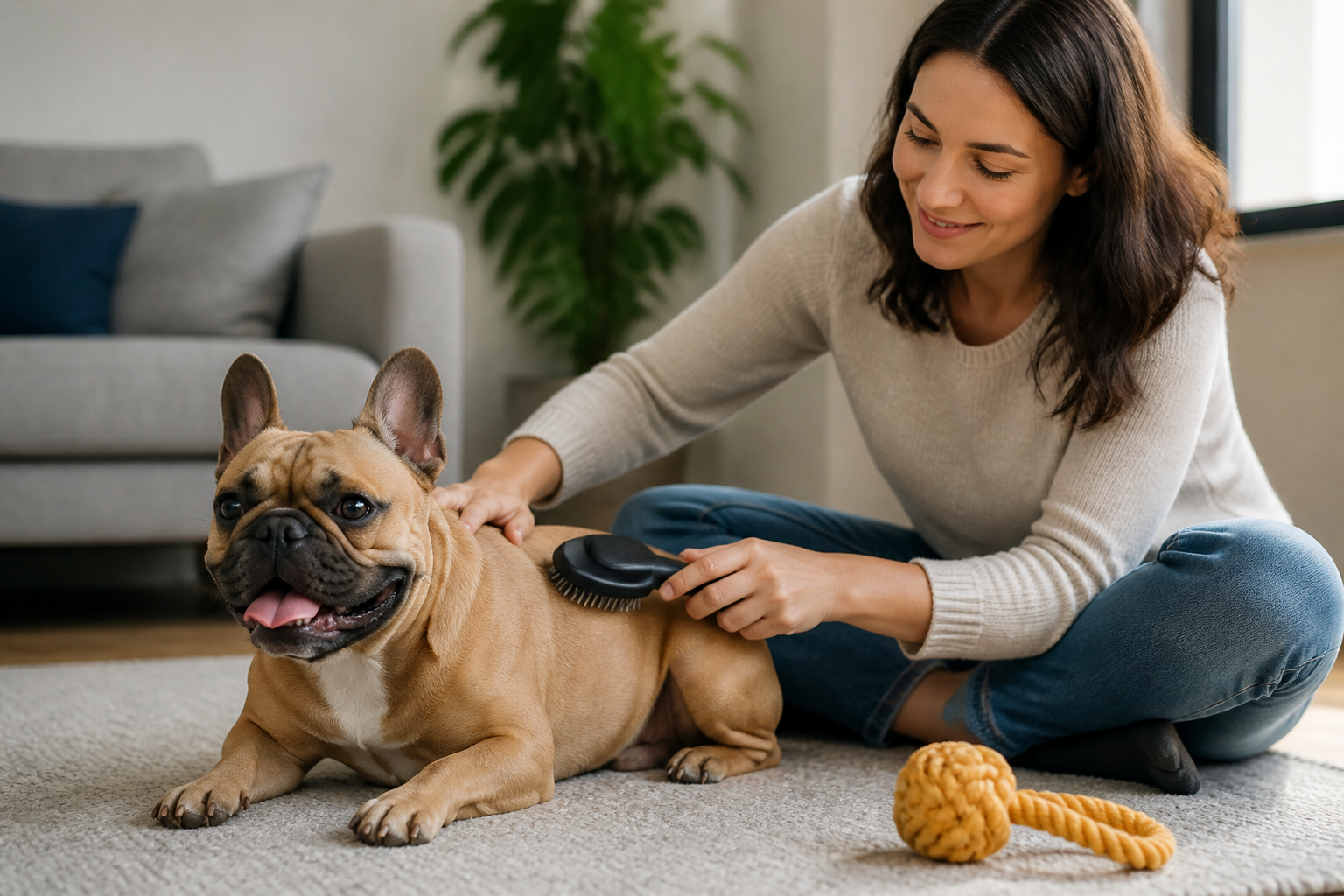
If you only own one tool for a short-haired dog, make it a rubber curry brush. These are often circular or oval-shaped and fit in the palm of your hand. Brands like Kong make popular versions of these. They feature soft rubber nubs that act like a magnet for loose fur. You can compare options in our dog brushes and combs collection.
The rubber creates a slight static charge as you move it across the fur. This charge pulls the hair out of the coat and holds it against the brush. Because the "teeth" are made of soft rubber, you can apply more pressure without hurting the dog. Most dogs actually love the feeling of a rubber brush. It feels like a long petting session.
How to Use a Rubber Brush Effectively
- Use circular motions against the direction of hair growth to loosen the fur.
- Use long, sweeping strokes in the direction of growth to pull the hair away.
- Use the brush during bath time to work shampoo deep into the coat.
- Wipe the dog down with a damp cloth afterward to catch any lingering strays.
Bristle Brushes for Shine and Finish
A bristle brush is a classic grooming tool. For short-haired dogs, it serves as the "polisher." These brushes come with either natural bristles, like boar hair, or synthetic nylon bristles. Our selection of BASS Brushes products includes wire and boar grooming options.
The closely packed bristles are excellent at picking up fine dander and dust. They are the best tool for distributing those natural oils we mentioned earlier. If your dog's coat looks dull or dusty, a five-minute session with a bristle brush will usually bring back the luster.
Choosing the Right Bristle Strength
- Soft Bristles: Best for puppies, senior dogs, or breeds with very thin hair like Italian Greyhounds.
- Medium Bristles: The standard choice for most Boxers and Pit Bulls.
- Stiff Bristles: Necessary for thicker coats or dogs that get very dirty outdoors.
Dealing with Heavy Shedders
When the seasons change, some short-haired dogs lose an incredible amount of fur. This is where de-shedding tools come into play. The Warren London Short Hair De-Shedding Pet Brush is designed for dogs with short hair and features a stainless-steel de-shedding edge.
You must use these tools with care. Because they have a metal edge, you can accidentally cause "brush burn" if you stay in one spot for too long. Use light pressure and short strokes. Avoid using these tools on the face, paws, or bony areas like the spine and hips.
Vet Tip: If your dog is shedding excessively and has bald patches, red skin, or a foul odor, consult your veterinarian. These can be signs of allergies or skin infections. Our pharmacy carries a range of prescription diets and medications through our partnership with Pet's Choice to help manage chronic skin conditions.
Specialized Tools for Tricky Textures
Sometimes a standard brush is not enough. Depending on your dog's lifestyle, you might need a few extra items in your grooming kit.
Grooming Mitts
Grooming mitts are essentially rubber curry brushes you wear like a glove. They are perfect for dogs that are nervous about grooming tools. Since it looks and feels like you are just petting them, they stay much calmer. These are also great for reaching awkward areas like the belly and the back of the legs.
Slicker Brushes for Dense Fur
While usually associated with long-haired dogs, a slicker brush can be useful for short, dense coats. If your dog has a very thick undercoat, a slicker brush with fine, short pins can help lift that hair better than a rubber brush. Just ensure the pins are not too sharp for their skin. Our grooming tools include slicker brushes and other coat-care options.
Microfiber Towels
A microfiber towel is a secret weapon for short-haired owners. After you finish brushing, a quick wipe down with a damp microfiber cloth will grab all the tiny "needles" that the brush missed. It also removes any surface dander that can cause human allergies.
Setting Up a Grooming Routine
Consistency is more important than the length of the grooming session. For a short-haired dog, three sessions a week for five to ten minutes is usually enough.
A Step-by-Step Grooming Session
Step 1: Start with the rubber brush. / Use circular motions to loosen the dead hair and dirt across the entire body. Step 2: Follow with the bristle brush. / Brush in long strokes from head to tail to smooth the coat and add shine. Step 3: Check sensitive areas. / Inspect the ears, paws, and underarms for any redness or parasites. Step 4: Reward your dog. / Give a small treat to ensure they associate grooming with a positive experience.
Essential Grooming Kit Checklist
If you are building your kit from scratch, here is what we recommend keeping on hand:
- A high-quality rubber curry brush (like the ZoomGroom).
- A medium-firm bristle brush.
- A microfiber grooming towel.
- A de-shedding tool for seasonal changes.
- Nail clippers and styptic powder.
- Ear cleaning solution.
Bottom line: A rubber curry brush and a bristle brush are the two most important tools for maintaining a healthy short coat.
Nutrition and Skin Health
A brush can only do so much. A shiny coat starts from the inside. If your dog's skin is dry and flaky, no amount of brushing will fix the underlying issue. Look for foods rich in Omega-3 and Omega-6 fatty acids. Brands like Farmina and Zesty Paws offer supplements and foods specifically designed for skin support. You can browse our dog skin and coat care selection for related products.
If your dog suffers from food allergies, they may have chronic skin inflammation. This often leads to more shedding and a greasy feel to the fur. In these cases, your vet might prescribe a specific diet. We fulfill these prescription orders through the BaxterBoo pharmacy, ensuring your pet gets exactly what they need for their specific health requirements.
Bathing Your Short-Haired Dog
You should not bathe a short-haired dog too often. Over-bathing can strip away those vital natural oils and lead to dry, itchy skin. Once every four to six weeks is usually plenty unless they have rolled in something unpleasant.
Always brush your dog before the bath. This removes the "bulk" of the loose hair so it does not clog your drain. During the bath, use your rubber brush to massage the shampoo into the skin. This helps the ingredients reach the skin surface and provides a deeper clean. The U-Groom 2 in 1 Shampoo Dispensing Massage and Bath Brush combines flexible rubber bristles with a shampoo dispenser.
Choosing the Right Shampoo
- Oatmeal Shampoo: Perfect for soothing dry or itchy skin.
- De-shedding Shampoo: Helps release the undercoat during heavy shedding seasons.
- Hypoallergenic Shampoo: Best for dogs with known sensitivities.
Common Grooming Mistakes to Avoid
Many owners accidentally cause skin issues by being too enthusiastic with their grooming tools. Avoid these common pitfalls to keep your dog comfortable.
Using Too Much Pressure
Because short-haired dogs do not have a thick buffer of fur, their skin is very sensitive to pressure. If you see the skin turning red, you are pressing too hard. This is especially important with metal de-shedding tools and slicker brushes.
Neglecting the "Hidden" Areas
It is easy to focus on the back and sides, but don't forget the chest, belly, and tail. These areas still shed and need the same attention. Be extra gentle on the belly, as the skin there is very thin and has little hair protection.
Skipping the Post-Brush Wipe
If you don't wipe the dog down after brushing, they will just shake and redistribute all those loose hairs back onto your rug. A damp cloth or a grooming wipe is a vital final step.
Keeping the House Clean
Even with perfect grooming, some hair will end up on your floors. To manage this, consider a few lifestyle adjustments:
- Use washable furniture covers or blankets on their favorite spots.
- Vacuum high-traffic areas at least twice a week.
- Keep a lint roller near the front door for a quick clothes check before you leave.
- Add a fatty acid supplement to their diet to strengthen the hair follicles.
At BaxterBoo, we carry a wide range of cleaning supplies and lint rollers specifically designed for pet owners. Managing a shedding dog is a multi-front battle, but with the right tools, it is one you can win.
Conclusion
Finding the best brush for your short-haired dog does not have to be complicated. Start with a rubber curry brush for daily maintenance and hair removal. Add a bristle brush to keep the coat shiny and healthy. For those heavy shedding breeds like Labs or Beagles, keep a de-shedding tool on hand for seasonal changes. Remember that grooming is also a chance to bond with your pet and monitor their health. If you notice persistent skin issues or excessive shedding, reach out to your veterinarian for guidance.
Key Takeaway: Proper grooming for a short-haired dog combines the right mechanical tools with good nutrition and skin care.
Ready to upgrade your dog's grooming routine? Explore our full collection of brushes and grooming supplies in the Medical & Mobility section or visit our Pharmacy for prescription skin support.
FAQ
How often should I brush my short-haired dog?
Most short-haired dogs benefit from being brushed two to three times per week. During heavy shedding seasons in the spring and fall, you may need to increase this to once a day to keep hair off your furniture. Frequent brushing also helps keep their skin healthy by distributing natural oils across the coat. For additional seasonal shedding guidance, read our guide to managing shedding.
Can I use a human hairbrush on my dog?
It is not recommended to use human brushes on dogs. Human brushes are designed for a different hair density and scalp sensitivity. The bristles or pins on a human brush may be too sharp for a dog's skin or too weak to actually remove the dead undercoat from a dense-coated breed.
My short-haired dog is shedding in clumps, is this normal?
Short-haired dogs usually shed individual hairs rather than clumps. If you see actual patches of hair falling out or bald spots, this could indicate a health issue like mange, a fungal infection, or a severe allergy. You should schedule a visit with your veterinarian to rule out these conditions and discuss potential treatments.
Does a rubber brush really work better than a metal one?
For many short-haired dogs, yes. Rubber brushes use static electricity to attract and hold onto short, stiff hairs that might slip through the teeth of a metal comb. They are also much safer for dogs with thin coats, as there is no risk of scratching or irritating the skin with sharp metal points.






