
 Save 15% on your 1st Autoship learn more

 Email us
 Live Chat
 FAQs
FAQs





Introduction
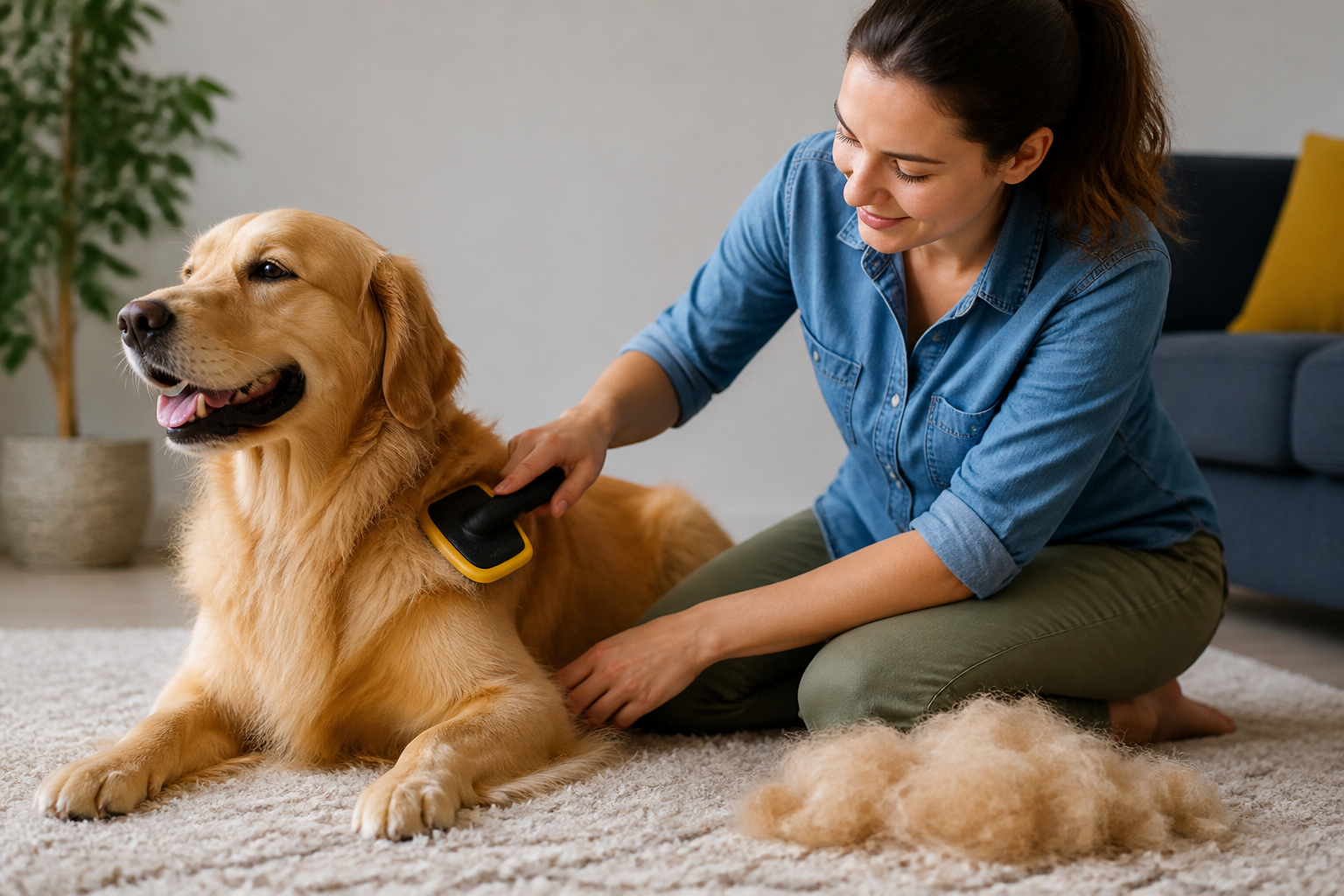
Walking across your living room and seeing tumbleweeds of fur drifting along the baseboards is a familiar sight for many dog owners. It often feels like you just finished vacuuming only to find a fresh layer of hair on your favorite rug ten minutes later. We understand that frustration because we see it every day at BaxterBoo. Managing the mess starts with finding the right tools for your specific dog.
This guide covers how to identify your dog's coat type and select the brush that actually removes loose fur before it ends up on your furniture. We will explain the differences between slicker brushes, undercoat rakes, and rubber grooming tools. Finding the best brush for dog shedding is about matching the tool to the hair. By the end of this article, you will know exactly what belongs in your grooming kit to keep your home cleaner and your pet more comfortable.
Quick Answer: The best brush for dog shedding depends on the coat. A de-shedding tool like the Furminator or an undercoat rake is best for double-coated breeds. For short-haired dogs, a rubber curry brush or a grooming mitt is the most effective choice.
Understanding Your Dog's Coat Type
Before you pick up a brush, you need to know what you are trying to remove. Not all shedding is the same. Some dogs have a single layer of hair while others have a dense, soft undercoat protected by a coarser outer layer. This distinction changes everything about how you should groom them.
Double-Coated Dogs
Breeds like Labrador Retrievers, Golden Retrievers, German Shepherds, and Huskies have a double coat. The undercoat is the primary source of shedding. It consists of short, fine hairs that provide insulation. When these hairs die, they often get trapped under the topcoat. If you do not pull them out, they form clumps or mats. The best brush for these dogs must be able to reach through the topcoat to grab the loose fluff underneath.
Smooth and Short-Coated Dogs
Boxers, Beagles, and Pugs have short, smooth coats with no undercoat. Their shedding is different. Their hairs are short and stiff. They tend to weave themselves into fabric like needles. Because there is no undercoat to reach, you need a tool that creates friction on the surface to pull away loose hairs.
Wire and Curly Coats
Wire-haired terriers and curly breeds like Poodles or Doodles have hair that grows constantly. While they shed less than other breeds, their dead hair still needs to be removed. If it stays in the coat, it wraps around live hairs and creates painful mats. These dogs require frequent brushing with a slicker brush and a metal comb to keep the coat clear and healthy. For additional guidance, see our article on how to groom a dog with curly hair.
Top Brush Categories for Shedding
We carry a wide variety of tools at BaxterBoo because no single brush works for every dog. Here is a breakdown of the most common categories and what they do. You can explore our dog brushes and combs to compare options for different coat types.
The Slicker Brush
Slicker brushes have fine, short wires spaced closely together on a flat or slightly curved head. They are incredibly versatile. They work well for removing small tangles and pulling loose hair out of the coat. Brands like RC Pets offer slicker brushes that are gentle enough for regular use but strong enough to catch shedding hair. A product such as the Master Grooming Tools Ergonomic Slicker Dog and Cat Brush can be useful for regular brushing.
The Undercoat Rake
An undercoat rake has long, sturdy metal teeth. It looks a bit like a garden tool. It is designed specifically to dive deep into thick fur. If you have a dog with a heavy undercoat, this is often the most important tool you can own. It pulls out the dead "wool" without damaging the healthy topcoat.
The De-Shedding Tool
Tools like the Furminator are famous for the massive piles of fur they produce. These tools use a fine, comb-like edge to grab and pull out loose undercoat hair. They are very efficient, but they must be used with care. Because the teeth are sharp, you should never press down hard or use them on a dog with sensitive skin.
The Rubber Curry Brush
For short-haired dogs, the rubber curry brush is king. The Kong ZoomGroom is a classic example of this tool. The rubber nubs create a magnetic-like pull on short, loose hairs. It also massages the skin, which helps distribute natural oils and improves circulation. It is also one of the few brushes that works perfectly during bath time. You can also compare our grooming mitts and scrubbers for soft, rubberized grooming options.
Key Takeaway: Use an undercoat rake or de-shedding tool for thick, double coats. Switch to a rubber curry brush or grooming mitt for short, smooth coats to avoid irritating the skin.
The Best Brush for Short-Haired Dogs
Short-haired shedding can be deceptively difficult to manage. Because the hair is so short, traditional combs just slide right over it. You need a tool that uses grip rather than teeth.
A grooming mitt or a rubber brush is the most effective choice here. When you use a rubber brush in a circular motion, it loosens the hair and brings it to the surface. You can then use a damp cloth or a soft bristle brush to sweep it away. This method is much more comfortable for dogs with thin coats because there are no metal pins to scratch their skin.
If your short-haired dog is shedding excessively, it might be more than just a seasonal change. Sometimes skin irritation or poor nutrition plays a role. In these cases, we recommend chatting with your veterinarian. Our pharmacy offers prescription diets and skin supports through our partnership with Pet's Choice if your vet determines your dog needs a specialized medical food or supplement to support coat health.
Managing the Double Coat
If you own a Husky or a Shepherd, you know the "blow out" seasons. This happens twice a year when the undercoat sheds in massive amounts. During these times, a standard brush will not be enough. For more seasonal shedding guidance, read what to know about dogs and shedding.
You should start with an undercoat rake to thin out the heaviest sections. Work in small areas, moving from the neck down to the tail. Once you have cleared the bulk of the loose undercoat, follow up with a slicker brush. The slicker brush will catch the smaller, finer hairs that the rake might have missed.
Vet Tip: If your dog has very dense fur, never shave them to stop shedding. Their double coat actually protects them from heat and sunburn. Instead, focus on removing the dead undercoat so air can reach their skin naturally.
How to Brush Your Dog Effectively
Even the best brush will not help if your technique is wrong. Many owners make the mistake of only brushing the very top of the fur. This leaves the shedding hair trapped underneath.
Step 1: Check for Mats
Before you start de-shedding, check for tangles or mats. Use your fingers or a wide-toothed metal comb to find them. Do not pull on a mat with a de-shedding tool. This can cause pain or skin tears.
Step 2: Brush in the Direction of Growth
Always move the brush in the direction the hair grows. Using a tool against the grain can be uncomfortable and may damage the hair follicles.
Step 3: Use Long, Gentle Strokes
Avoid short, hacking motions. Use long, smooth strokes. This is especially important with metal-edged de-shedding tools. Let the weight of the tool do the work rather than pressing down into the skin.
Step 4: Focus on Problem Areas
Pay close attention to the areas where fur is thickest. This usually includes the "pants" on the back legs, the ruff around the neck, and the base of the tail. These are the spots where shedding hair loves to hide.
Step 5: Reward Your Dog
Grooming should be a positive experience. Keep small treats nearby. We find that dogs who receive a reward during their brushing sessions eventually learn to sit quietly and even enjoy the process.
Essential Grooming Kit Checklist
If you are building your kit from scratch, these are the items we recommend keeping on hand. You can find most of these brands and more in our dog grooming collection.
- A high-quality slicker brush: For daily maintenance and smoothing.
- A metal comb: To check for mats and finish the look.
- An undercoat tool: Either a rake or a de-shedding blade based on coat thickness.
- A rubber curry brush: Essential for bath time and short-haired breeds.
- Nail clippers: To keep paws healthy.
- Detangling spray: To make brushing easier and reduce breakage.
- Styptic powder: Just in case you trim a nail too short.
Bottom line: A complete grooming kit allows you to handle both seasonal shedding and daily maintenance without stress.
Nutrition and Its Impact on Shedding
While the right brush is vital, shedding starts from the inside. A dog with poor nutrition will have a dry, brittle coat that sheds more frequently. High-quality fats like Omega-3 and Omega-6 fatty acids are essential for skin health.
If you notice your dog's shedding is accompanied by dry skin, flakes, or a dull coat, it might be time to look at their food. We carry premium brands like Farmina, Zesty Paws, and Honest Paws that offer supplements and foods designed to support skin and coat health. You can browse our dog skin and coat care products for grooming and nutritional support options.
In some cases, chronic shedding and skin issues are caused by underlying allergies. If your vet prescribes a specific medicated shampoo or a prescription diet, our pharmacy can help. Through our partnership with Pet's Choice, we provide FDA-approved medications and prescription pet foods. This ensures your pet gets exactly what they need to stay healthy from the inside out.
When to Seek Professional Help
Sometimes the shedding or matting gets beyond what you can handle at home. If your dog has large mats that are tight against the skin, do not try to cut them out with scissors. This is a common way dogs get accidentally injured.
Professional groomers have the tools and experience to safely remove severe matting. They also have high-velocity dryers that can blow out loose undercoat much faster than any brush. If your dog is struggling with an impacted coat, a trip to the groomer is the safest and most humane option.
Seasonal Shedding vs. Health Issues
It is normal for dogs to lose more hair in the spring and fall. However, you should watch for signs that the hair loss is not just normal shedding. Consult your veterinarian if you notice any of the following:
- Bald patches or thinning hair in specific spots.
- Red, inflamed, or irritated skin under the fur.
- Sores or scabs on the skin.
- Your dog constantly scratching or licking a specific area.
- A foul odor coming from the skin or coat.
These can be signs of allergies, parasites, or hormonal imbalances. A quick check-up can help identify the cause. If medication is needed, we can fulfill those prescriptions through our pharmacy, helping you manage your pet's health conveniently.
Maintaining Your Brushes
To keep your tools effective, you must maintain them. Hair and skin oils build up on the teeth and pins over time. This can make the brush less effective and even harbor bacteria.
After every grooming session, remove the hair from the brush. Most slicker brushes have a button to retract the pins for easy cleaning. For metal rakes and combs, you can use an old toothbrush and some mild soap to scrub away residue. Make sure to dry metal tools completely to prevent rust. If you take care of your tools, they can last for many years.
Training Your Dog to Love Brushing
Not every dog enjoys being groomed. Some may be fearful of the tools or sensitive to being touched in certain areas. Start slow. Introduce the brush by letting them sniff it. Give them a treat every time the brush touches their fur.
Keep the first few sessions very short. You might only brush for one or two minutes. Gradually increase the time as your dog becomes more comfortable. If they seem stressed, stop and try again later. Forcing a dog through a grooming session can lead to a lifelong fear of brushes. For particularly anxious dogs, we carry calming supplements from brands like Zesty Paws and Honest Paws that can help take the edge off during grooming time.
Why Quality Tools Matter
It is tempting to buy the cheapest brush available, but quality makes a significant difference in performance and comfort. Cheaper brushes often have sharp, unfinished metal pins that can scratch your dog's skin. They may also break or bend easily, requiring frequent replacement.
At BaxterBoo, we handpick the brands we carry to ensure they are safe and effective. Whether you are visiting our warehouse in Vernon Hills or ordering online, you are getting products that pet experts actually use. Investing in a sturdy, well-designed brush will make the job easier for you and more pleasant for your dog. Our selection of BASS Brushes offers additional brush styles for different grooming routines.
Summary of Best Practices
Managing shedding is a marathon, not a sprint. Consistency is more important than intensity. Brushing for ten minutes three times a week is much more effective than one hour-long session once a month.
By using the right brush for your dog's coat and keeping a regular schedule, you can significantly reduce the amount of hair in your home. You will also spend quality time bonding with your pet while keeping their skin and coat in top condition.
- Match the brush to the coat type.
- Brush in the direction of hair growth.
- Always check for mats before using a de-shedding tool.
- Maintain a consistent schedule, especially during seasonal changes.
- Support coat health with high-quality nutrition and supplements.
Key Takeaway: Proper grooming tools and a regular routine are the best defense against excessive shedding. Don't forget that internal health and external care go hand in hand.
If you are ready to upgrade your grooming kit, check out our full collection of brushes, combs, and de-shedding tools. For those who want to save time and money, consider our Autoship program. You can have your favorite shampoos, grooming wipes, and even prescription diets delivered right to your door on a schedule that works for you. Plus, you will earn rewards on every purchase through our MVP Rewards program.
FAQ
Can I use a de-shedding tool on a wet dog?
No, you should only use a de-shedding tool on a completely dry coat. When hair is wet, it is more elastic and prone to breakage. Using a metal de-shedding tool on wet fur can cause the blade to pull or cut the hair rather than removing the loose undercoat. Always bathe and dry your dog thoroughly before starting a heavy de-shedding session.
How often should I brush my dog to stop shedding?
While you cannot stop shedding entirely, you can manage it with frequency. For most double-coated breeds, brushing two to three times a week is ideal. During the heavy shedding seasons in spring and fall, you may need to brush daily to keep up with the volume. Short-haired breeds usually stay tidy with one thorough brushing per week.
Will a specific brush stop my dog from shedding altogether?
No brush can stop a dog from shedding because it is a natural biological process. Dead hair must fall out so new hair can grow in. However, the right brush will catch that hair while it is still on the dog, preventing it from landing on your clothes and floors. A good grooming routine can reduce visible hair in your home by up to 90 percent.
Why does my dog's skin look red after I brush them?
Redness is usually a sign that you are applying too much pressure or using the wrong type of tool. This is common with de-shedding tools and slicker brushes with sharp pins. If the skin is irritated, stop brushing immediately and let the skin heal. In the future, use lighter strokes and ensure the tool is appropriate for your dog's coat and skin sensitivity.






