
 Save 15% on your 1st Autoship learn more

 Email us
 Live Chat
 FAQs
FAQs





Introduction
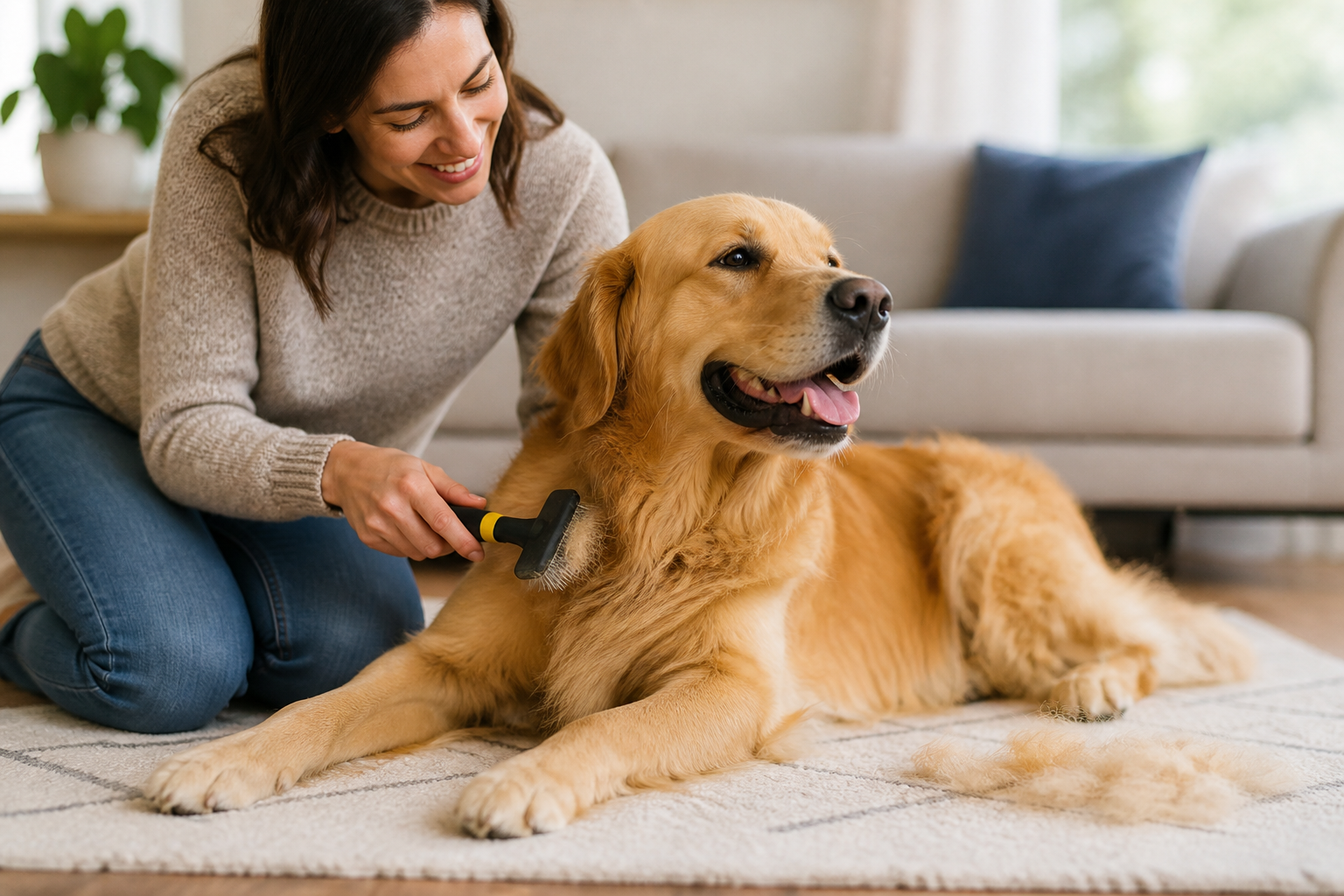
You find dog hair on your morning toast. It clings to your favorite black sweater. It gathers in fuzzy drifts along your baseboards like domestic tumbleweeds. At BaxterBoo, we know that managing a shedding dog feels like a full time job. The right tool depends entirely on your dog's specific coat type and the season. This guide helps you navigate the world of grooming tools to find the perfect match for your pup. We will look at undercoat rakes, slicker brushes, and de-shedding blades to keep your home cleaner. Every dog is different. Choosing the right brush will save your furniture and make your dog much more comfortable.
Quick Answer: The best deshedding brush depends on your dog's coat. Use a de-shedding tool like the Furminator for double coats. Choose a rubber curry brush for short, smooth hair.
Understanding Deshedding Versus Regular Brushing
Many pet owners think all brushes do the same thing. This is a common mistake that leads to more hair on your carpet. Regular brushing focused on the topcoat removes surface dirt and tangles. It makes the fur look shiny and neat. Deshedding is a different process. It targets the undercoat. This is the layer of soft, fine hair that provides insulation. When this hair dies, it gets trapped under the topcoat. If you do not remove it, it falls out on your floor or forms painful mats.
A standard pin brush or bristle brush usually cannot reach the undercoat. You need a tool designed to bypass the guard hairs. These tools grab the loose fluff underneath without cutting the healthy topcoat. This process is essential for dogs that "blow" their coats twice a year. Using the wrong tool can be frustrating. It may also irritate your dog's skin.
Identifying Your Dog's Coat Type
Before you buy a tool, you must know what you are brushing. Coats fall into a few main categories. Each one requires a specific approach to deshedding.
Short and Smooth Coats
Breeds like Beagles, Boxers, and Labradors have short hair. They do not have long feathers or curls. However, they can still shed a surprising amount. These dogs usually do best with rubber tools. A rubber curry brush or a grooming mitt works wonders. These tools use friction to pull loose hair away from the skin.
Double Coats
Huskies, Shepherds, and Golden Retrievers have two layers. The topcoat is tough and water resistant. The undercoat is thick and woolly. This is the most challenging coat to manage. You need an undercoat rake or a specialized de-shedding tool. These have long teeth that reach deep into the fur.
Silky and Long Coats
Yorkies and Setters have hair that is more like human hair. It grows long and can tangling easily. These dogs often do not have a heavy undercoat. A high quality slicker brush and a metal comb are the best options here.
Curly and Wire Coats
Poodles and Doodles have hair that traps shed fur within the curls. This leads to mats rather than hair on the floor. Wire haired breeds like Border Terriers need regular stripping. A slicker brush is the primary tool for these textures. For more guidance, read our tips on grooming dogs with curly hair.
Key Takeaway: Always match the tool to the coat texture. Using a heavy de-shedding blade on a single-coated dog can cause skin abrasions and hair breakage.
The Best De-Shedding Tools by Category
We carry a wide variety of brands at BaxterBoo. Here is a breakdown of the most effective tool types. You can explore our dog grooming collection for brushes, combs, shampoos, and other coat-care supplies.
Specialized De-Shedding Tools
The Furminator is the most famous example in this category. These tools use a fine, stainless steel edge with tiny teeth. The edge reaches through the topcoat to grab loose undercoat hair. Most modern versions include a button to eject the collected fur. This makes the process much faster.
Undercoat Rakes
An undercoat rake looks like a small garden tool. It has one or two rows of long metal pins. These pins are designed to pull out dead hair without pulling on the skin. This is the best choice for dogs with very thick, heavy coats like Samoyeds or Newfoundlands.
Slicker Brushes
A slicker brush has a flat or curved head with many fine wire pins. These pins are slightly angled. They are excellent for removing light tangles and loose hair. Brands like RC Pets offer slickers that are comfortable for both the dog and the owner. For a specific option, consider the Master Grooming Tools Ergonomic Slicker Dog and Cat Brush.
Rubber Curry Brushes
The Kong ZoomGroom is a classic example of this tool. It features large rubber nubs. It massages the skin while it works. This is the safest tool for puppies and dogs with sensitive skin. It is also great to use during bath time.
How to Use a De-Shedding Tool Safely
Using a professional grade tool requires care. If you are too rough, you can cause "brush burn." This is a painful skin irritation.
Step 1: Inspect the skin. / Check for any lumps, sores, or hotspots before you start. Never brush over irritated skin.
Step 2: Ensure the coat is dry. / Most de-shedding tools work best on a completely dry coat. Wet hair is more prone to breaking and stretching.
Step 3: Follow the hair growth. / Always brush in the direction the hair grows. Never go against the grain.
Step 4: Use a light touch. / Let the tool do the work. Do not press the metal teeth into the skin. Use long, gentle strokes.
Step 5: Focus on one area at a time. / Start at the head and work toward the tail. Spend extra time on the neck and thighs where shedding is heaviest.
Vet Tip: If your dog's shedding is accompanied by bald spots or extreme itchiness, consult your veterinarian. These can be signs of allergies or underlying health issues. Our dog pharmacy offers prescription diets and medications to help manage chronic skin conditions.
Managing Shedding Through Nutrition
The best brush in the world cannot fix a poor diet. Healthy hair starts from the inside. Dogs need specific nutrients to maintain a strong coat. Omega fatty acids are especially important. Brands like Open Farm and The Honest Kitchen focus on high quality proteins and healthy fats. You can browse our selection of Open Farm products when reviewing food options for your dog.
If your dog has a dull coat, they might need a supplement. We carry options like Zesty Paws and Honest Paws. These products support skin health and can reduce excessive shedding. When the skin is healthy, the hair follicles stay strong. This means less hair ends up on your sofa.
Bottom line: A combination of the right tool and premium nutrition is the most effective way to control shedding.
The Role of the BaxterBoo Pharmacy
Sometimes shedding is more than just a seasonal change. Chronic skin allergies or hormonal imbalances can cause a dog to lose hair in clumps. In these cases, a regular brush will not solve the problem. Your vet may prescribe a medicated shampoo or a specific prescription diet.
Our pharmacy provides a convenient way to get these items. We offer FDA approved medications and prescription pet foods. You can have these items delivered right to your door alongside your favorite treats and toys. This ensures your dog gets the professional care they need to feel their best.
Establishing a Grooming Routine
Consistency is the secret to a hair-free home. You cannot wait until the hair is everywhere to start brushing.
- Short Hair: Brush once a week with a rubber curry tool.
- Double Coats: Brush two to three times a week. During "blow out" season, you may need to brush daily.
- Long Hair: Brush every other day to prevent tangles from becoming mats.
- Senior Dogs: Be extra gentle. Their skin is thinner and they may have sensitive joints.
Setting a schedule makes the task feel less overwhelming. It also helps your dog get used to the sensation. Many dogs grow to love the attention and the massage. If your dog is anxious, try using a calming supplement before you begin. We carry several calming options in our dog healthcare category.
When to See a Professional Groomer
There are times when home grooming is not enough. If your dog has severe mats, do not try to cut them out with scissors. This is a common way dogs get accidentally cut. A professional groomer has the tools to safely shave or detangle impacted fur.
You should also see a pro if your dog is highly aggressive during grooming. It is better to have a trained expert handle the situation. They can often complete the task faster and with less stress for the dog. Once the professional has cleared the heavy lifting, you can maintain the coat at home. For more seasonal shedding guidance, read how Australian Shepherds shed.
Summary of Best Practices
Selecting the best de-shedding brush is the first step toward a cleaner home. Remember to identify the coat type first. Choose a tool that reaches the undercoat without harming the skin. Maintain a regular schedule to stay ahead of the mess. Support the coat with high quality food and supplements.
- Identify the coat type (Double, Smooth, Silky, or Wire).
- Select the correct tool (Rake, Blade, Slicker, or Rubber).
- Brush in the direction of hair growth with light pressure.
- Support skin health with premium nutrition and supplements.
At BaxterBoo, we have been helping pet owners since 2006. Our curated selection of over 500 brands ensures you find exactly what you need. From the Furminator to specialized supplements, we are here to support your pet's wellness. Consider signing up for our Autoship programme to save on grooming supplies and food. You will also earn rewards through the MVP Rewards programme with every purchase.
Bottom line: The best deshedding brush is the one that matches your dog's coat and that you use consistently.
FAQ
Can I use a de-shedding tool on a wet dog?
It is generally better to use these tools on a dry dog. Wet hair is weaker and more likely to snap or pull painfully. Brushing a dry coat allows the metal teeth to slide through the fur more effectively. If you must brush after a bath, wait until the fur is completely dry to the touch.
How often should I use a de-shedding tool like the Furminator?
For most dogs, once or twice a week is plenty. Over-brushing with a metal blade can irritate the skin or damage the topcoat. During peak shedding seasons in the spring and fall, you might increase this to three times a week. Always monitor your dog's skin for any signs of redness.
Will a de-shedding brush stop my dog from shedding completely?
No brush can stop a natural biological process. Dogs shed to regulate their temperature and replace old hair. However, a good tool can reduce the amount of loose hair in your home by up to 90 percent. It captures the hair in the brush so you can throw it away instead of vacuuming it.
My dog hates being brushed. What should I do?
Start with very short sessions and lots of high value treats. Use a gentle tool like a rubber curry brush first to get them used to the feeling. Gradually introduce the heavier de-shedding tools as they become more comfortable. If they remain very stressed, you can look for calming aids in our Training and Behavior section.






