
 Save 15% on your 1st Autoship learn more

 Email us
 Live Chat
 FAQs
FAQs





Introduction
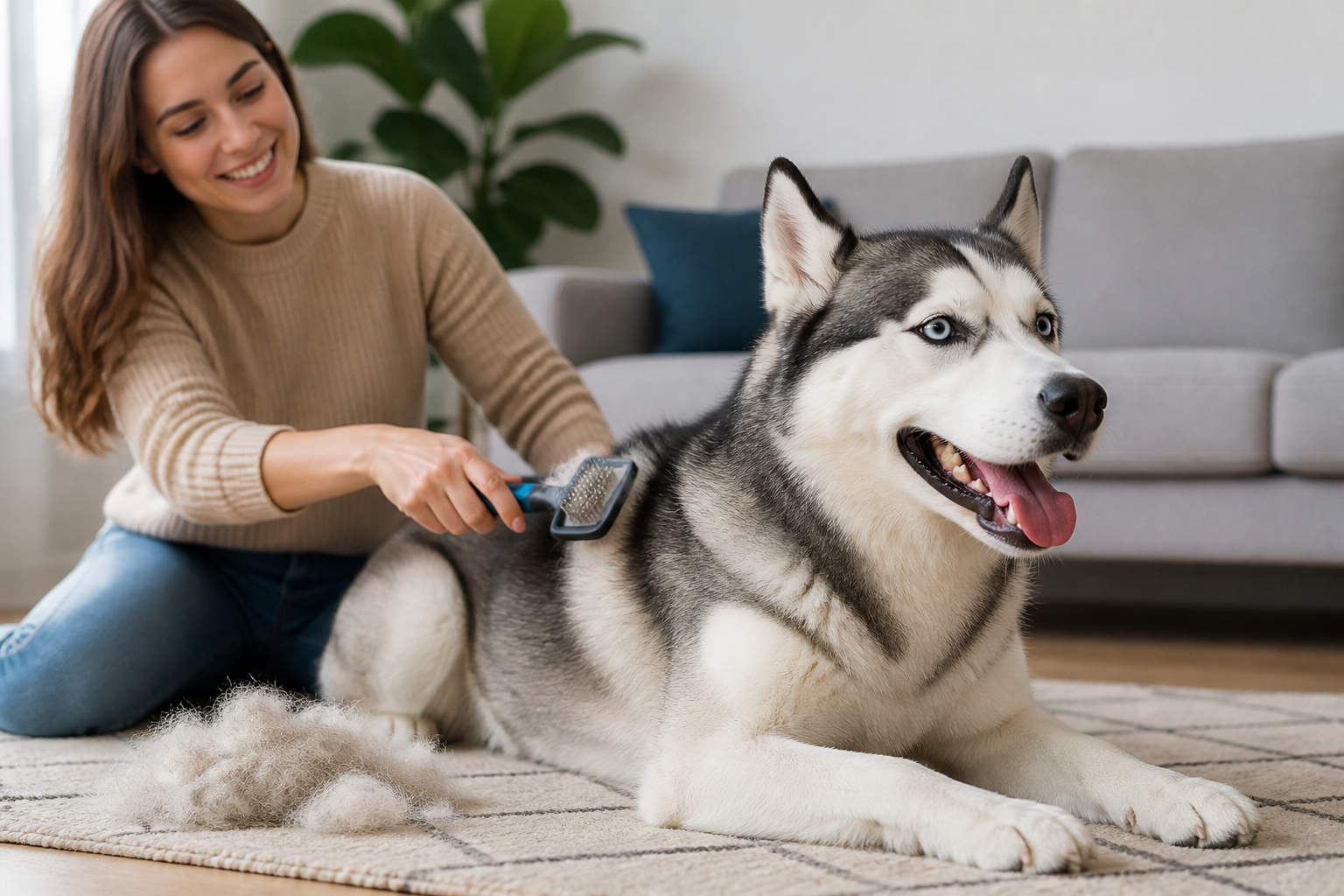
You are standing in your living room, and it looks like a snowstorm hit indoors, even though it is the middle of July. Every Husky owner knows this moment. When your Siberian Husky starts shedding, the sheer volume of fur can be overwhelming for any vacuum or standard pet brush. At BaxterBoo, we understand that managing a double-coated breed requires more than just luck. It requires the right tools designed for deep, thick fur. This article identifies the best brushes for your Husky and explains how to use them effectively. We will cover why the undercoat rake is the most important tool in your kit and how to handle the seasonal blowout. Using the right brush makes the difference between a house covered in white fluff and a comfortable, well-groomed dog.
Quick Answer: The best dog brush for a Husky is an undercoat rake with long, rounded metal pins. This tool reaches through the topcoat to remove loose fur from the undercoat without scratching the skin.
Understanding the Siberian Husky Double Coat
Before choosing a brush, you must understand what you are brushing. Huskies have a very specific coat structure designed for extreme weather. They have a dense, woolly undercoat that traps heat. Over that, they have a layer of longer guard hairs called the topcoat. This outer layer repels water and protects the skin from the sun.
This double coat is the reason a standard pin brush or a human hairbrush will not work. Those brushes only reach the top layer of hair. They leave the thick undercoat untouched. When that undercoat is not brushed out, it becomes trapped against the skin. This leads to matting, which can cause skin irritation and trap moisture.
A Husky does not just shed a little bit every day. Twice a year, they experience what owners call a blowout. This is a massive shedding event where the entire undercoat falls out to make room for a new one.
The Best Brush Overall: The Undercoat Rake
If you could only own one tool for a Husky, it must be the undercoat rake. Unlike a flat brush, a rake has a single or double row of long metal tines. These tines are spaced out to slide through the topcoat without pulling. They reach deep into the woolly undercoat to grab loose hair that is ready to fall out. You can explore our dog brushes and combs collection to compare tools for different coat types.
When shopping for a rake, look for one with rounded tips. The skin of a Husky is surprisingly sensitive under all that fur. Sharp metal points can cause "brush burn" if you apply too much pressure. At BaxterBoo, we recommend rakes with rotating pins. These pins spin as they move through the fur. This spinning action helps to detangle small knots without tugging on the dog's skin.
Key Takeaway: The undercoat rake is the gold standard for Husky grooming because it is the only tool that effectively reaches the dense undercoat where shedding begins.
Using a Slicker Brush for Finishing
While the rake does the heavy lifting, a slicker brush is the best tool for finishing the job. A slicker brush has a flat or slightly curved head with hundreds of tiny, thin wire pins. These pins are great for catching loose hair on the surface of the coat. The Master Grooming Tools Ergonomic Slicker Dog and Cat Brush is one option designed for brush-outs, mat removal, and undercoat work.
After you have used the rake to remove the bulk of the undercoat, run a slicker brush over your Husky. It will pick up the smaller bits of fluff the rake might have missed. It also helps to smooth the topcoat and give it a healthy shine.
Be careful when using a slicker brush on areas where the fur is thinner, like the legs or the belly. Because the pins are thin and stiff, they can be scratchy if they touch the skin directly. Use a light hand and keep the brush moving.
The Role of the De-Shedding Tool
Many Husky owners reach for de-shedding tools like the FURminator. These tools are very effective at removing massive amounts of hair quickly. They use a fine-toothed blade to reach into the coat and pull out dead fur. BaxterBoo also carries options such as the Warren London Long Hair De-Shedding Pet Brush, which is designed for dogs with longer hair.
However, you should use these tools with caution. Because they have a blade-like edge, they can cut the guard hairs of the topcoat if used too aggressively. For a Husky, the topcoat is essential for temperature regulation. You want to remove the dead undercoat, not chop the healthy topcoat.
We suggest using a de-shedding tool only during the height of the seasonal blowout. Use short, gentle strokes. Do not go over the same area more than two or three times in one session. This prevents skin irritation and keeps the topcoat intact.
Why You Need a Stainless Steel Comb
A simple wide-toothed comb is an overlooked part of the grooming kit. While the rake and slicker brush handle the large areas of the back and sides, the comb is for detailing. Our dog grooming tools include additional supplies for maintaining your pet between professional appointments.
There are specific areas on a Husky that are prone to matting:
- Behind the ears
- In the armpits
- Around the base of the tail
- The long fur on the "trousers" (back legs)
A rake is often too bulky to get into these tight spots. A stainless steel comb allows you to gently check for small knots. If the comb gets stuck, you know you have a mat starting. You can then work the knot out slowly from the tip to the root.
Grooming Comparison Table
| Tool Type | Primary Purpose | Best Used For |
|---|---|---|
| Undercoat Rake | Removing loose undercoat | Deep grooming and blowout season |
| Slicker Brush | Surface smoothing | Finishing and daily maintenance |
| De-Shedding Tool | Bulk hair removal | Peak shedding periods only |
| Stainless Steel Comb | Detailing and knots | Sensitive areas and behind ears |
Step-by-Step Husky Brushing Technique
Having the best brush is only half the battle. You also need to use the right technique to ensure you are actually removing hair and not just moving it around. For additional brushing guidance, see this dog grooming guide.
Step 1: Start with a dry dog.
Never brush a Husky while they are wet unless you are using a specific wet-brushing technique during a bath. Water can make the undercoat clump together. This makes it much harder for the rake to pass through and can lead to painful pulling.
Step 2: Line brushing.
Do not just brush the surface. Use one hand to push the fur upward, exposing the skin. Use your other hand to brush the hair downward with the rake. This ensures you are reaching the very bottom of the coat. Work in small sections, moving from the bottom of the dog toward the top.
Step 3: Pay attention to the "trousers."
The thick fur on the back legs is where the most shedding usually occurs. Spend extra time here with the undercoat rake. This area also tends to mat more easily because the dog sits on it.
Step 4: Finish with the slicker.
Once you have raked the whole body, go over the dog with a slicker brush. This will collect any remaining surface hair and make the coat look tidy.
Step 5: Reward your dog.
Grooming a Husky can take 30 to 60 minutes. Make sure your dog associates the brush with good things. Give them small treats throughout the process.
Managing Skin Health During Grooming
As you brush, you should always be looking at the skin. Because Husky fur is so thick, owners often miss skin issues until they become serious. Look for redness, bumps, or dry, flaky patches. You can also browse our dog skin and coat care selection for grooming and coat-care products.
If your Husky is constantly itching or if you notice "hot spots" (red, moist areas of skin), the thick undercoat might be trapping moisture. This is common in humid climates. When the undercoat mats, the skin cannot breathe.
Vet Tip: If you find any unusual lumps, persistent rashes, or if your Husky seems to be in pain during normal brushing, consult your veterinarian. They can check for underlying allergies or skin infections that might be hidden by the thick coat.
For pets with sensitive skin or ongoing issues, our BaxterBoo pharmacy offers a range of FDA-approved treatments. Through our partnership with Pet's Choice, we can provide prescription shampoos and medications that your vet might recommend to keep your Husky's skin as healthy as their coat.
Why You Should Never Shave a Husky
It is tempting to shave a Husky during a hot summer or a heavy shed. Many owners think it will help the dog stay cool. This is a mistake.
The Husky's double coat acts as insulation. In the winter, it keeps them warm. In the summer, it keeps them cool by blocking the heat of the sun from reaching the skin. Shaving the coat removes this natural air conditioning. It also exposes their fair skin to the sun, leading to a high risk of sunburn.
Furthermore, a Husky's coat may never grow back the same way after being shaved. The undercoat often grows back faster than the topcoat. This results in a patchy, fuzzy texture that mats even more easily and loses its weather-resistant properties.
The "Fluffocalypse": Handling the Seasonal Blowout
Twice a year, your Husky will "blow" their coat. This usually happens when the seasons change from cold to warm and back again. During this time, you will need to brush your dog every single day.
If you skip even a few days during a blowout, the loose undercoat will begin to clump. This creates a "carpet" of dead hair that stays trapped under the topcoat. This is uncomfortable for the dog and makes your eventual grooming session much harder.
During a blowout, we recommend using a de-shedding shampoo in the bath before you brush. This helps loosen the dead hair so it can be raked out more easily. Just make sure the dog is 100% dry before you start the heavy raking process.
Essential Grooming Checklist
- Check for mats behind the ears and in armpits.
- Use an undercoat rake for the primary grooming session.
- Follow up with a slicker brush for shine and surface hair.
- Use a stainless steel comb for the tail and legs.
- Inspect the skin for redness or irritation.
- Reward the dog with a high-value treat to keep the experience positive.
Bottom line: A consistent routine with an undercoat rake and a slicker brush is the only way to manage Husky shedding and maintain skin health.
Maintaining Your Grooming Tools
Good brushes are an investment. To keep them working well, you must clean them after every use. Husky fur is oily, and that oil can build up on the pins of your rake and slicker brush. This makes the tools less effective over time. A self-cleaning option such as the Master Grooming Tools Self-Cleaning Slicker Brush can make removing loose hair easier.
Remove the hair from the pins after every session. Once a month, wash the metal parts of the brushes with mild soap and warm water. Dry them thoroughly to prevent any rust. Check the pins regularly to make sure none have become bent or sharp. A damaged brush can scratch your dog's skin and make them fear grooming.
When to Seek Professional Help
Even with the best tools at home, some Huskies may need a professional groomer once or twice a year. Professionals have high-velocity dryers that can literally blow the loose undercoat out of the dog's fur. This is especially helpful during a blowout.
If your Husky has developed severe mats that are tight against the skin, do not try to cut them out with scissors. A dog's skin is very thin and moves easily. It is very easy to accidentally cut the dog. A professional groomer or a vet has the tools to safely remove mats without injury.
Conclusion
Managing a Husky's coat is a big job, but it is one of the most important parts of being a Husky owner. By using an undercoat rake for deep grooming and a slicker brush for surface maintenance, you can keep your home cleaner and your dog more comfortable. Remember that the goal is to remove the dead undercoat while protecting the vital topcoat.
Regular grooming sessions are also a great time to bond with your dog and check their overall health. At BaxterBoo, we are here to help you through every "fluffocalypse" with the right gear and expert advice. For ongoing savings on the grooming supplies you use most, consider our Autoship programme. It ensures you never run out of the brushes or shampoos you need to keep that beautiful coat in top shape.
FAQ
How often should I brush my Husky?
You should brush your Husky at least two to three times a week during normal shedding periods. When they are blowing their coat twice a year, you will need to brush them daily to stay ahead of the fur. Regular sessions prevent mats from forming and reduce the amount of hair that ends up on your furniture.
Can I use a human hairbrush on my Husky?
No, a human hairbrush is not designed to penetrate the thick double coat of a Husky. The bristles are usually too short and soft to reach the undercoat where the real shedding happens. Using a human brush will only smooth the top layer of hair while leaving the undercoat to become matted and tangled.
Does brushing help my Husky stay cool in the summer?
Yes, regular brushing is the best way to help your Husky stay cool. By removing the dead, trapped undercoat, you allow air to circulate through the fur and reach the skin. This natural air circulation is how the dog regulates their temperature. Shaving is not necessary and is actually harmful for their cooling process.
My Husky hates being brushed, what should I do?
Start with very short sessions and use plenty of high-value treats to create a positive association. Focus on one small area at a time and stop before the dog becomes too stressed. Using a brush with rotating pins can also help because it reduces the "tug" on the skin, making the experience more comfortable for your pet.






