
 Save 15% on your 1st Autoship learn more

 Email us
 Live Chat
 FAQs
FAQs





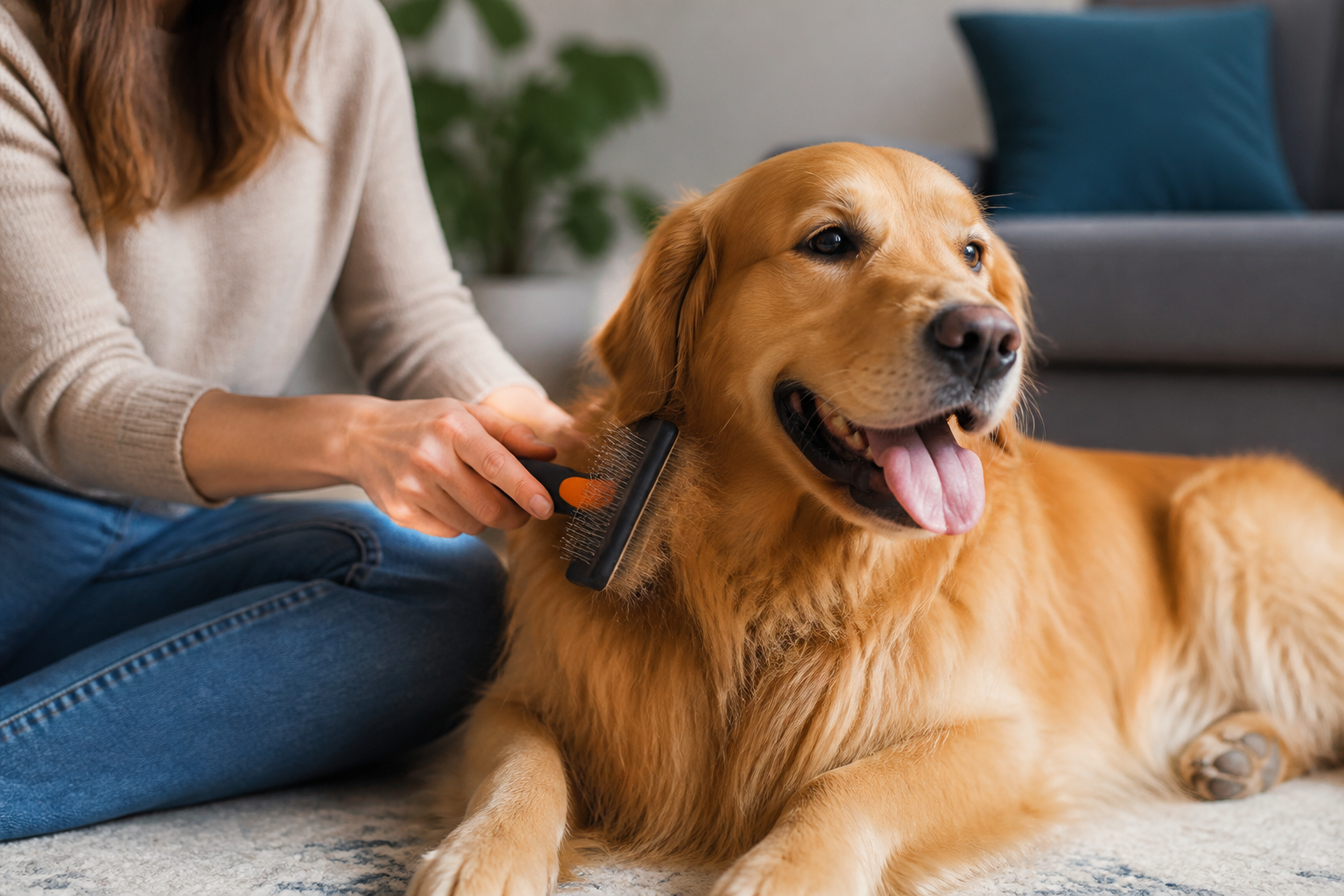
Introduction
You are standing in your living room and notice a tiny tumbleweed of fur drifting across the hardwood floor. You just vacuumed yesterday. If you live with a heavy shedder, this is your daily reality. At BaxterBoo, we know that finding the right tool can turn a frustrating chore into a rewarding bonding moment. This article explains the different types of brushes and which one will actually stop the shedding at the source. The best brush for your dog depends on their specific coat type and how much undercoat they carry. We will help you identify the right gear for your dog's needs so you can spend less time cleaning and more time playing.
Quick Answer: The best brush for shedding depends on your dog’s coat. A de-shedding tool like the FURminator is best for removing dense undercoat, while a slicker brush is the top choice for preventing mats in long-haired dogs. For short-haired breeds, a rubber curry comb is usually the most effective and gentle option.
Understanding the Two Layers of Your Dog's Coat
To find the right brush, you first need to understand what you are trying to remove. Most heavy shedders have a double coat. This means they have a tough outer layer of guard hairs and a soft, thick undercoat. The undercoat is what usually causes the most trouble in your home. It provides insulation in the winter and cooling in the summer. When the seasons change, this hair releases all at once.
The topcoat is what gives your dog their color and protects them from the sun and rain. Some brushes only reach the topcoat. If you only brush the surface, you leave the dead undercoat trapped against the skin. This can lead to painful mats or skin irritation. A good shedding brush must be able to reach through that top layer to pull out the loose fluff underneath.
Why Some Dogs Shed More Than Others
Genetics play the biggest role in how much a dog sheds. Breeds like Huskies, Labs, and German Shepherds are famous for their heavy shedding because of their dense double coats. Other dogs have a single coat that grows more like human hair. These dogs might not shed much at all, but they still need regular brushing to prevent tangles.
Environment and health also matter. If your dog is shedding excessively outside of the normal seasonal shifts, it could be a sign of a health issue. Poor nutrition or skin allergies can cause hair to fall out in clumps. If you notice bald spots or red skin, it is important to seek professional advice.
Vet Tip: If your dog is shedding much more than usual or has itchy, flaky skin, consult your veterinarian. Excessive shedding can be a sign of underlying issues like thyroid problems or food allergies. Our pharmacy offers prescription diets and skin medications if your vet identifies a specific medical need.
The Most Effective Types of Shedding Brushes
Not all brushes are created equal. Some are designed for daily maintenance, while others are heavy-duty tools meant for the "blowing coat" season. Here are the most common tools you will encounter in the grooming aisle.
De-Shedding Tools
Tools like the FURminator use a stainless steel edge with very fine teeth. These teeth reach deep into the coat to grab loose undercoat hair before it falls out. They are incredibly effective but must be used with caution. Because the edges are sharp, you should never press down hard on the skin.
Undercoat Rakes
An undercoat rake looks like a small garden tool with one or two rows of metal pins. These pins are designed to slide through the topcoat and pull out the dead hair from the undercoat. They are excellent for dogs with very thick, long fur like Golden Retrievers or Newfoundlands. They are generally gentler on the skin than de-shedding blades.
Slicker Brushes
A slicker brush has a flat or curved head with rows of thin, wire pins. These pins are slightly hooked at the ends. They are perfect for removing loose hair and detangling small mats. Slicker brushes are very versatile and work well on most coat types, especially medium to long hair.
Rubber Curry Combs
If you have a short-haired dog like a Beagle or a Boxer, metal teeth might be too harsh. A rubber curry comb uses soft nubs to massage the skin and pull away loose surface hair. This is also a great tool to use during bath time to work shampoo into the coat.
Explore our dog grooming tools to compare brushes, combs, and other grooming supplies.
Choosing the Best Brush for Your Dog's Coat Type
The right choice depends on the texture and length of your dog's fur. Using the wrong brush can be ineffective or even painful for your pet. Use the following categories to find your match.
Short and Smooth Coats
Dogs like Boxers, Pointers, and Great Danes have very short hair that sits close to the skin. They do not have a heavy undercoat, but they still shed small, stiff hairs.
- Best Tool: Rubber curry comb or a soft bristle brush.
- Why: These tools remove loose hair without scratching the skin.
- Frequency: Once a week is usually enough to keep the coat shiny.
Dense Double Coats
This group includes Labrador Retrievers, German Shepherds, and Huskies. These dogs are the heaviest shedders.
- Best Tool: De-shedding tool or an undercoat rake.
- Why: You need something that can penetrate the thick outer layer to reach the dense undercoat.
- Frequency: Two to three times a week during peak shedding seasons.
Long or Silky Coats
Golden Retrievers and Spaniels have long, beautiful hair that is prone to tangling.
- Best Tool: Slicker brush and a metal comb.
- Why: The slicker brush removes the loose fluff, and the comb ensures there are no hidden mats near the skin.
- Frequency: Every other day to prevent tangles from forming.
Curly or Wooly Coats
Poodles and Doodles do not shed much in the traditional sense. Instead, the loose hair gets trapped in their curls.
- Best Tool: High-quality slicker brush and a long-toothed metal comb.
- Why: If you do not brush these dogs down to the skin, the trapped hair will turn into a solid mat.
- Frequency: Daily brushing is often required for these high-maintenance coats.
| Coat Type | Primary Brush | Secondary Tool | Goal |
|---|---|---|---|
| Short/Smooth | Rubber Curry | Bristle Brush | Shine and Massage |
| Double Coat | De-Shedding Tool | Undercoat Rake | Undercoat Removal |
| Long/Silky | Slicker Brush | Metal Comb | Prevent Tangles |
| Curly/Wooly | Firm Slicker | Metal Comb | Prevent Matting |
Key Takeaway: Match your brush to your dog's coat depth. Short-haired dogs need soft rubber or bristles, while double-coated dogs require metal teeth that can reach the undercoat.
How to Use a Shedding Brush Safely
Once you have the right tool, your technique is just as important. Brushing too hard or too long in one spot can cause "brush burn," which is a painful skin irritation. Follow these steps to ensure a safe and comfortable grooming session.
Step 1: Inspect the Skin
Before you start brushing, run your hands over your dog's body. Look for any lumps, bumps, scratches, or hot spots. Avoid brushing over any areas where the skin is broken or irritated. This is also a good time to check for fleas or ticks.
Step 2: Detangle First
If your dog has long hair, use a metal comb or a slicker brush to gently remove any tangles. Never pull hard on a mat. If a mat is too tight, you may need to use a de-matting tool or consult a professional groomer.
Step 3: Brush in the Direction of Hair Growth
Always move the brush in the direction the hair grows. Use long, gentle strokes. If you are using a de-shedding tool with a blade, avoid using too much downward pressure. Let the weight of the tool do the work for you.
Step 4: Work in Sections
Start at the head and work your way back to the tail. It is easy to miss spots if you jump around. Pay extra attention to the "trousers" on the back legs and the area behind the ears, as these are common spots for loose hair to accumulate.
Step 5: Clean the Brush Frequently
A clogged brush will not work effectively. Many modern brushes have a button that pushes the hair out for you. If yours does not, keep a wastebasket nearby and pull the hair out of the pins every few strokes.
For another perspective on managing a dense double coat, read about how Australian Shepherds shed.
Bottom line: Gentle, consistent pressure in the direction of hair growth is the safest way to remove loose fur without hurting your dog's skin.
The Connection Between Nutrition and Shedding
While the right brush is essential, shedding starts from the inside out. A dog with a poor diet will often have a brittle coat that sheds excessively. Omega-3 and Omega-6 fatty acids are crucial for skin health and hair strength.
Many premium dog foods carried by us, such as those from Orijen, Acana, or Stella and Chewy's, include these healthy fats. If your dog's coat looks dull despite regular brushing, you might consider adding a fish oil supplement. We offer several options that can be easily added to your dog's daily meals.
If your vet determines that your dog has a specific skin condition, they might recommend a prescription diet. Through our pharmacy, we provide access to FDA-approved medications and therapeutic foods like Farmina Vet Life. These products are specifically formulated to support dogs with chronic skin or allergy issues.
Maintaining Your Grooming Tools
Your brushes will last for years if you take care of them. Metal pins can bend or rust if they are stored in a damp place. After each grooming session, remove all the hair from the brush. You can wash most rubber and plastic brushes with mild soap and warm water.
For metal brushes, ensure they are completely dry before putting them away. Check the pins regularly to make sure they are still smooth. If the tips of a slicker brush become sharp or the pins start to fall out, it is time to replace the tool. A damaged brush can scratch your dog and make them fear the grooming process.
At BaxterBoo, we have been helping pet owners find the right supplies since 2006. Our team handpicks every product to ensure it meets our standards for quality and safety. Whether you visit our warehouse superstore in Vernon Hills or order online for home delivery, you can trust that you are getting expert-approved gear.
Training Your Dog to Enjoy Brushing
Many dogs are nervous about the grooming process. If your dog runs away when they see the brush, you need to change their perspective. Start by leaving the brush on the floor and letting your dog sniff it. Give them a high-value treat every time they investigate the tool.
Gradually move to touching them with the back of the brush. Once they are comfortable with that, try one or two gentle strokes. Always follow up with praise and a snack. Keeping grooming sessions short and positive will help your dog learn to relax. Eventually, many dogs come to enjoy the massage-like feeling of a good brushing session.
If your dog is extremely anxious, you might consider calming supplements. Options like those from Zesty Paws or Honest Paws can help take the edge off during grooming. You can find these in our Anxiety and Calming section.
Key Takeaway: Consistent, positive reinforcement turns grooming from a stressful event into a bonding activity. Start slow and always end on a high note with a treat.
When to Seek Professional Help
Even with the best tools, some coats are just too much for a pet owner to handle alone. If your dog is severely matted, do not try to cut the mats out with scissors. A dog's skin is very thin and easy to cut. A professional groomer has the tools and experience to safely remove mats.
You should also see a professional if your dog needs a "sanitary trim" or if they have an "impacted" undercoat. This happens when the dead hair becomes so packed together that a regular brush cannot penetrate it. A groomer can use high-velocity dryers and specialized shampoos to loosen that hair and get the coat back to a manageable state.
Conclusion
Finding the best dog brush for shedding is about knowing your dog's unique coat. A de-shedding blade is a powerhouse for double coats, while a rubber curry comb is the gentle choice for short-haired breeds. Regular brushing not only keeps your home cleaner but also keeps your dog's skin healthy by distributing natural oils. Remember to keep the sessions positive and always check the skin for any signs of trouble. We invite you to explore our full collection of dog grooming supplies and supplements to find the perfect fit for your pet.
Bottom line: Invest in a tool that matches your dog's coat type and commit to a weekly routine to keep shedding under control.
FAQ
Can I use a human hairbrush on my dog?
You should avoid using human brushes on dogs. Our brushes are designed for much thinner hair and usually cannot reach through a dog's dense coat. Furthermore, the bristles on human brushes can be too soft to remove a dog's undercoat or too sharp for their sensitive skin.
How often should I use a de-shedding tool?
For most double-coated dogs, using a de-shedding tool once or twice a week is sufficient. You should only use it for about 10 to 15 minutes per session. Using it too frequently or for too long can damage the topcoat or irritate your dog's skin.
Does brushing my dog help with my own allergies?
Yes, regular brushing can significantly reduce the amount of dander and loose hair in your home. By removing the hair before it falls off, you keep the allergens contained. Brushing your dog outdoors is even more effective for keeping allergens out of your living space.
Why is my dog still shedding after I brush them?
Brushing removes loose hair, but it does not stop the natural growth cycle. If your dog is blowing their coat, you may need to brush them daily for a week or two. If the shedding seems excessive and is accompanied by itching or bald spots, it is time to consult your veterinarian about potential skin health issues.






